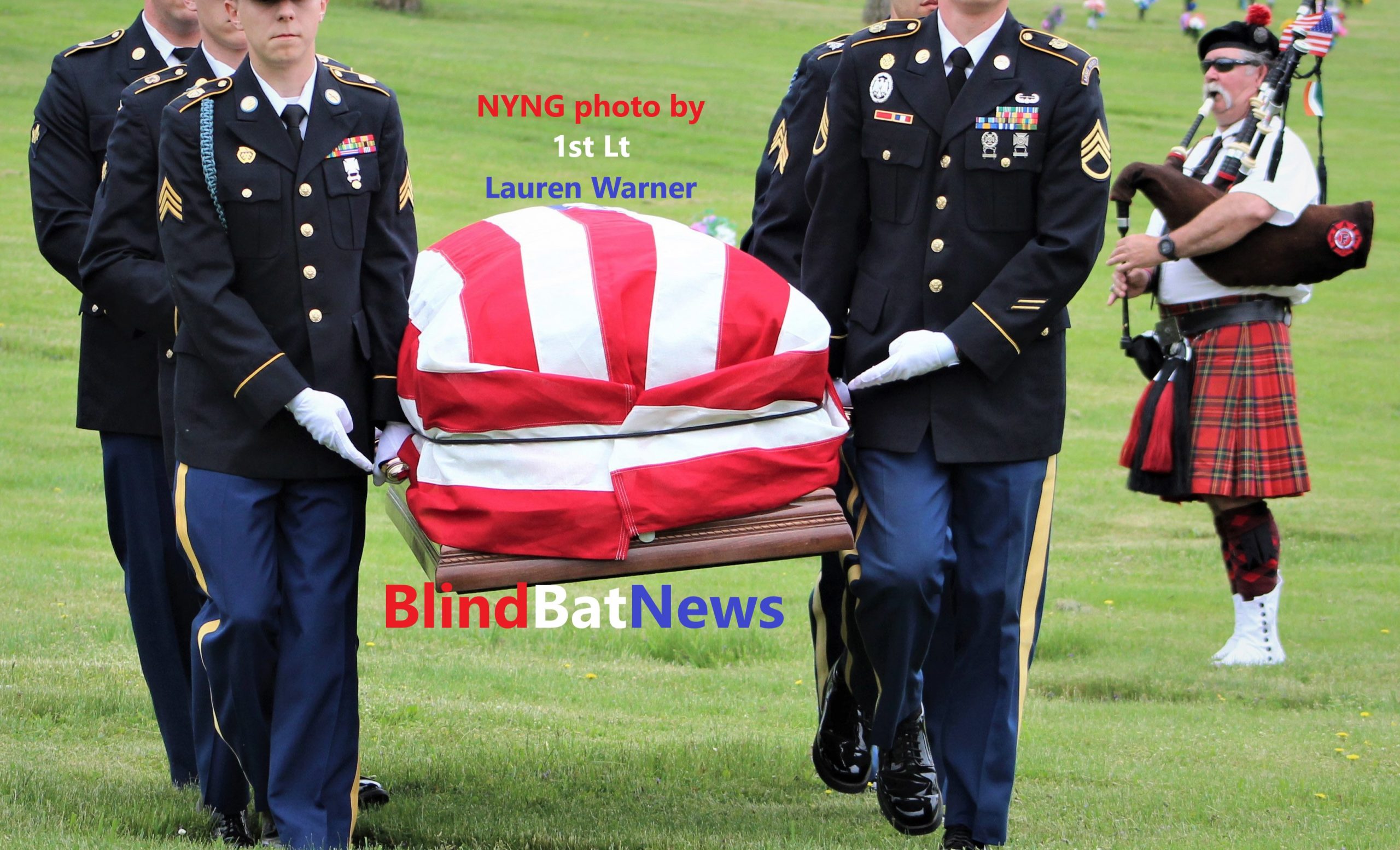
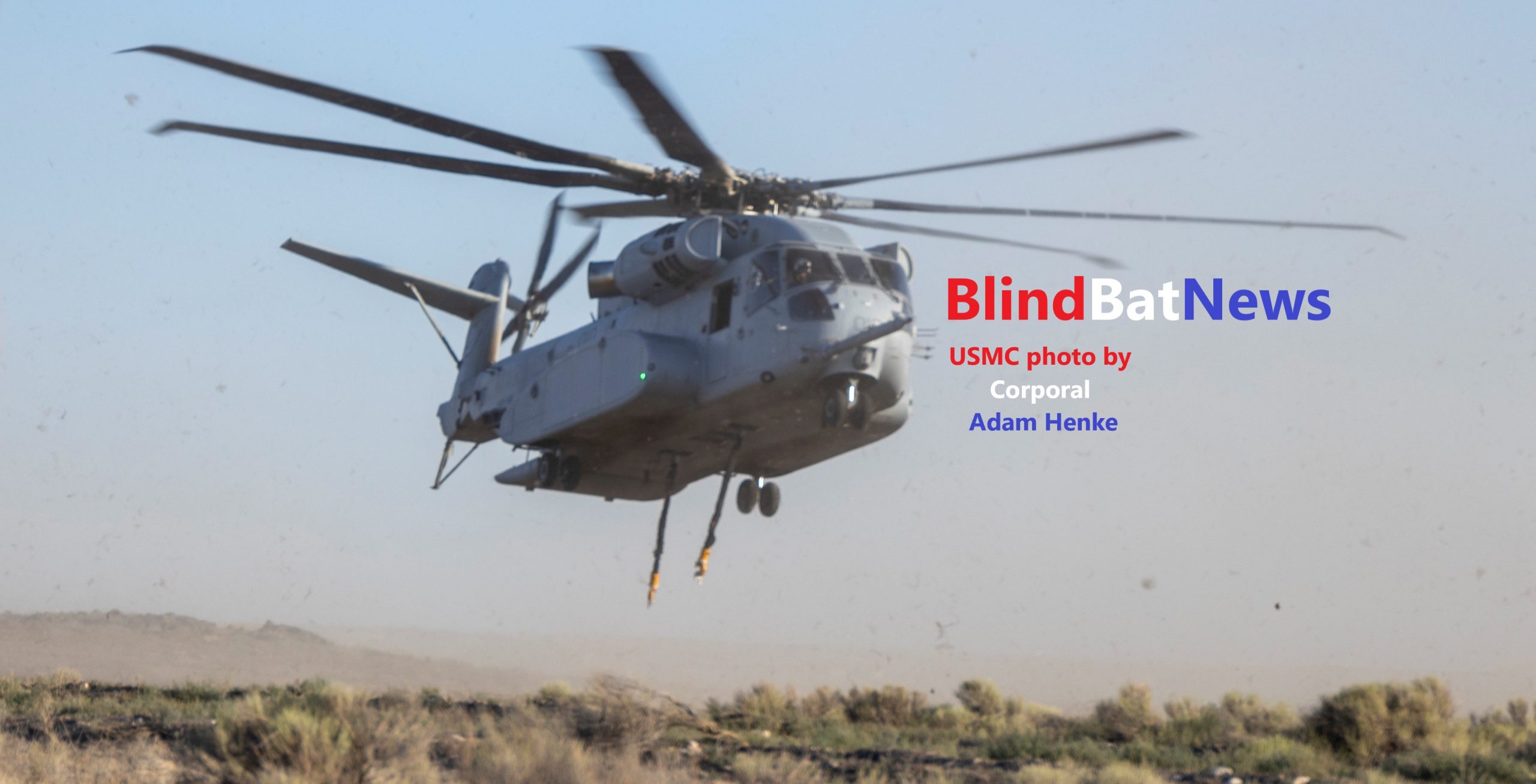
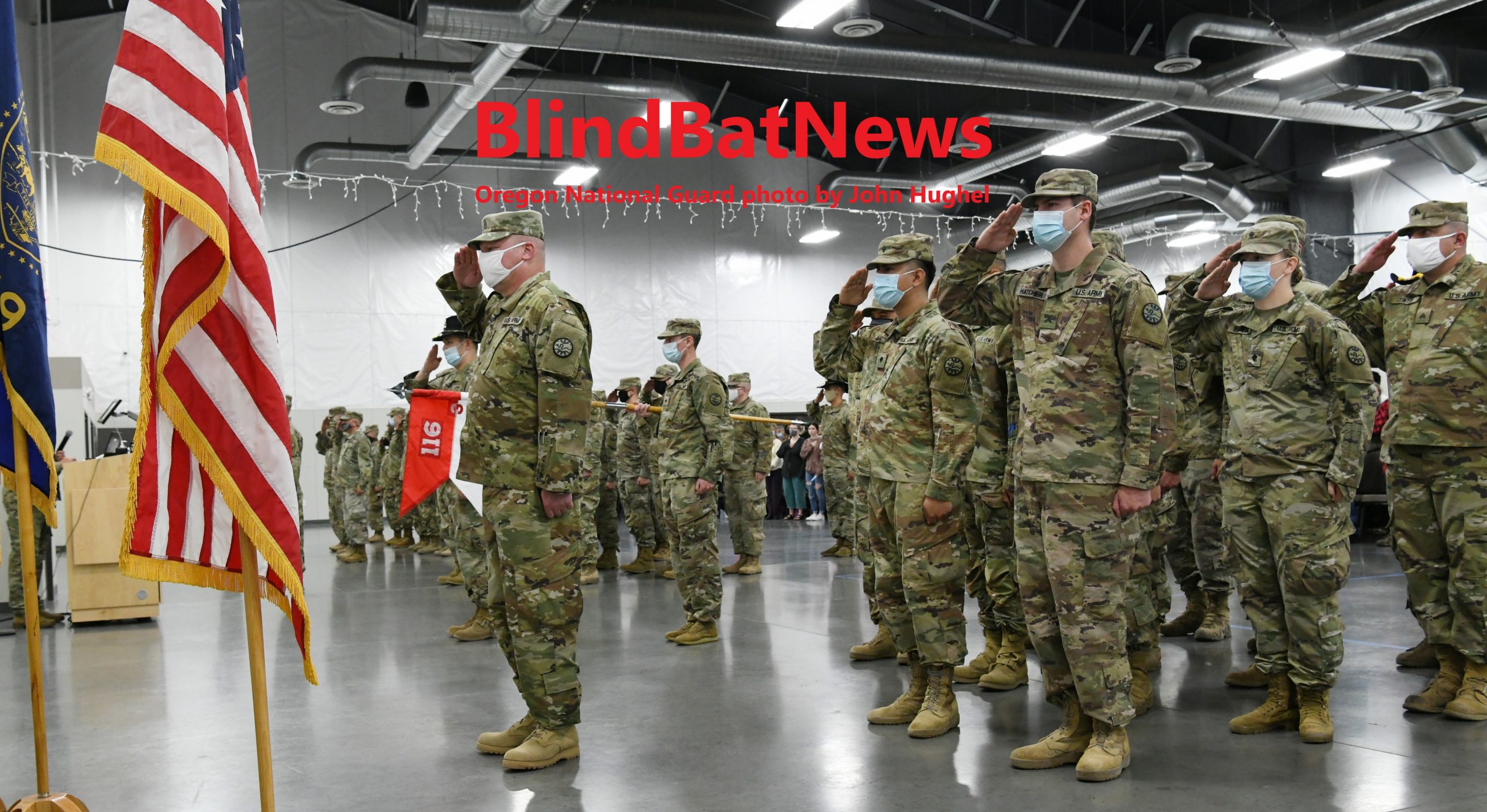
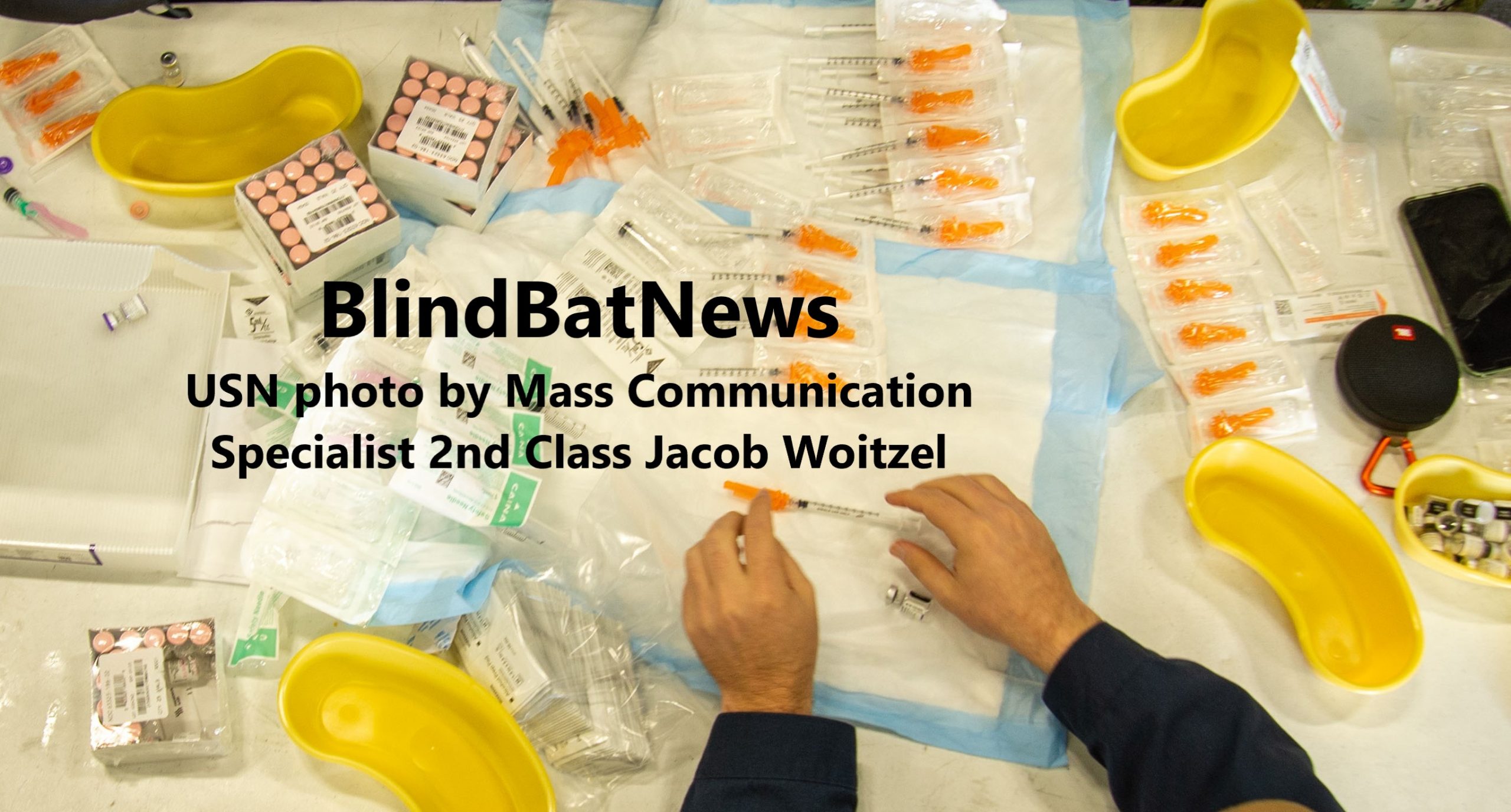
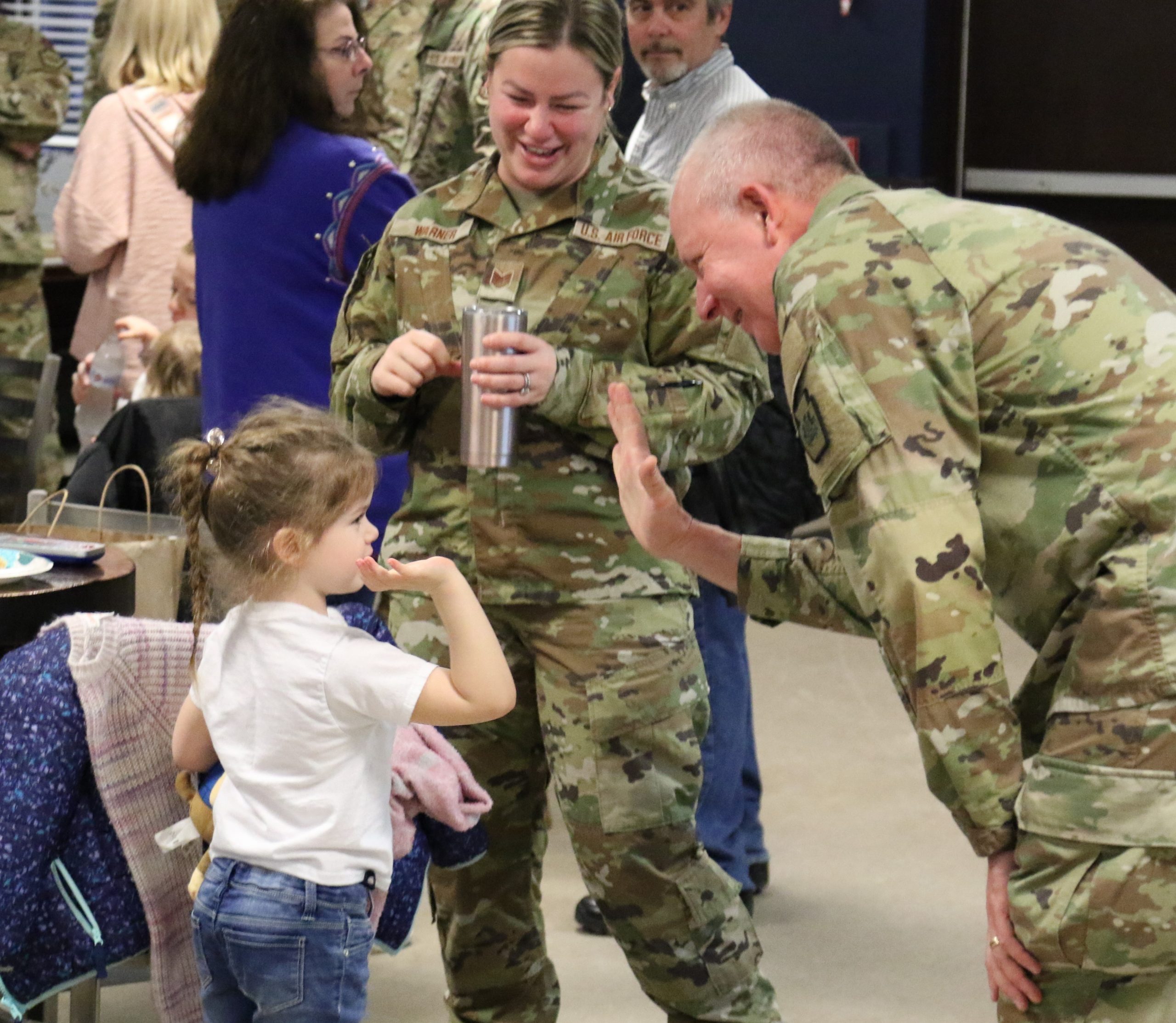
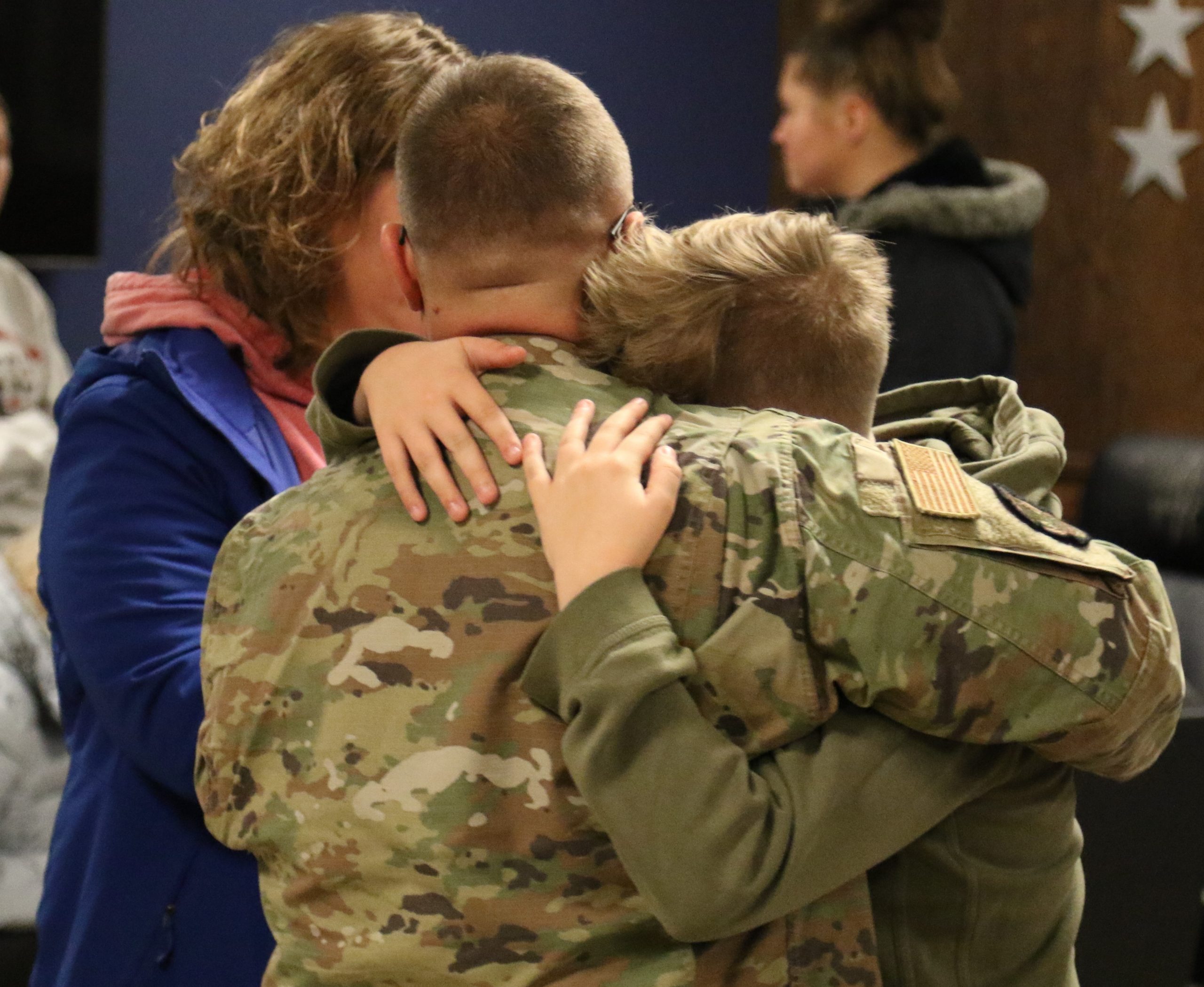
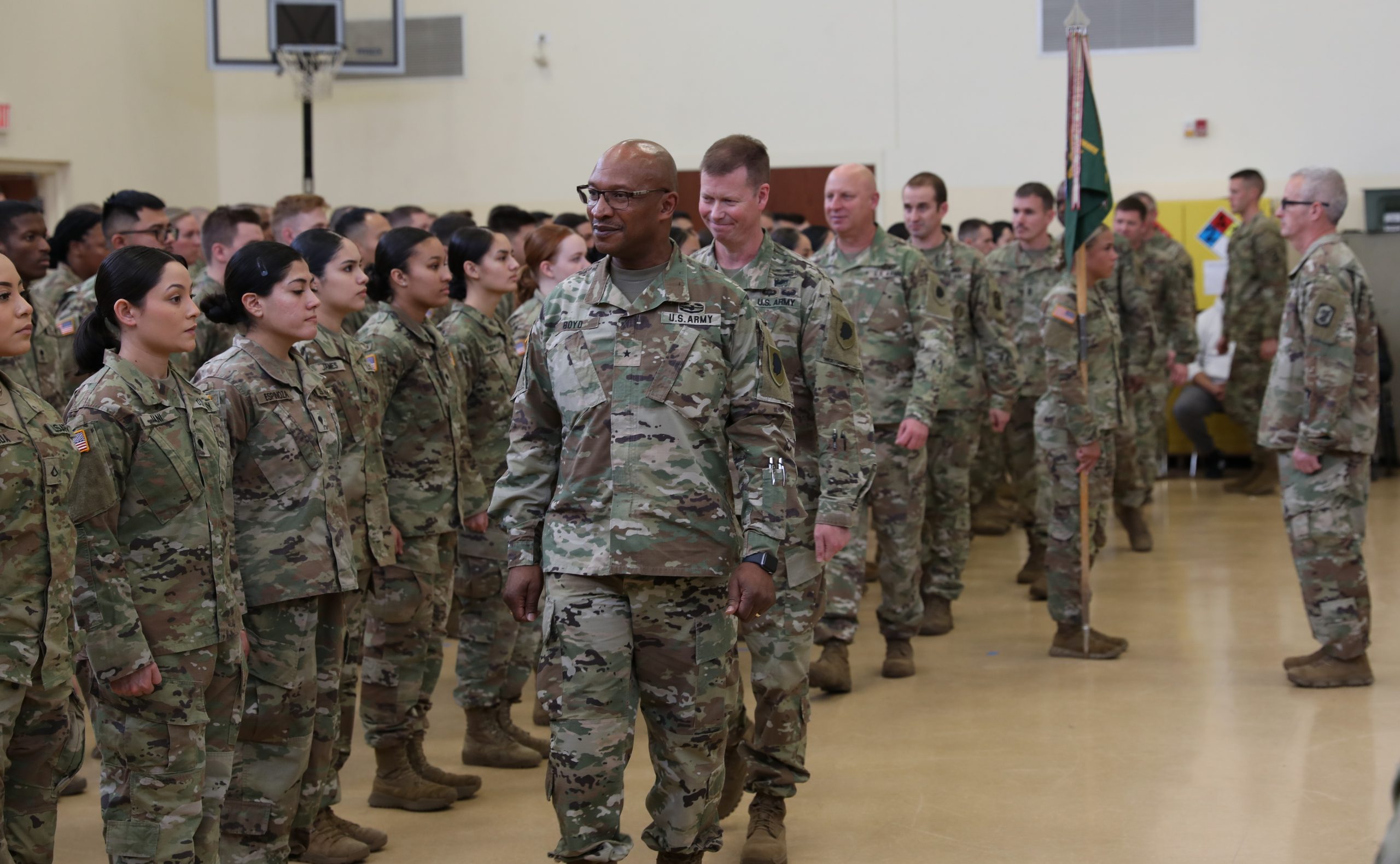
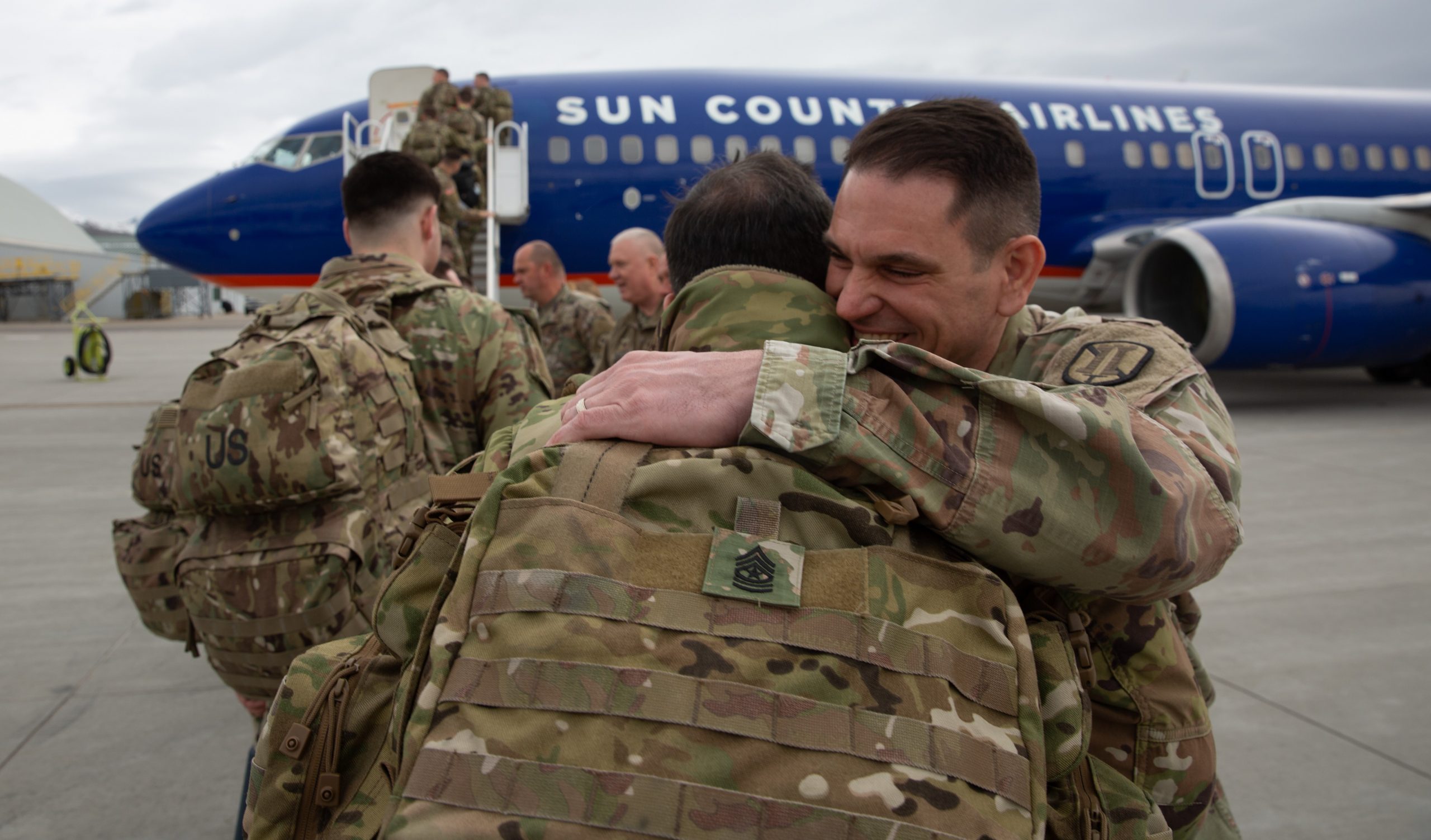
On 23JAN2023, about 4-hundred New York Army National Guard ‘Air-Cav’ Militia personnel deployed for Kuwait, however, their first stops will be Pennsylvania and Texas for additional training. Many of the Soldiers will be providing CH-47F Chinook helicopter support for the Mississippi Army National Guard, in South West Asia (The Middle East). According to the New York National Guard, there are already at least 1-thousand-8-hundred New York Army National Guard Soldiers deployed across the world, including assisting with training Ukrainian troops in NATO-Germany!
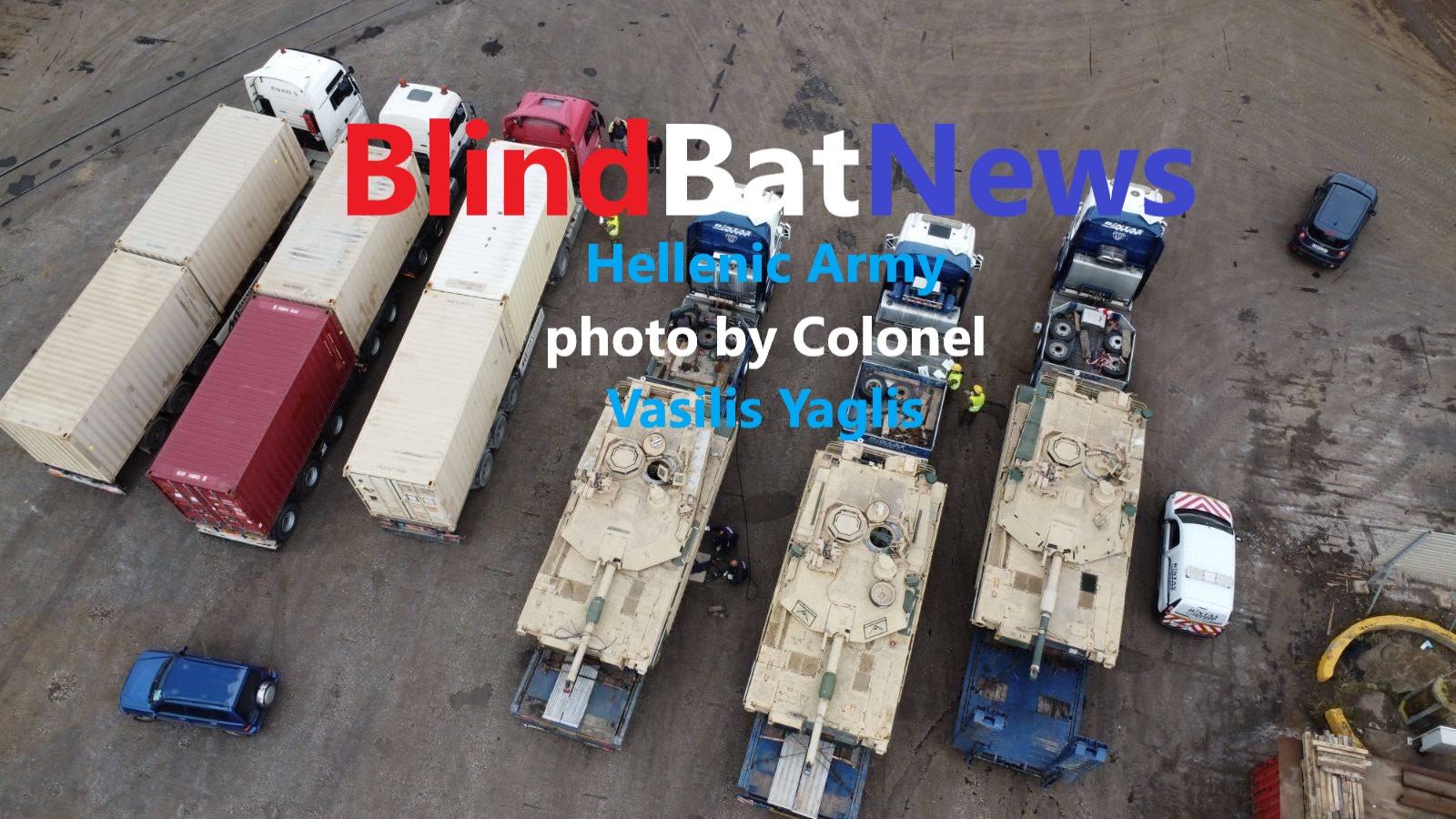
Pennsylvania National Guard photo by Captain Travis Mueller, 20JAN2023.
Illinois Army National Guard Specialist Xzavier Marte, 17JAN2023.
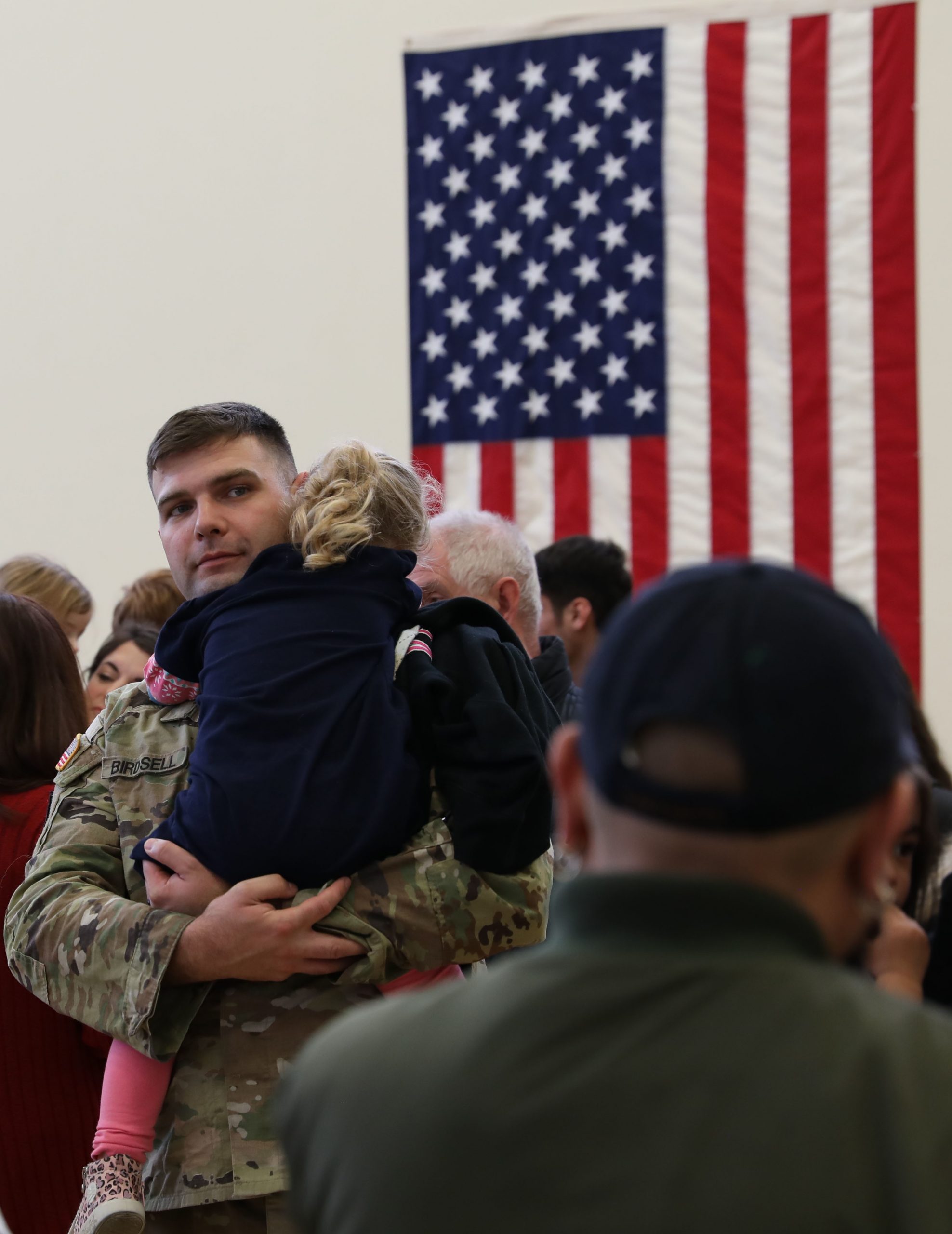
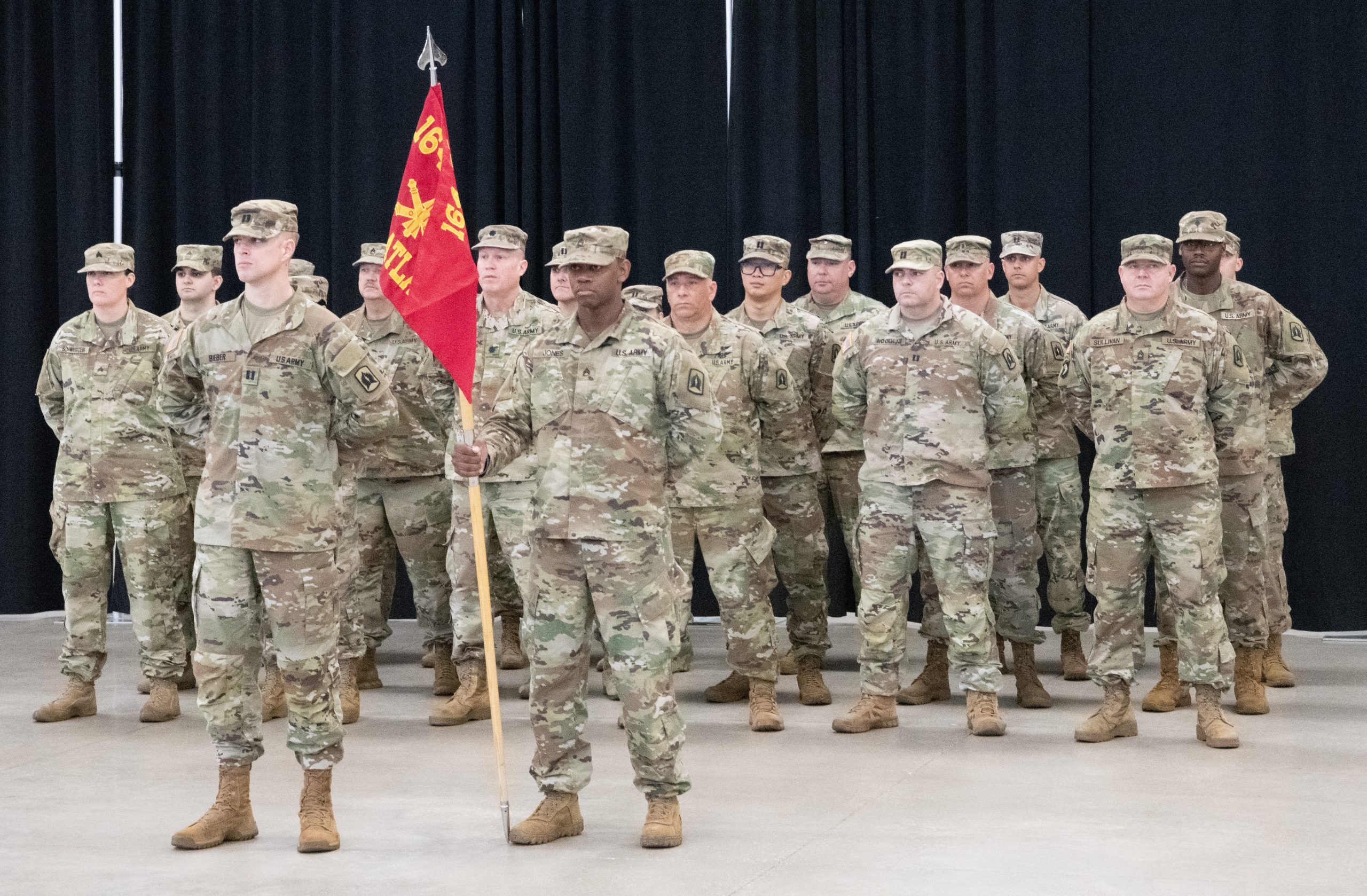
On 17JAN2023, the Illinois Army National Guard’s 933rd Military Police Battalion conducted a deployment ceremony, they are deploying to support U.S. Southern Command (SouthComm) operations.
Illinois Army National Guard Specialist Xzavier Marte, 17JAN2023.
On 11JAN2023, it was revealed that Michigan Army National Guard has Soldiers inside Syria! The National Guard Bureau’s photo-montage-video claims to show the militiamen conducting weapons qualifications inside Syria:
Utah National Guard photo by Ileen Kennedy, 09JAN2023.
The Michigan National Guard Family Programs Office provides support for families of the Michigan National Guard, they may be reached at 1-888-MICH-FAM. Multiple deployments to The Middle East were made in 2022.
Florida National Guard photo by Staff Sergeant Christopher Vann, 06JAN2023.
23 January 2023 (08:36-UTC-07 Tango 06) 03 Bahman 1401/01 Rajab 1444/02 Gui-Chou 4721/23 январь 2023 года
“We cheer the success achieved by Somali security forces in their historic fight to liberate Somali communities suffering under al-Shabaab. This is a Somali-led and Somali-fought campaign. The United States reaffirms our commitment to support your effort.”-Larry André, U.S. Ambassador to Somalia, 08JAN2023
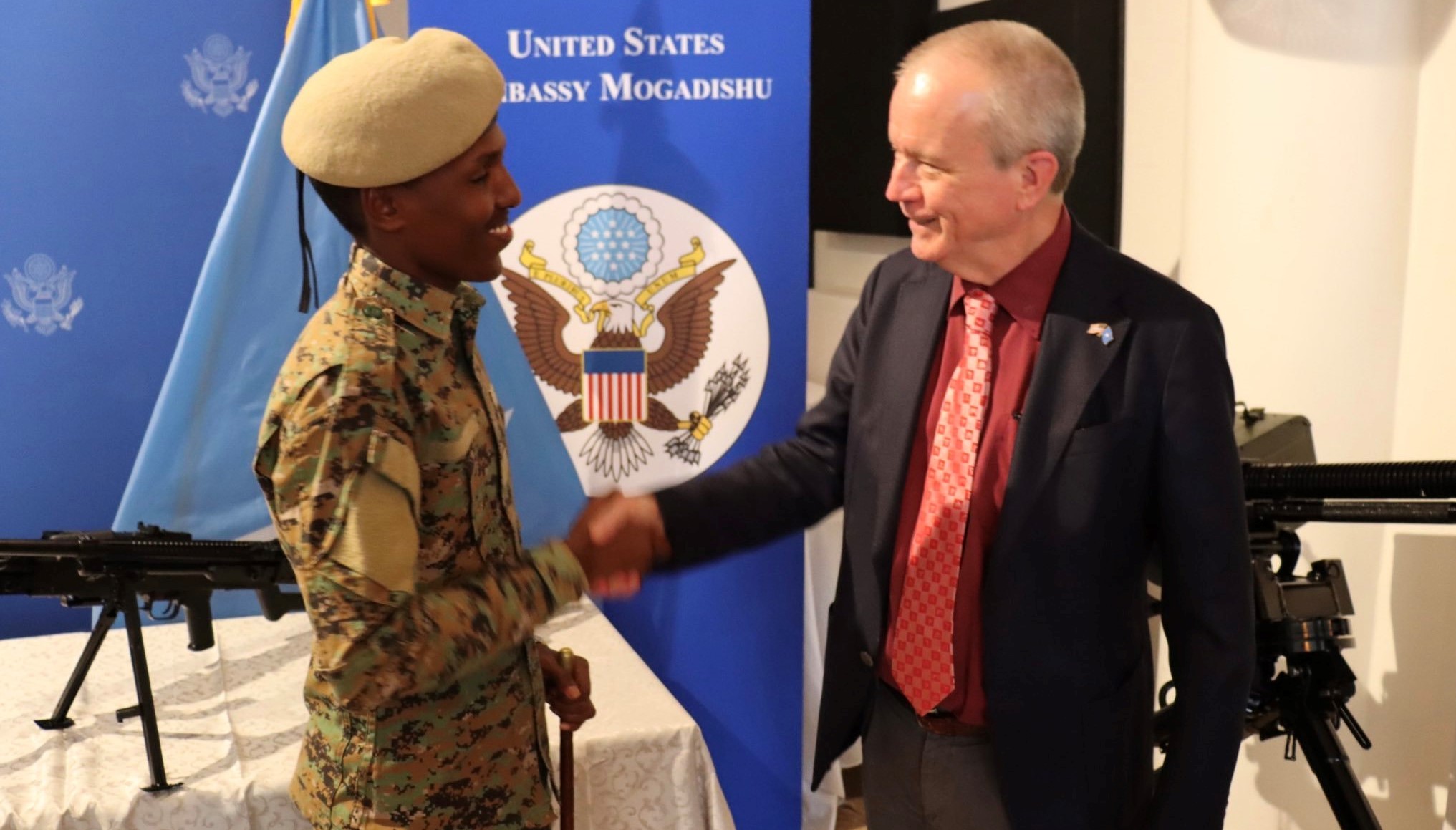
U.S. Ambassador to Somalia, Larry André, shakes hands with SNA officer, while standing in front of the Russian machine guns donated on 08JAN2023. Photo via U.S. Embassy in Somalia.
The Biden Administration overseeing yet another multi-million U.S. dollar taxpayer funded giveaway of weapons, but not to Ukraine, to a small country on the Horn of the African continent: Somalia.
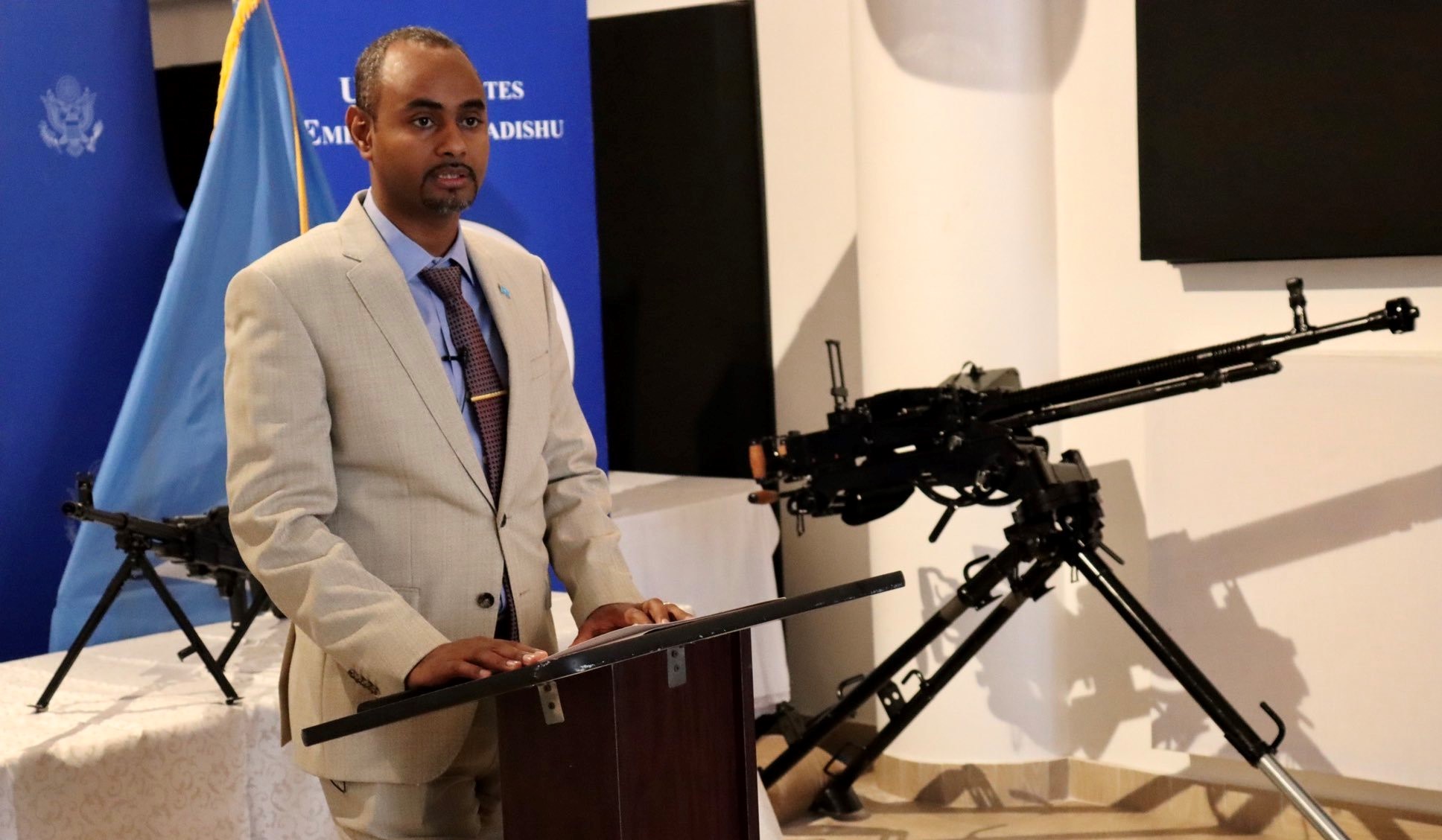
Somali Minister of Defense Abdulkadir Mohamed Nur Jama stands in front of light (7.62mm) & heavy (DShK 12.7mm) Russian machine guns during donation ceremony. Photo via U.S. Embassy in Somalia, 08JAN2023.
An official ceremony was held on 08JAN2023, announcing the giveaway, yet according to a press release by U.S. Africa Command (USAfriComm), most of the $9-million worth of weapons (mainly Russian designed and built light and DShK heavy machine guns), construction vehicles, explosive ordinance disposal kits, medical supplies, and maintenance equipment, were already being delivered to Somali National Army (SNA) units in the war ravaged states of Hishabelle and Galmudug.
USAfriComm also admitted that the $9-million ‘aid’ package was paid for through the U.S. Department of Defense (DoD), and was done in coordination with the United Nations (UN) Security Council.
Cold War: Approximately 1947 (due to U.S. President Harry Truman’s Truman Doctrine) to 1991 (Operation Desert Storm, collapse of Soviet Union).
In the early 1970s Imperial Iran placed big orders for two tanks; the British Chieftain Marks 3 & 5, and the U.S. M60A1. In the mid-1970s Iran decided to buy an upgraded Mark 5 Chieftain, which became known as FV4030/2 Shir (Lion). By 1978, Iran had almost 1-thousand types of Chieftain tanks, but wanted even more improved versions.
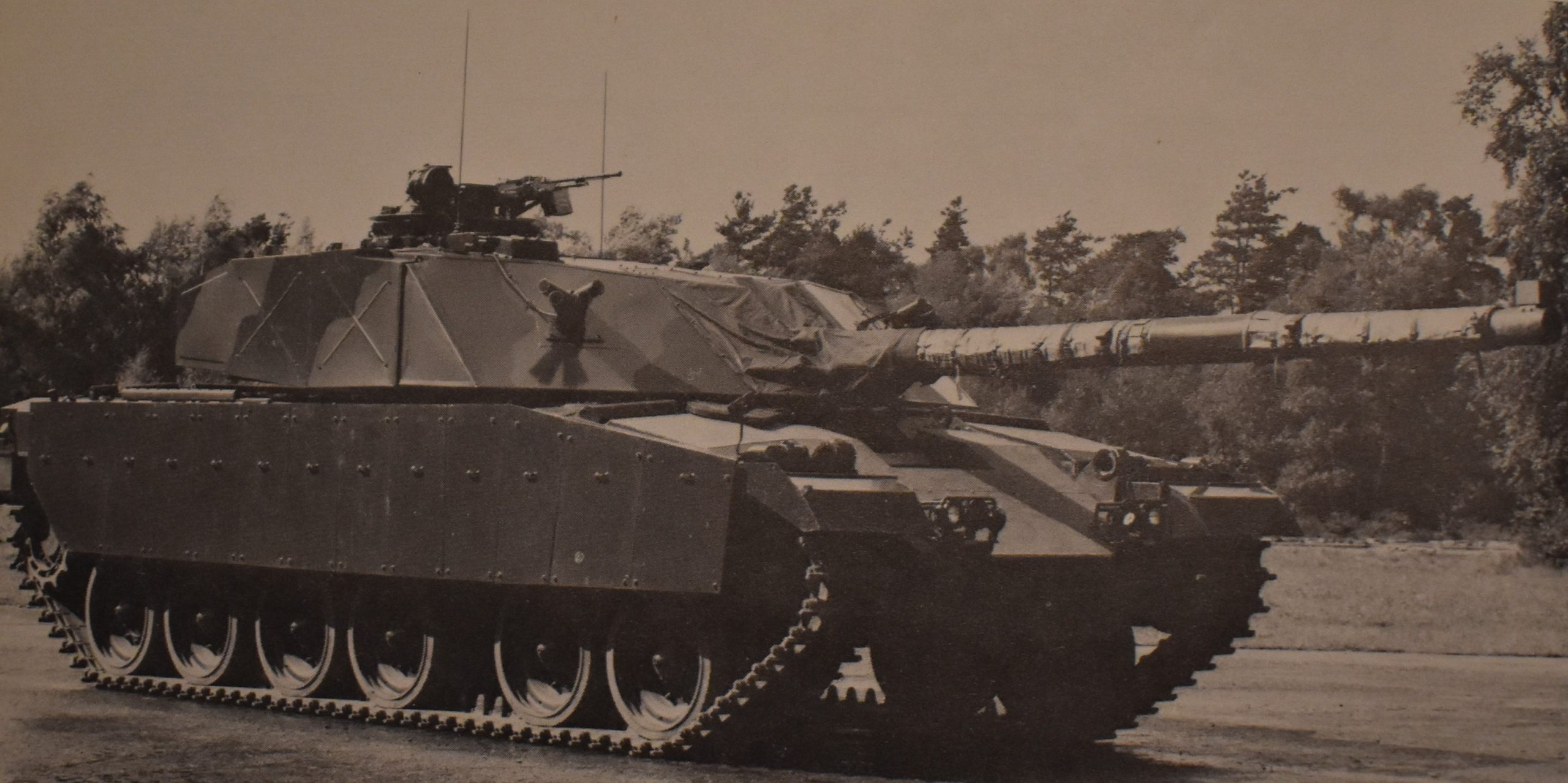
Chobham armored Chieftain prototype, June 1976. U.K. Ministry of Defence-Crown photo.
As luck would have it, the British had been developing a new type of armor in a place called Chobham on Surrey Health, in Surrey, England. The new armor would be called Chobham.
Chobham armored ‘Chieftain’ prototype, June 1976.
In June 1976, the United Kingdom’s Secretary of Defence ordered the Royal Ordinance Factory (ROF) to upgrade the current production of Chieftains for Iran (becoming known as Mark-1-Shir/Shir-1) to the new Chobham armored Mark-2-Shir/Shir-2. The U.K.’s The British Army (known officially since 1707, after the supposed union of Scotland and England) was not concerned about their own Chieftains’ lack of armor protection, because they were focused on a new tank project called MBT-80. The Iranians placed an order for 1-thousand-225 Shir-2s!
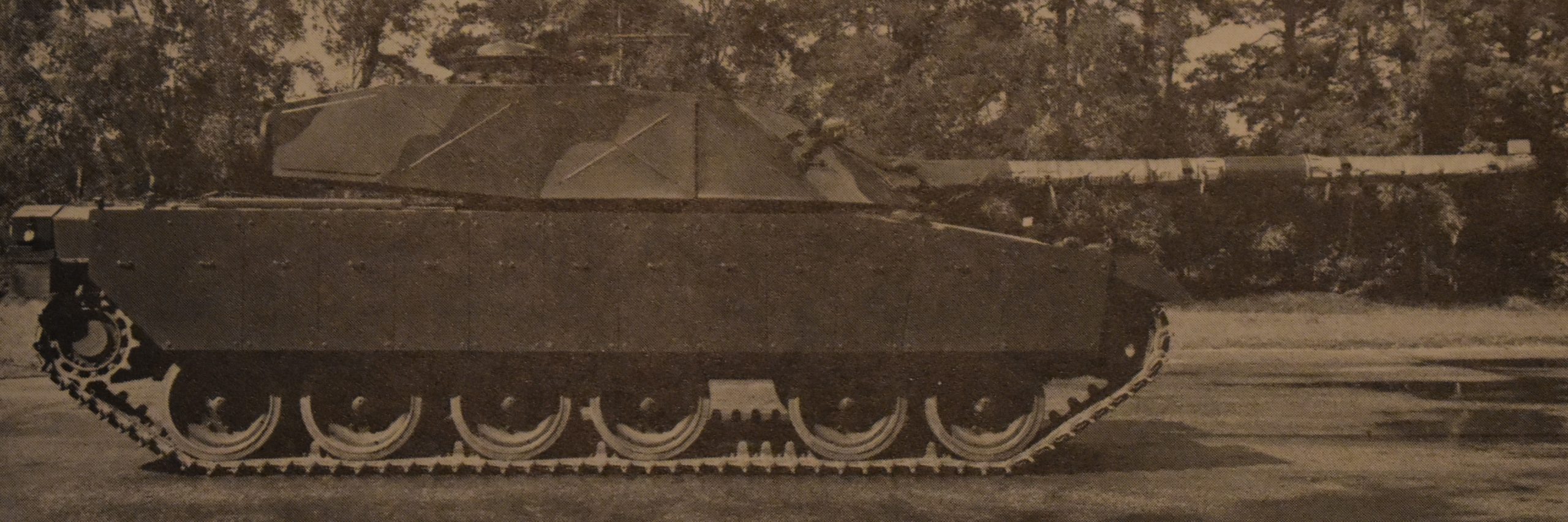
Shir 2, 1978. U.K. Ministry of Defence-Crown photo.
The new ‘Chieftain’ was created, FV4030/3, given the Farsi name Shir-2 (Lion-2).
Shir 2, 1978. U.K. Ministry of Defence-Crown photo.
Production of Shir-2 was to commence in 1979/80, however, something called The ’79 Revolution took place in Iran, and as a result the new Iranian government cancelled the order for Shir-2, and anyway, both the United States and United Kingdom halted weapons sales to Iran. It should be noted that during the 1980’s Iran-Iraq War, Iran discovered that the Chieftains and Lion-1s could not handle prolonged combat in desert environments.
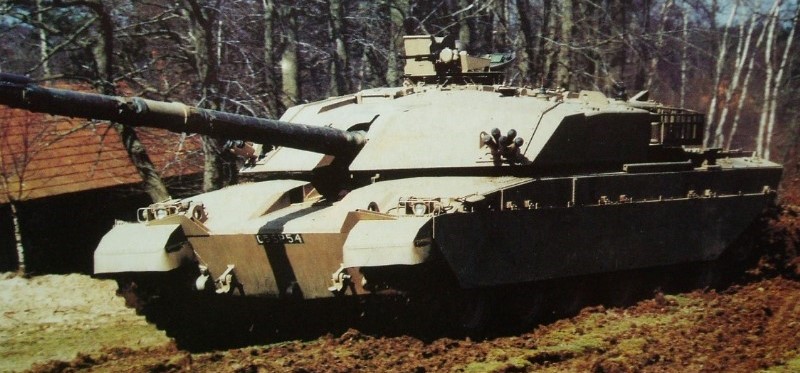
Mark-2-Shir/Shir-2, never delivered to Iran due to sanctions imposed after the ’79 revolution. U.K. Ministry of Defence-Crown photo.
CHALLENGER:
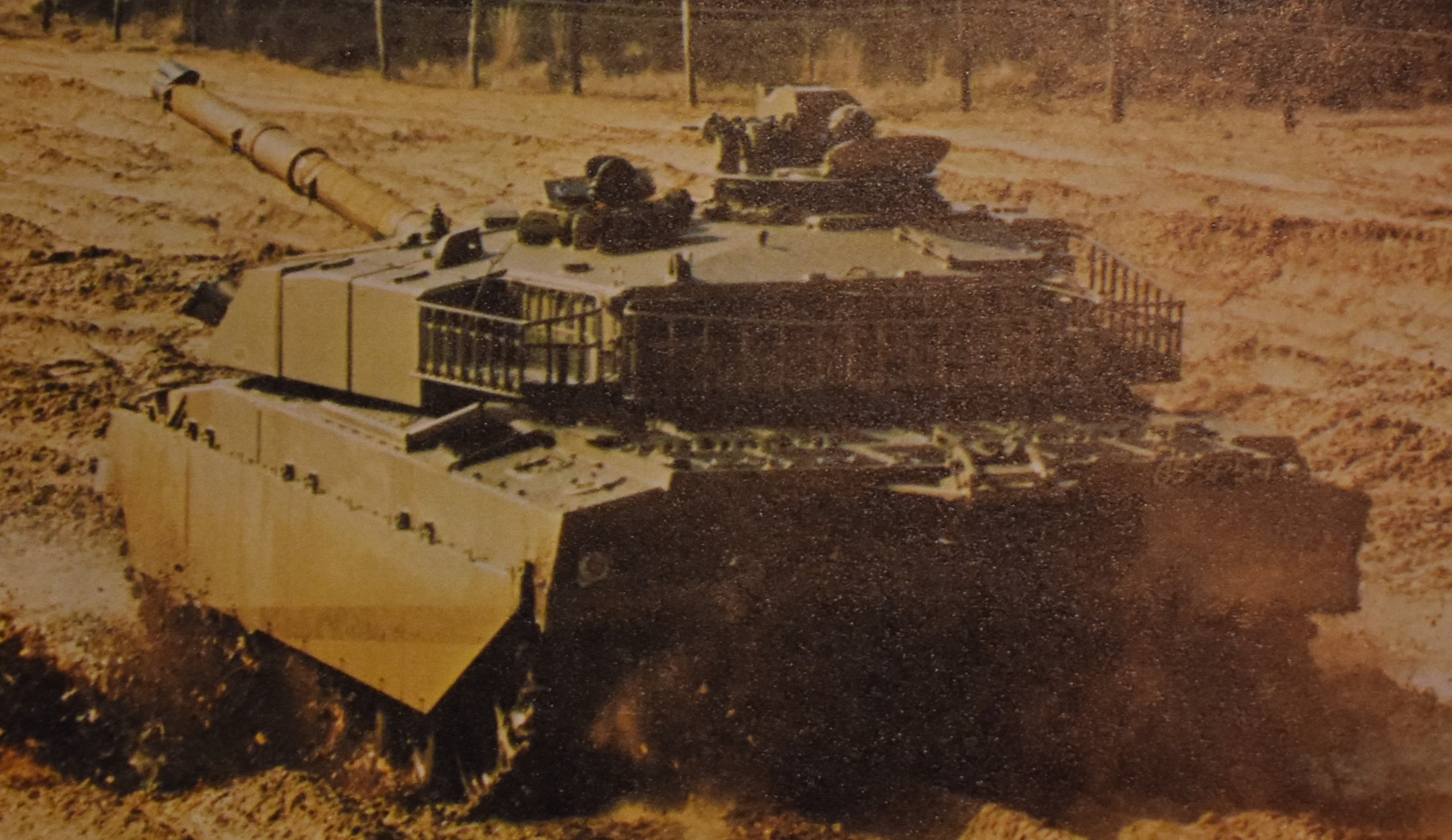
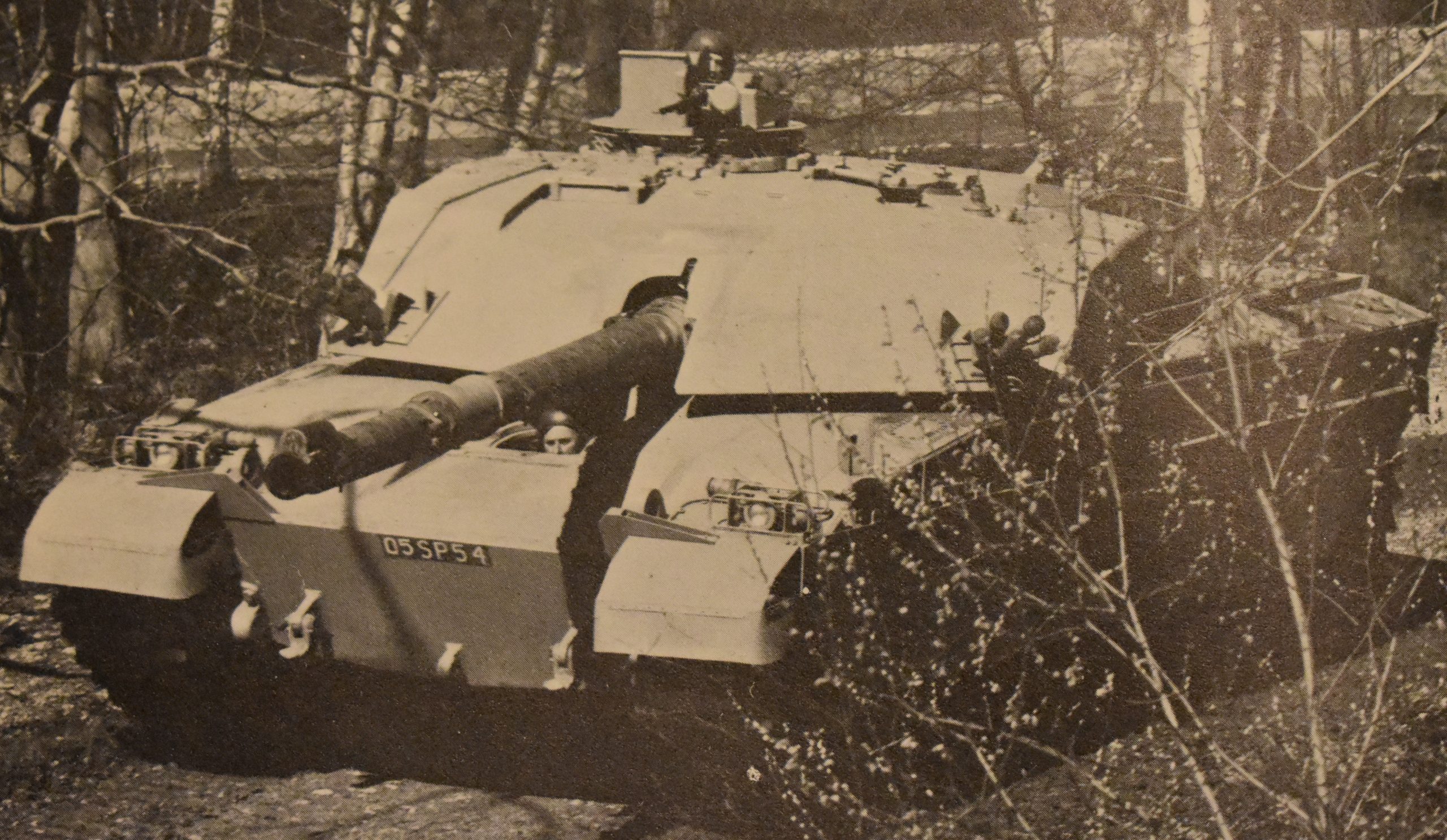
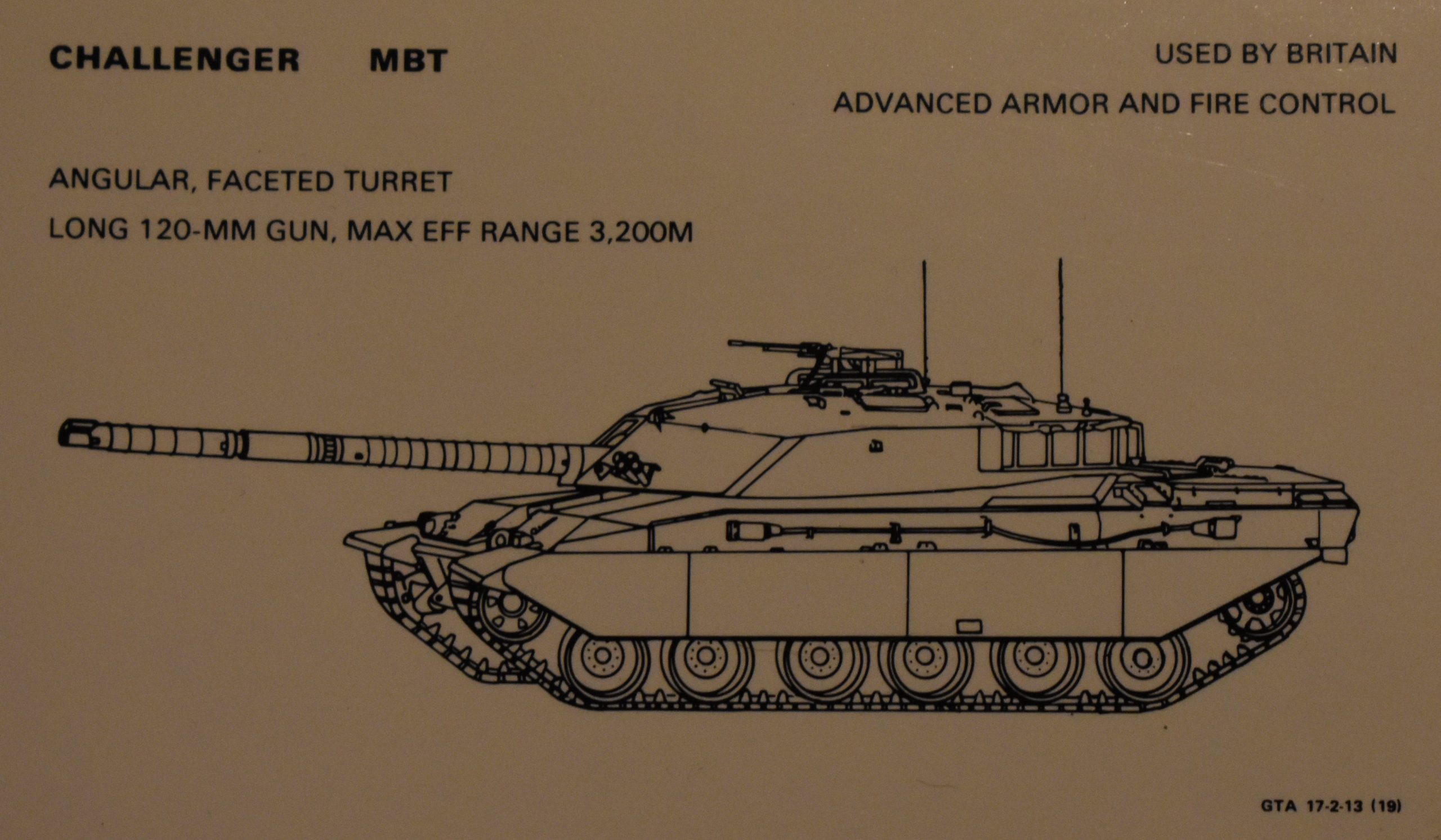
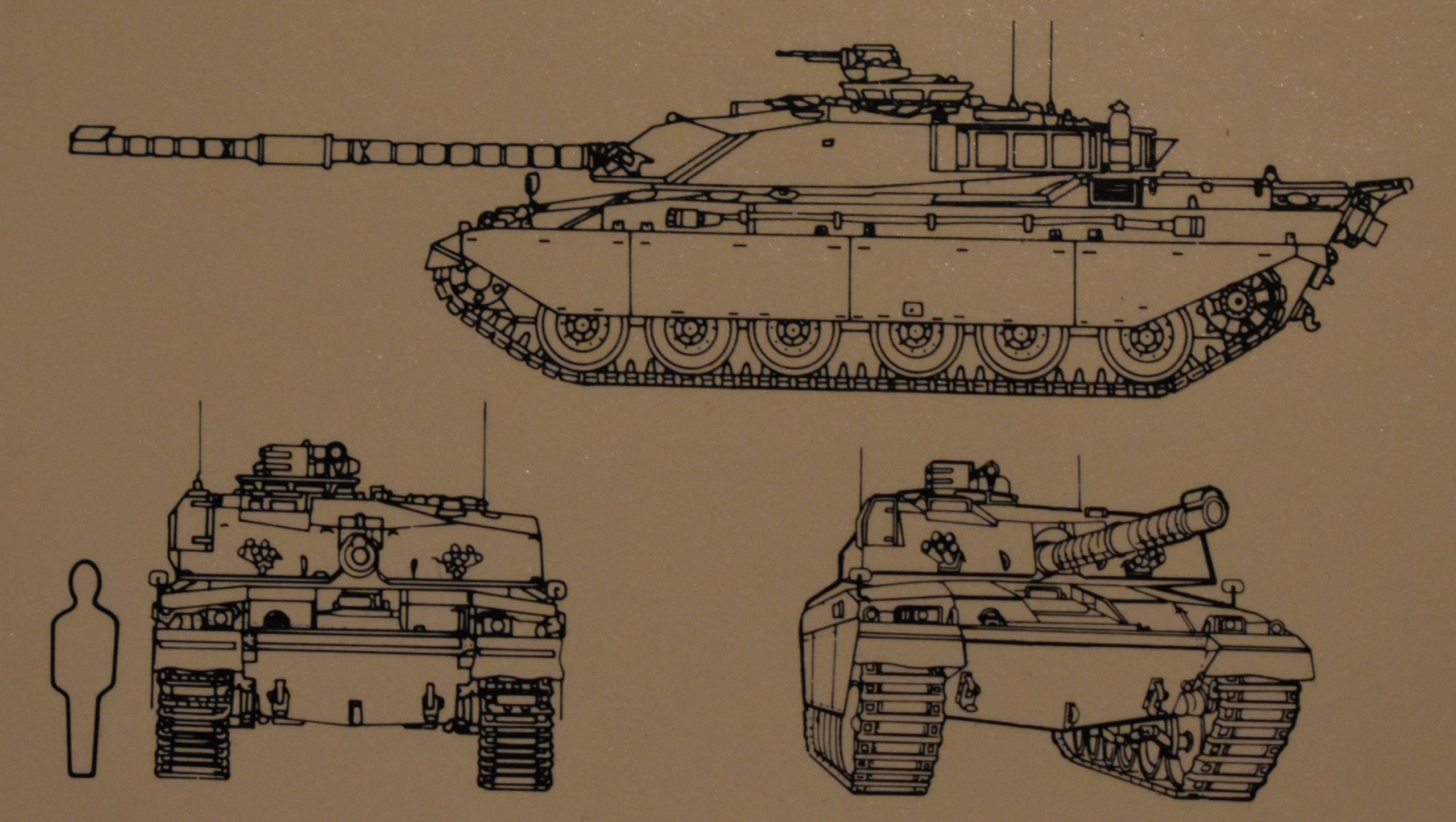
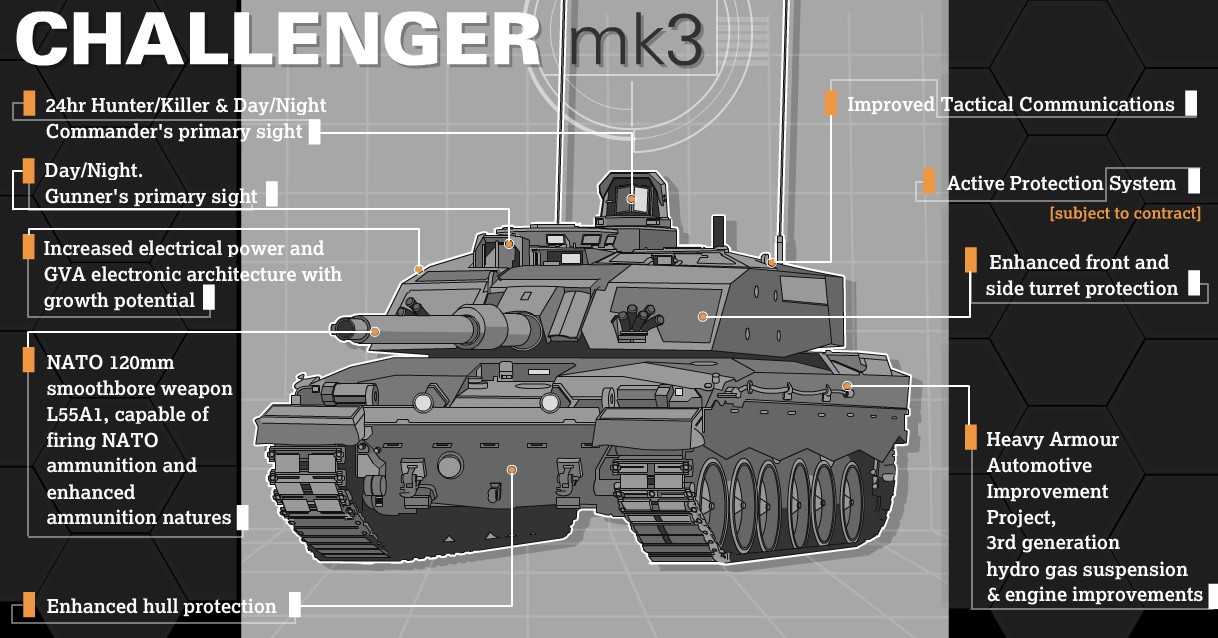
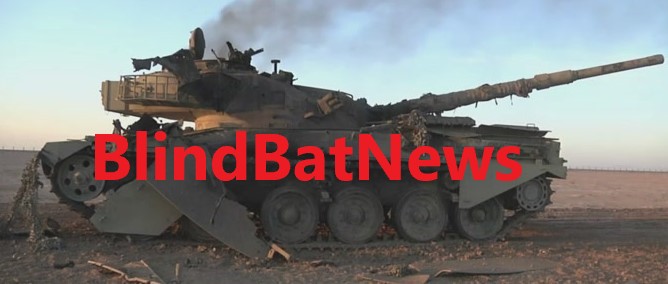
What was ROF to do with all those Lion-2s it was building for Iran? Luckily, the U.K. government was aware that the old Chieftain was far behind other new NATO tanks such as the U.S. M1 Abrams and German Leo-2, the MBT-80 project was having too many problems and was canceled, so they decided to spend the taxpayer’s pounds (at a cost in USD of 1.5-million in 1987 money) on the already in production Lion-2, but changed the name to FV4030/4 Challenger (keeping in the British tradition of naming their battle tanks with words that start with the letter C). With some internal changes from the Shir-2, the Challenger entered service in 1983.
From U.S. Army Graphic Training Aid, Armored Vehicle Recognition, 1987.
In 1986, ROF was taken over by Vickers Defence Systems/Alvis Vickers.
From U.S. Army Graphic Training Aid, Armored Vehicle Recognition, 1987.
The Challenger has the L11A5 120mm riffled-bore main gun.
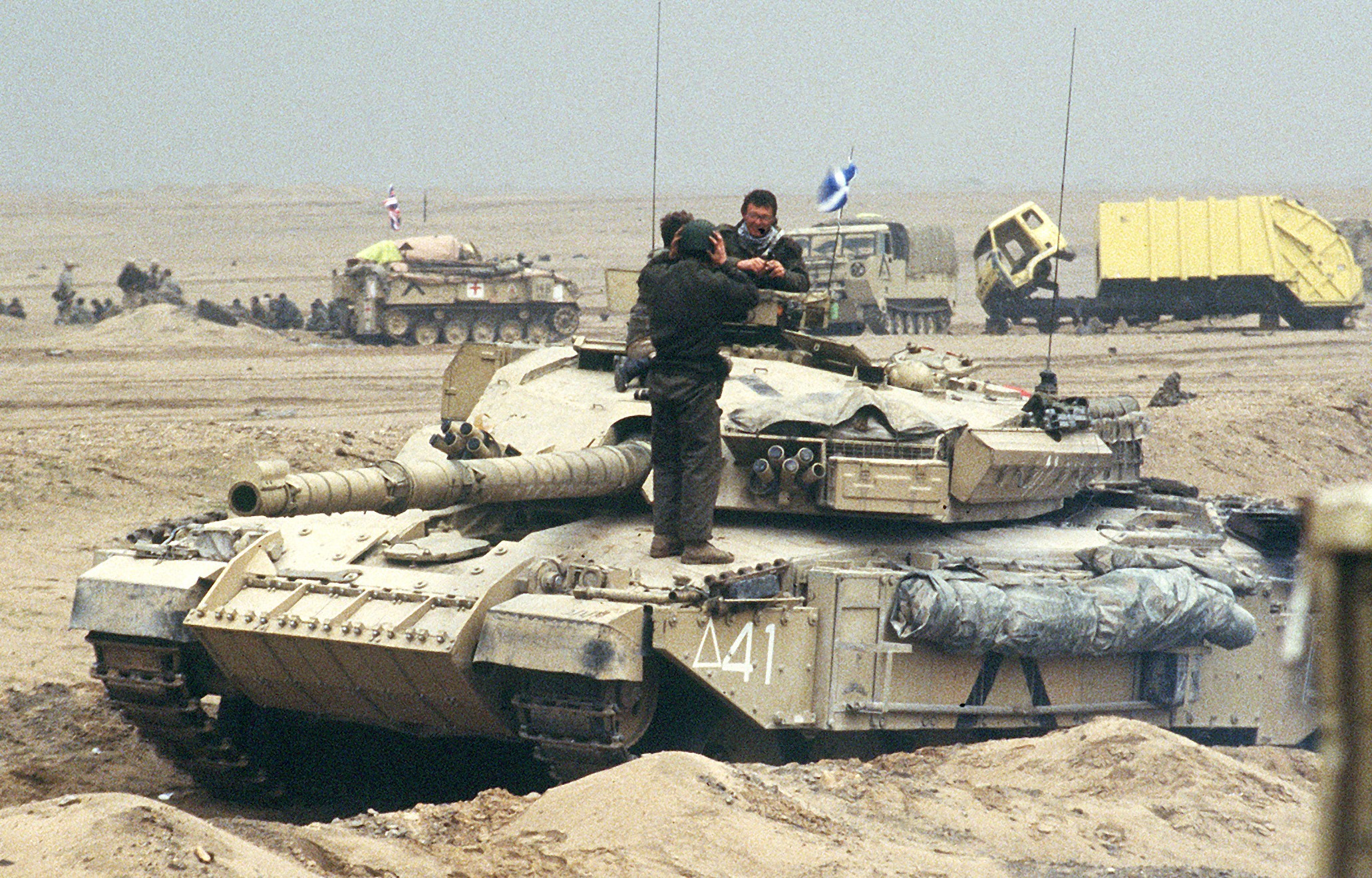
Operation Desert Storm: 17JAN1991–28FEB1991, known as Operation Granby to the British, it was the combat debut of Challenger.
A Challenger during Operation Desert Storm, 28FEB1991. U.S. Navy photo by Chief Petty Officer Holmes.
A Challenger during Operation Desert Storm, 28FEB1991. U.S. Navy photo by Chief Petty Officer Holmes.
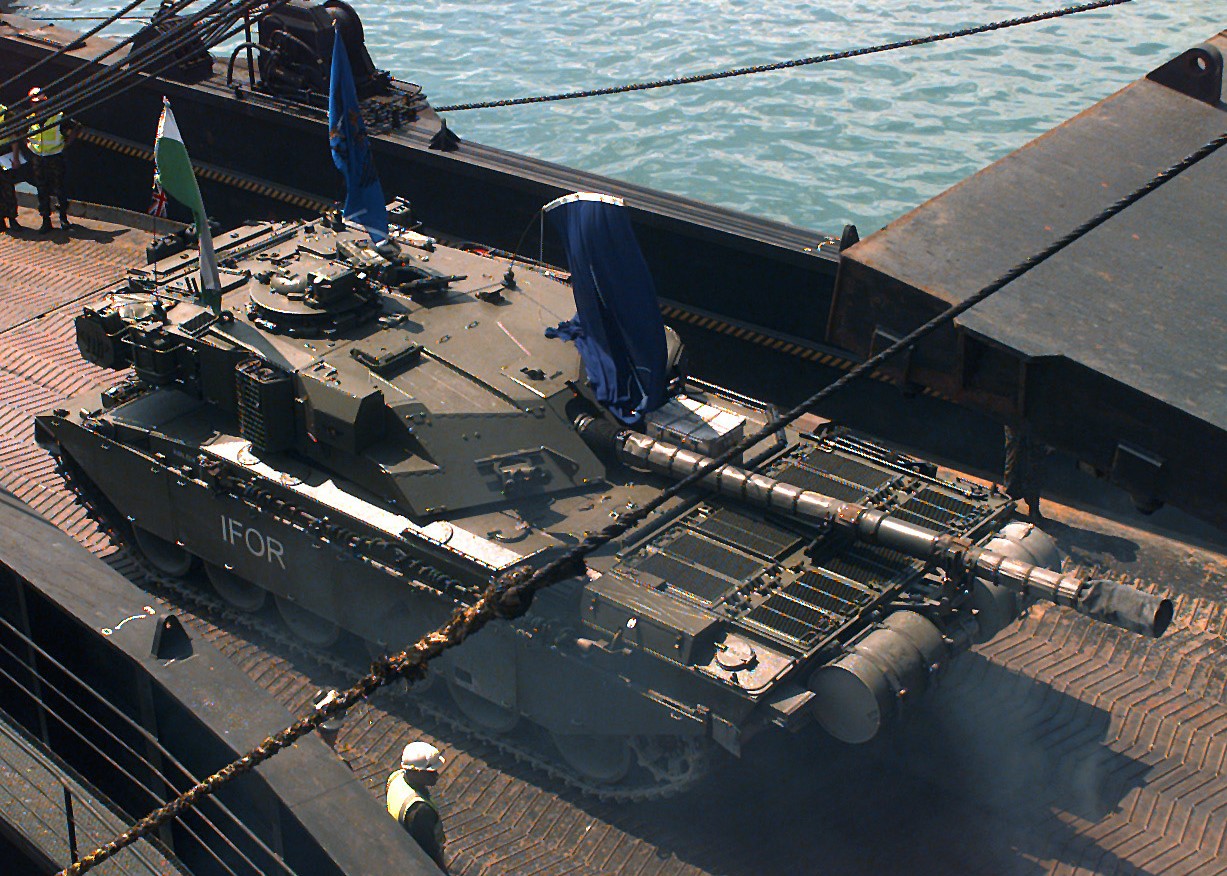
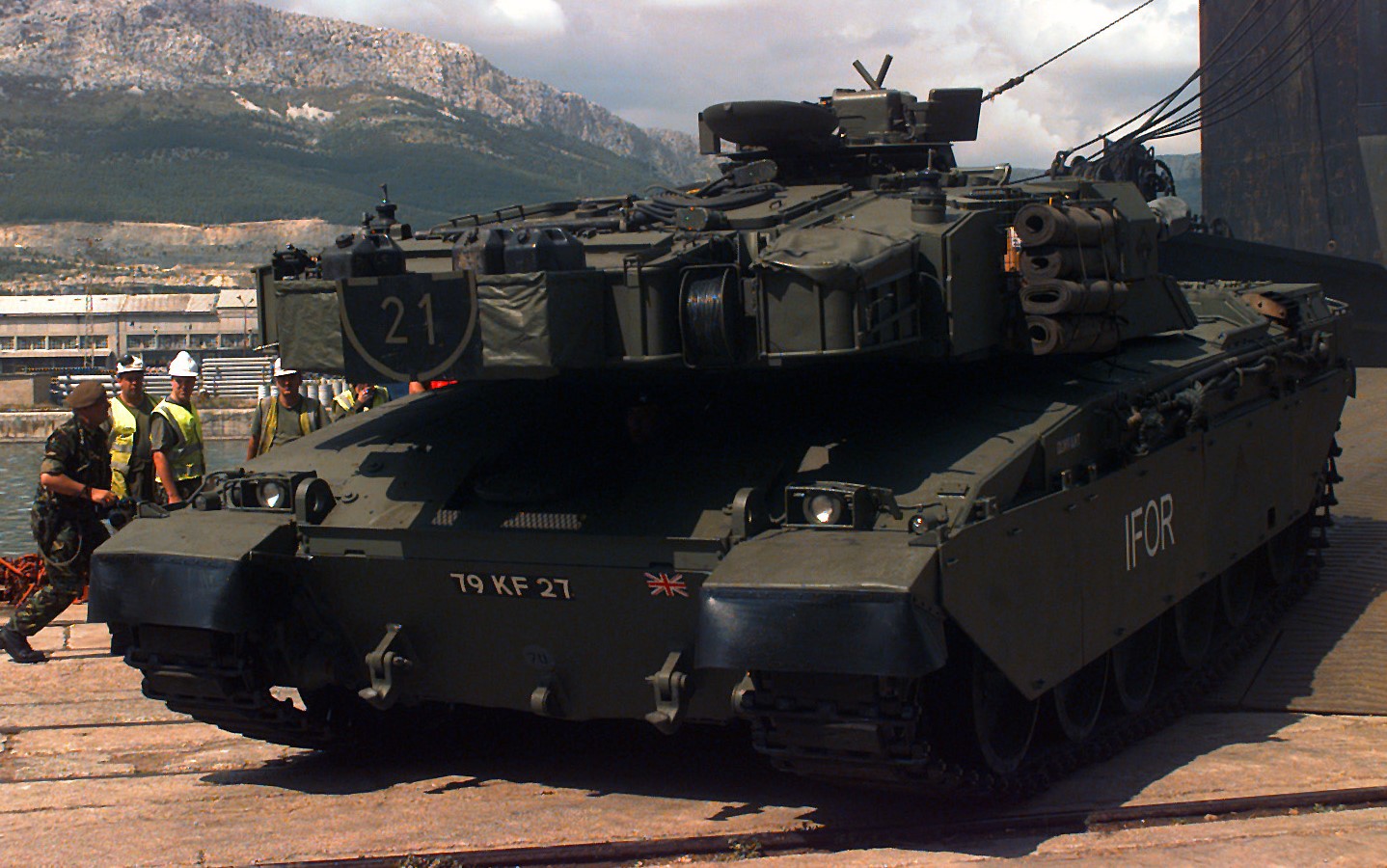
Implementation Force (IFor), Bosnia-Herzegovina: 20DEC1995 to 20DEC1996.
A Challenger is off-loaded from a Russian cargo ship, Vladimir Vaslyaev, in Croatia, reporting for IFOR duty in Bosnia-Herzegovina, 23JUN1996. U.S. Army photo by Sergeant Brian Gavin.
A Challenger is off-loaded from a Russian cargo ship, Vladimir Vaslyaev, in Croatia, reporting for IFOR duty in Bosnia-Herzegovina, 23JUN1996. U.S. Army photo by Sergeant Brian Gavin.
Stabilization Force (SFor), Bosnia-Herzegovina: January 1997 to December 2004.
Bosnia-Herzegovina, 1997. Photo via The British Army’s National Army Museum, photo by Richard Stickland.
CHALLENGER-2:
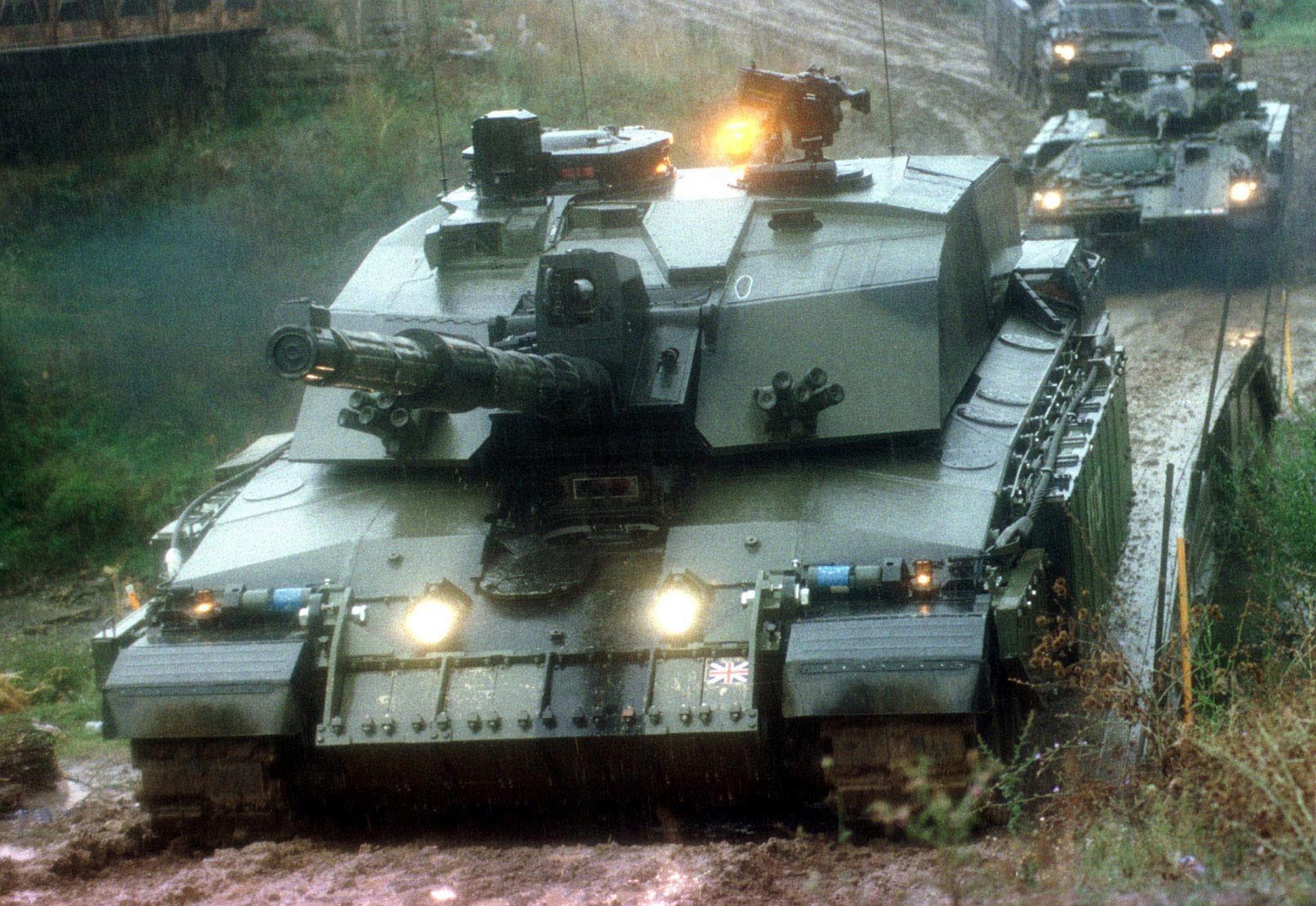
Already in 1986, Vickers Defence Systems (eventually taken over by BAE Systems) began work on a better Challenger, due to its lack of performance against the M1 Abrams and Leo-2. Production began in 1993. In 1994, the first production Challenger-2 failed to pass the acceptance trials, changes had to be made on the production, but the tank finally entered service in 1998. FV4034 Challenger-2 is an improved version of Challenger, with a newly designed turret and the 120mm L30A1 rifled-bore main-gun. 97% of the tank is new and almost none of the parts can interchange with the old Challenger.
Never ending UN/NATO ‘Peacekeeping’ in Bosnia-Herzegovina and Kosovo (KFor), June1999 to present.
Kosovo Battle Group. United Kingdom Ministry of Defence/Crown photo, September 2000.
By 2002, the last production Challenger-2 was delivered, just in time to invade Iraq.
Invasion of Iraq/Operation Iraqi Freedom: March 2003, combat debut of Challenger-2, known as Operation Telic to the British.
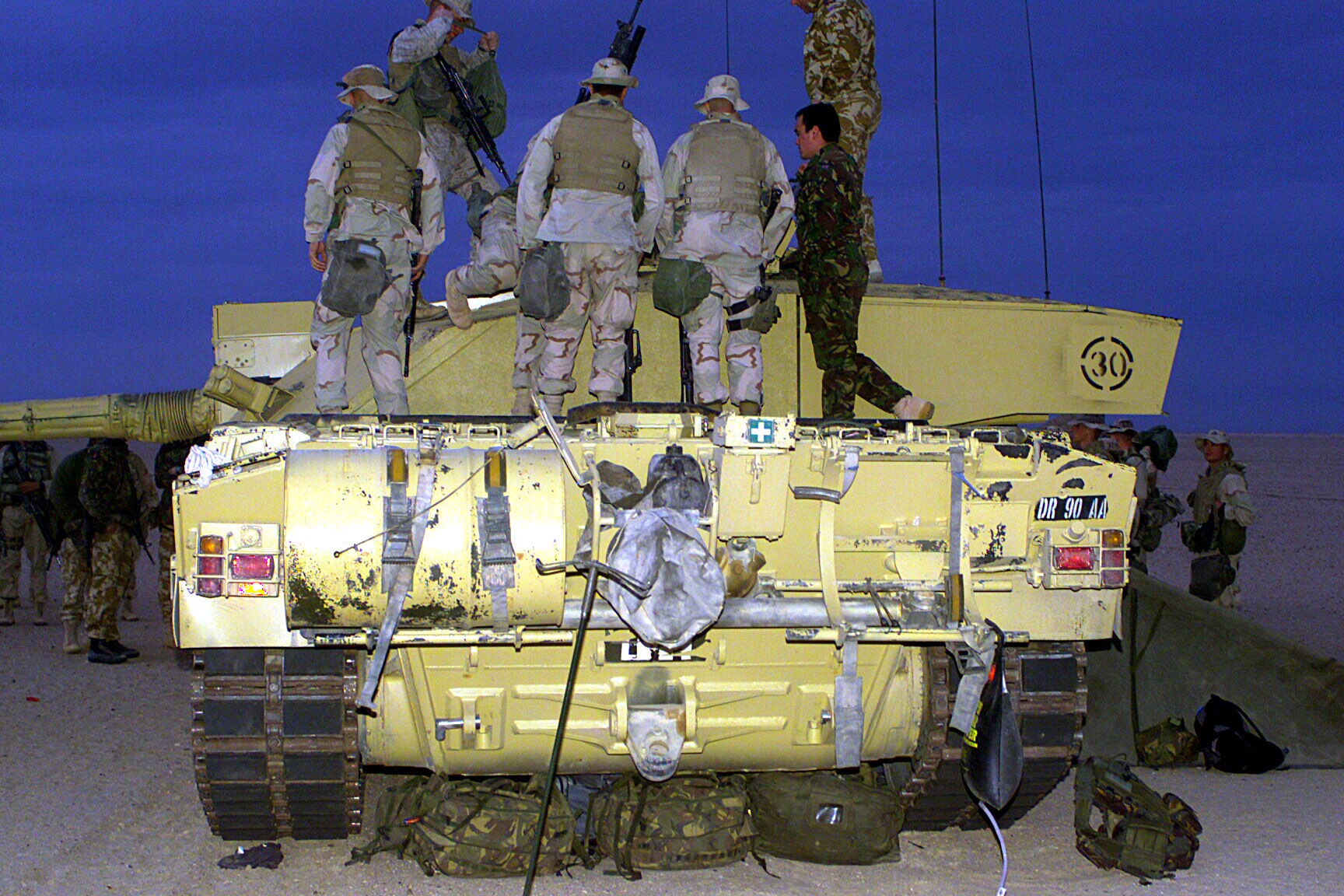
U.S. Marines check out a Royal Red Coat Challenger-2, staged on Camp Coyote, Kuwait, for the ‘done-deal’ invasion of Iraq, 03MAR2003. U.S. Marine Corps photo by Sergeant Paul L. Anstine the Second.
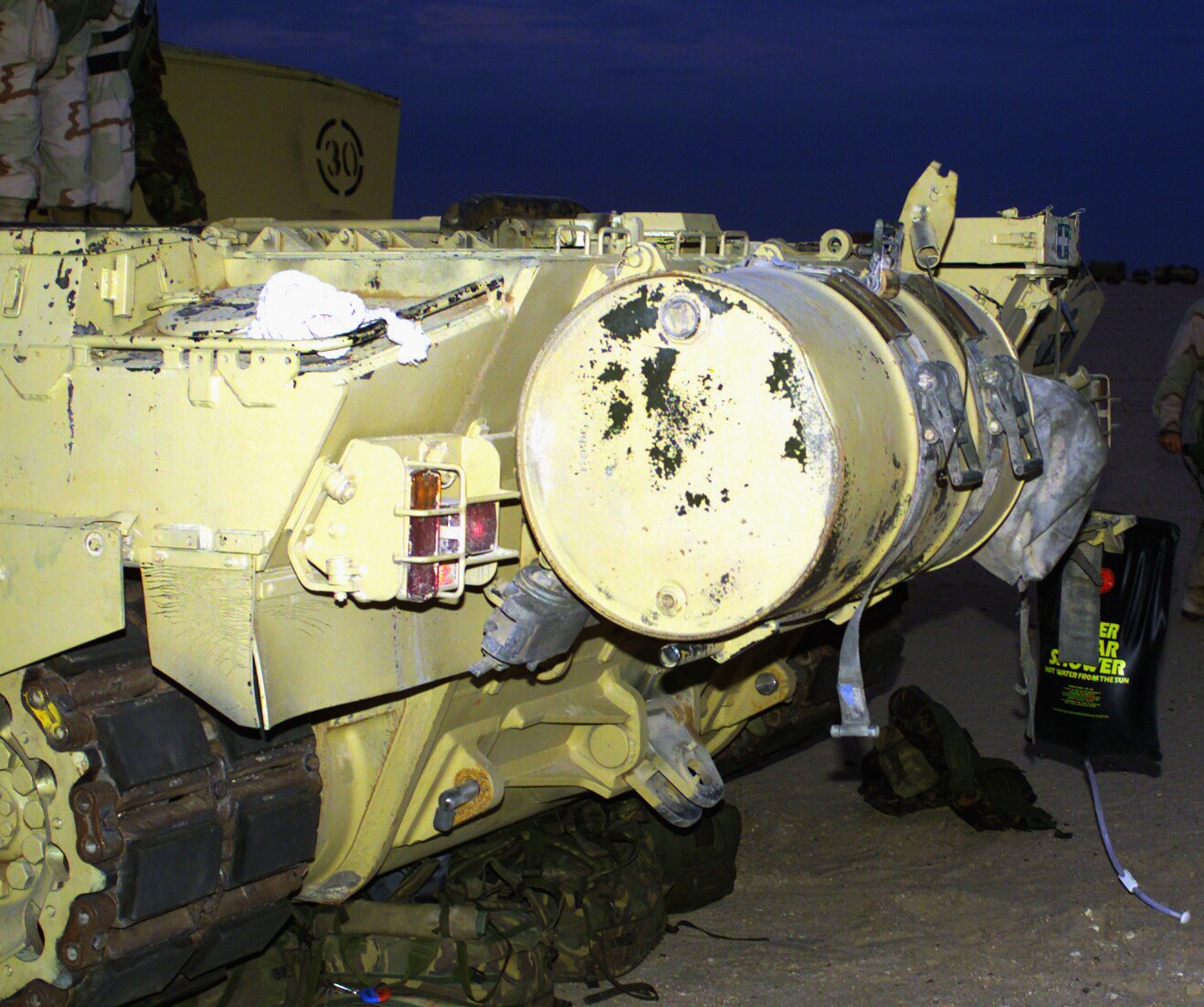
External fuel drum on a Challenger-2, staged on Camp Coyote, Kuwait, for the ‘done-deal’ invasion of Iraq, 03MAR2003. U.S. Marine Corps photo by Sergeant Paul L. Anstine the Second.
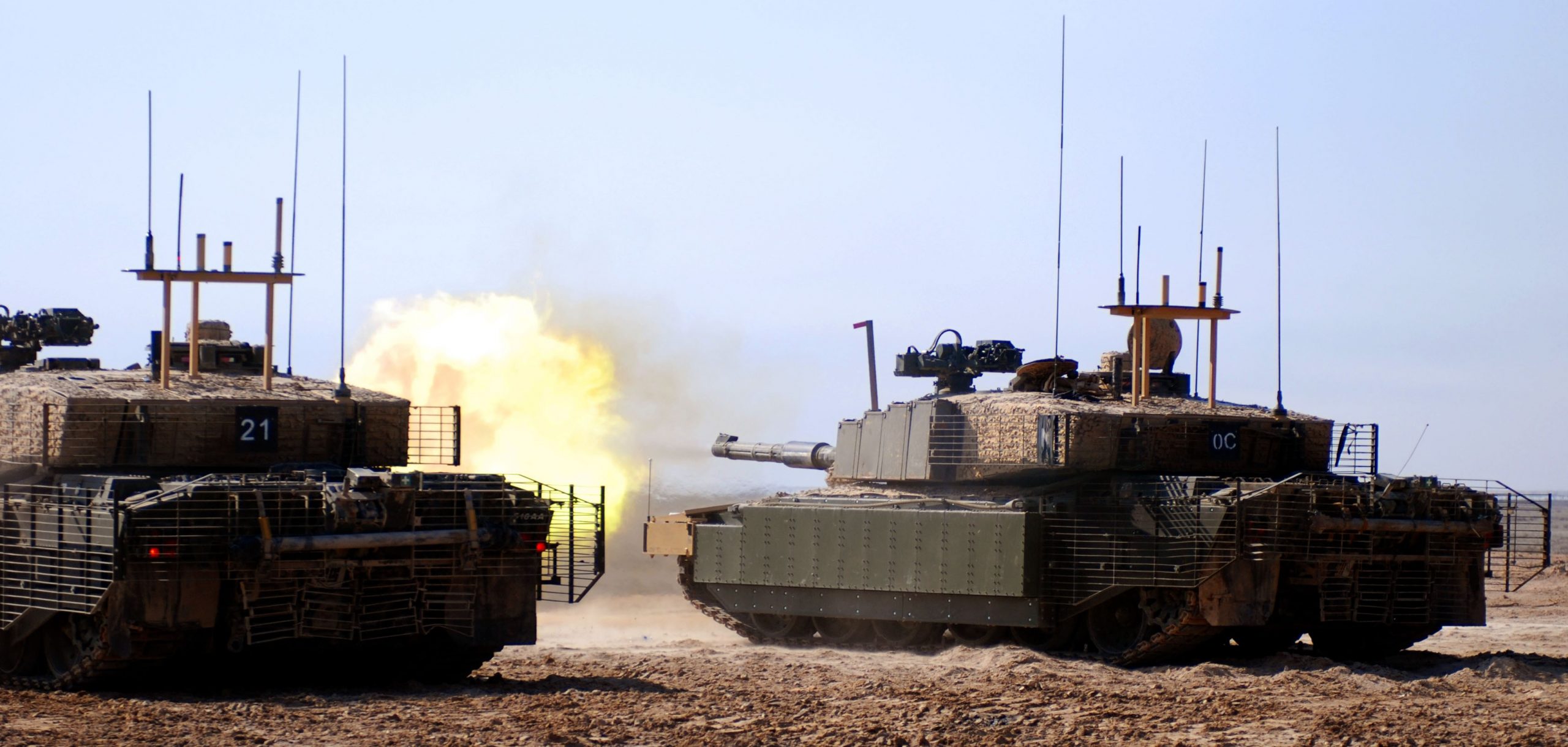
Weighed down by extra armor and electronic anti-IED devices, Challenger-2s practice some live-fire in Basra, Iraq, 17NOV2008. U.S. Army photo by Sergeant Gustavo Olgiati.
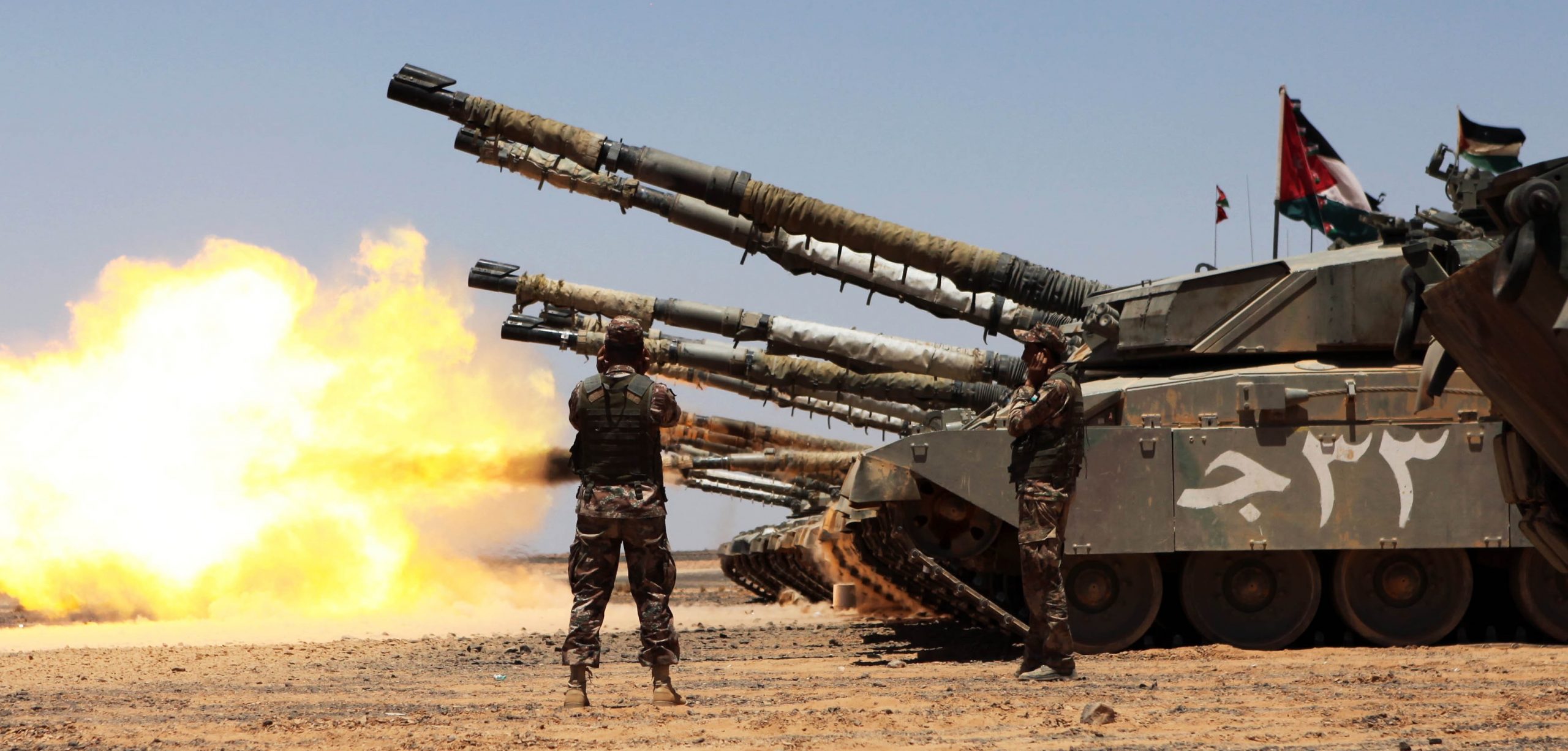
Jordanian Al Hussein (upgraded Challenger 1 FV4030/4). U.S. Marine Corps photo by Sergeant Richard Blumenstein, 07MAY2012.
Ukraine Crisis: February 2014 (NATO backed coup) to present.
NATO video, demonstration of Challenger-2 on Sennelager Training Area, NATO-Germany, 15SEP2016:
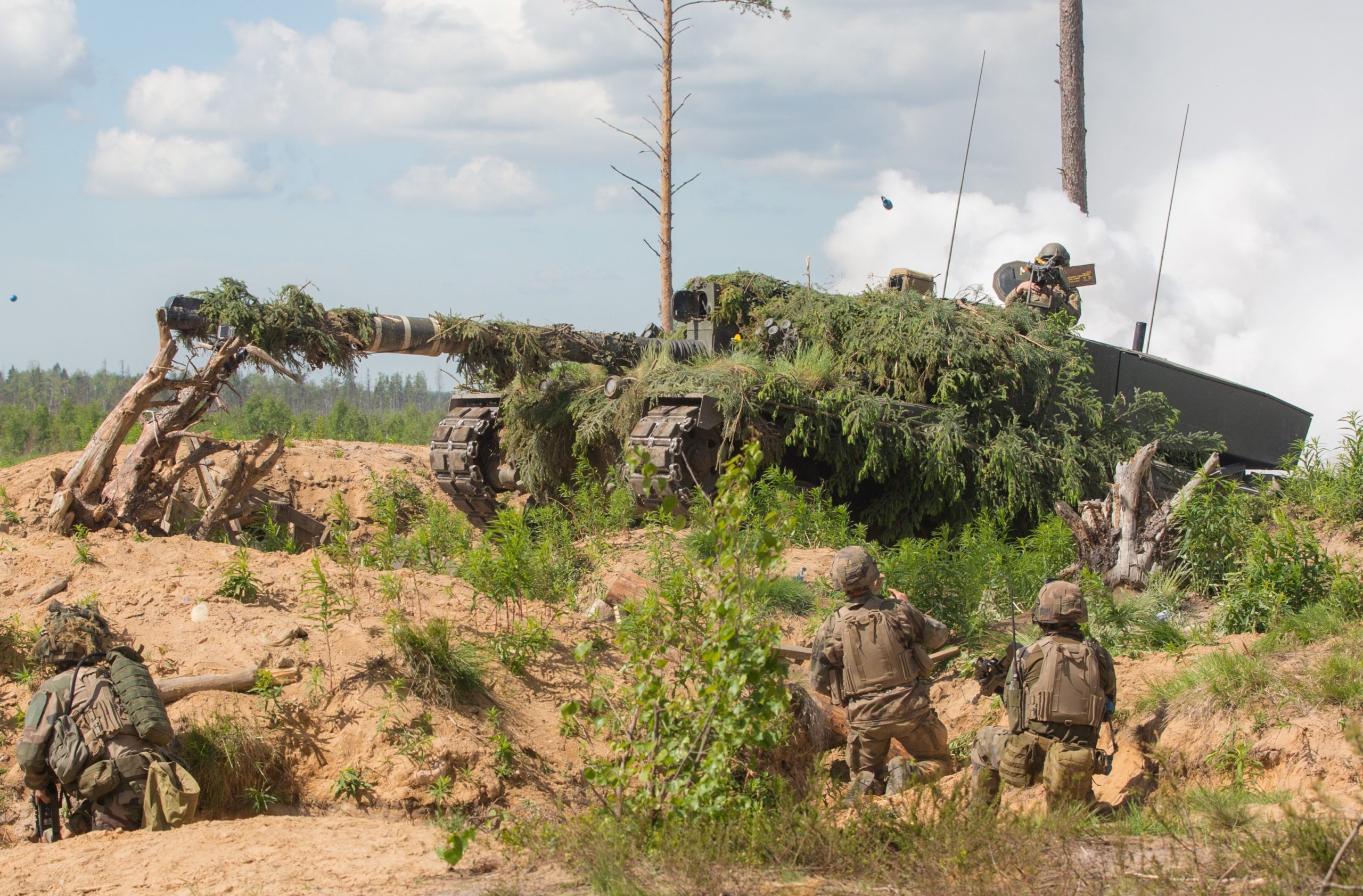
Challenger-2 during wargame in NATO-Estonia, 10JUN2017. U.S. Army photo by Specialist Matthew J. DeVirgilio.
U.S. Army video by Major Charles Calio, Challenger-2s mulling about on Sennelager Training Area, NATO-Germany, 16SEP2017:
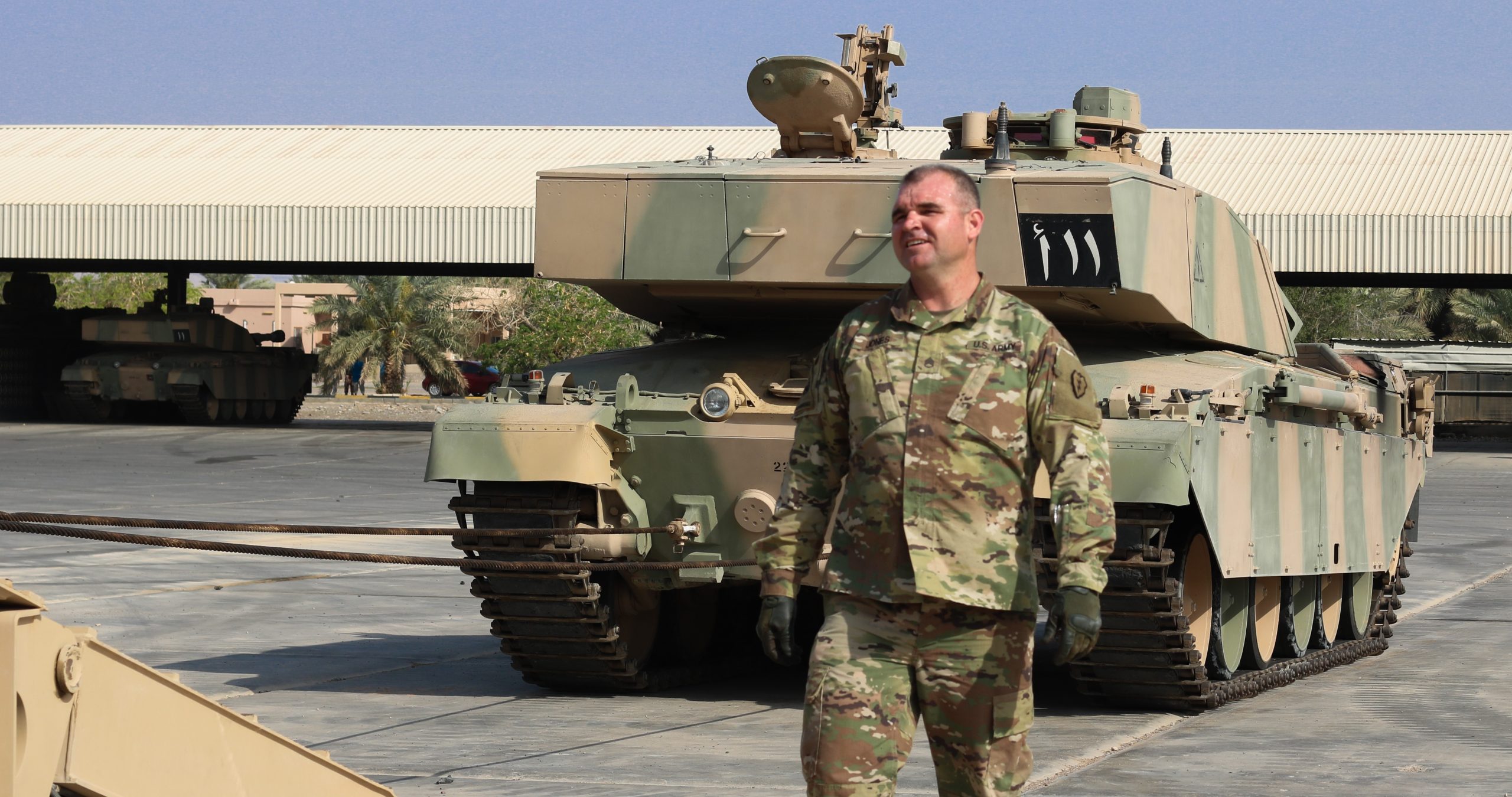
U.S. Army personnel help load a Royal Omani Challenger-2 onto a tractor-trailer/Tank Transporter, 06APR2019. U.S. Army photo by Sergeant Nahjier Williams.
NATO video of Challenger-2s showing off during wargames in NATO-Estonia (on Russia’s border), May 2019. Notice that some of the Challenger-2s are carrying NATO-Latvian pennants on their antenna:
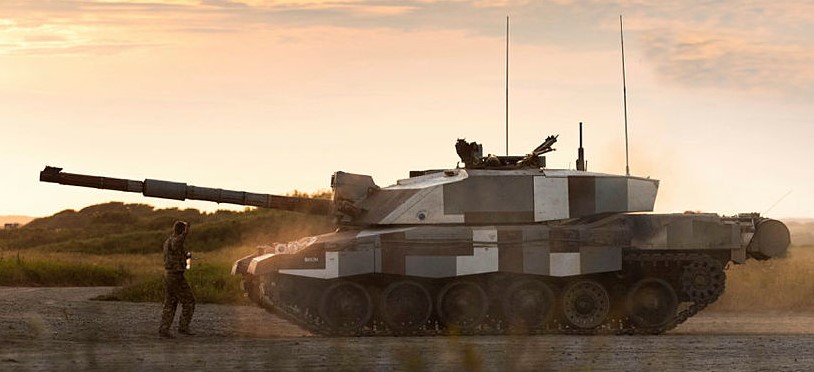
Challenger-2 on Castlemartin Ranges in South West Wales. It is wearing ‘Urban Camo’, developed during the Cold War while occupying West Germany/West Berlin. United Kingdom Ministry of Defence-Crown photo, 15JUL2019.
NATO video showing Challenger-2s during wargame in NATO-Estonia, May 2020:
NATO video by Paris Grabeel, showing Challenger-2 during wargame in NATO Estonia, February 2021:
Quick U.S. Army video, by Specialist Elizabeth MacPherson, showing Challenger-2 during wargame in NATO-Estonia, May 2022:
20 January 2023 (02:57-UTC-07 Tango 06) 30 Dey 1401/27 Jumada t-Tania 1444/29 Xin-Chou 4720/20 январь 2023 года
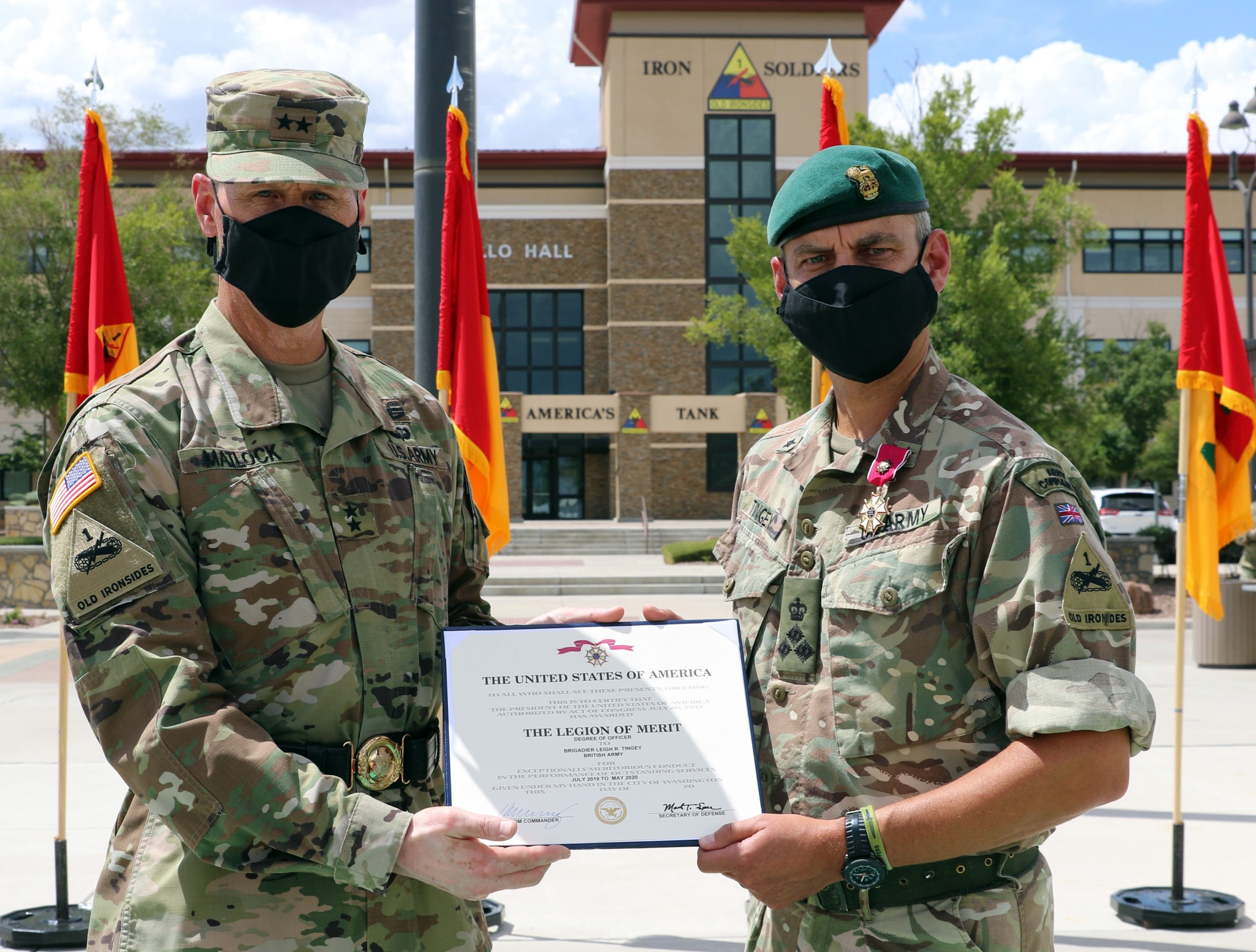
“The presence of a British Brigadier in our divisional command group is one of the key elements that makes the 1st Armored Division a terrific place to serve. Our nation’s leaders have long recognized a special relationship built on trust, mutual respect, shared values between the United Kingdom and the United States of America.”-Major General Patrick Matlock, Commander of Fort Bliss, Texas, July 2020
How many patriots, yankees, U.S. taxpayers, knew that for just under two years the U.S. First Armored Division had a deputy commander from NATO-United Kingdom?
Major General Patrick Matlock awards the Legion of Merit to Royal Army Brigadier Leigh Tingey, during a farewell ceremony on Fort Bliss, Texas, 23JUL2020. U.S. Army? photo by Jean S. Han.
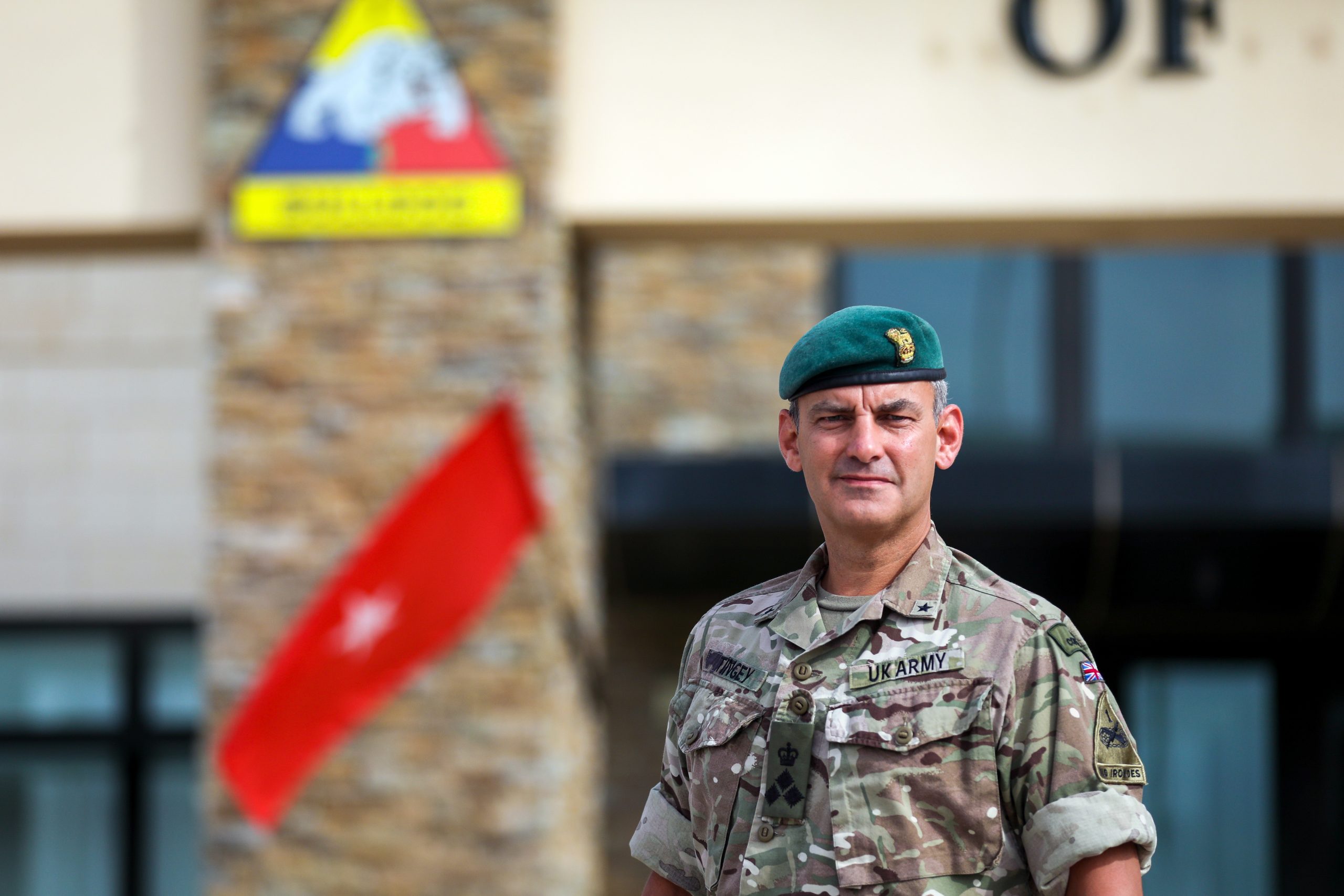
Red Coat, I mean, Royal Army Brigadier General Leigh Tingey was deputy commander of the 1st Armored Division, on Fort Bliss, Texas, from August 2018 to July 2020. But wait, there is more, Tingley was the second such Red Coat to serve as deputy commander of U.S. forces within the United States! According to a 1st Armored Division 28JUL2020 press release, by Jean S. Han, as of July 2020 at least 2-thousand-5-hundred Red Coats, and their families, are serving on U.S. military bases in 28 states!
U.S. Army? photo by Private First Class Matthew Marcellus, 01JUL2020.
Han ended the press release by stating that Brigadier Tingey will use his experience on Fort Bliss to benefit the Royal Army.
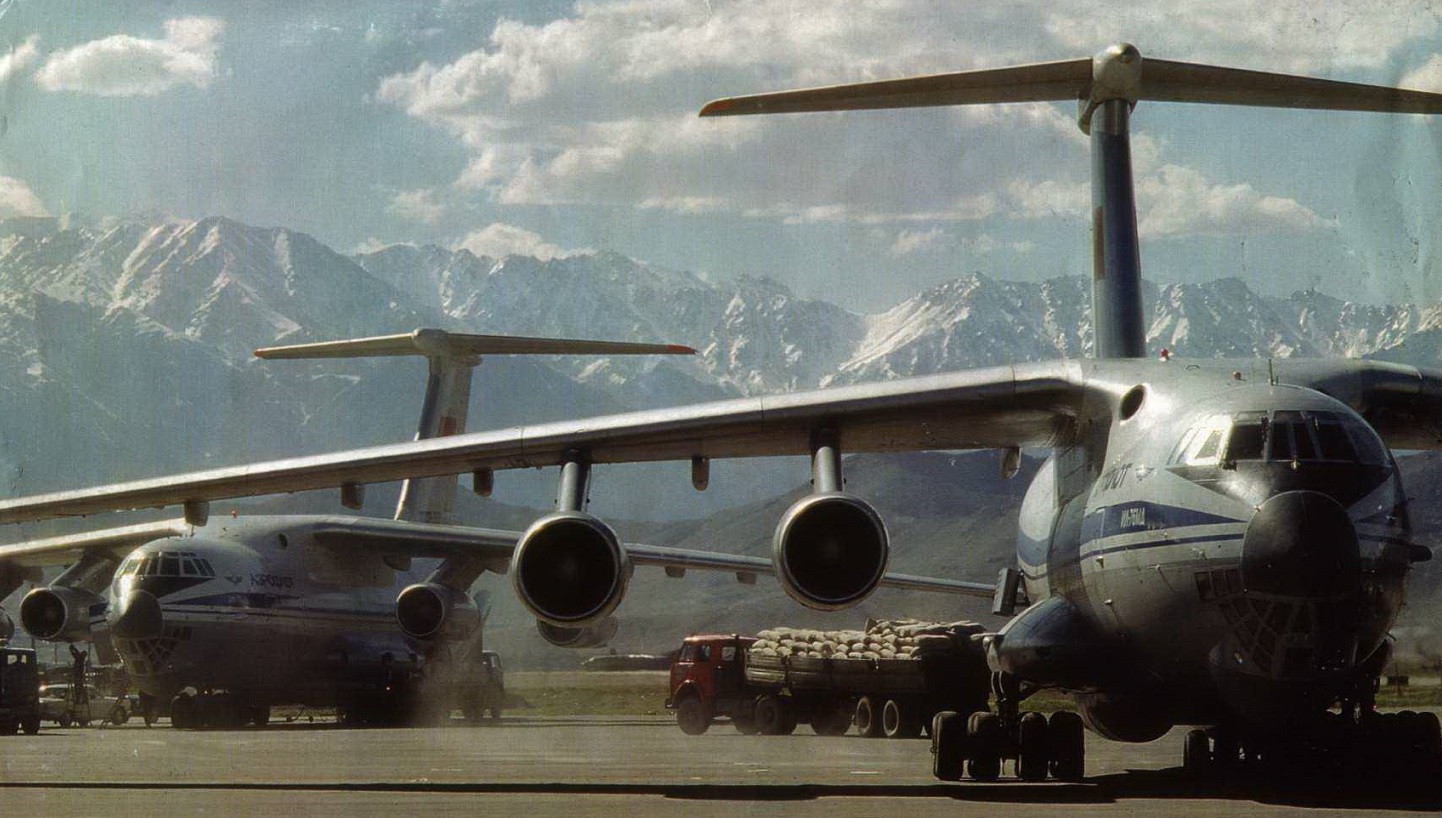
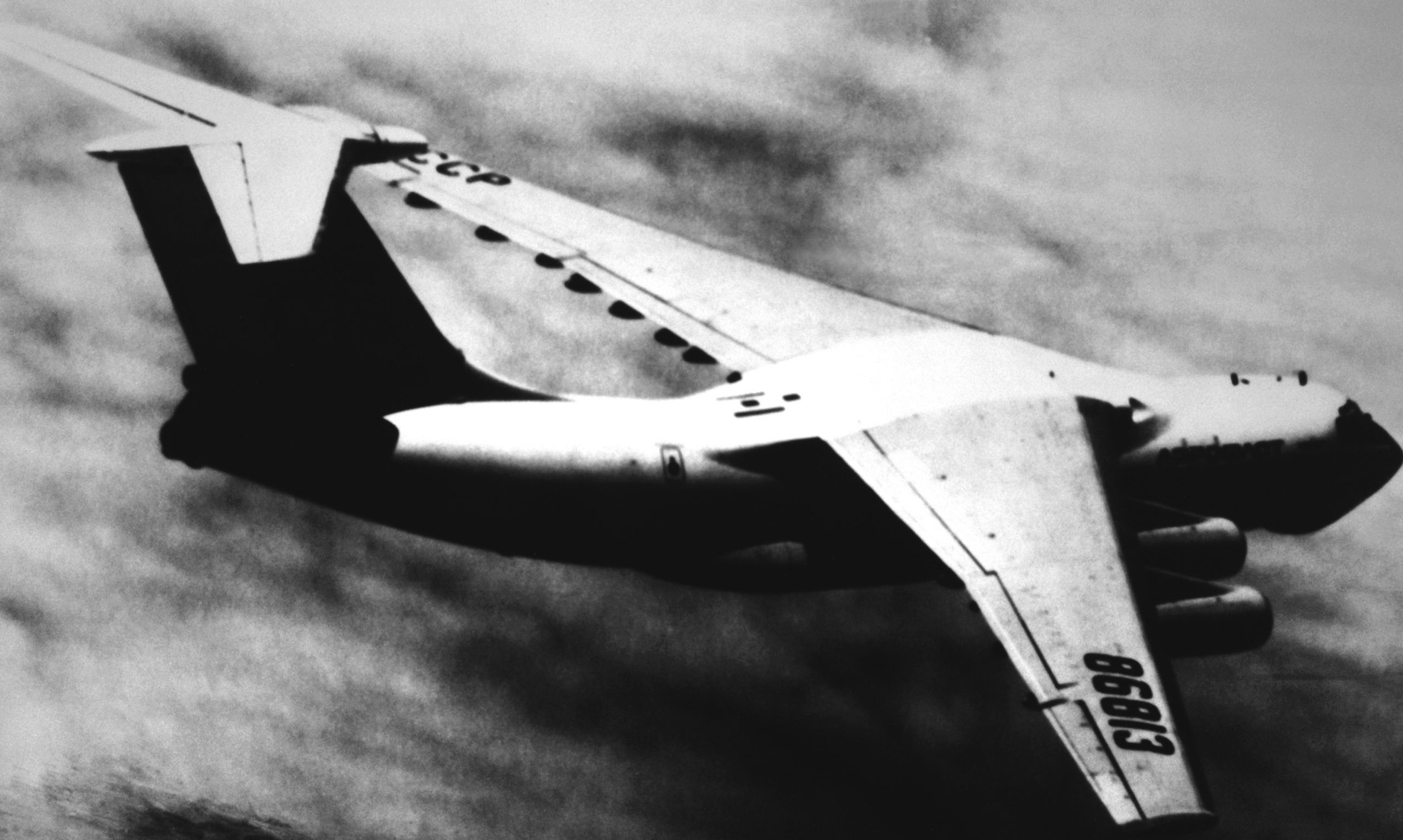
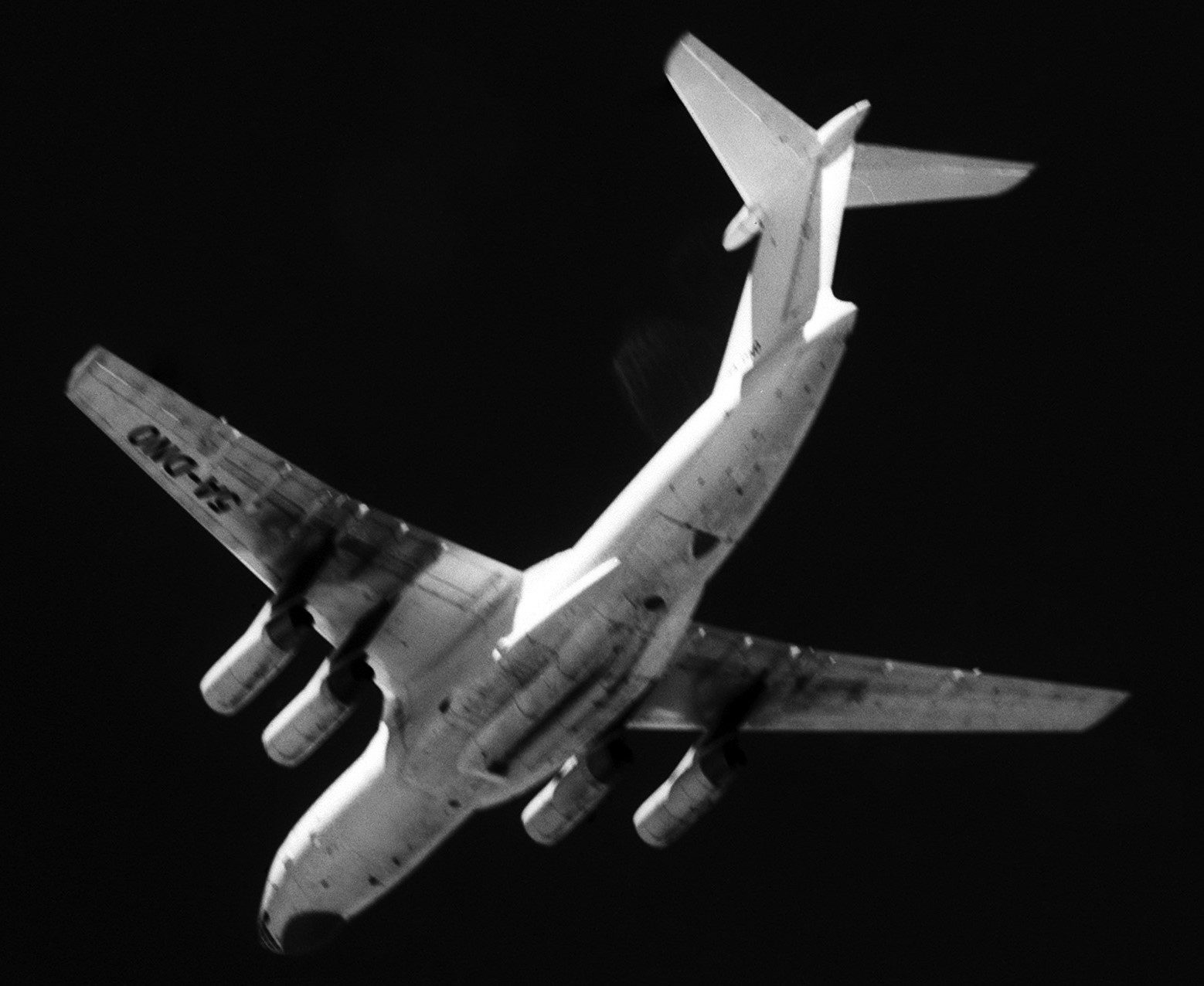
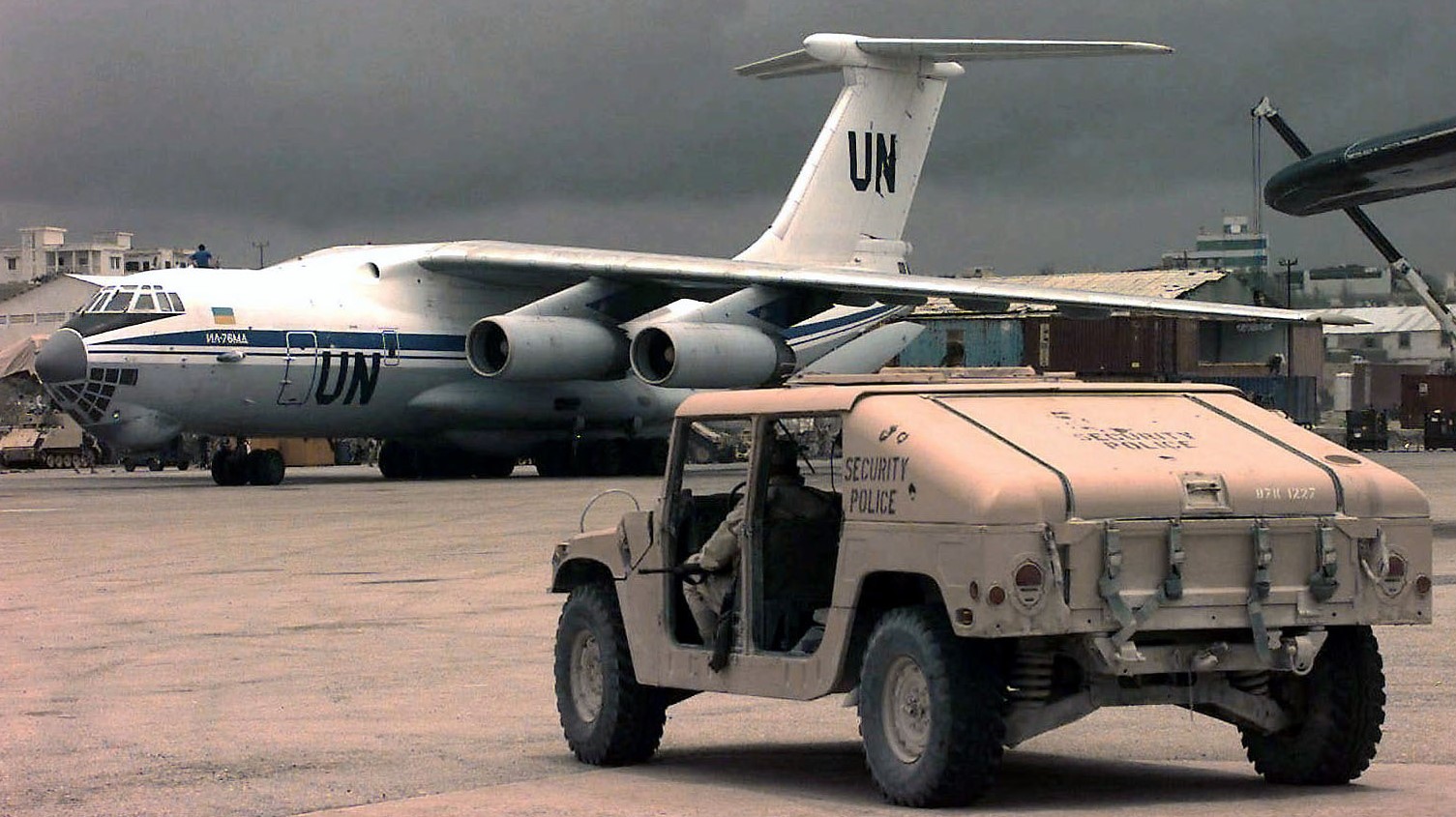
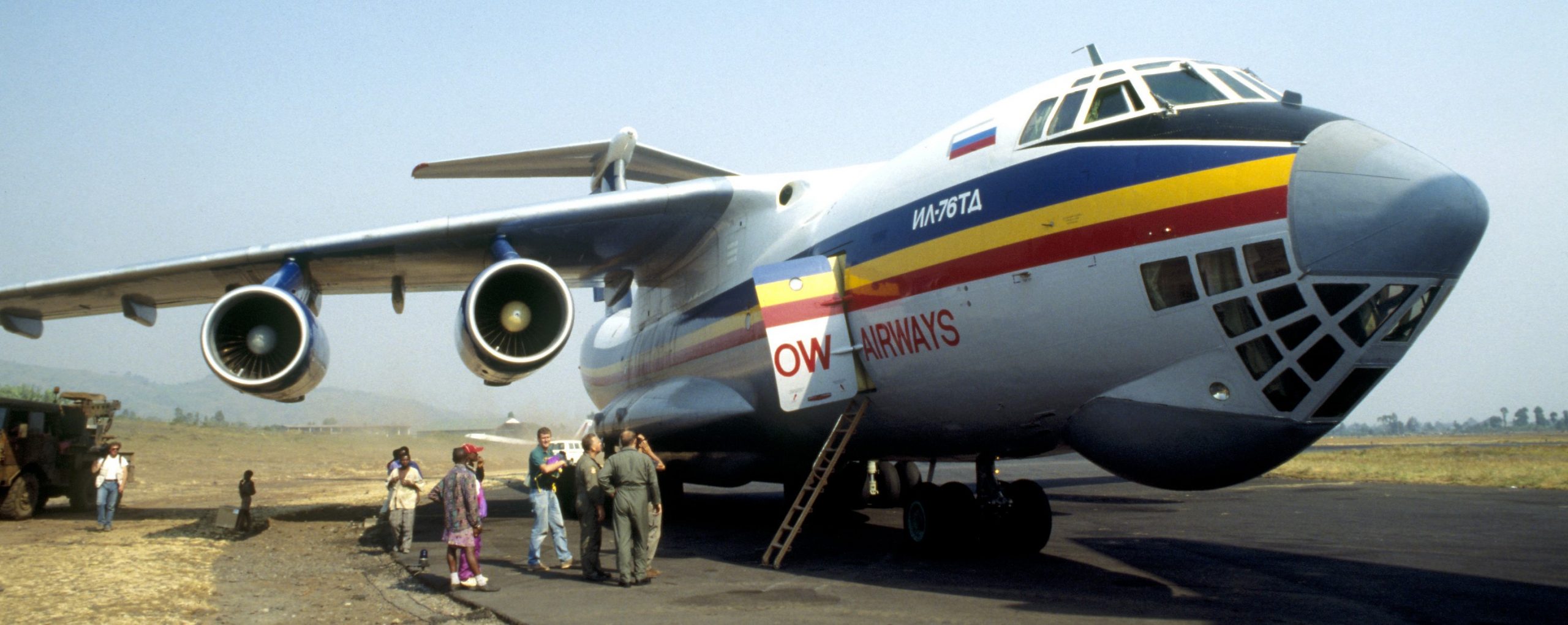
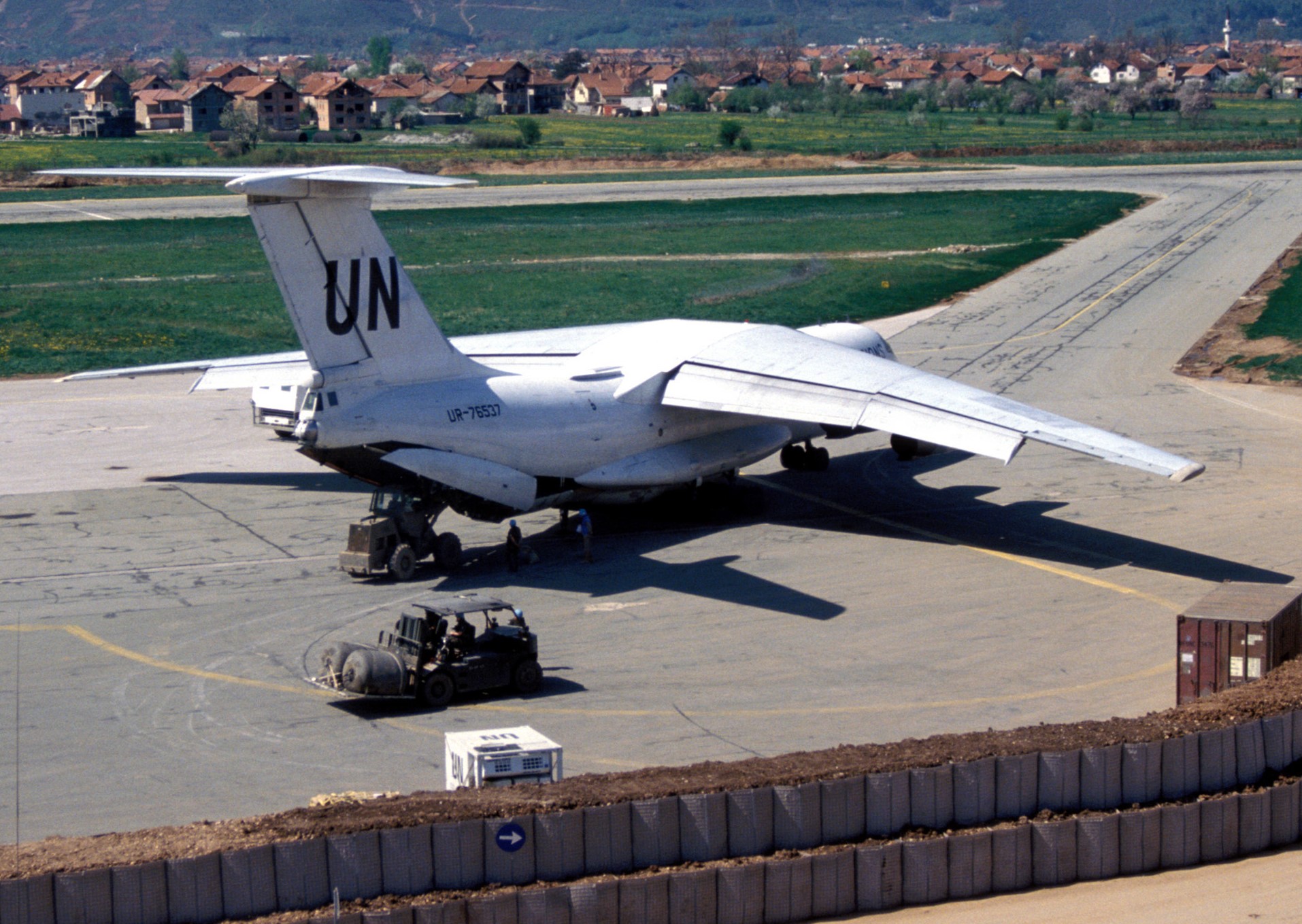
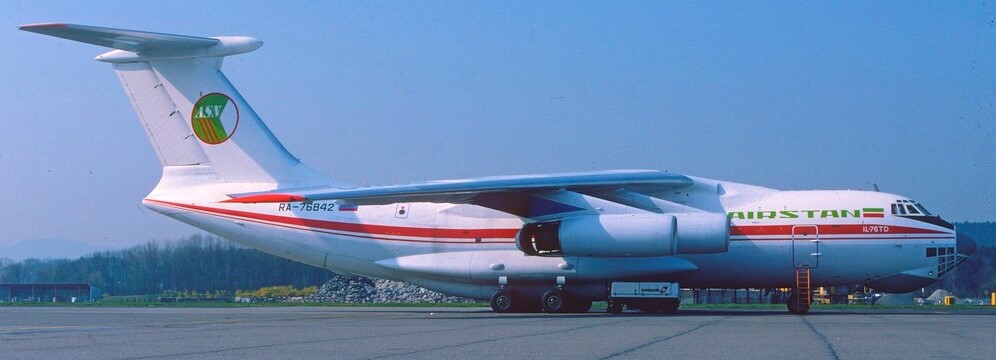
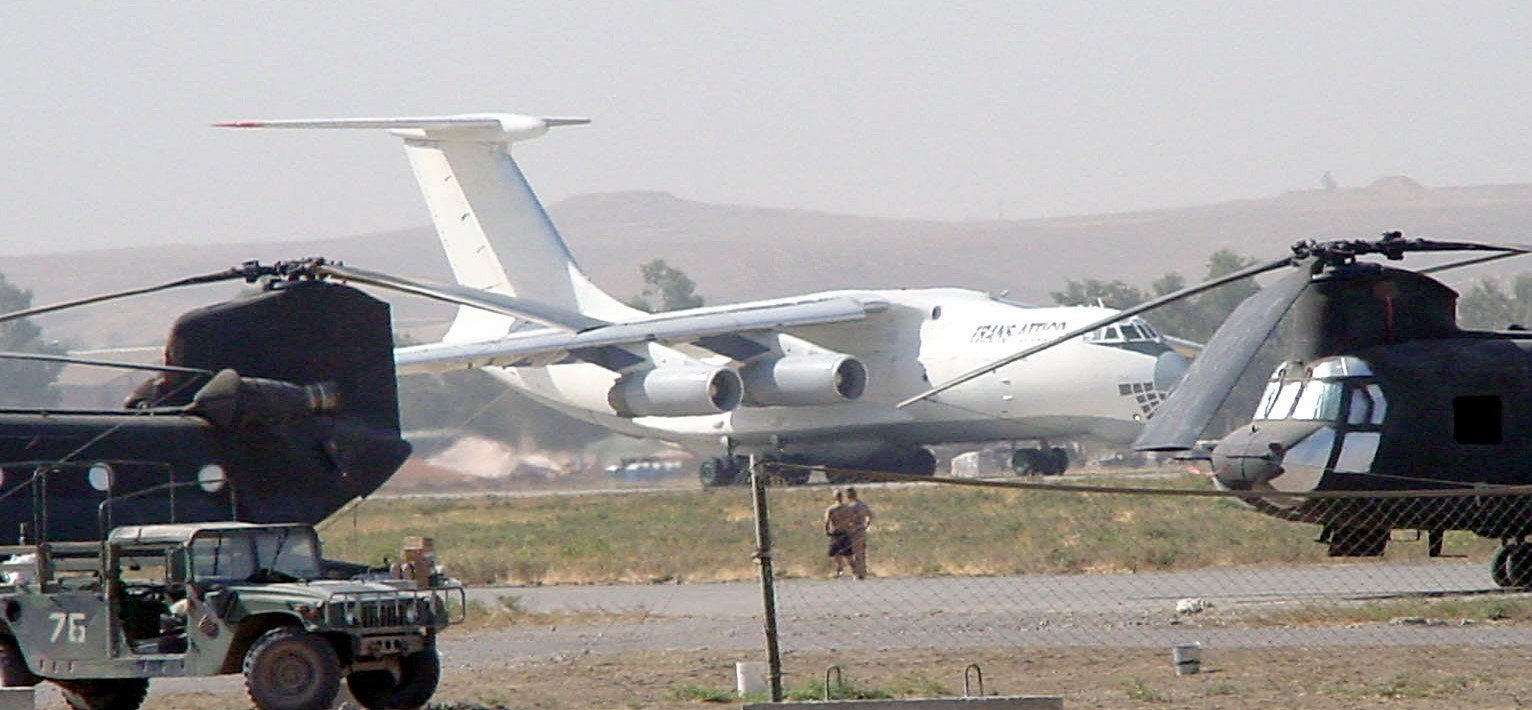
Ukrainian Il-76 in United Nations ‘peacekeeping’ service on Moi International Airport, Mombasa, Kenya, November 1992.
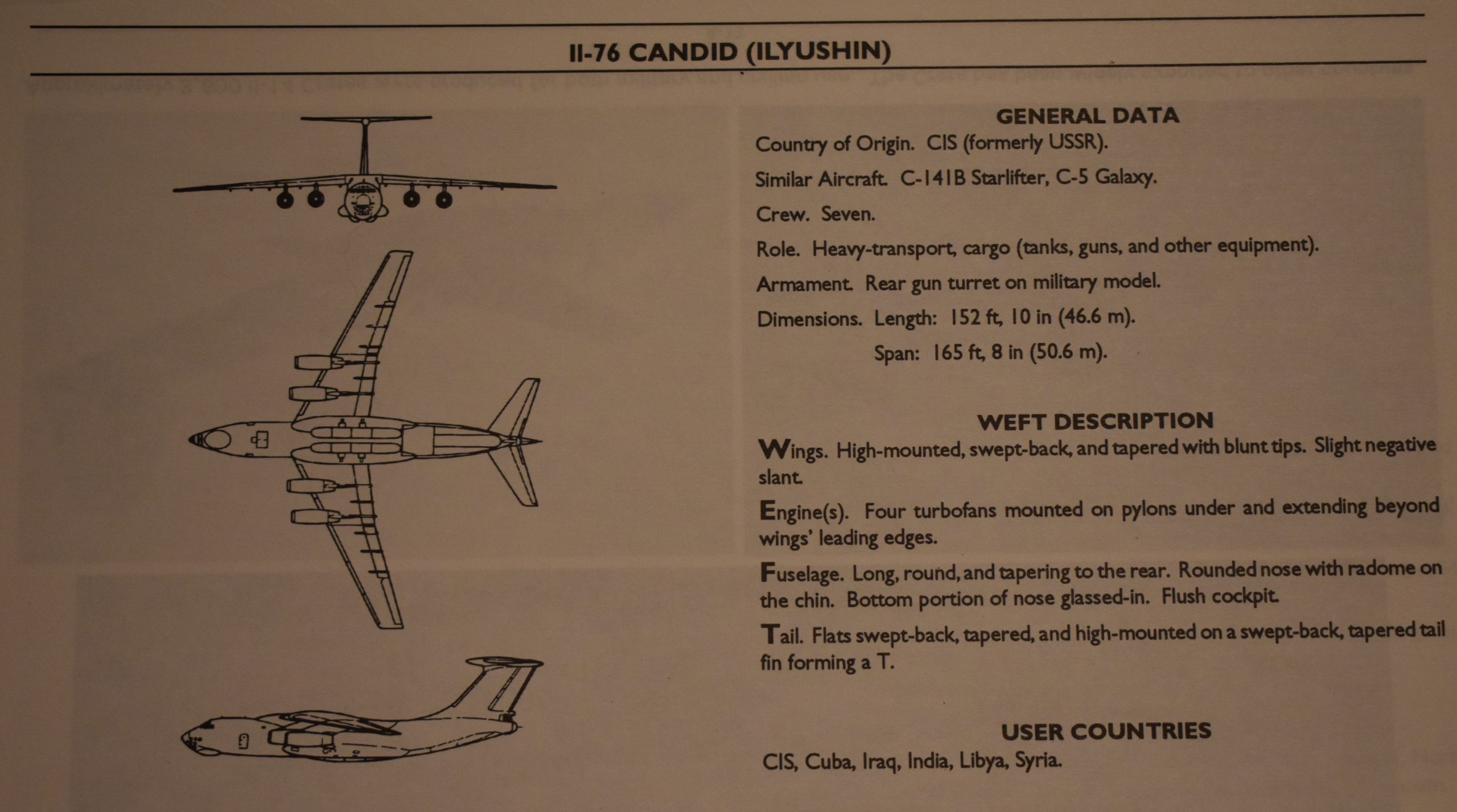
From U.S. Army FM 44-80, Visual Aircraft Recognition, July 1993 edition.
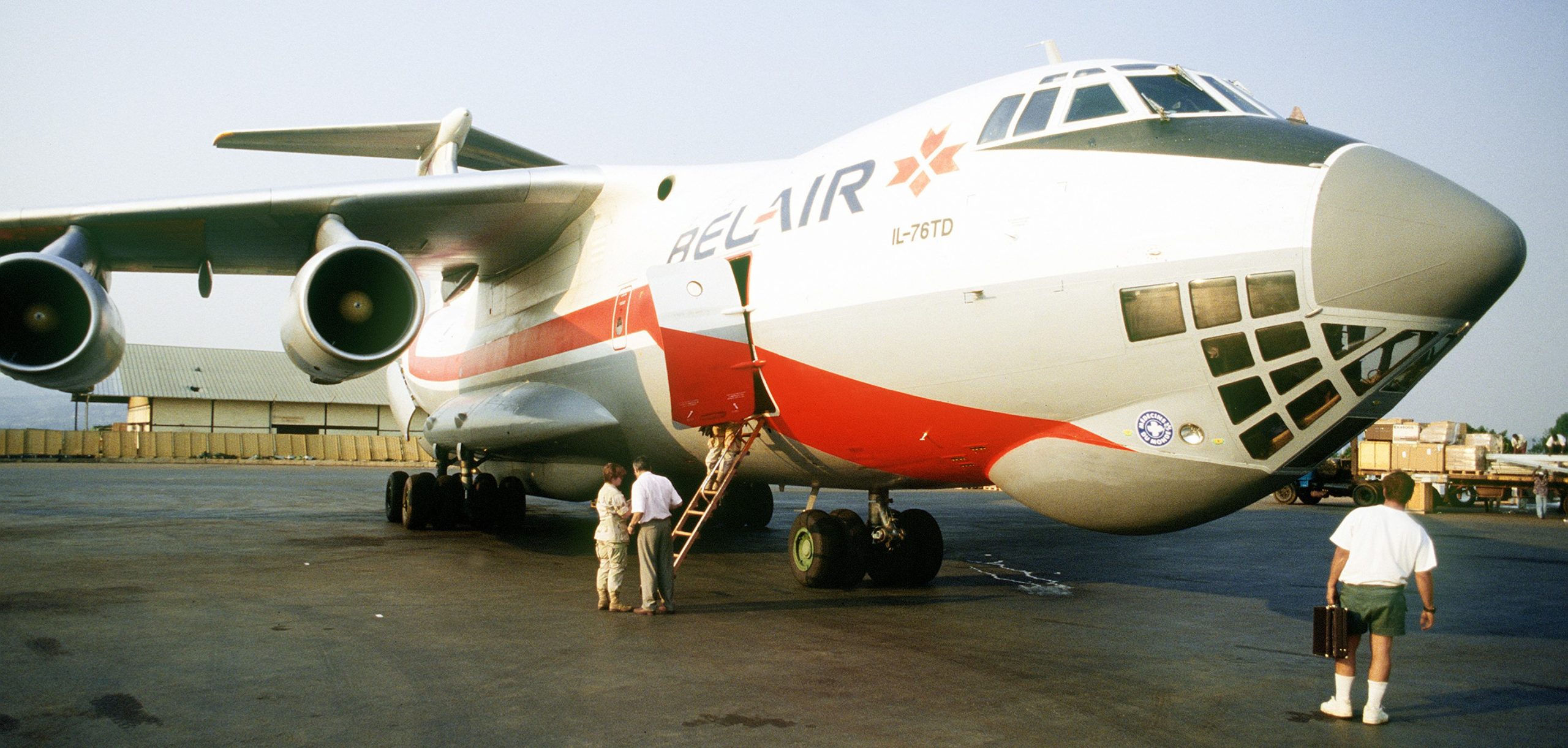
A Russian Il-76 delivers humanitarian aid at Goma Airport (then part of Zaire), for the Rwandan refugees, 03AUG1994. U.S. Air Force photo by Technical Sergeant Val Gempis.
Another contracted Il-76 delivers humanitarian aid from Canada on Goma Airport (then part of Zaire), for the Rwandan refugees, 03AUG1994. U.S. Air Force photo by Technical Sergeant Marvin Krause.
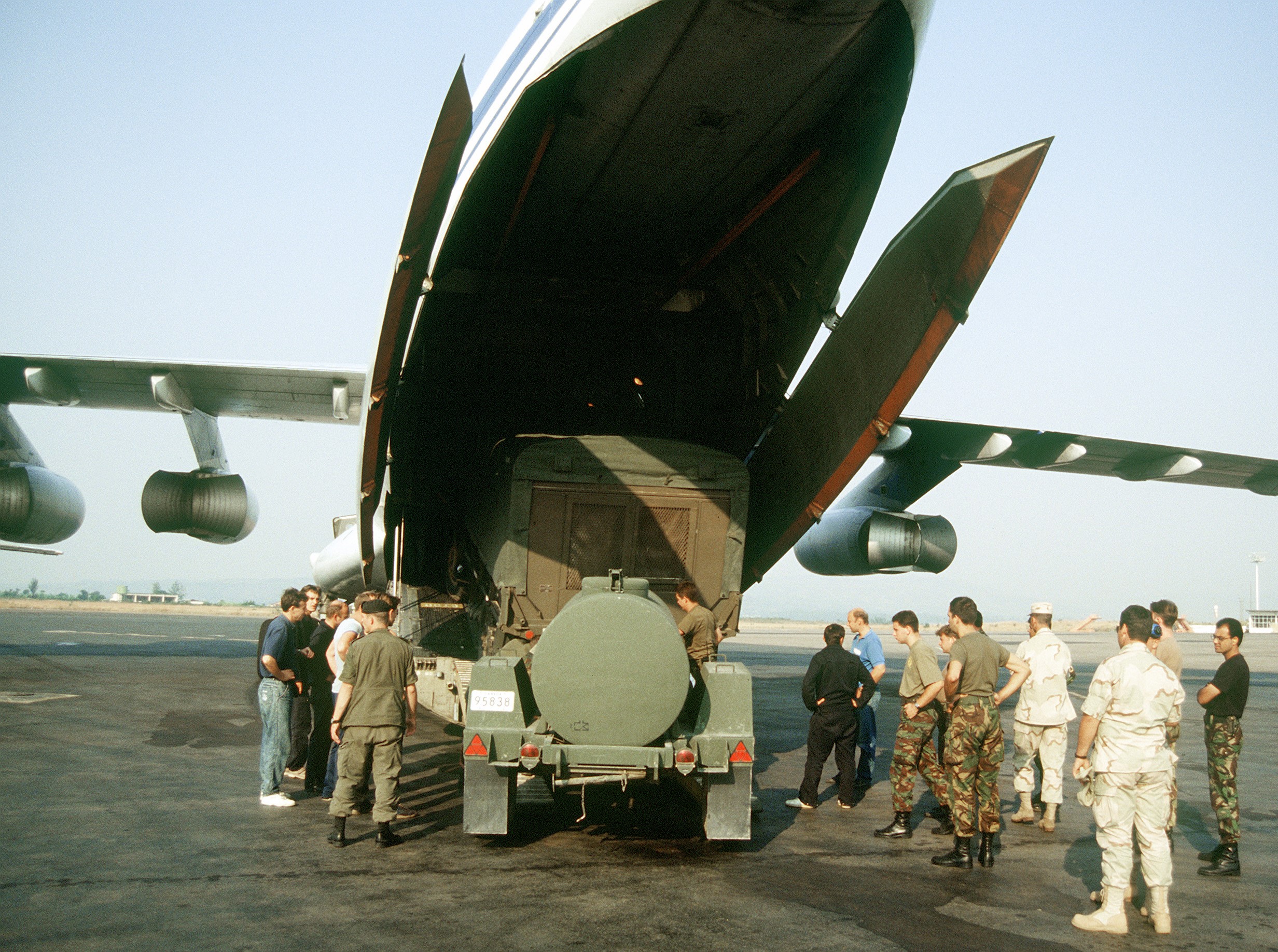
Russian Il-76 off-loads NATO-Canadian military equipment on Kigali Airport, Rwanda, 05AUG1994. U.S. Air Force photo by Technical Sergeant Marvin Krause.
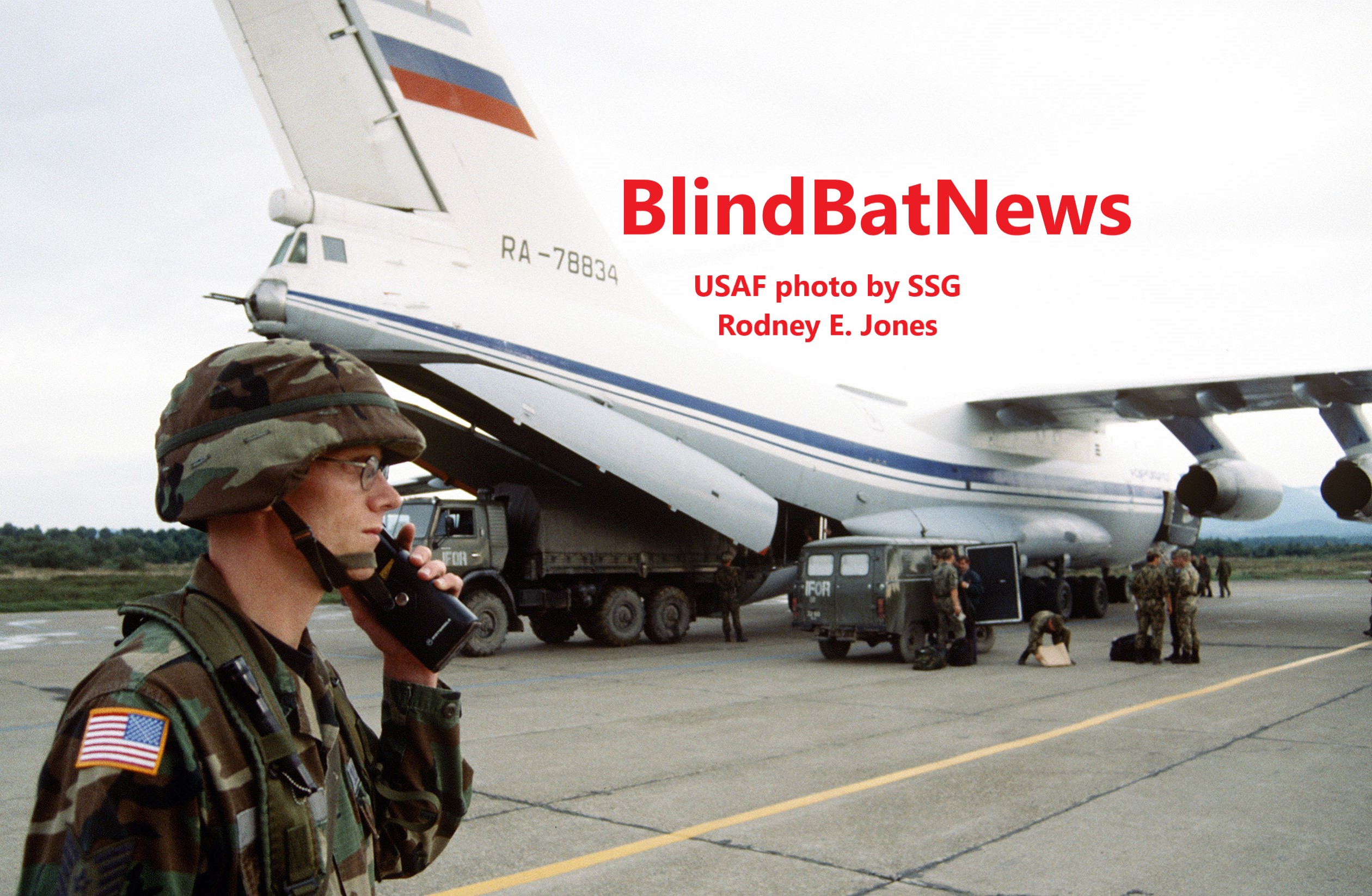
Russian Il-76 serving in the United Nations ‘peacekeeping’ operations, Sarajevo Airport, Bosnia-Herzegovina, 09JUN1995. U.S. Air Force photo by Master Sergeant Michael J. Haggerty.
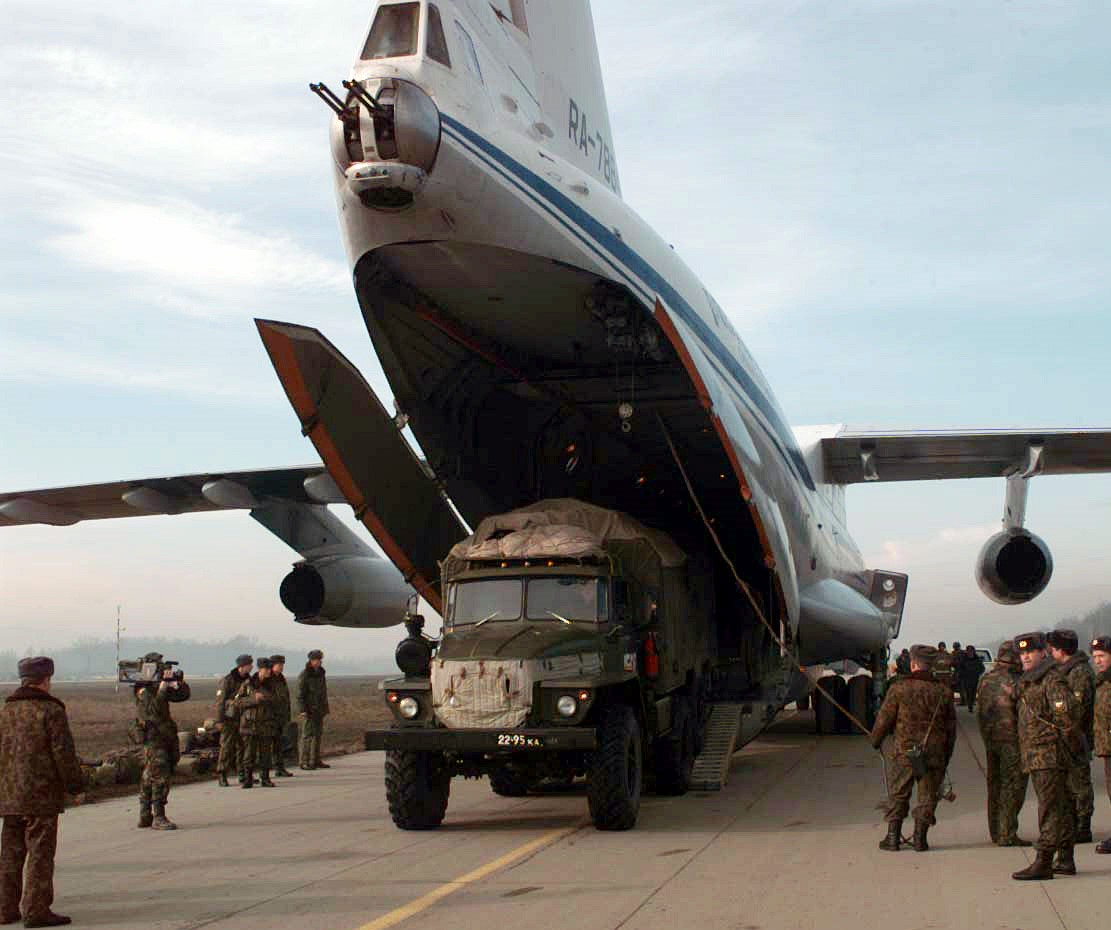
Russian vehicles roll off an Il-76 onto Tuzla Air Base, Bosnia-Herzegovina, 12JAN1996. USAF photo by Senior Airman Ken Bergmann.
Notice the military versions of the Il-76 have tail guns, while the silly-vilian (civilian) versions do not.
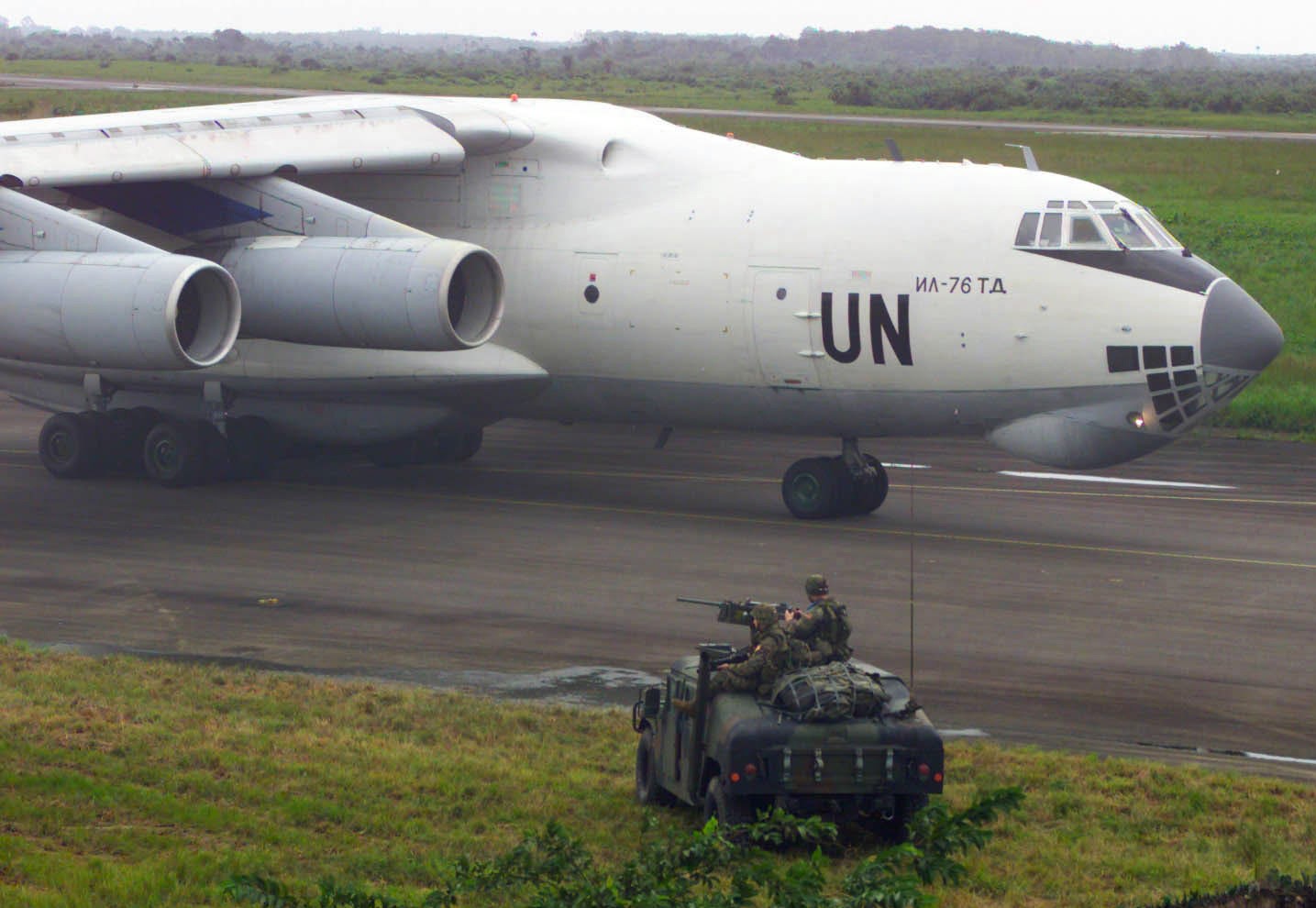
A Russian Il-76TD delivers humanitarian aid on Roberts International Airport, Liberia, under the guard of U.S. Marines. U.S. Marine Corps photo by Lance Corporal Nathan E. Eason, 14AUG2003.
A contracted Il-76 delivers supplies to U.S. forces on Mosul, Iraq, 19SEP2003.
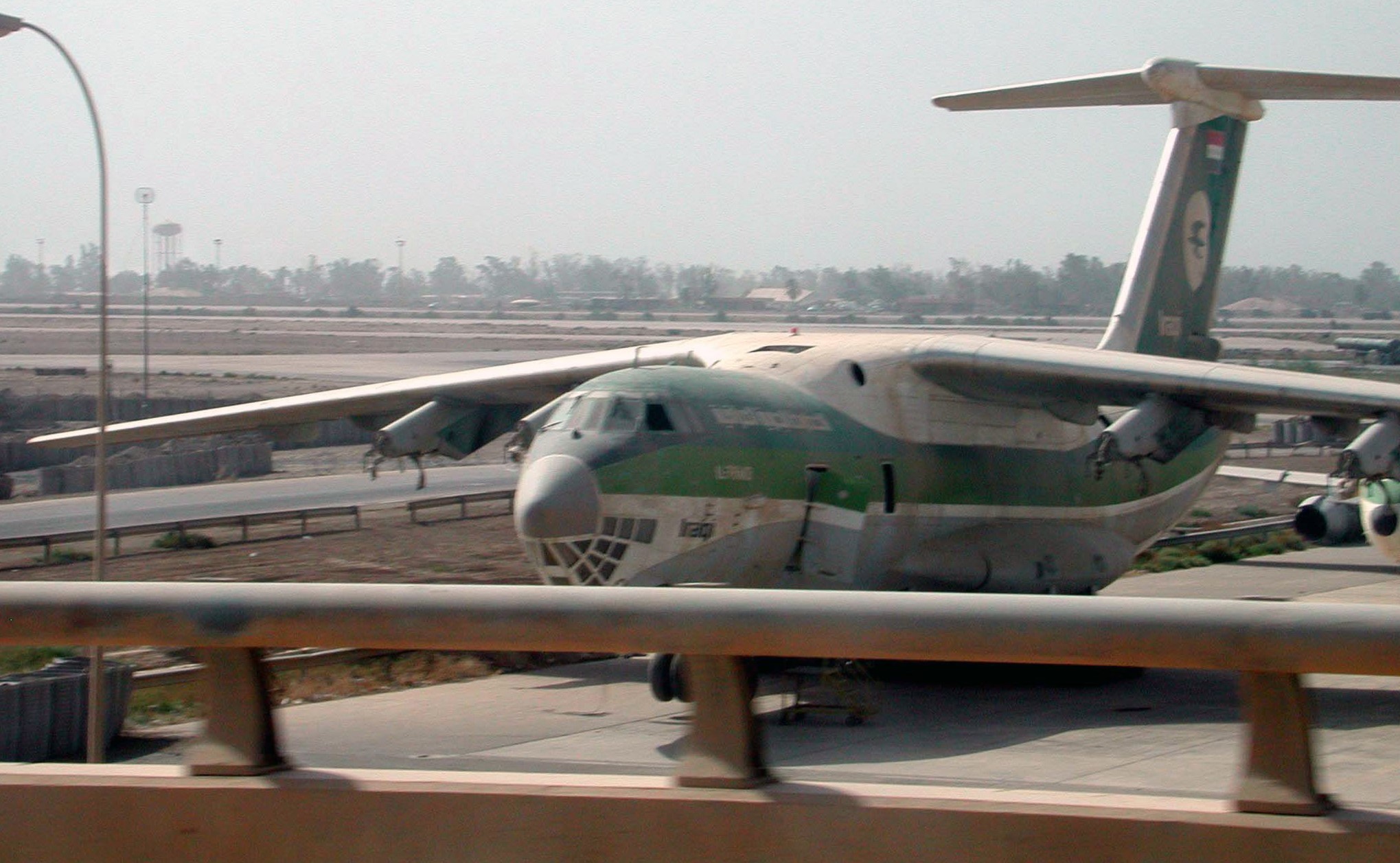
A derilict Iraqi Airways Il-76 sits on the tarmac of Baghdad International Airport. After Desert Storm, the U.S./NATO imposed a ‘no-fly’ zone over Iraq, including Iraqi civilian airline traffic, effectively killing Iraqi Airways. That changed in 2006. USAF photo by Staff Sergeant Scott Sturkol, 21OCT2003.
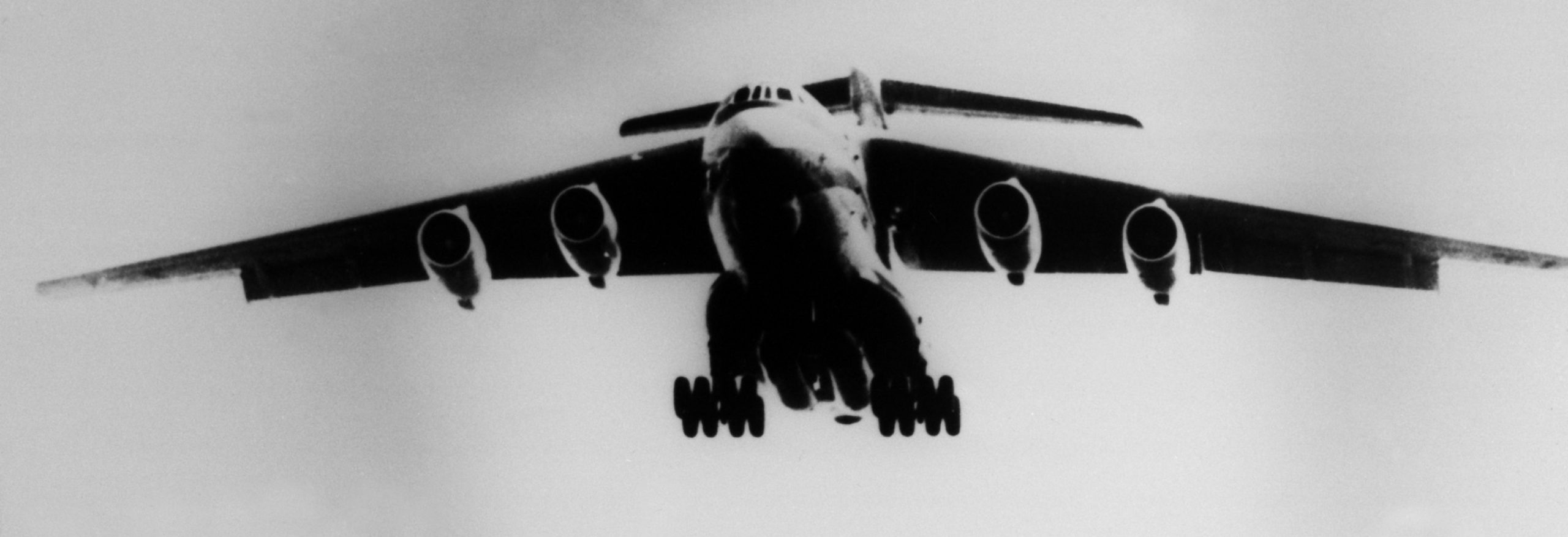
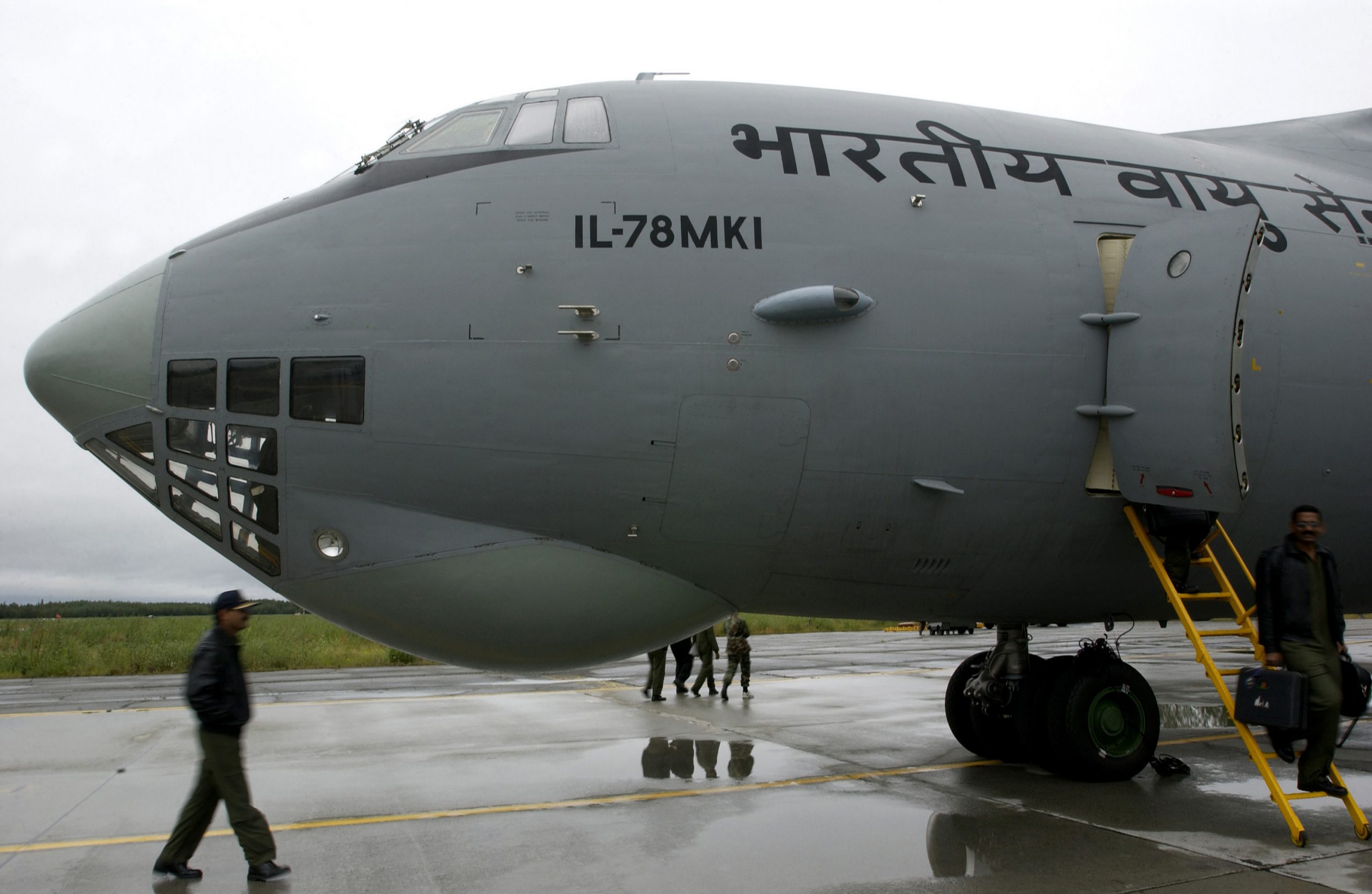
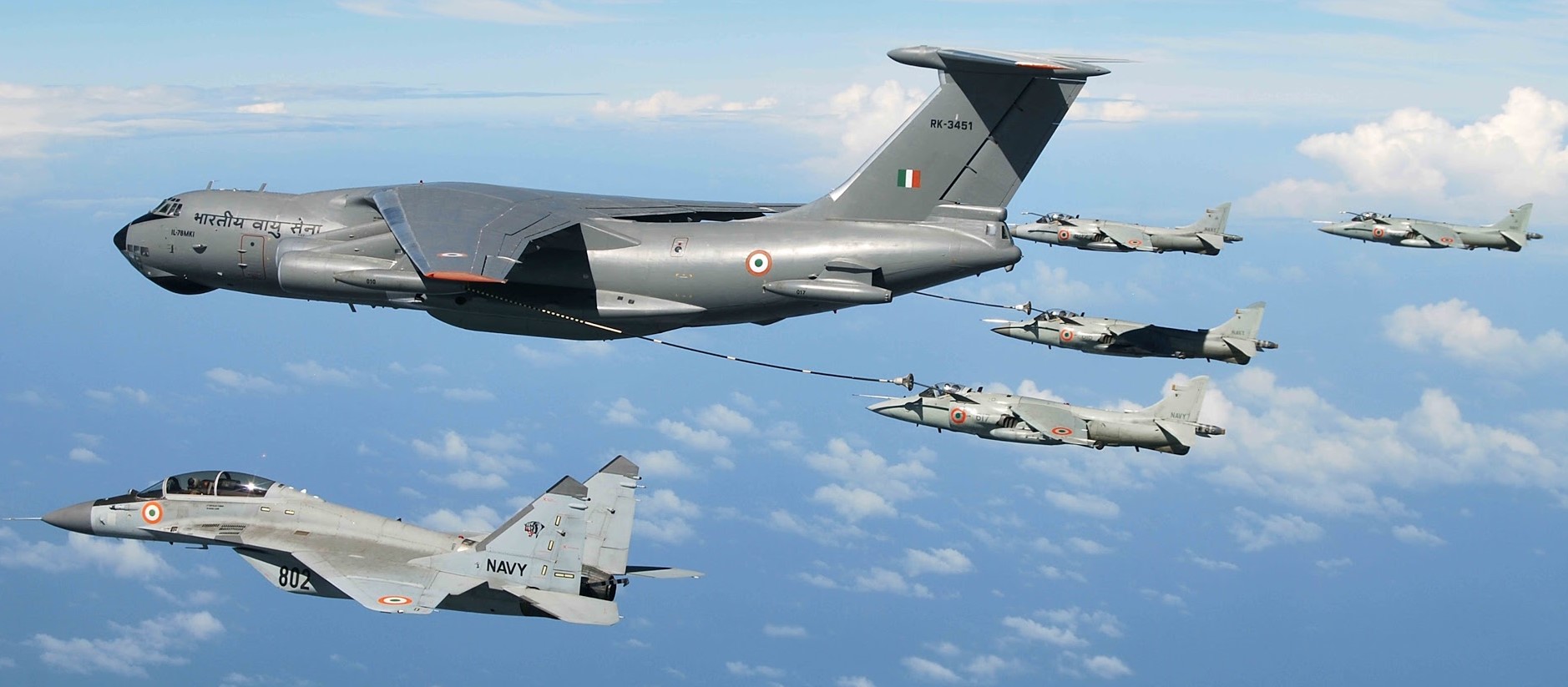
The Il-78 (NATO reporting name Midas) is the aerial fueler version of the Il-76.
Indian Air Force Ilyushin IL-78MKI Midas aerial refueler on Eielson Air Force Base, Alaska, 29JUL2004. USAF photo by Staff Sergeant Matthew Hannen.
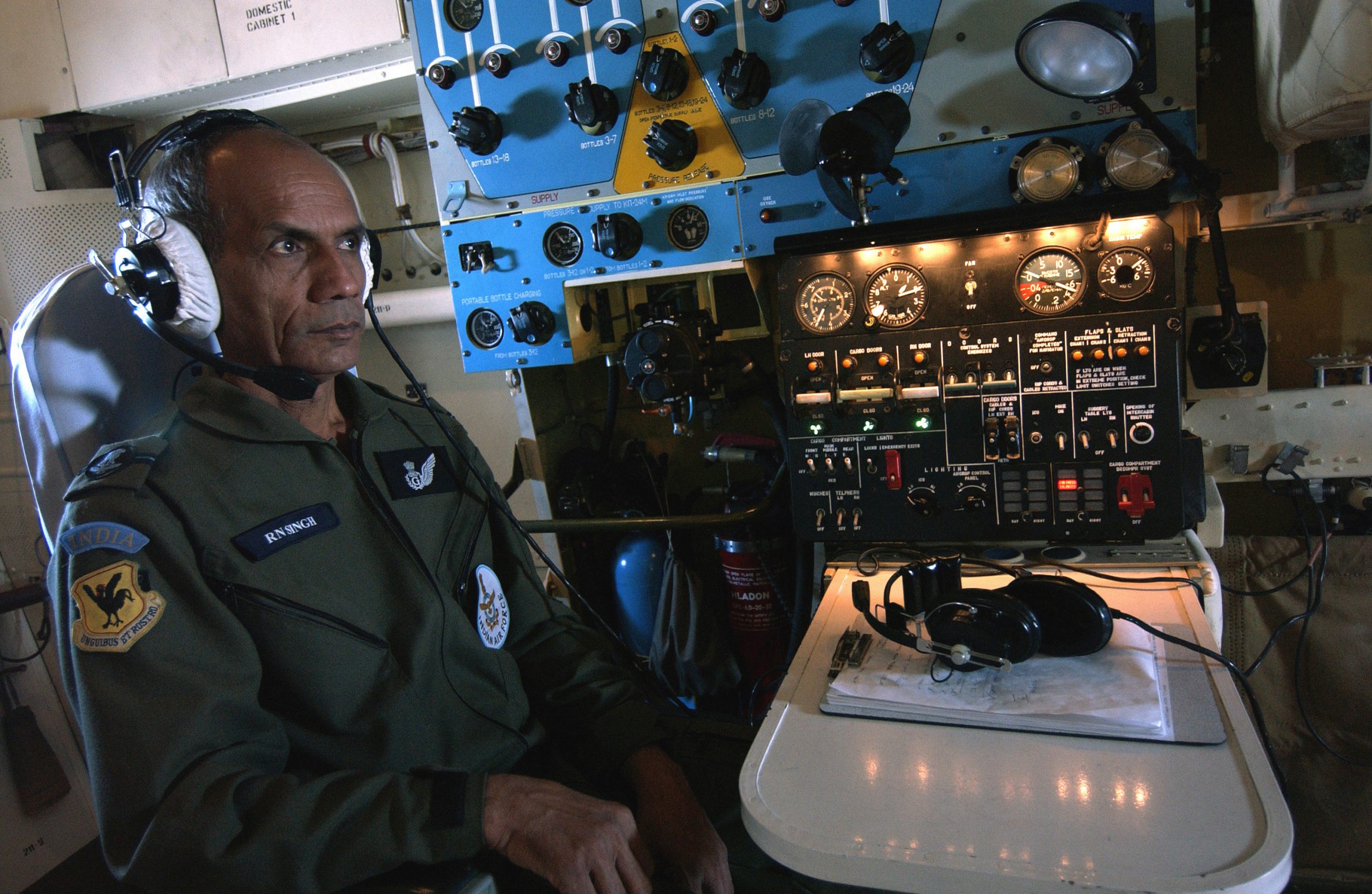
Navigator station on the Indian Air Force IL-78 Midas. USAF photo by Staff Sergeant Matthew Hannen, 30JUL2004.
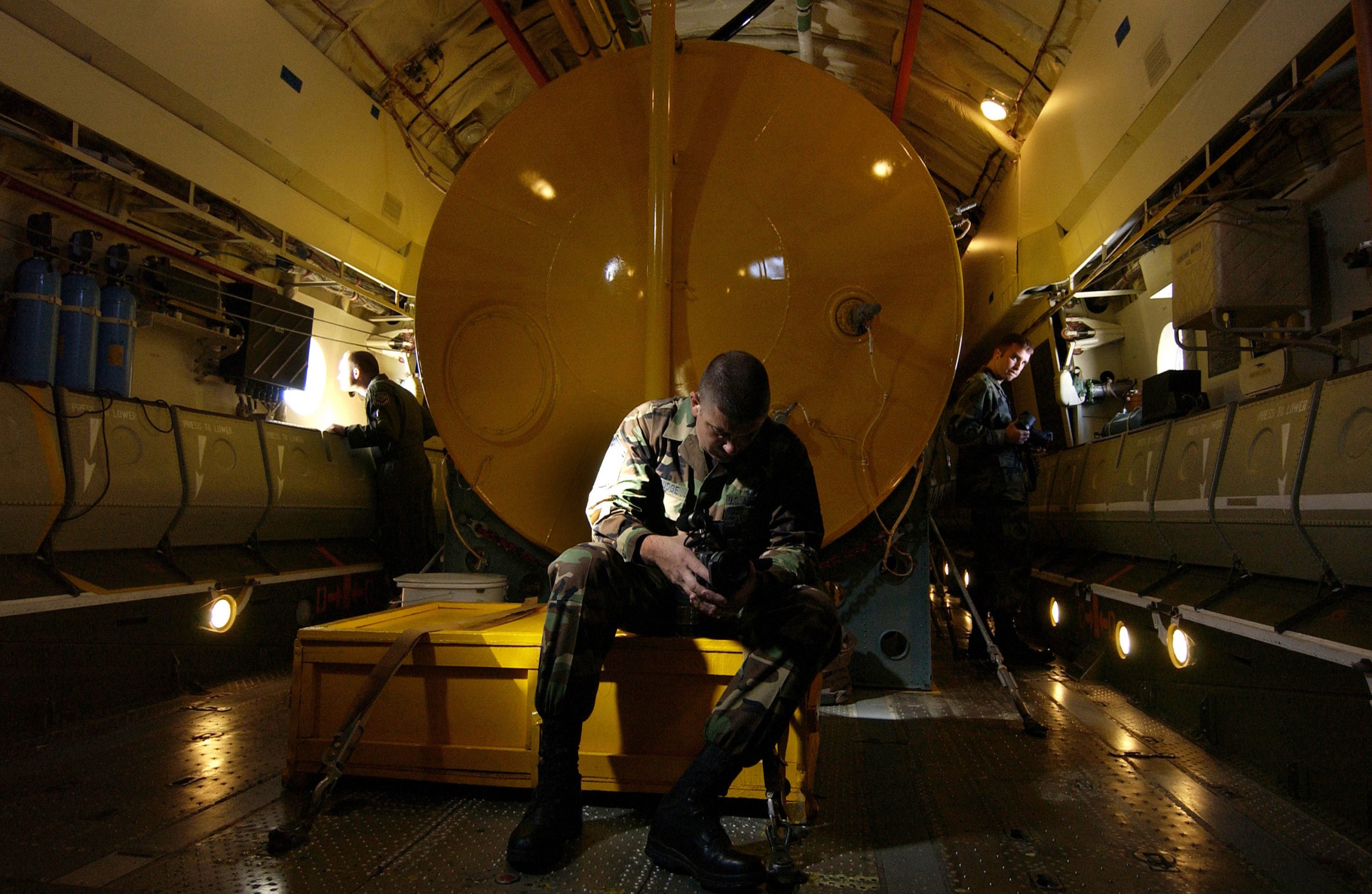
Inside the cargo area of the Indian IL-78 Midas. USAF photo by Staff Sergeant Matthew Hannen, 30JUL2004.
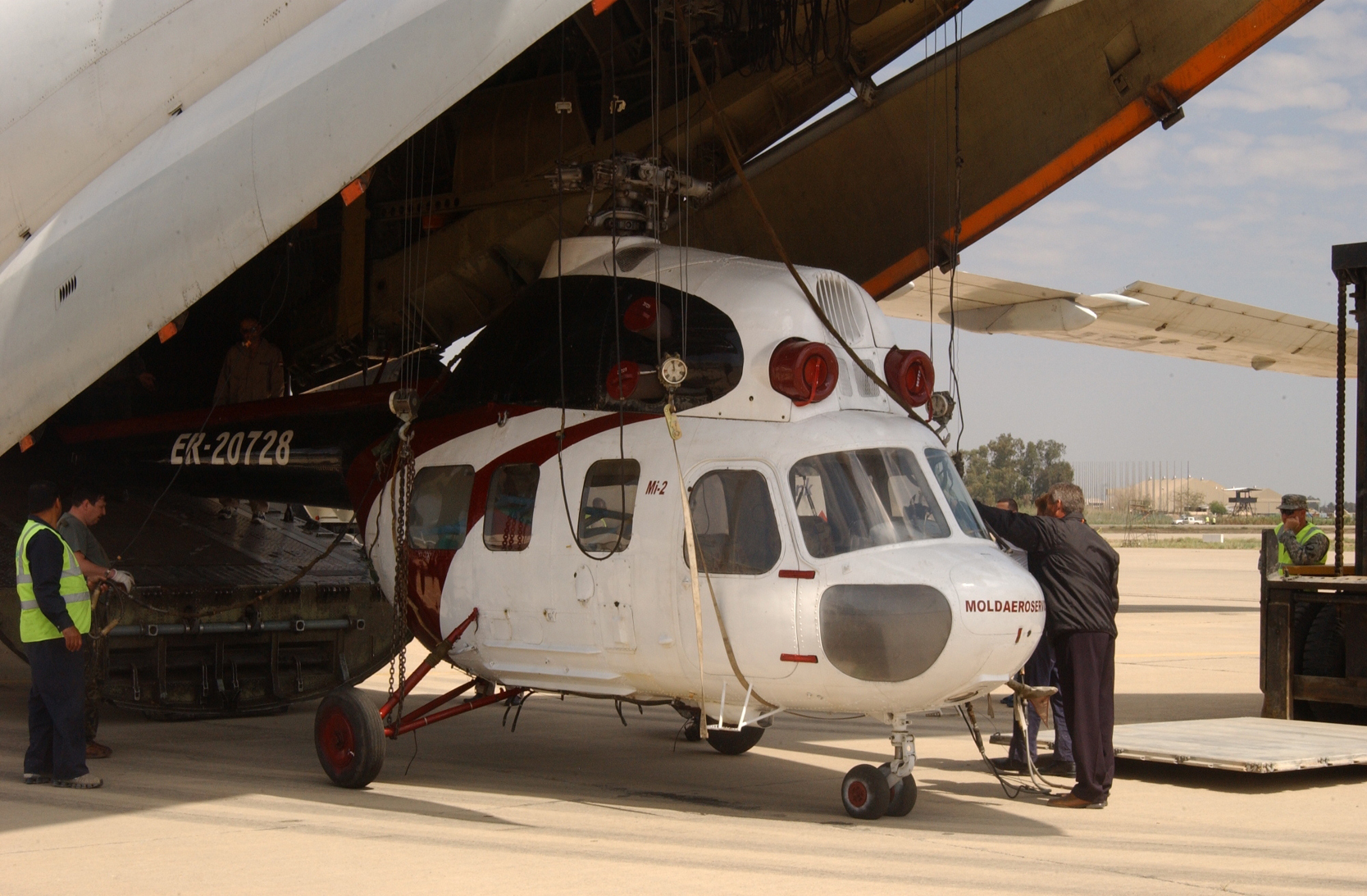
An Il-76 delivers a Mi-2 crop-duster on Baghdad International Airport, Iraq. U.S. Army photo by First Sergeant Robert Heberling, 03MAY2006.
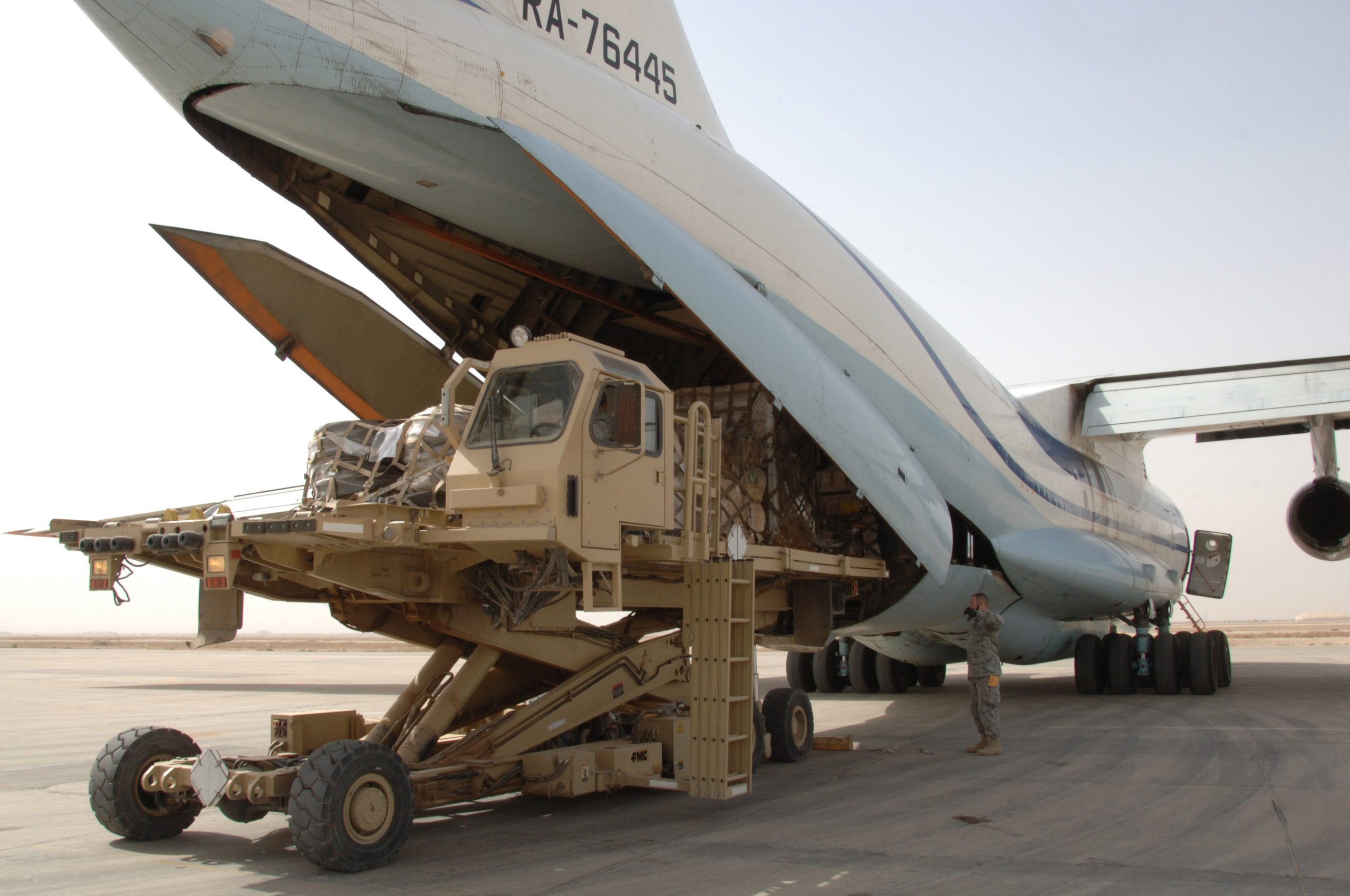
Contracted Il-76 unloads supplies for U.S. forces in Iraq, 20MAR2008. USAF photo by Sabrina Johnson.
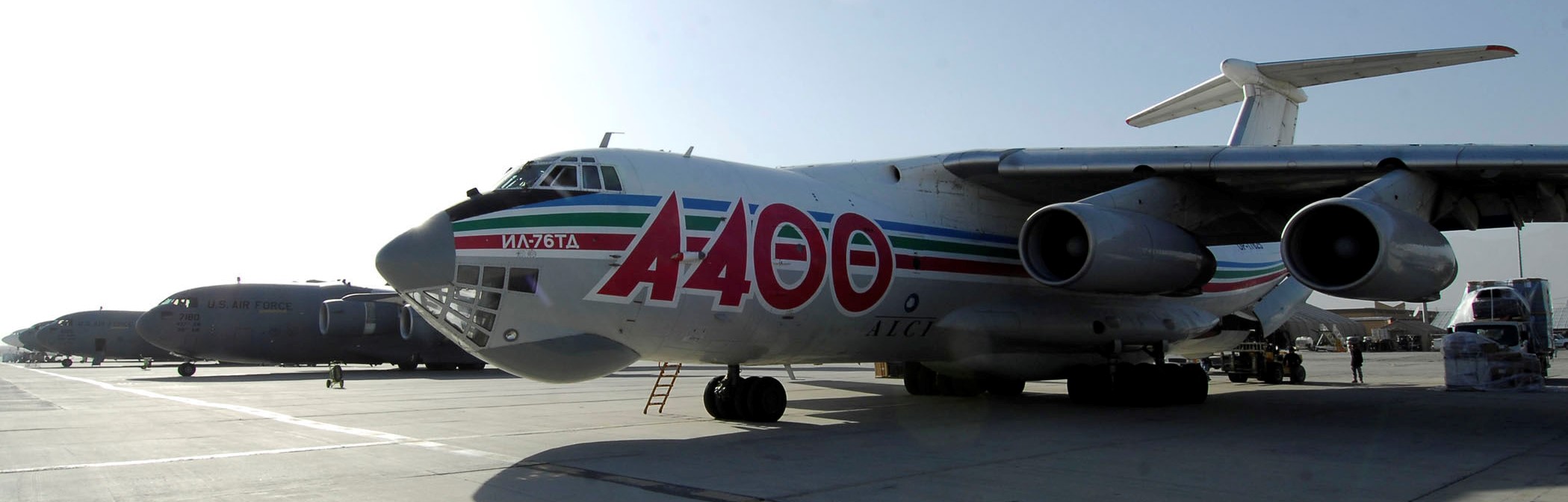
A contracted Il-76TD sits next to USAF C-17s on Bagram Air Base, Afghanistan, 19NOV2009. USAF photo by Senior Airman Felicia Juenke.
The U.S. Air Force contracted to use the Russian Ilyushin Il-76 ‘Candid’ to support increased U.S. troop deployments to Afghanistan. Video report by Staff Sergeant Nathan Delgado, 31DEC2009:
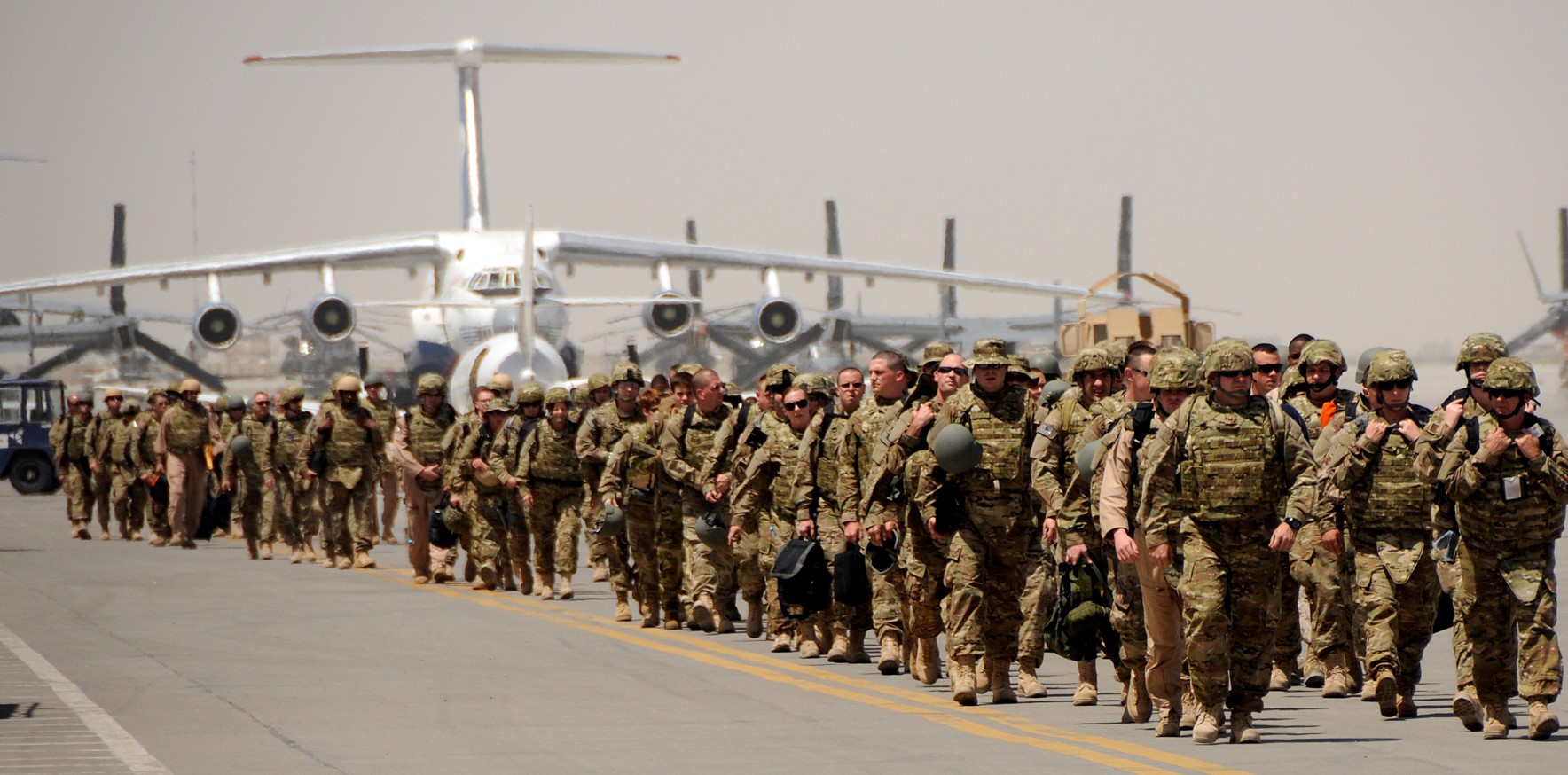
South Carolina National Guard personnel arrive on Kandahar Airfield, Afghanistan, 10JUN2012. Behind them, amid the gaggle of V22 Ospreys, is a Russian Il-76. U.S. Air Force photo by Technical Sergeant Caycee Watson.
Ukraine Crisis: February 2014 (NATO backed coup) to present.
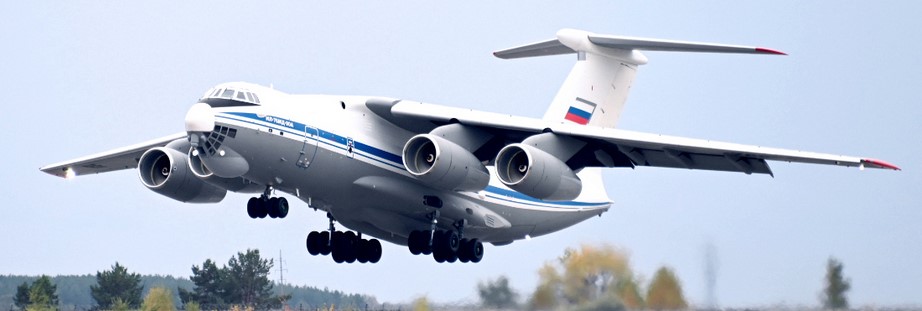
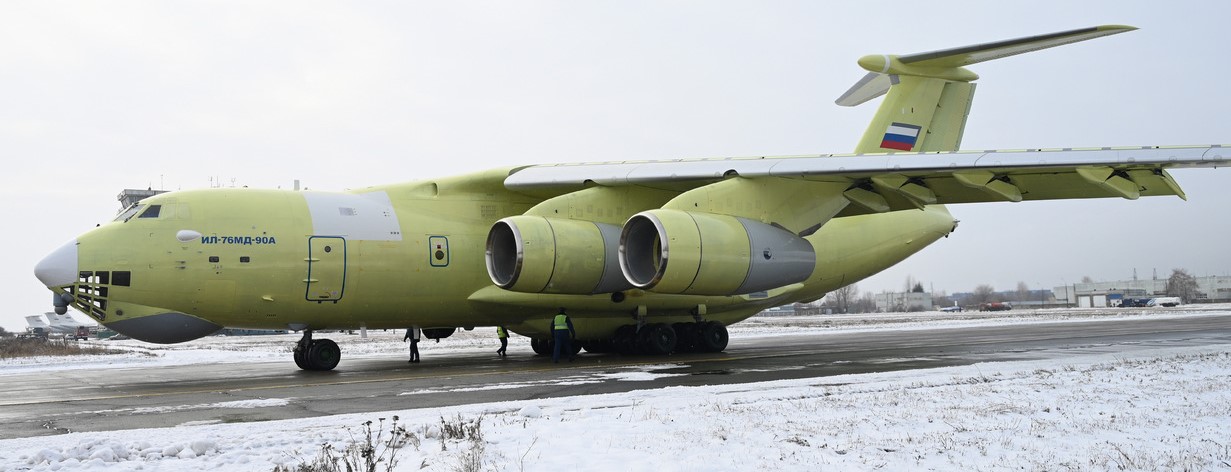
In 2015, Russia began using the new Il-76MD-90A.
In May, 2015, the U.S. Agency for International Development (USAID) used an Il-76 to deliver humanitarian aid to Nepal, following a devastating earthquake. USAF photo by Staff Sergeant Melissa B. White, 08MAY2015.
NATO video, NATO-Belgian troops take a ride on a Ukrainian military Il-76MD, 23OCT2015:
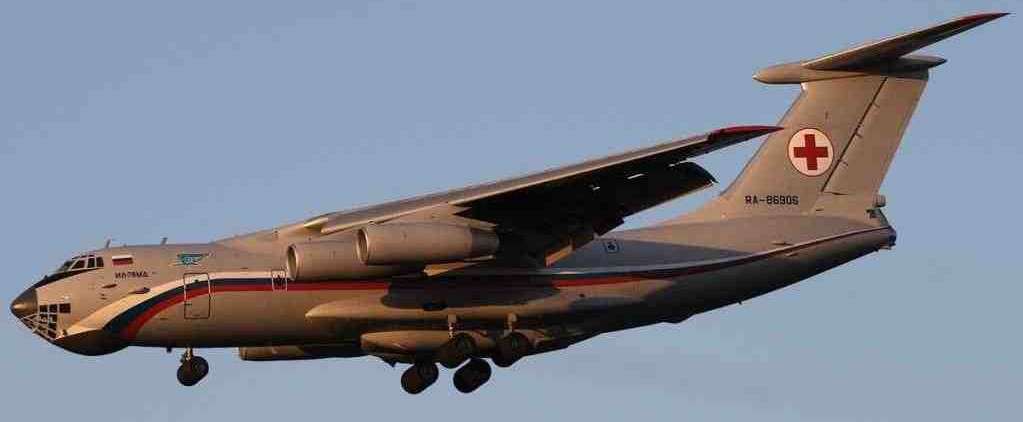
Russia uses Il-76MD hospital aircraft called ‘Scalpels’, to return Russian journalists and military personnel who’ve been wounded in the NATO instigated Syrian ‘civil war’.
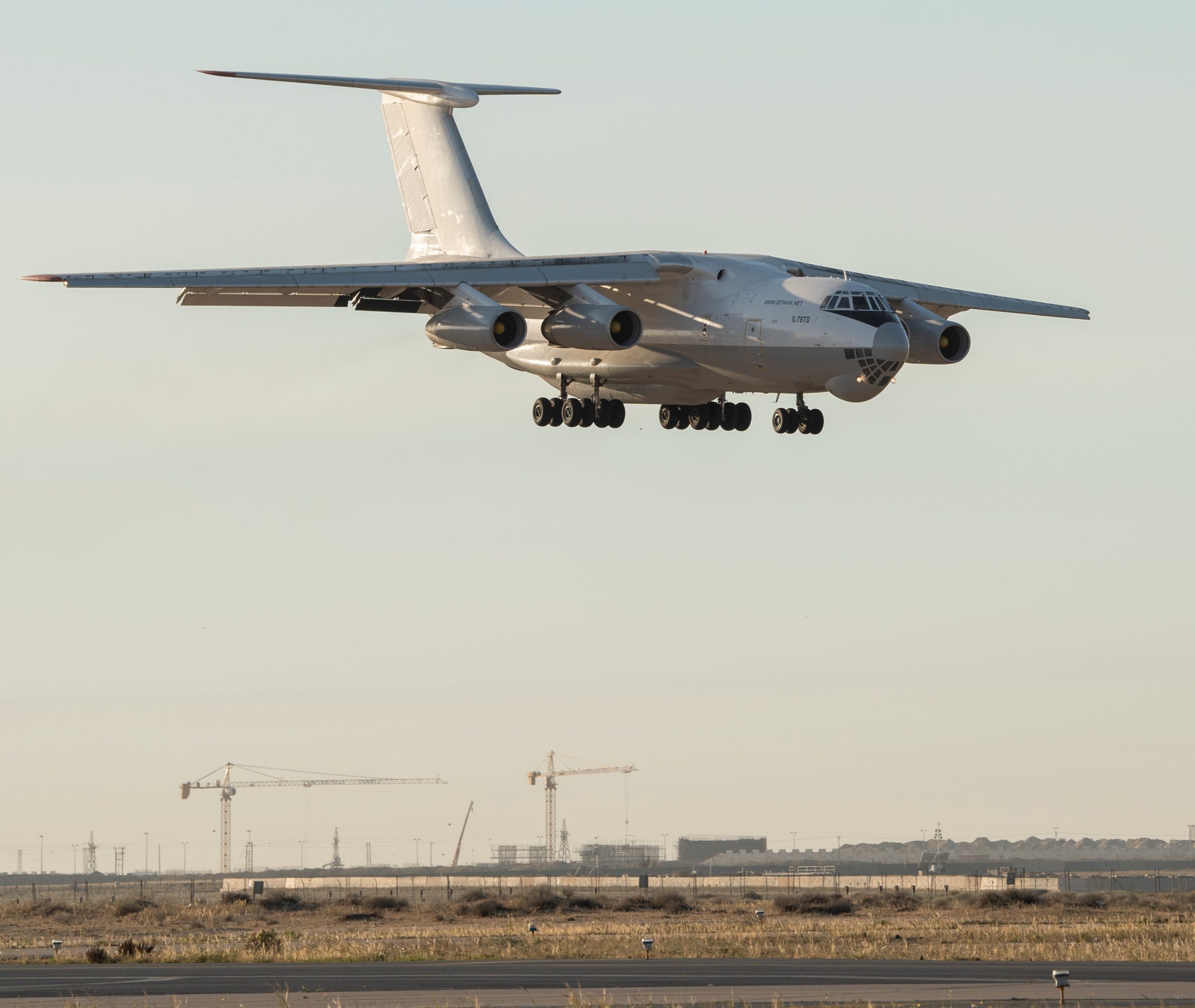
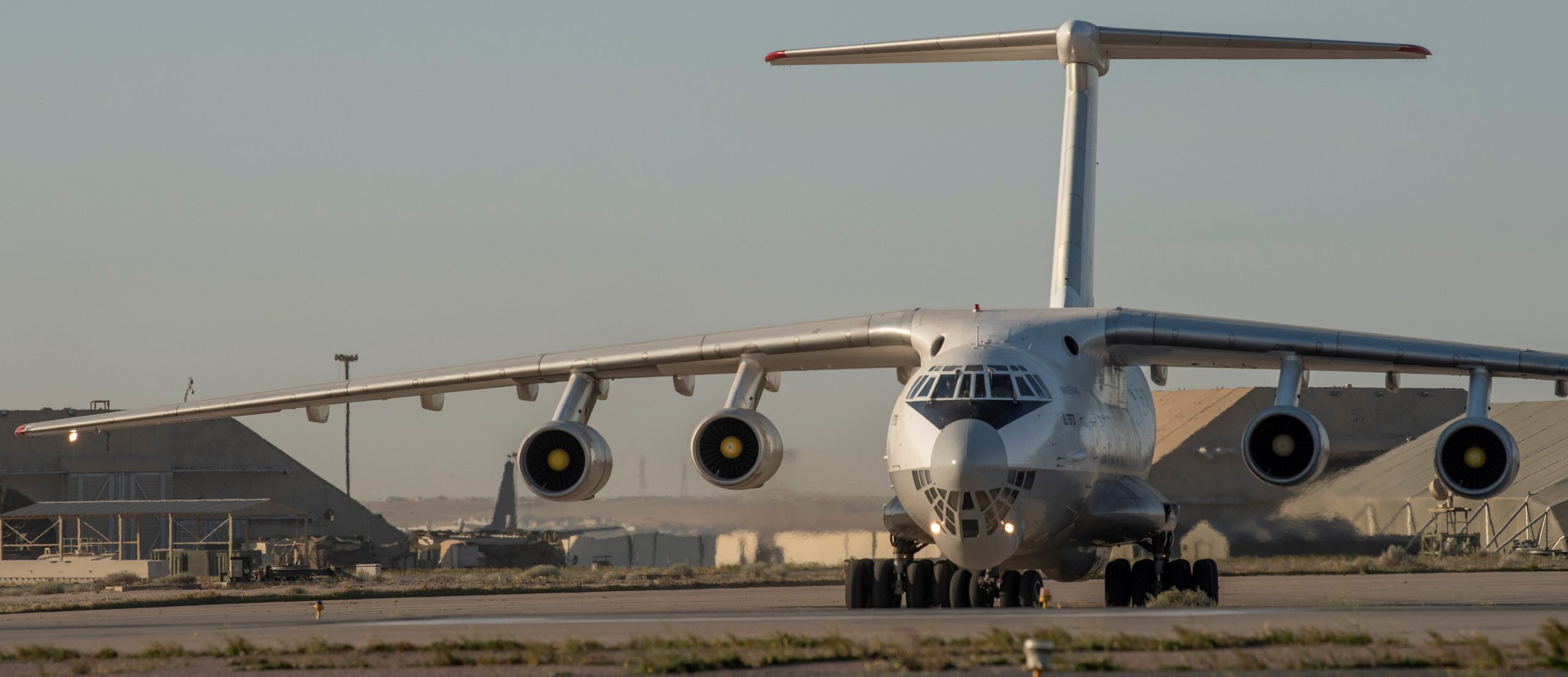
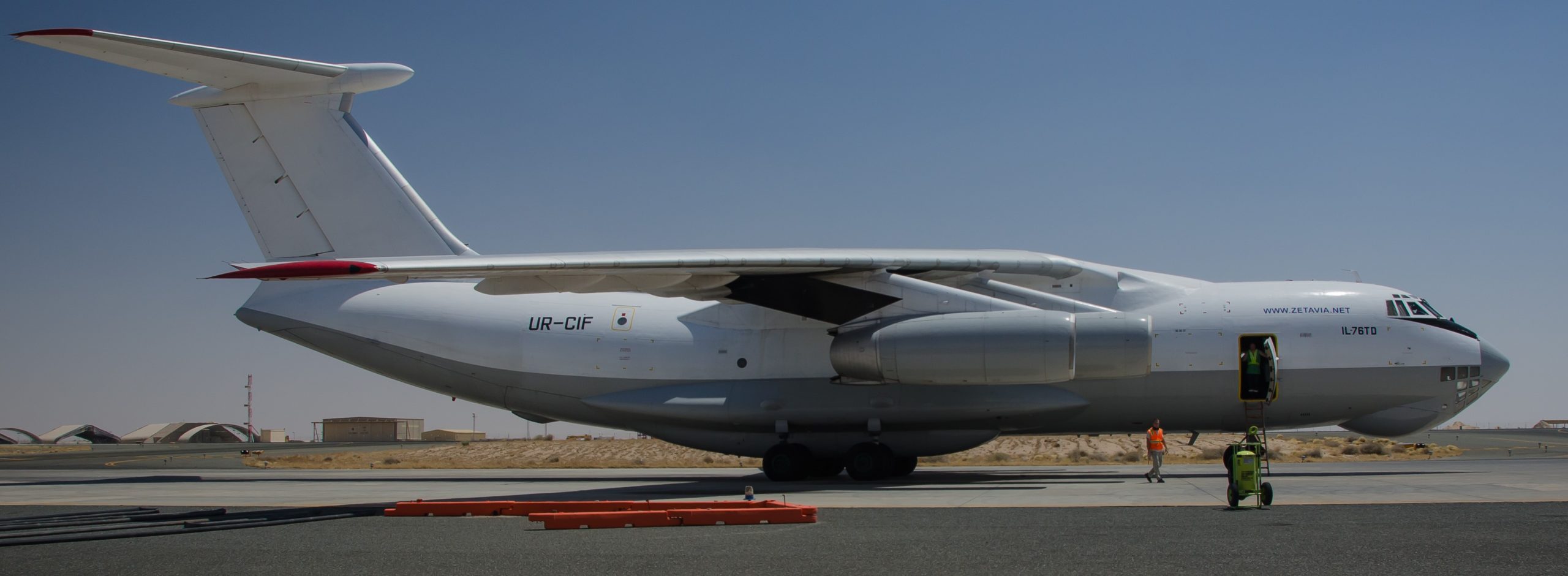
Candid reports for duty with the USAF in Kuwait, 11MAR2019. USAF photo by Technical Sergeant Robert Cloys.
USAF photo by Technical Sergeant Robert Cloys, 11MAR2019.
USAF photo by Technical Sergeant Robert Cloys, 11MAR2019.
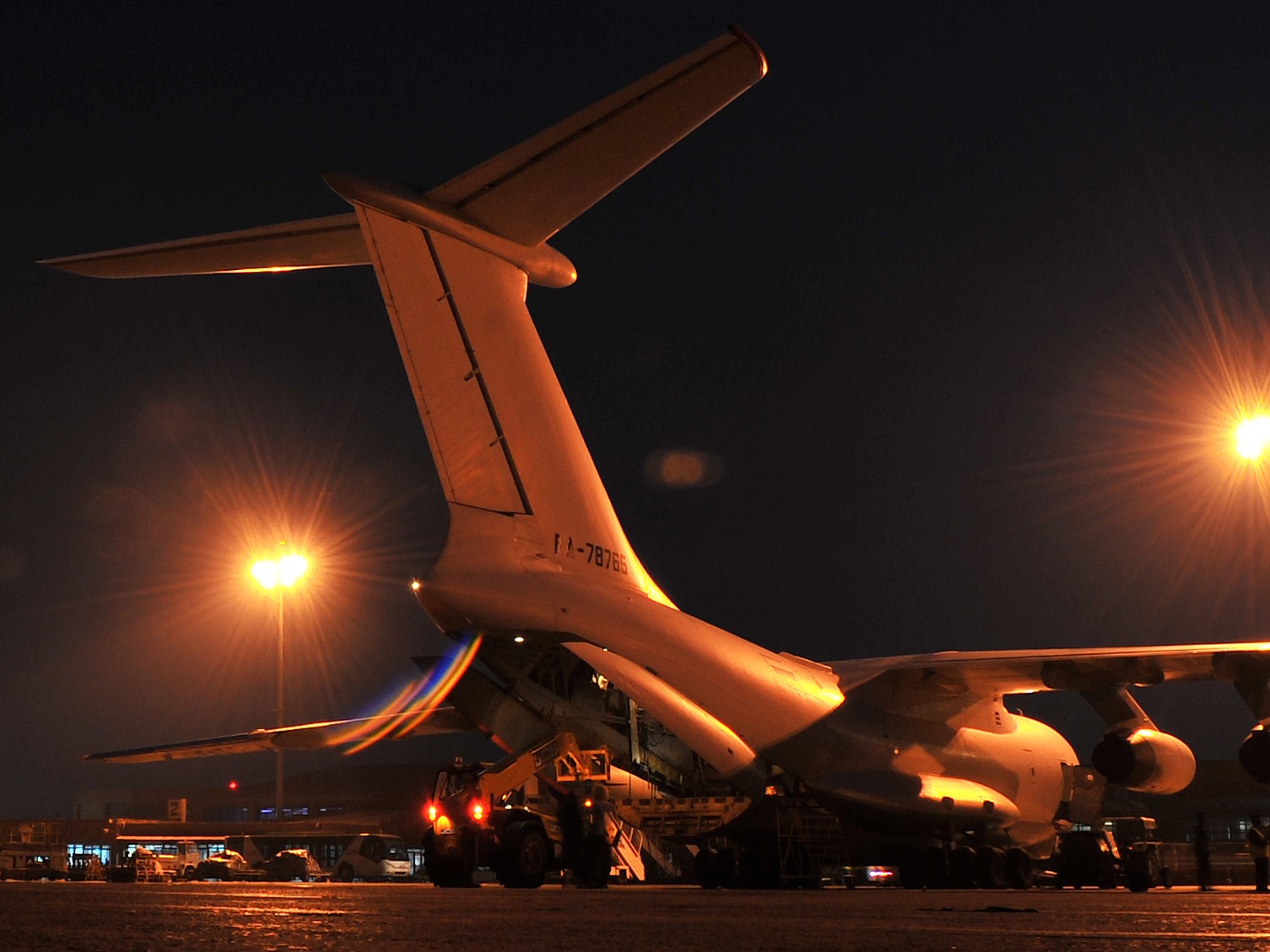
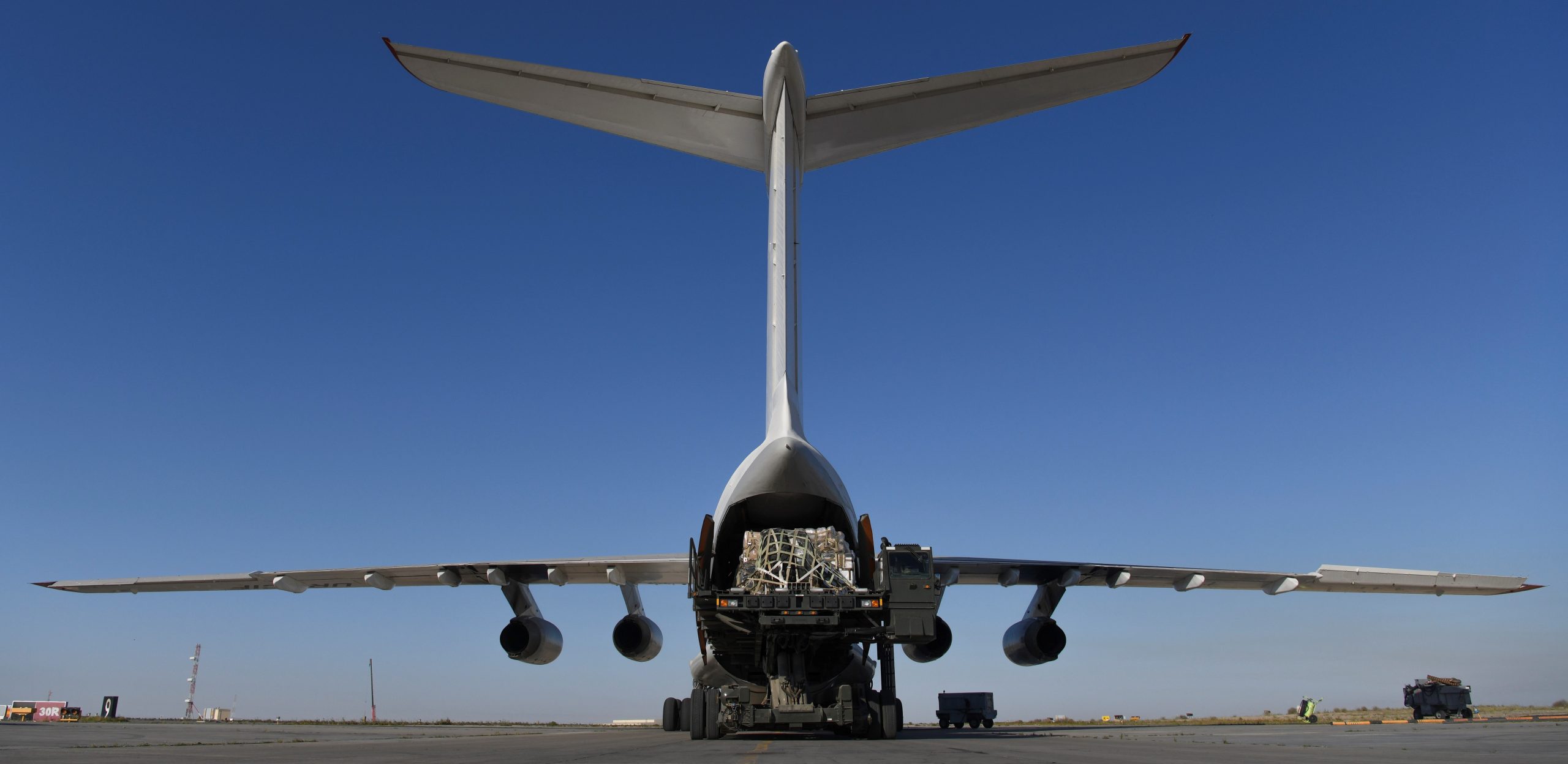
An Il-76 working for the USAF on Ali Al Salem Air Base, Kuwait, 09JUL2019. South Carolina Air National Guard photo by Captain Stephen Hudson.
USAF time-lapse video by Technical Sergeant Michael Mason, loading a contracted Il-76 in Kuwait, 09JUL2019:
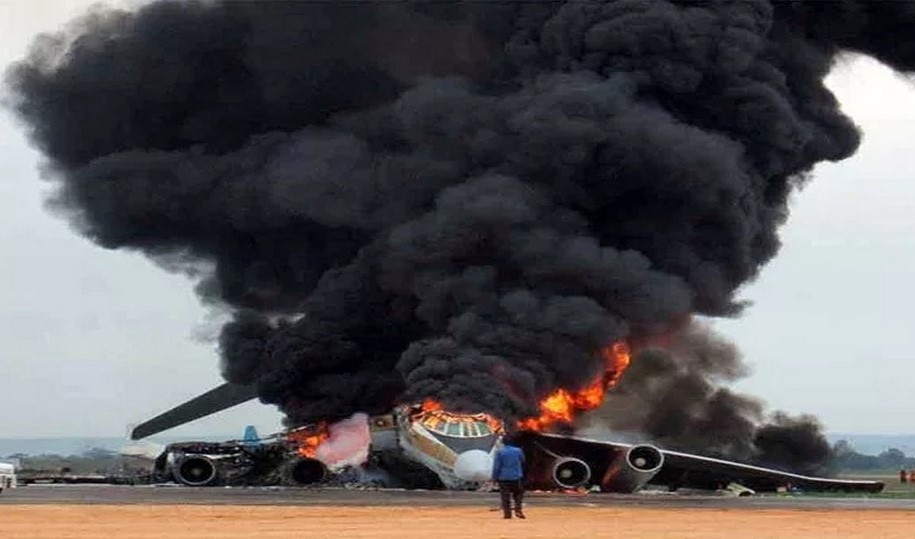
In August 2019, a Ukrainian Il-76TD was blown up by rebel forces in Libya. The NATO instigated ‘civil war’ is still raging, and believe it or not both Ukraine and Russia support the NATO approved ‘government’ forces!
Russian Defense Ministry video of Il-76MD rough-field landing/taking-off at Forward Area Refueling Point (FARP), near Orenburg, August2019:
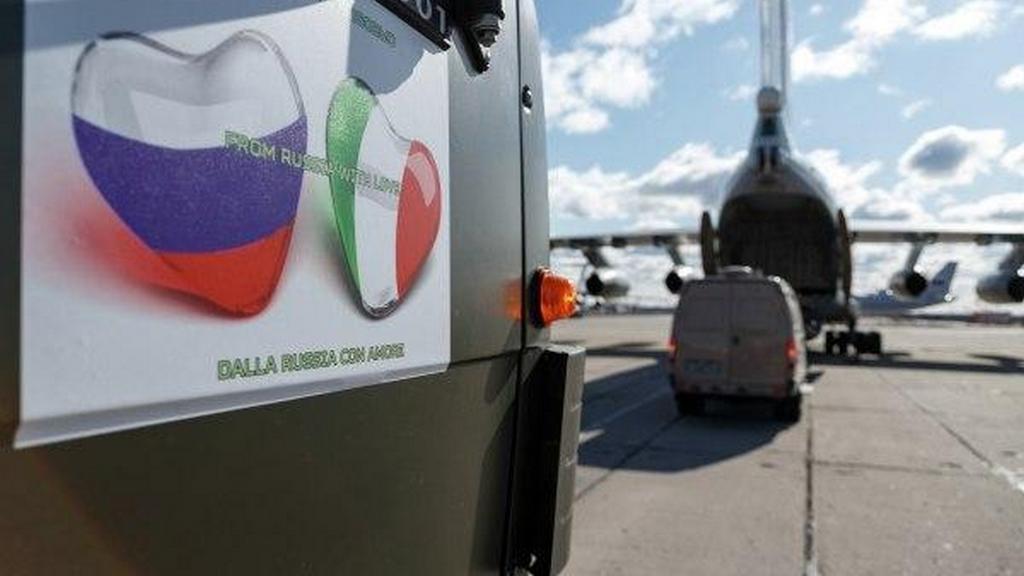
In March 2020, Russia sent nine Il-76s to NATO-Italy, carrying medical personnel to help NATO-Italy fight the so-called covid pandemic.
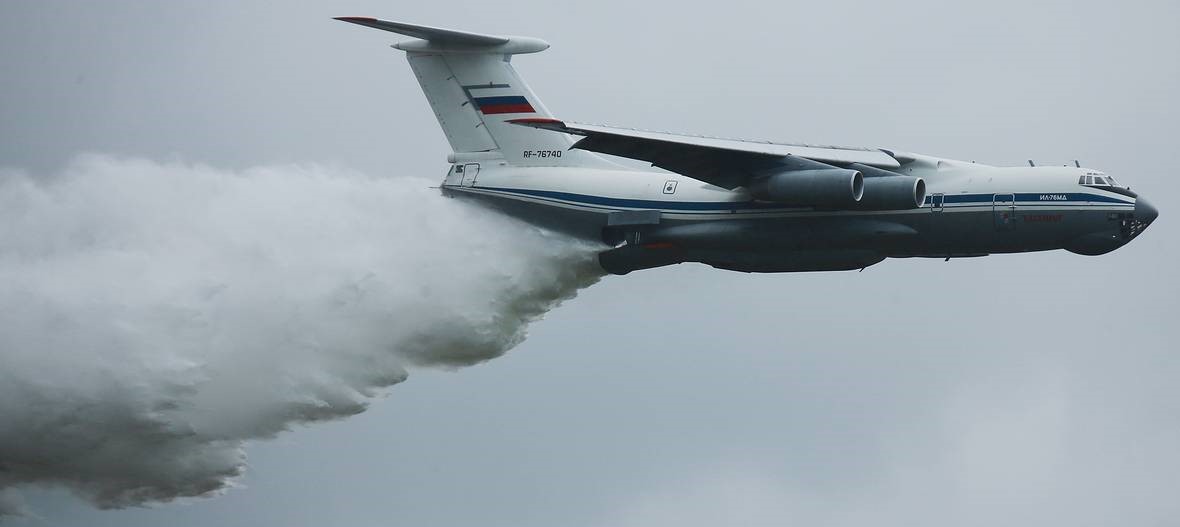
Il-76MD water bomber.
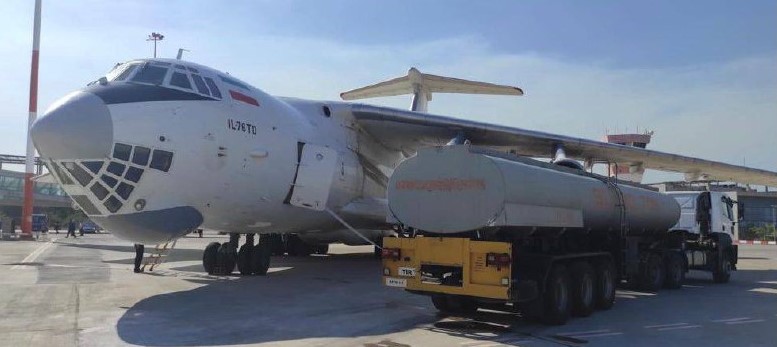
In Summer 2021, Iran sent a waterbombing Il-76TD to NATO-Turkey to help fight wildfires.
In 2021, Russia announced it will overhaul six of India’s Il-78MKI Midas tankers.
Russian Defense Ministry video of Il-76 airborne troop operation, during wargame in Belarus, September 2021:
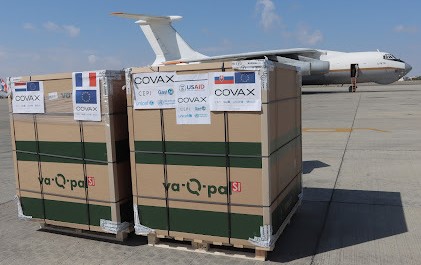
Palettes of CoViD-19 vaccines were delivered to Yemen, using an Il-76. This included vaccines paid for by U.S. taxpayers through USAID. A previous delivery was made in August 2021. They were delivered by the UN-WHO/Gates Foundation/World Bank’s Gavi Alliance. Photo by Drew Sullivan, 20DEC2021.
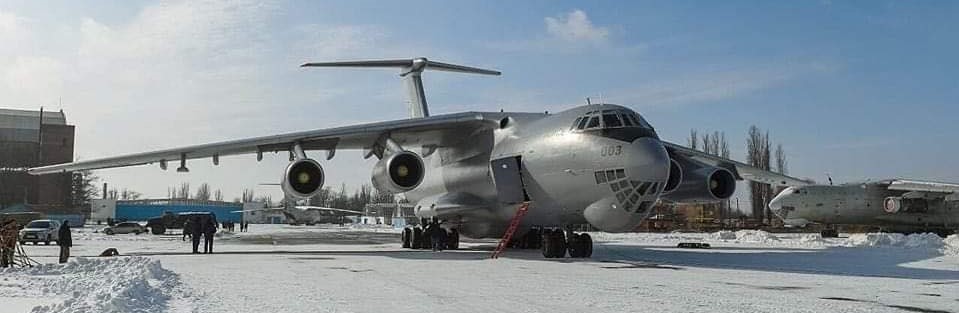
Pakistani Il-78s being upgraded to MP standard in Ukraine, photo posted February 2022.
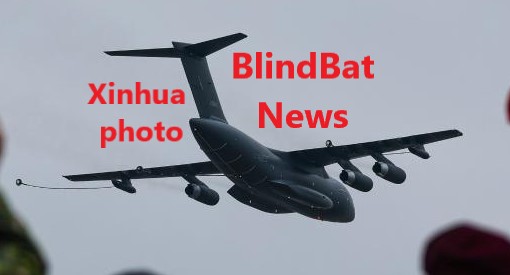
Photo via UARussia (United Aircraft Russia), November 2022.
Russian news report about newest Il-76, the Il-76MD-90A, the video shows the roll-out of the 18th ‘MD-90A’ on 29NOV2022:
The fifth production Il-76MD-90A, of 2022, made its first flight on 04DEC2022. Since 2014, at least 18 of the new Candids have been built.
On 10DEC2022, Russian Aerospace Forces took official possession of two new Il-76 aircraft, one an upgraded Il-76MDM, the other a new build Il-76MD-90A. The ‘MD-90A’ has a new designed wing, strengthened landing gear, more efficient turbines, a ‘glass cockpit’, and an electronic defense system against anti-aircraft missiles.
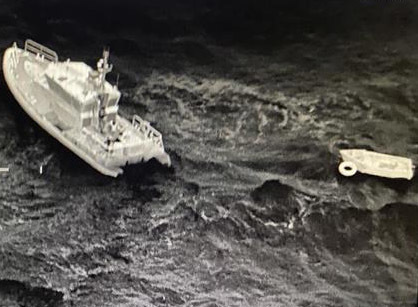
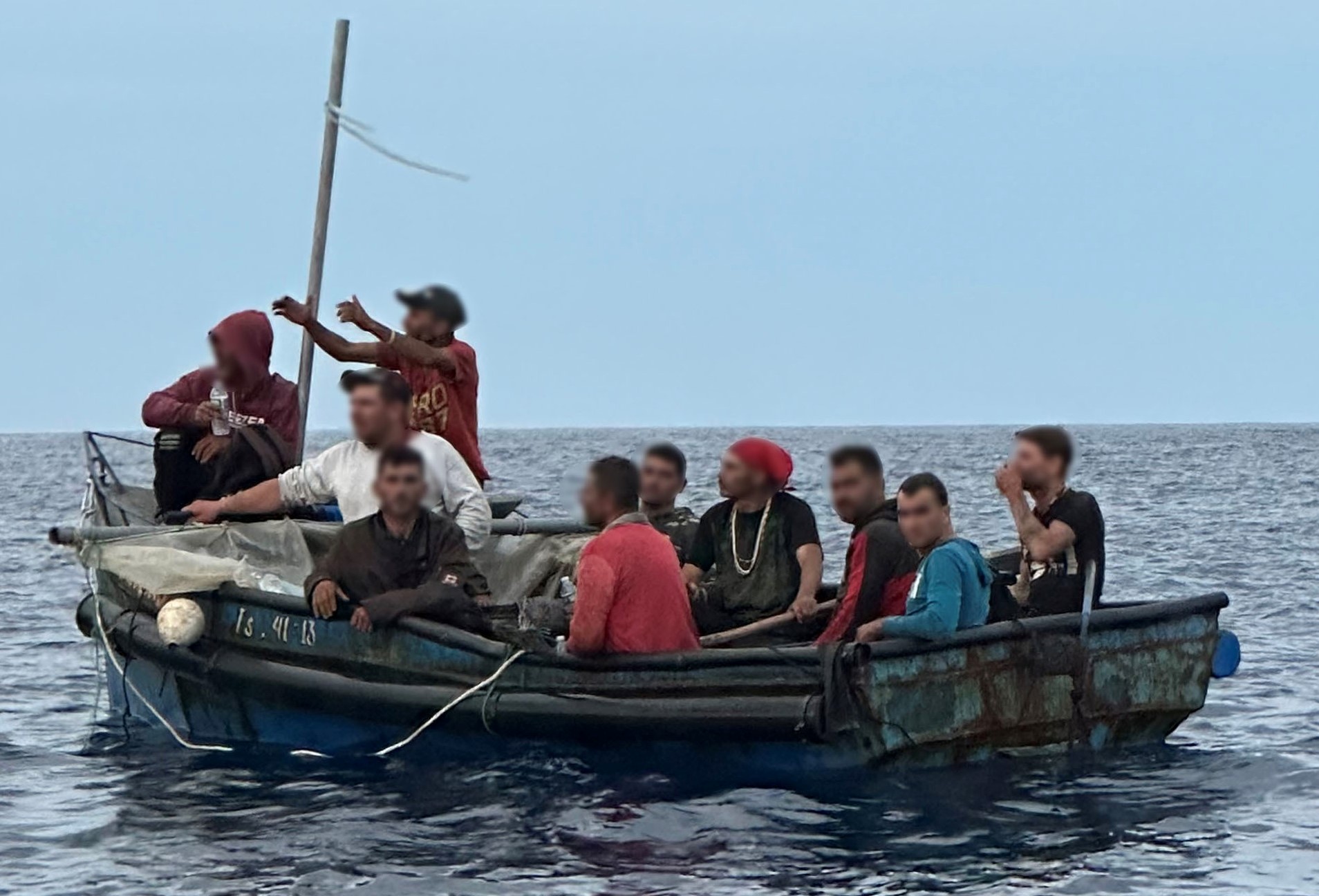
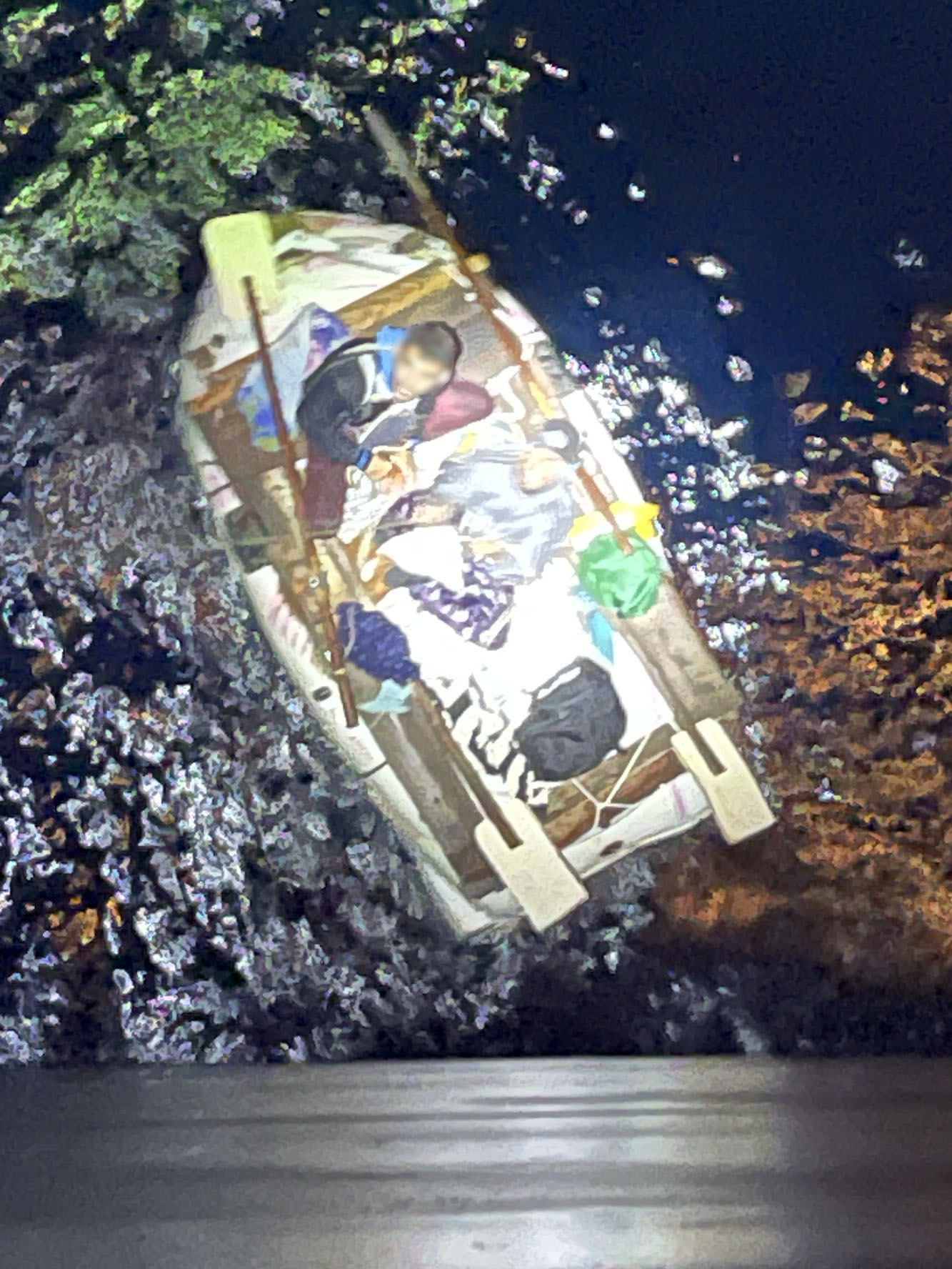
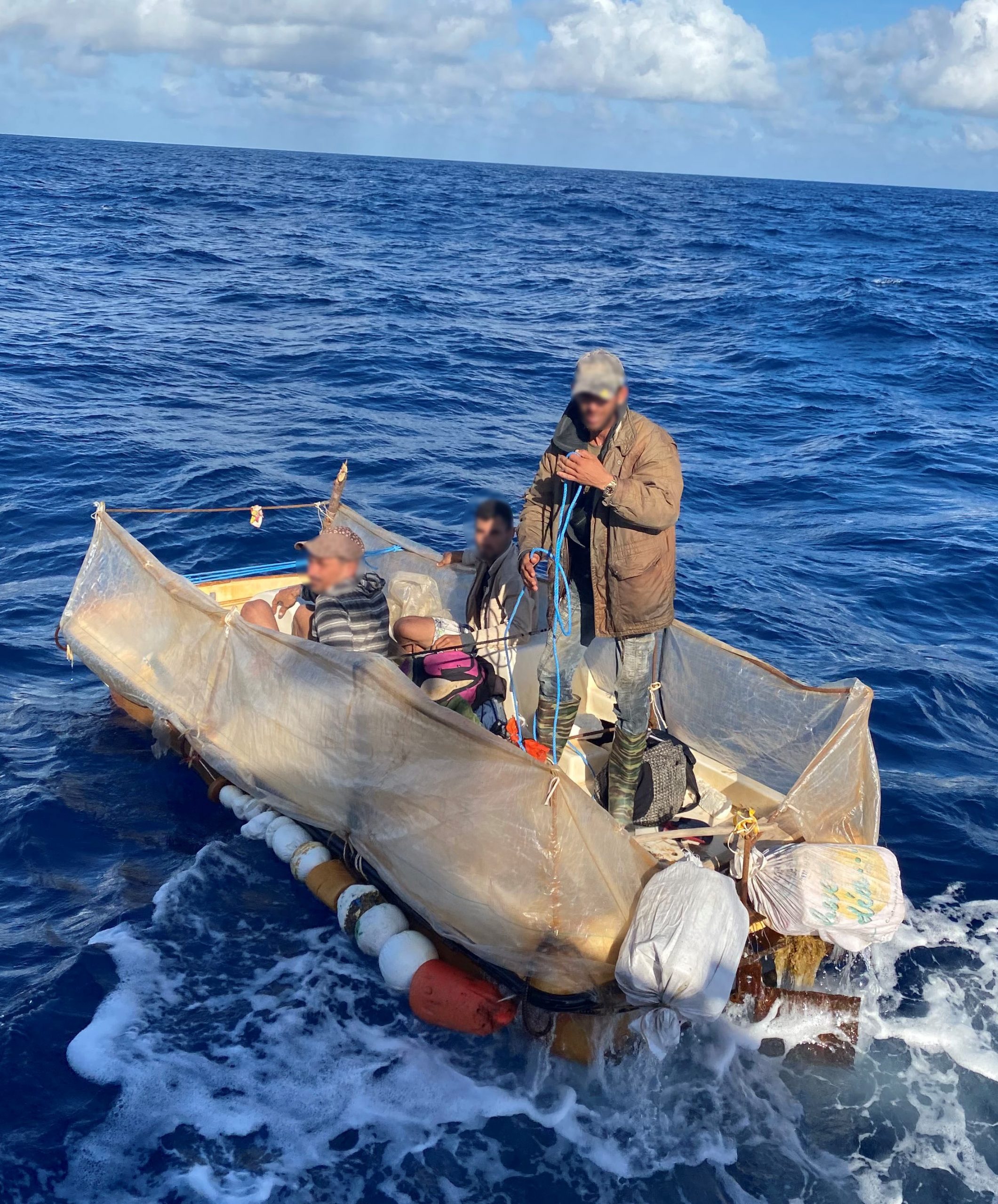
Welcome to borderland hell under U.S. President Joseph Robinette Biden Junior, incomplete (just the tip of the iceberg) list of videos and reports from the United States Coast Guard (USCG) about the increasing flood of boat people from Bahamas, Cuba, and Haiti, and the increasing illegal fishing operations by Mexico, for December 2022:
FLORIDA: The USCG captured a boat full of illegals, about 15 miles south of Marathon, on 05DEC2022. Video by Petty Officer First Class Dustin Williams:
USCG District 7 photo, 07DEC2022.
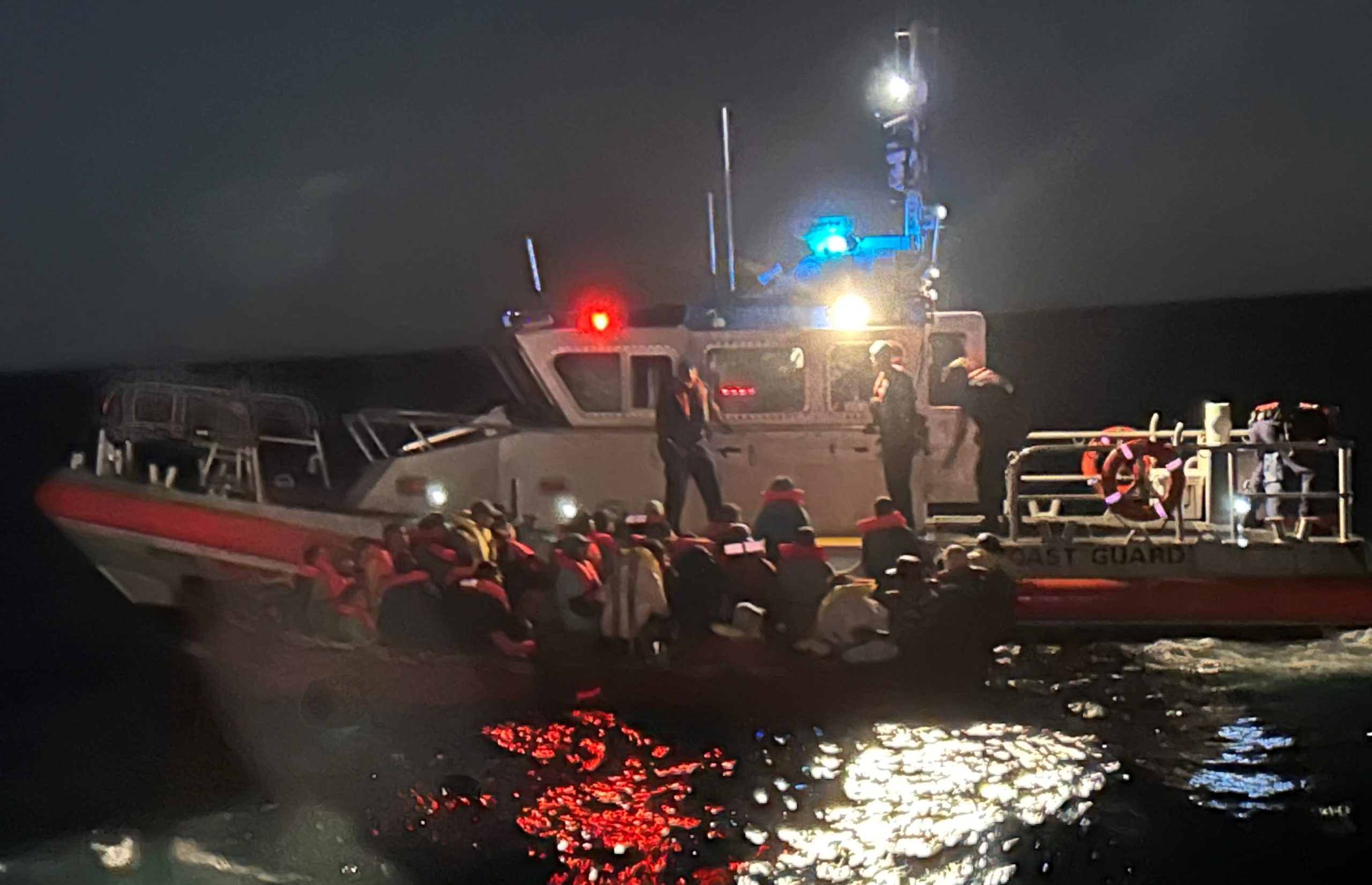
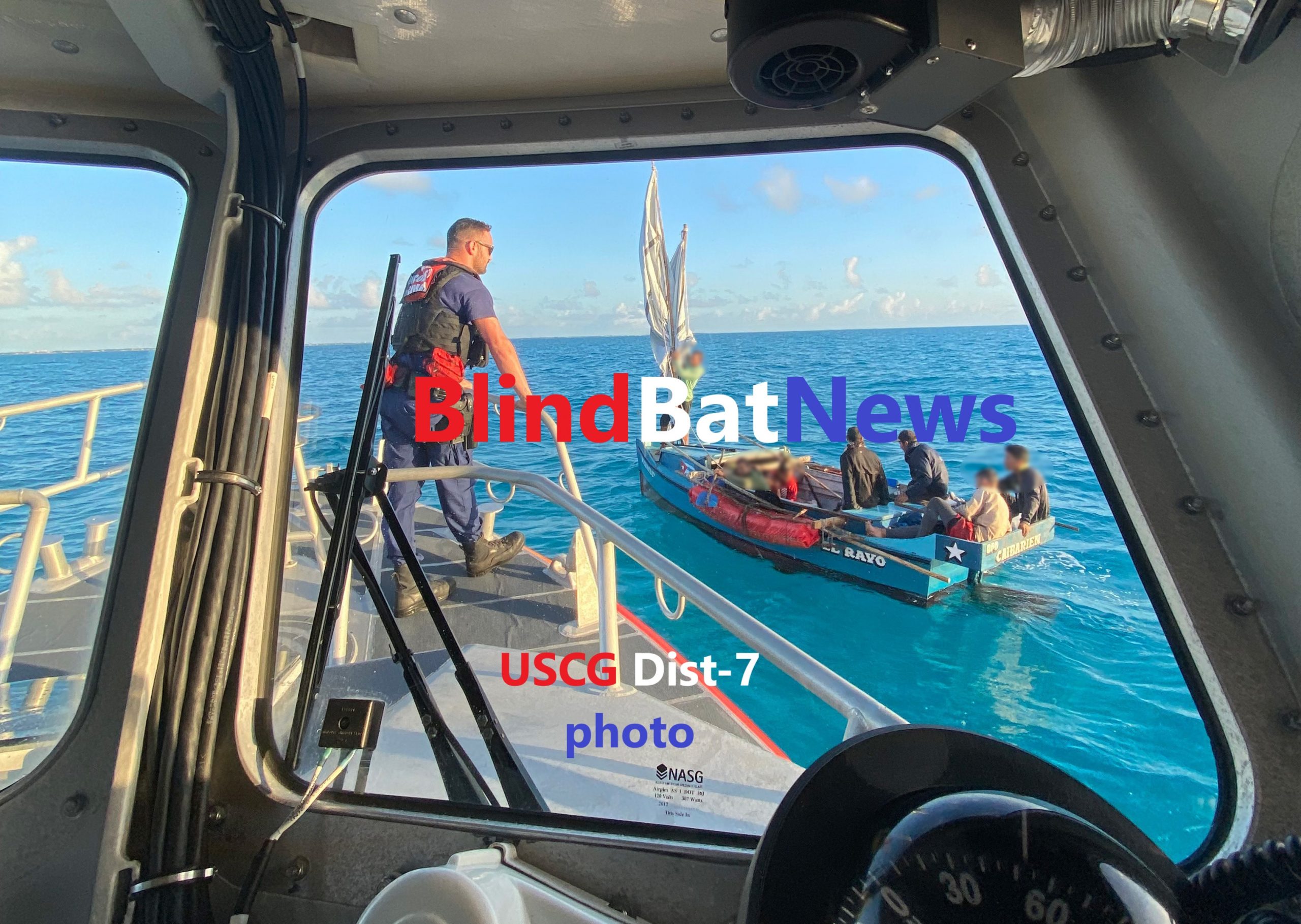
About 20 miles southwest of Marquesas Key, on 07DEC2022 the USCG captured this boat full of illegals. On 10DEC2022, a total of 152 illegals were sent back to Cuba.
The USCG District 7 reports repatriating 71 people to Cuba, on 08DEC2022.
On 12DEC2022, about 50 miles south of Cudjoe Key, the USCG captured a boat that was overloaded with 110 illegals from Haiti. They were sent back to Haiti on 20DEC2022. Video by Senior Chief Petty Officer Brodie MacDonald:
Another capture on 12DEC2022, this time about 20 miles south of Woman Key. The illegals from this capture were sent back to Cuba on 16DEC2022, along with more than 160 other illegals. Video by Petty Officer First Class Dustin Williams:
The USCG District 7 reports repatriating 162 people to Cuba, on 14DEC2022.
On 14DEC2022, the Little Haiti Cultural Center celebrated 50 years of illegal Boat People operations to Florida:
17DEC2022, USCG captures illegals from Cuba, 10 miles south of Marquesas Key. They were returned to Cuba on 20DEC2022. USCG District 7 video:
The USCG District 7 reports repatriating 82 people to Cuba, on 18DEC2022.
USCG District 7 photo, 19DEC2022.
19DEC2022, about 50 miles south of Marathon, the USCG picked up illegals from Cuba, they were included with the total of 67 illegals sent back to Cuba on 22DEC2022.
USCG photo by Petty Officer Third Class Ryan Estrada, 22DEC2022.
Illegals asking for help, near Boca Raton, 22DEC2022. Along with illegals captured the day before (21DEC2022), a total of 143 illegals were sent back to Cuba on 27DEC2022.
USCG District 7 photo, 23DEC2022.
Boat-people captured near Sands Key, 23DEC2022. They became part of 82 illegals sent back to Cuba on 28DEC2022.
USCG District 7 photo, 23DEC2022.
This boat was captured near Elbow Cay, on 23DEC2022, the occupants were sent back to Cuba on 28DEC2022.
USCG District 7 photo, 30DEC2022.
One of the last boat-people captures of the year, about 31 miles south of Upper Matecumbe Key, 30DEC2022. These illegals became part of a group of 71 sent back to Cuba on 03JAN2023.
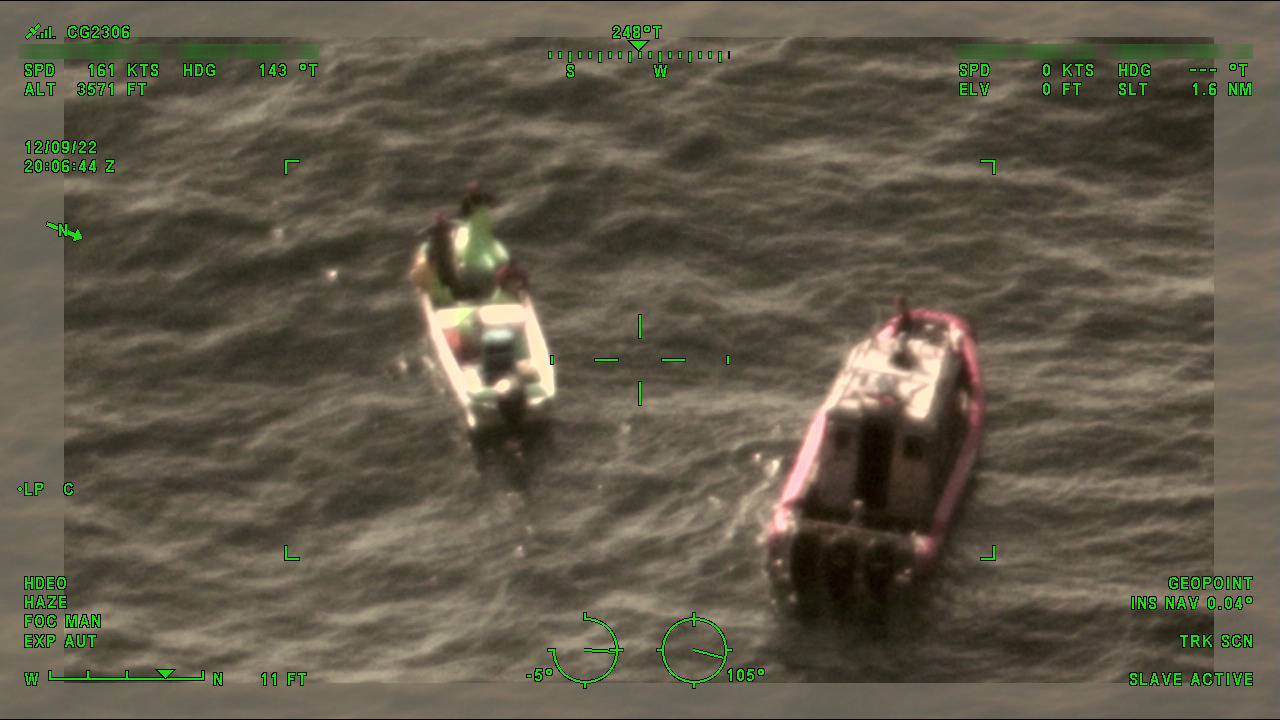
TEXAS: USCG District 8 video, Mexicans fishing illegally off the coast of Texas try to escape capture, 09DEC2022:
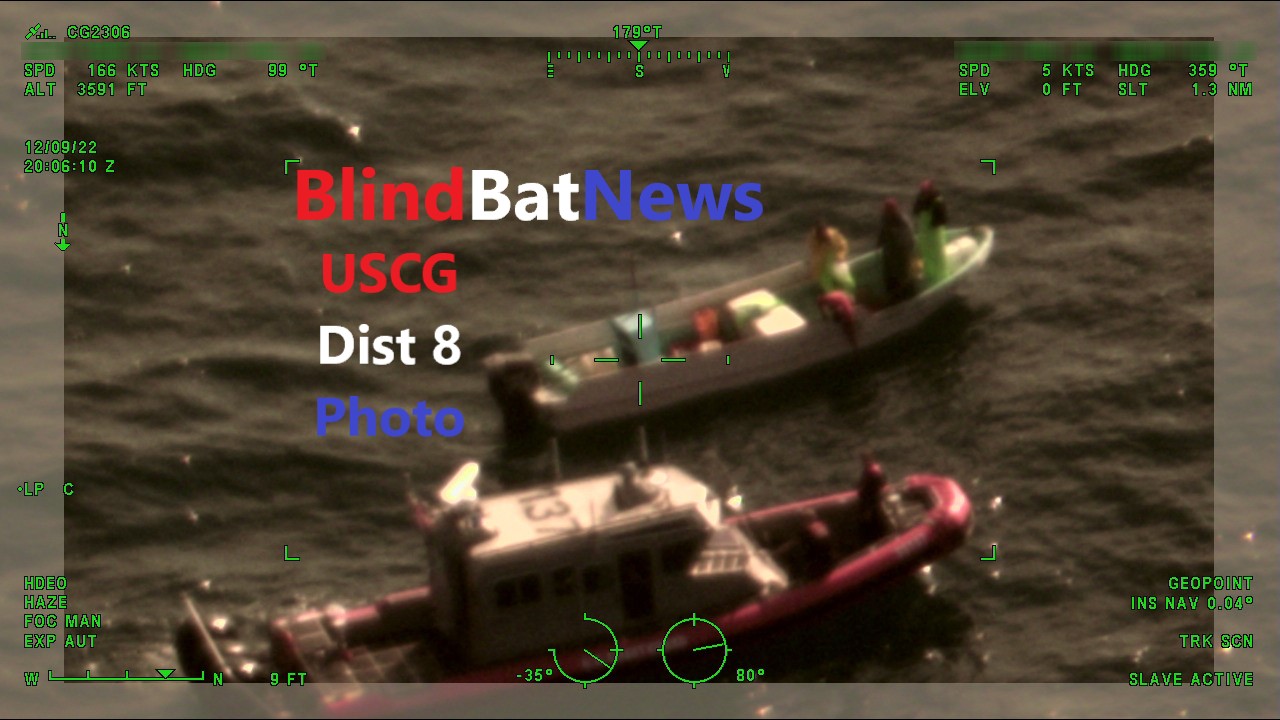
USCG District 8 photo, 09DEC2022.
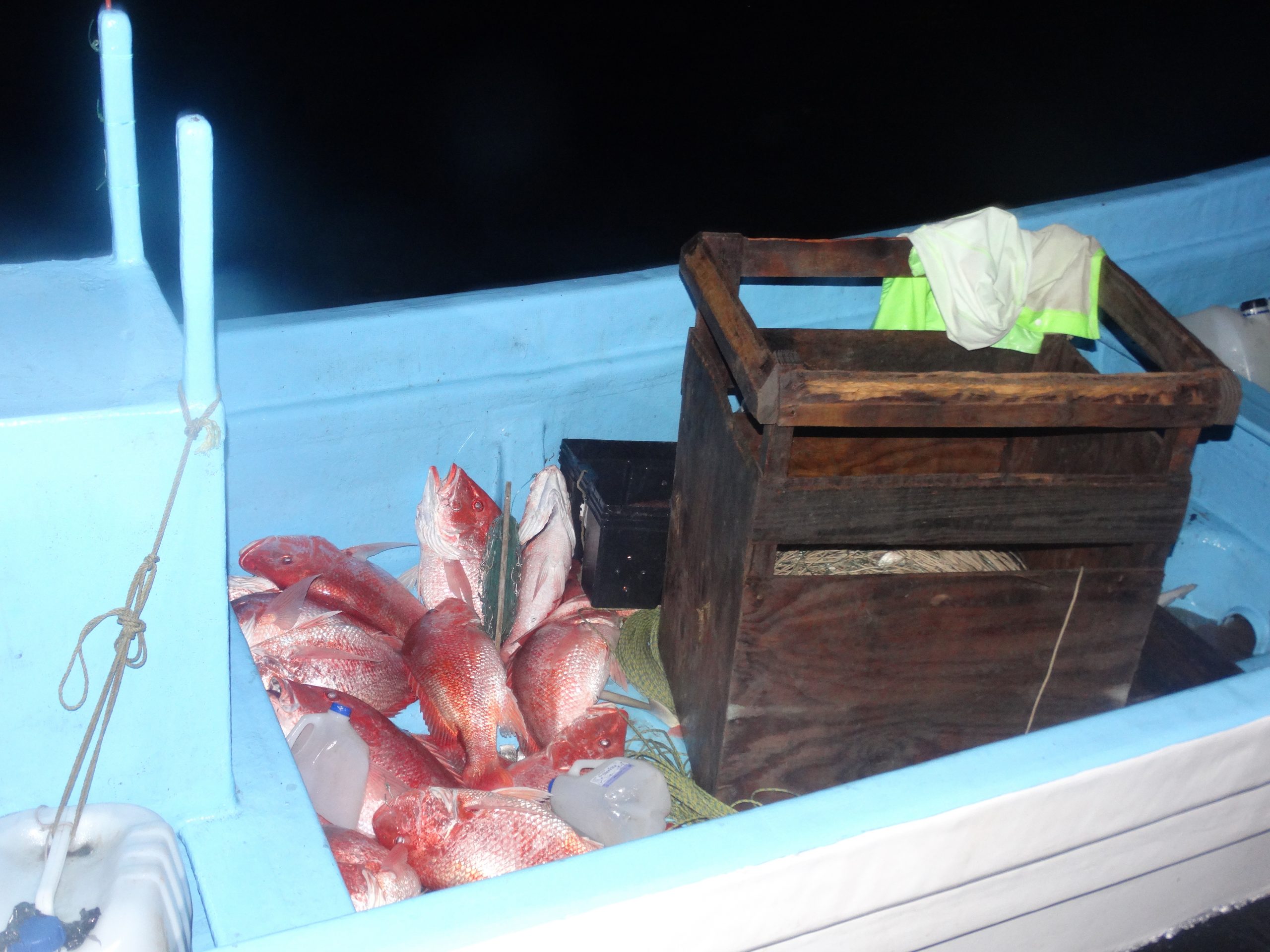
USCG District 8 reports they captured a total of two boats with 600 pounds of illegally fished red snapper on 09DEC2022. Eight Mexicans were also captured.
USCG District 8 video, more Mexicans fishing illegally off the coast of Texas try to escape capture, 29DEC2022:
USCG District 8 photo, 29DEC2022.
Apparently 29DEC2022 was a busy day for the USCG, 22 illegal fishermen from Mexico were captured, along with 590 pounds of red snapper. The fishermen were handed over to Customs and Border Protection.
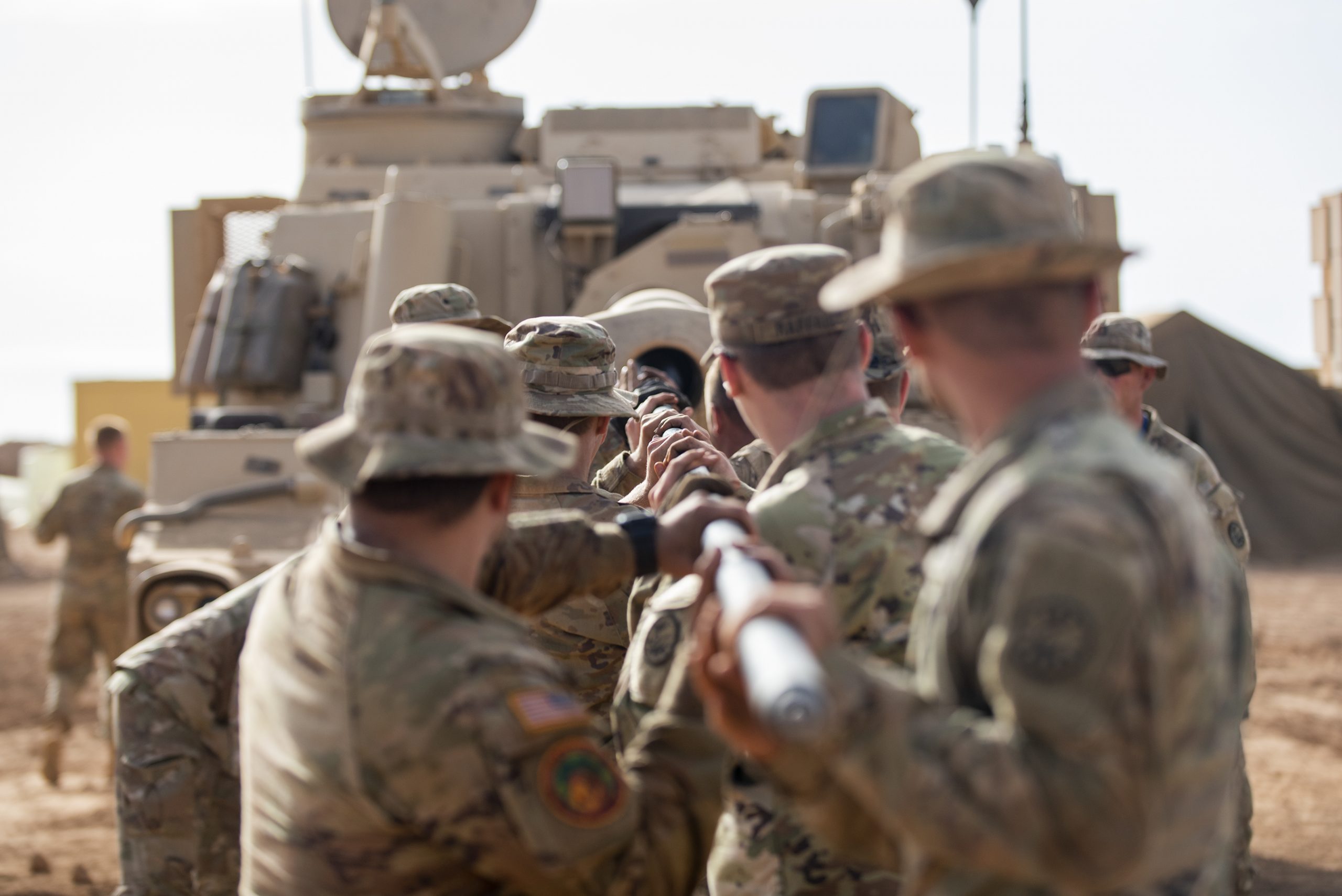
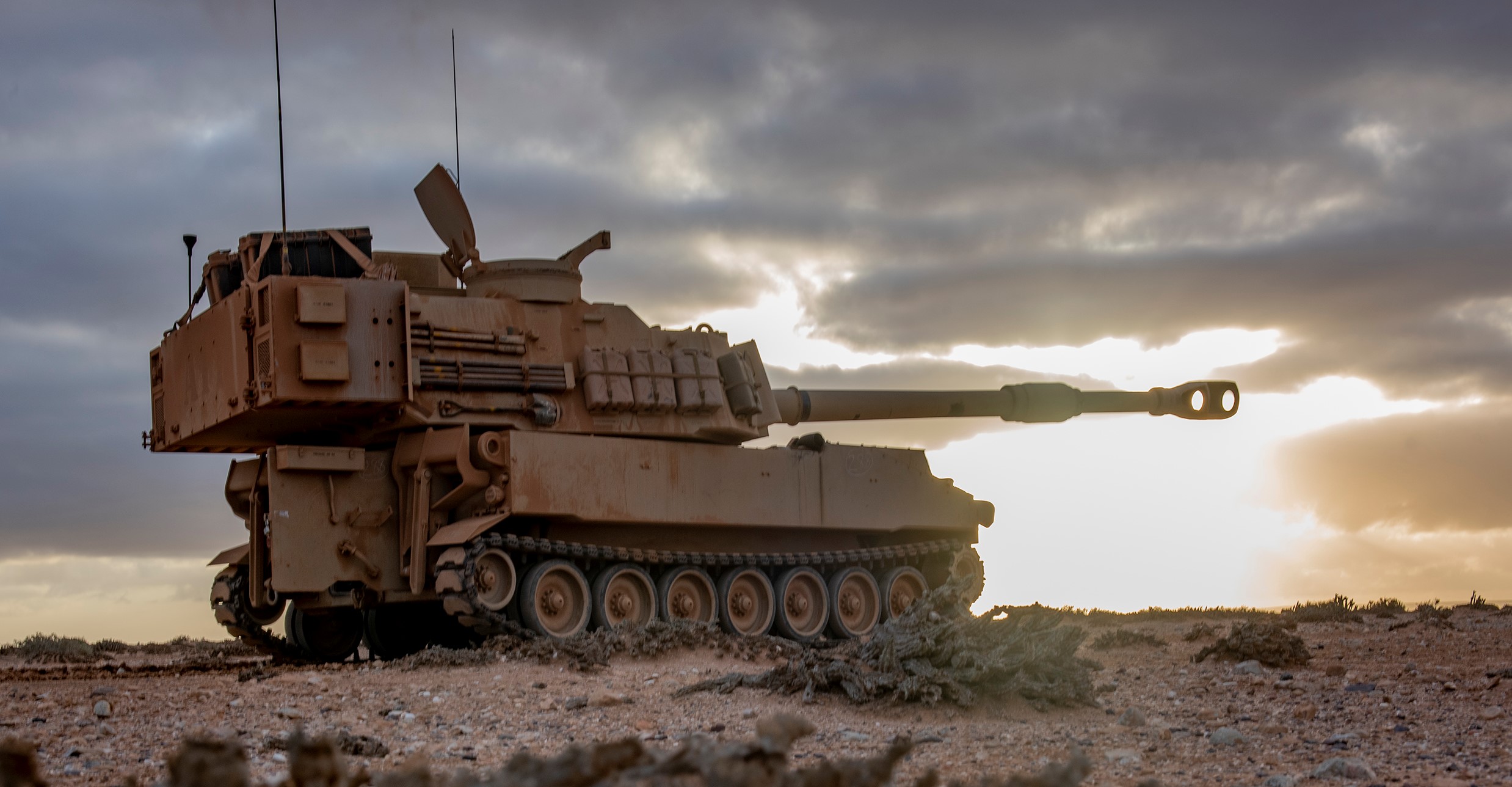
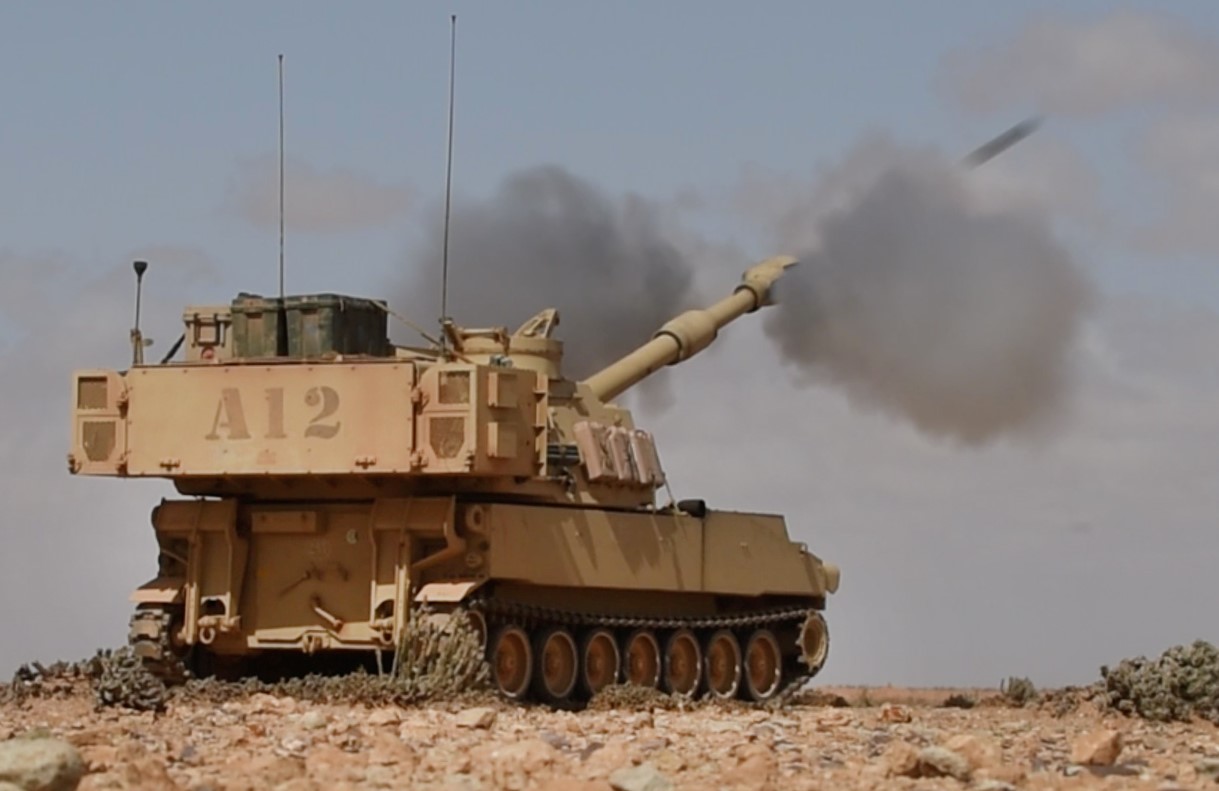
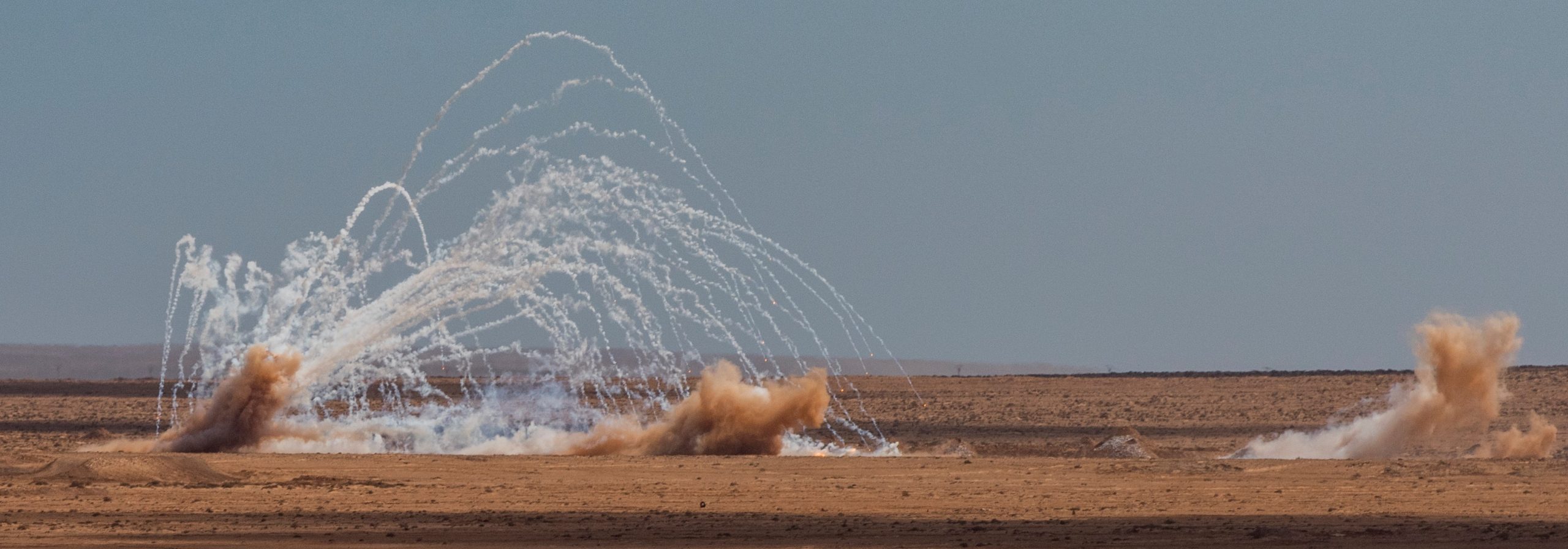
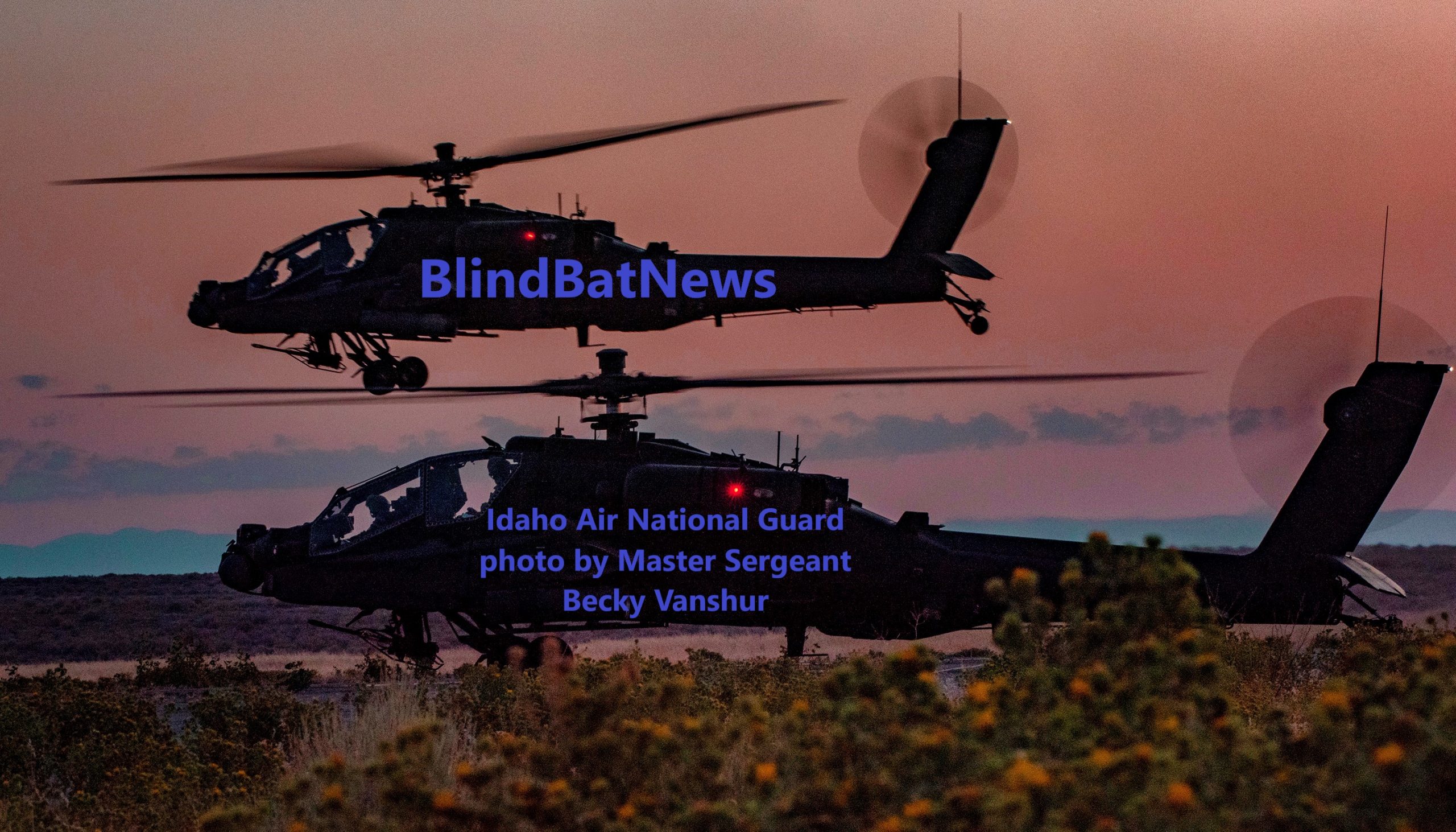
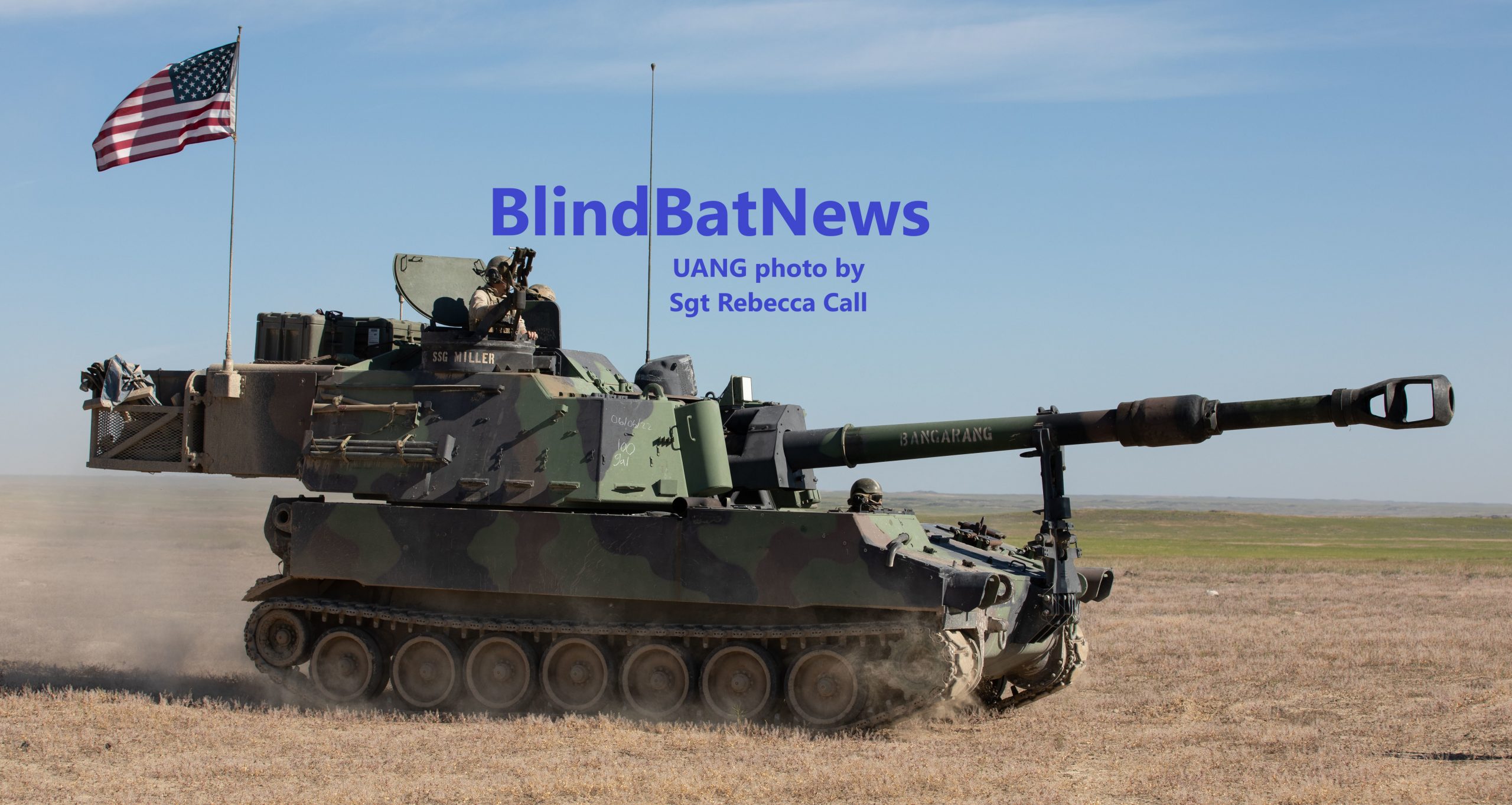
During the month of June, 2022, the Idaho Army National Guard’s 1st Battalion-148th Field Artillery Regiment-116th Cavalry Brigade Combat Team (aka Snake River Brigade) pounded the countryside of Morocco, on the African continent. Apparently it is part of having good international relations, and somehow reduces deployments: “One goal of the National Defense Strategy is to have good international relations and partnerships. Building multinational relationships, increasing their tactical proficiency and understanding how to work together reduces deployment requirements for our military and our international partners, and helps provide global security.”-Major Ryan Batt, 1st Battalion-148th Field Artillery Regiment-116th Cavalry Brigade Combat Team
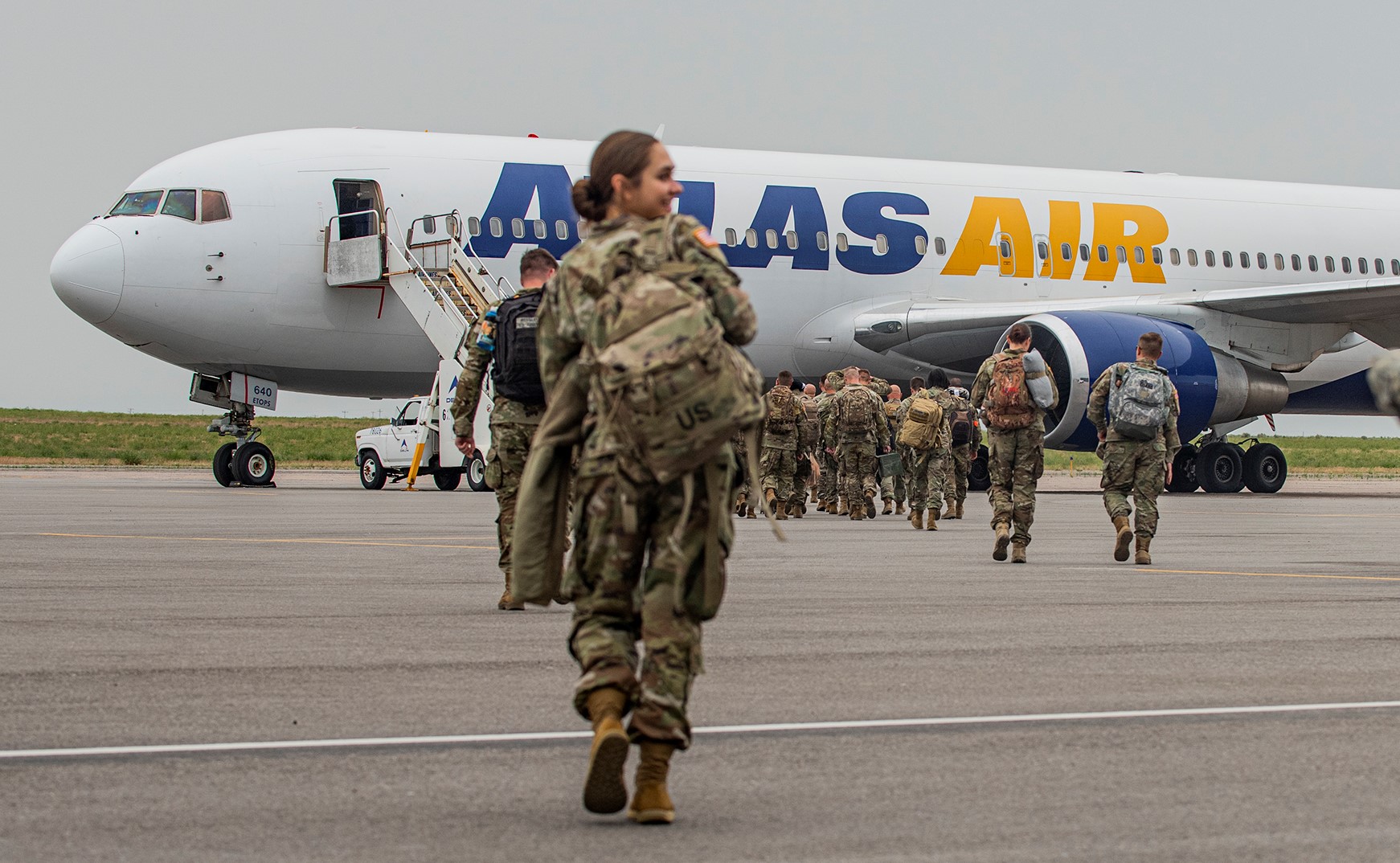
A now all too familar sight in Idaho, boarding a contracted plane for deployment, this time to Morocco, 18JUN2022. Idaho National Guard photo by Idaho Air National Guard’s Master Sergeant Becky Vanshur.
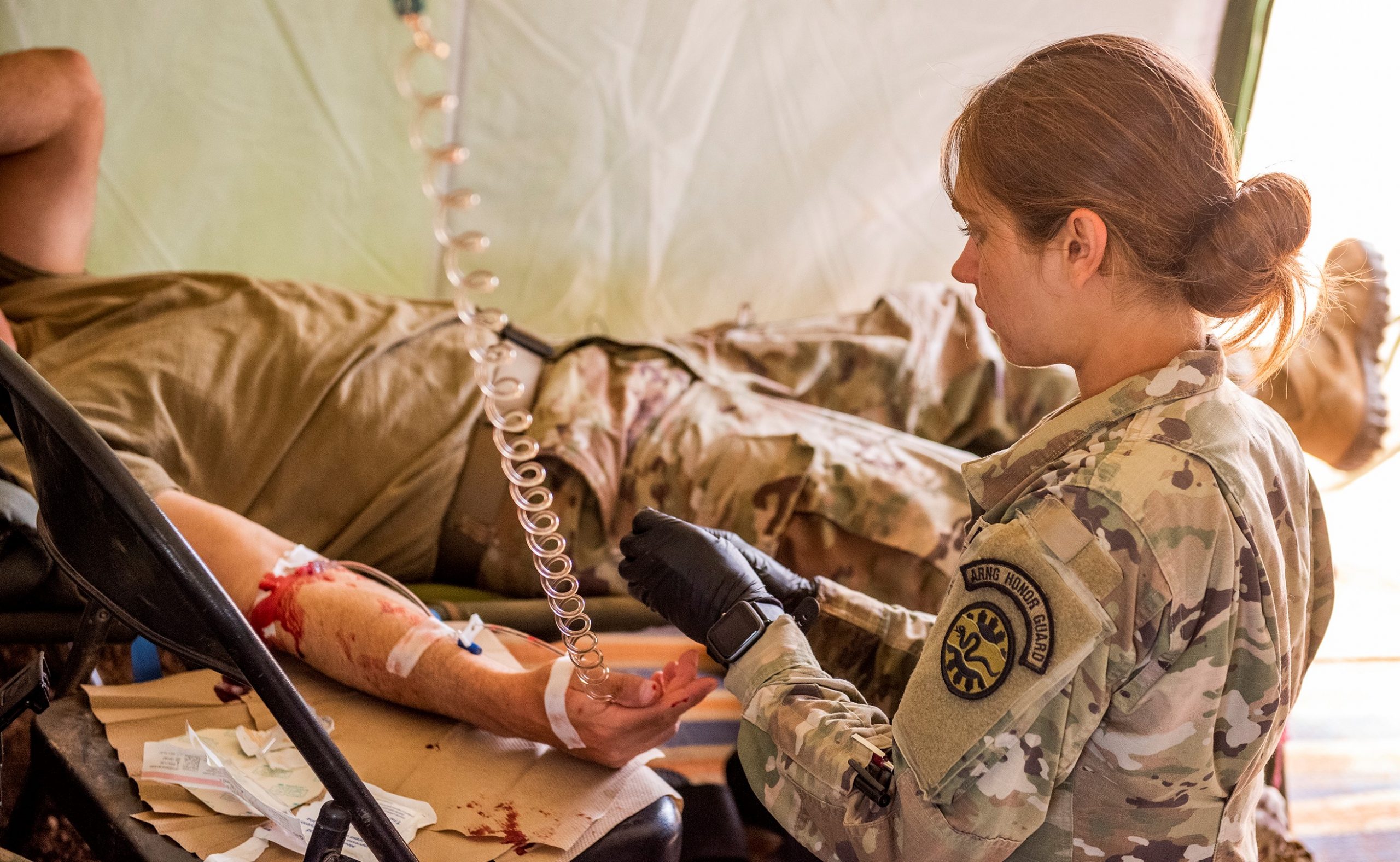
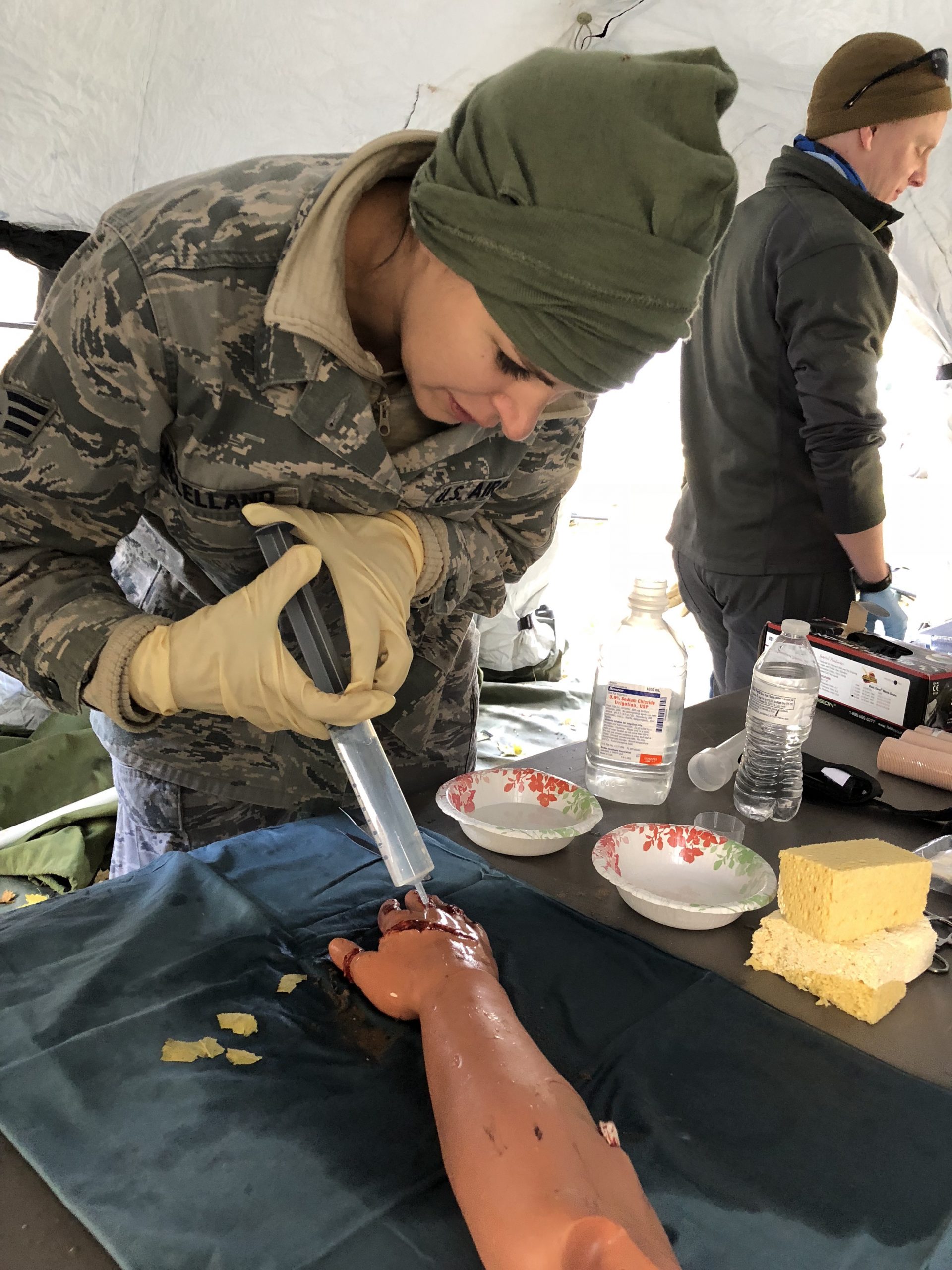
Somebody needed some attention from an Idaho -Snake River- Medic, this was not a drill (real blood folks). Idaho National Guard photo by Idaho Air National Guard’s Master Sergeant Becky Vanshur, 25JUN2022.
“Global security and the National Defense Strategy is important not only to us in Idaho but as a whole nation and should be important globally. This relationship has always been there, and we want to keep it strong moving forward.”-Major Ryan Batt, 1st Battalion-148th Field Artillery Regiment-116th Cavalry Brigade Combat Team
Idaho National Guard photo by Idaho Air National Guard’s Master Sergeant Becky Vanshur, 21JUN2022.
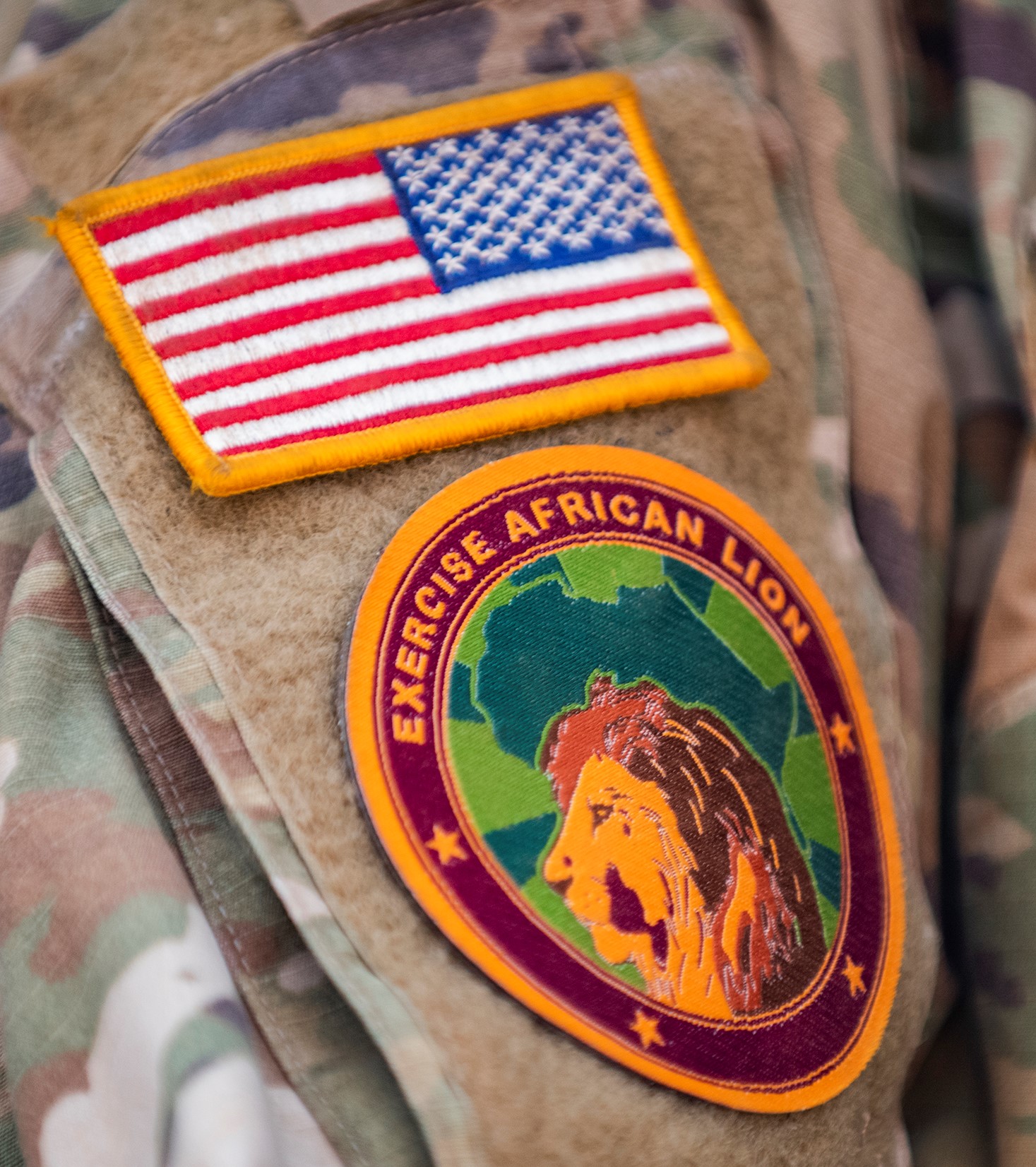
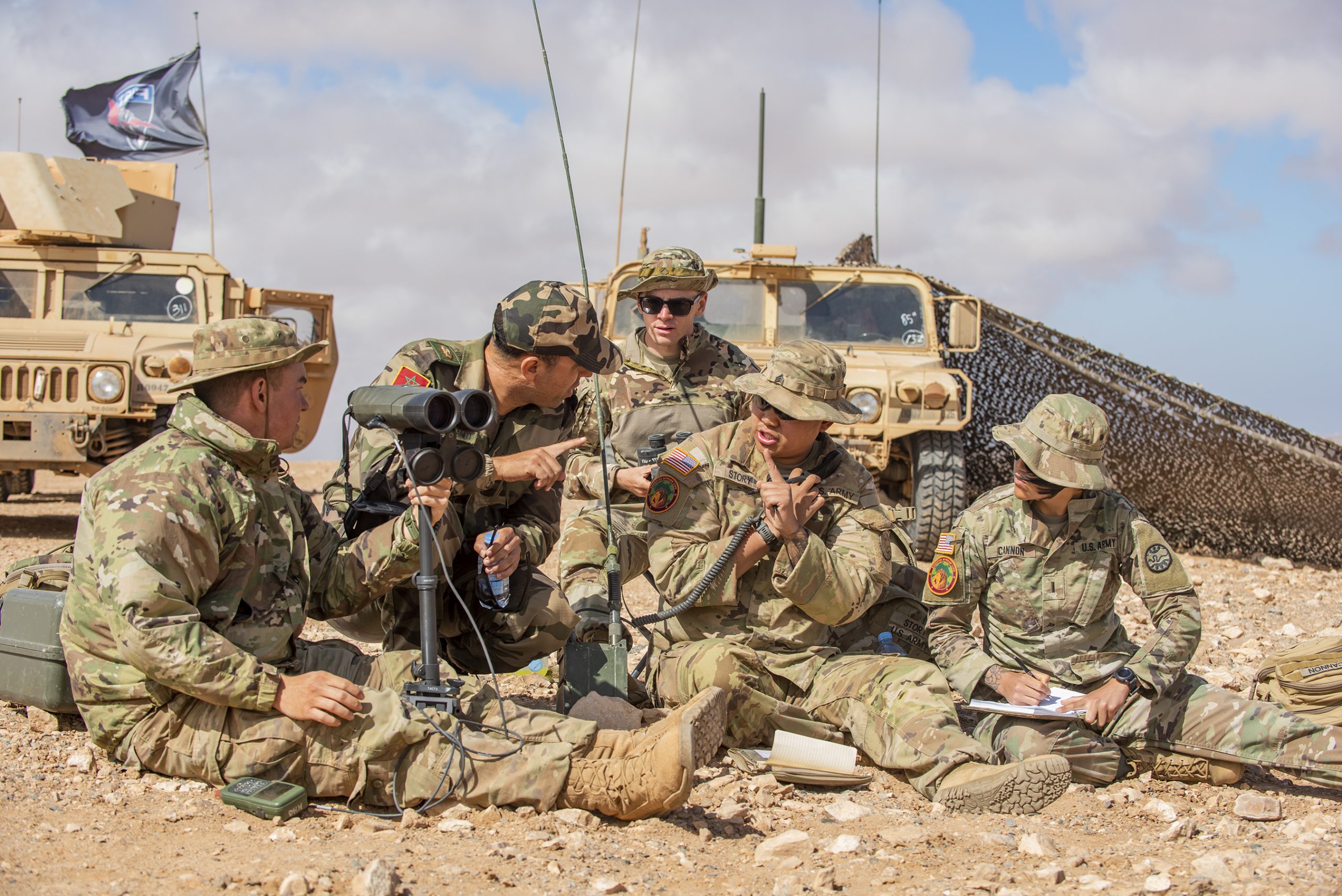
Back to the pounding of Morocco. This was part of what has become the largest yearly U.S./NATO wargame on the African continent, called African Lion. About 80 Idaho Army & Air Guard personnel joined others from Oregon, Utah and Wisconsin Army National Guards, as well as a U.S. Marine Corps Reserve unit from California, and a Regular Army (RA, aka full-time active duty) unit from Texas, along with military personnel from Brazil, NATO-Canada, Ghana, Morocco, NATO-Netherlands, Senegal, Tunisia and NATO-United Kingdom. Whew, more than 8-thousand military personnel!
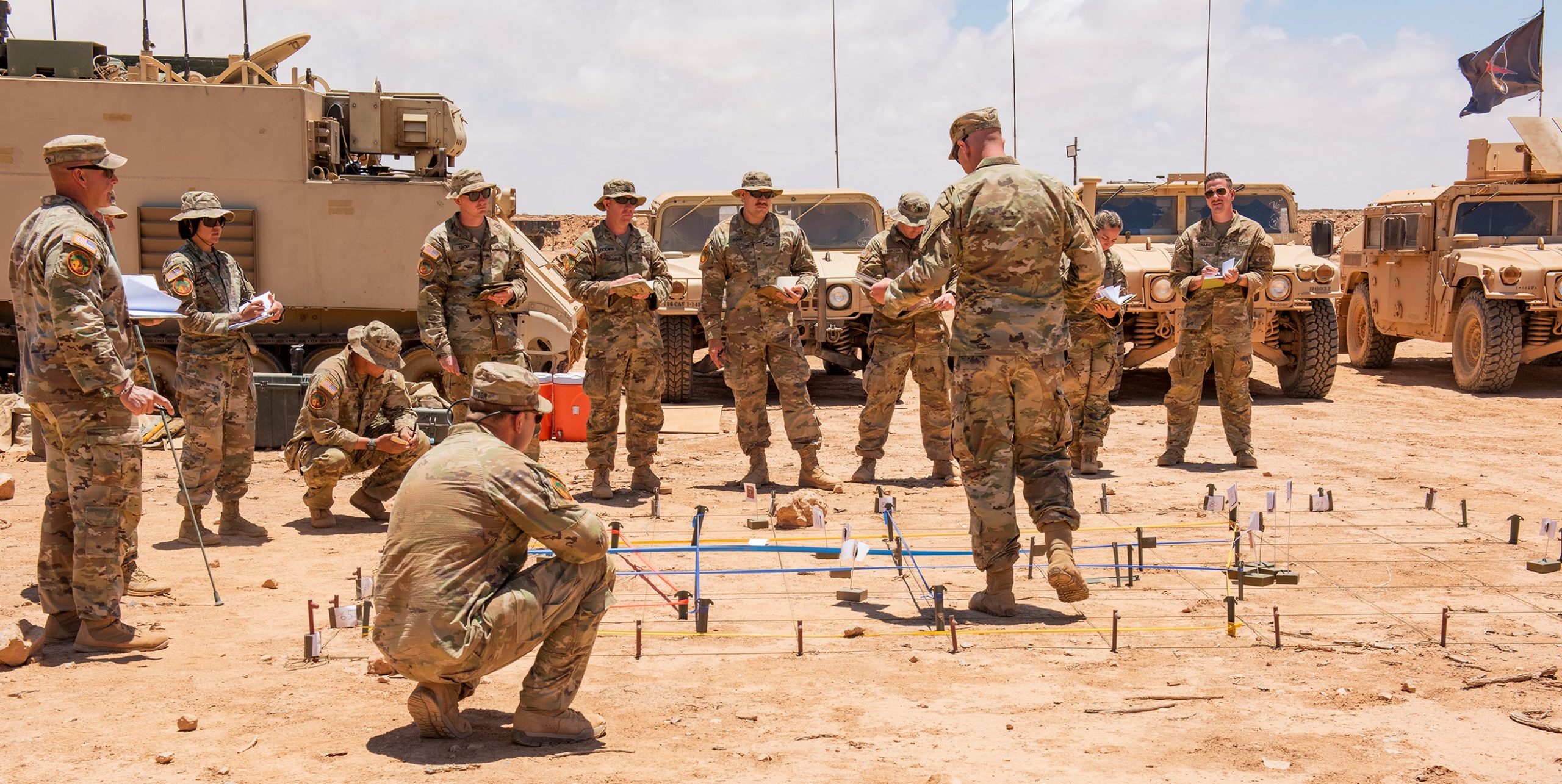
‘Rock Drill’ before the action. Idaho National Guard photo by Idaho Air National Guard’s Master Sergeant Becky Vanshur, 24JUN2022. Named Rock Drill because most of the time you use rocks to represent different things on the battlefield.
Originally, Exercise African Lion started as a computer simulation in 1998, between a U.S. Army airborne unit in NATO-Italy and an airborne unit in Morocco. It was held every two years. By 2005, it involved actual military personnel on the ground in Morocco. In 2007 it became a yearly wargame, involving more and more U.S. personnel and other NATO countries (again proving that this type of National Defense Strategy does not reduce deployments, or anything else). Interestingly, in March 2020, General Stephen Townsend, the commander of U.S. Africa Command (USAfriComm), stated “African Lion has been significantly reduced in scale and scope based on concerns that we all have about the safety of our troops and those of our partners.” Really?
‘Punching the Tube’. Idaho National Guard photo by Idaho Air National Guard’s Master Sergeant Becky Vanshur, 22JUN2022.
The Idaho National Guard also took part in African Lion in March 2019.
Idaho National Guard photo by Idaho Air National Guard’s Master Sergeant Becky Vanshur, 22JUN2022.
FiSTs & COLTs, I was a 13F decades ago in Pocatello. They get to call in and direct the artillery fire. Idaho National Guard photo by Idaho Air National Guard’s Master Sergeant Becky Vanshur, 24JUN2022.
COLT=Combat Observation Lasing Team
FiST=Fire Support Team
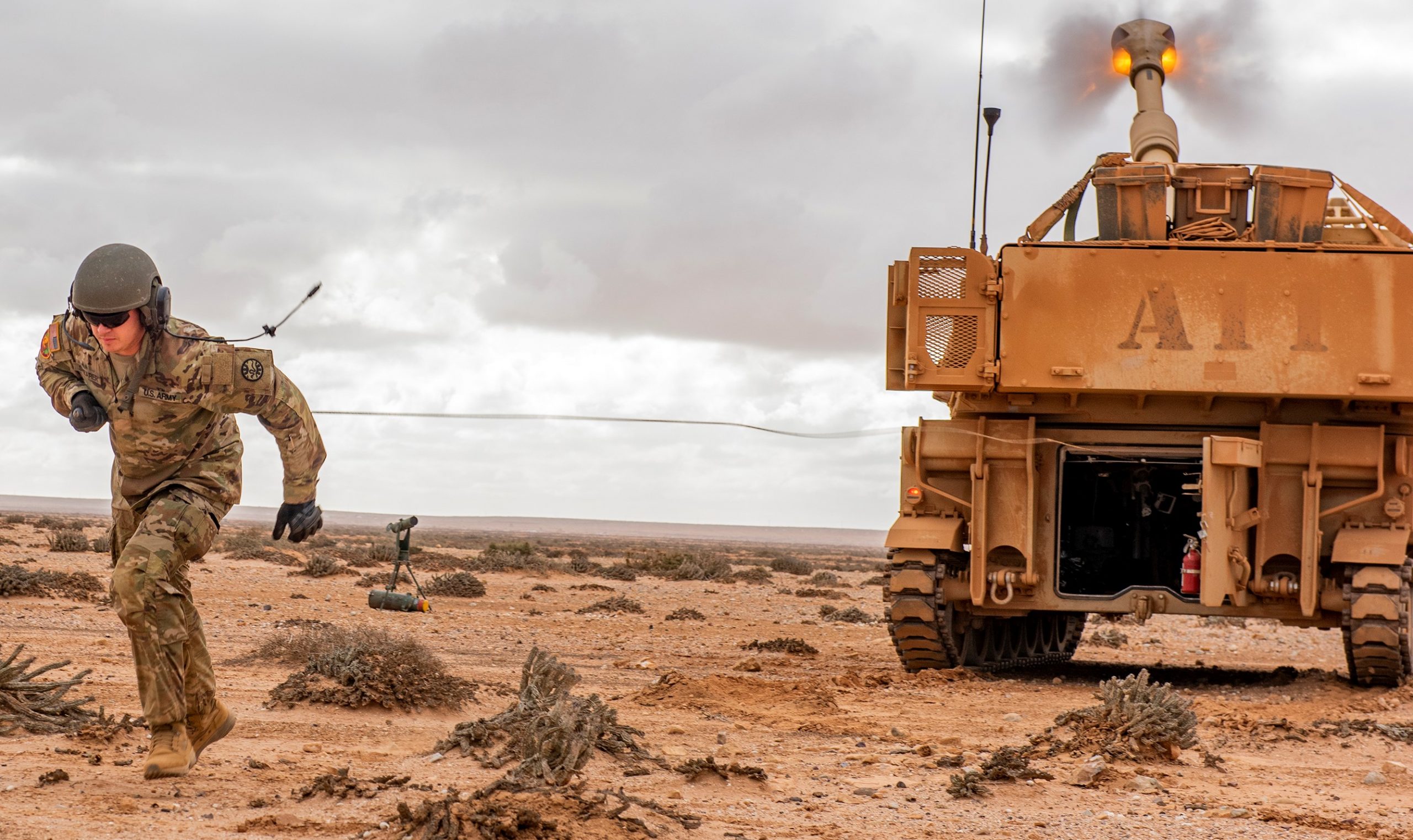
“Fire!” Idaho National Guard photo by Idaho Air National Guard’s Master Sergeant Becky Vanshur, 22JUN2022.
“Shot Out!” Idaho National Guard photo by Idaho Air National Guard’s Master Sergeant Becky Vanshur, 24JUN2022.
“Splash!” Idaho National Guard photo by Idaho Air National Guard’s Master Sergeant Becky Vanshur, 24JUN2022.
Video sequences recorded by Idaho Air National Guard’s Master Sergeant Becky Vanshur, 26JUN2022, edited together by me:
Cold War: Approximately 1947 (due to U.S. President Harry Truman’s Truman Doctrine) to 1991 (Operation Desert Storm, collapse of Soviet Union).
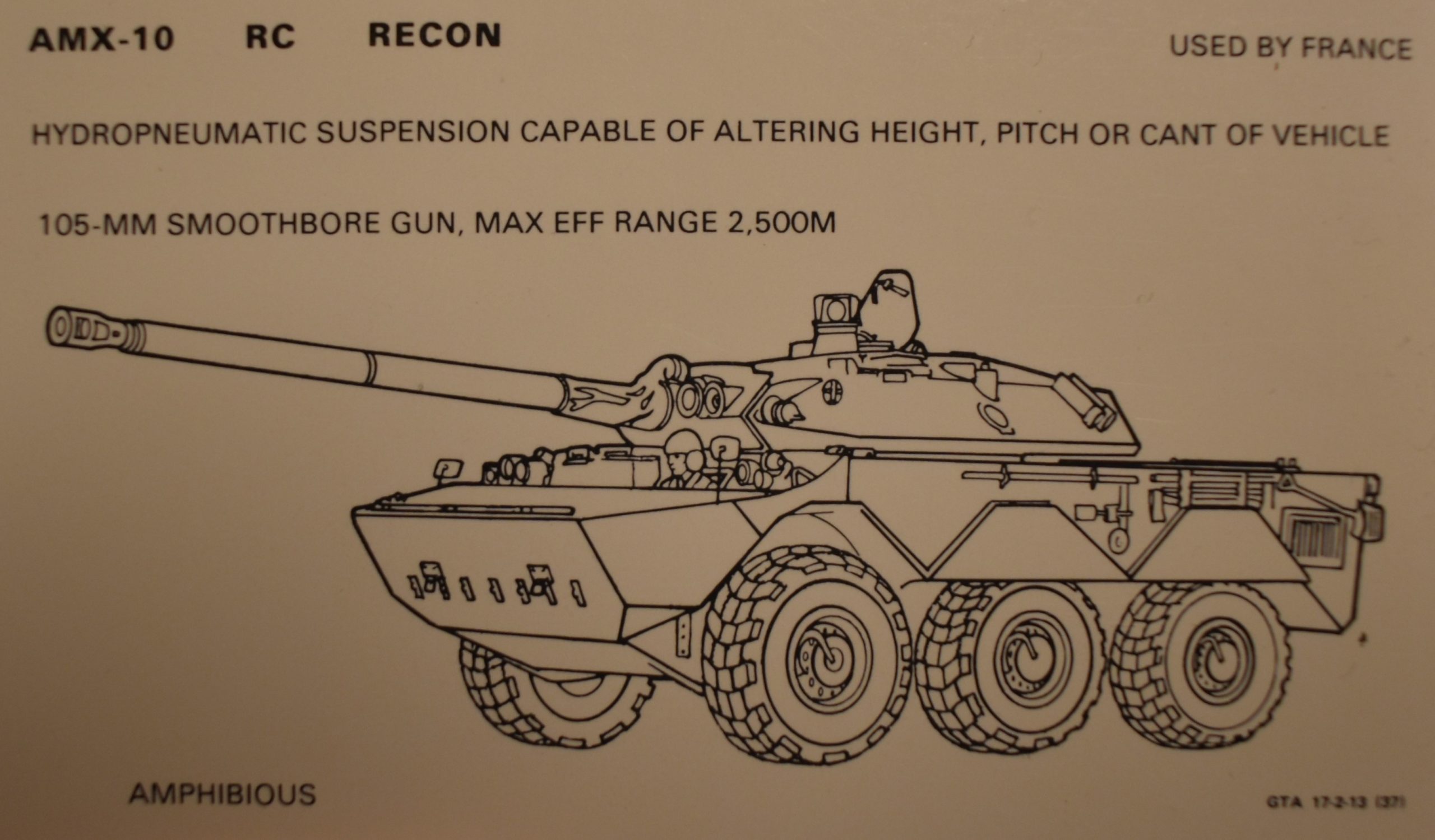
From U.S. Army Graphic Training Aid, Armored Vehicle Recognition, 1987.
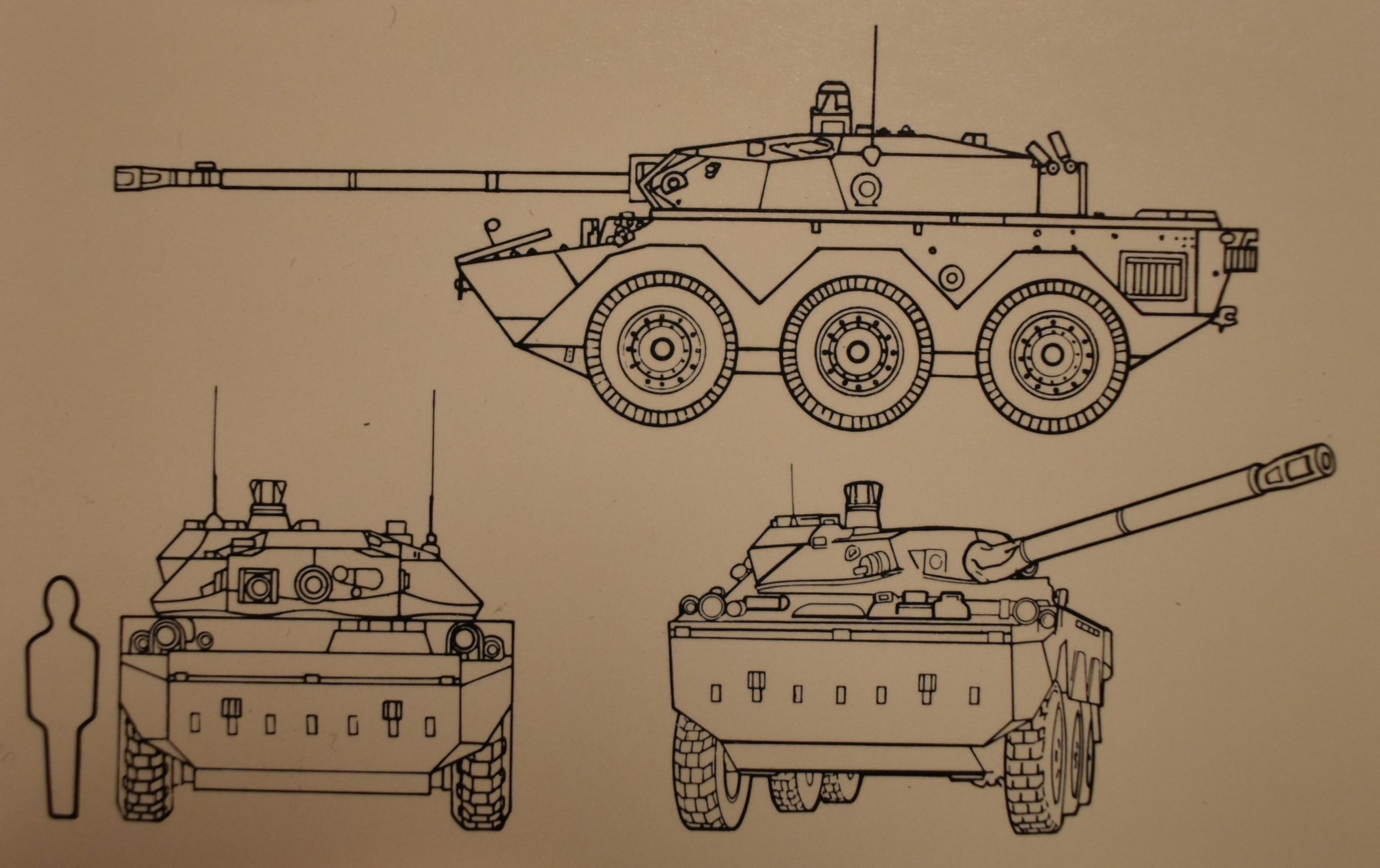
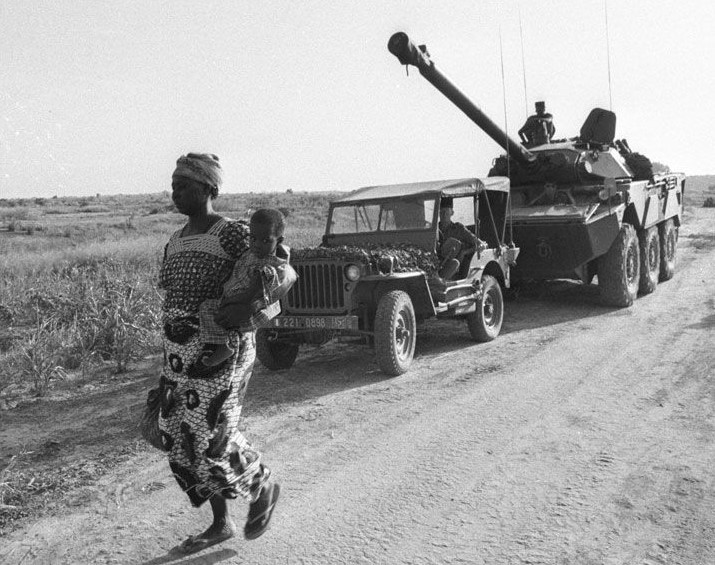
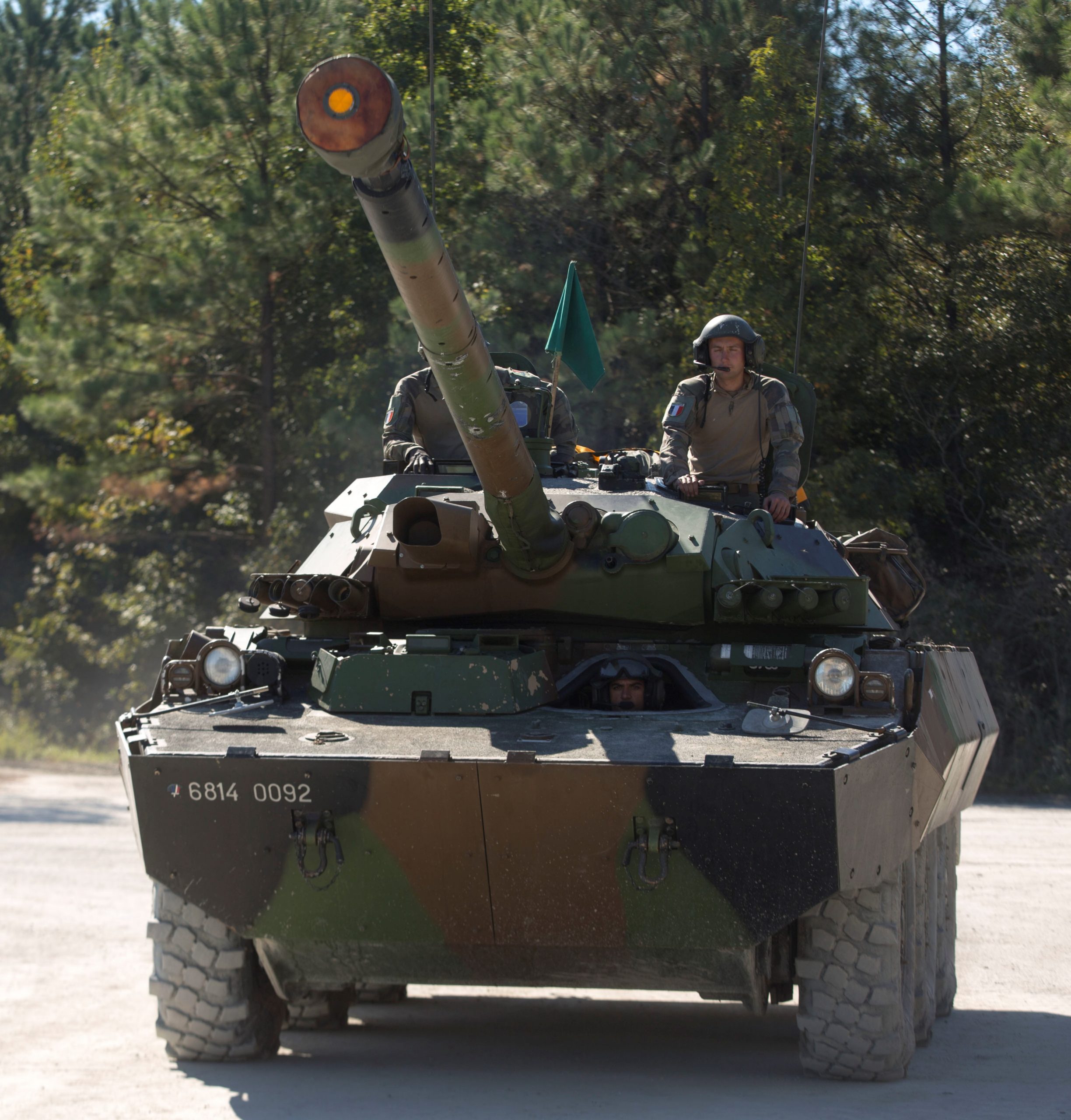
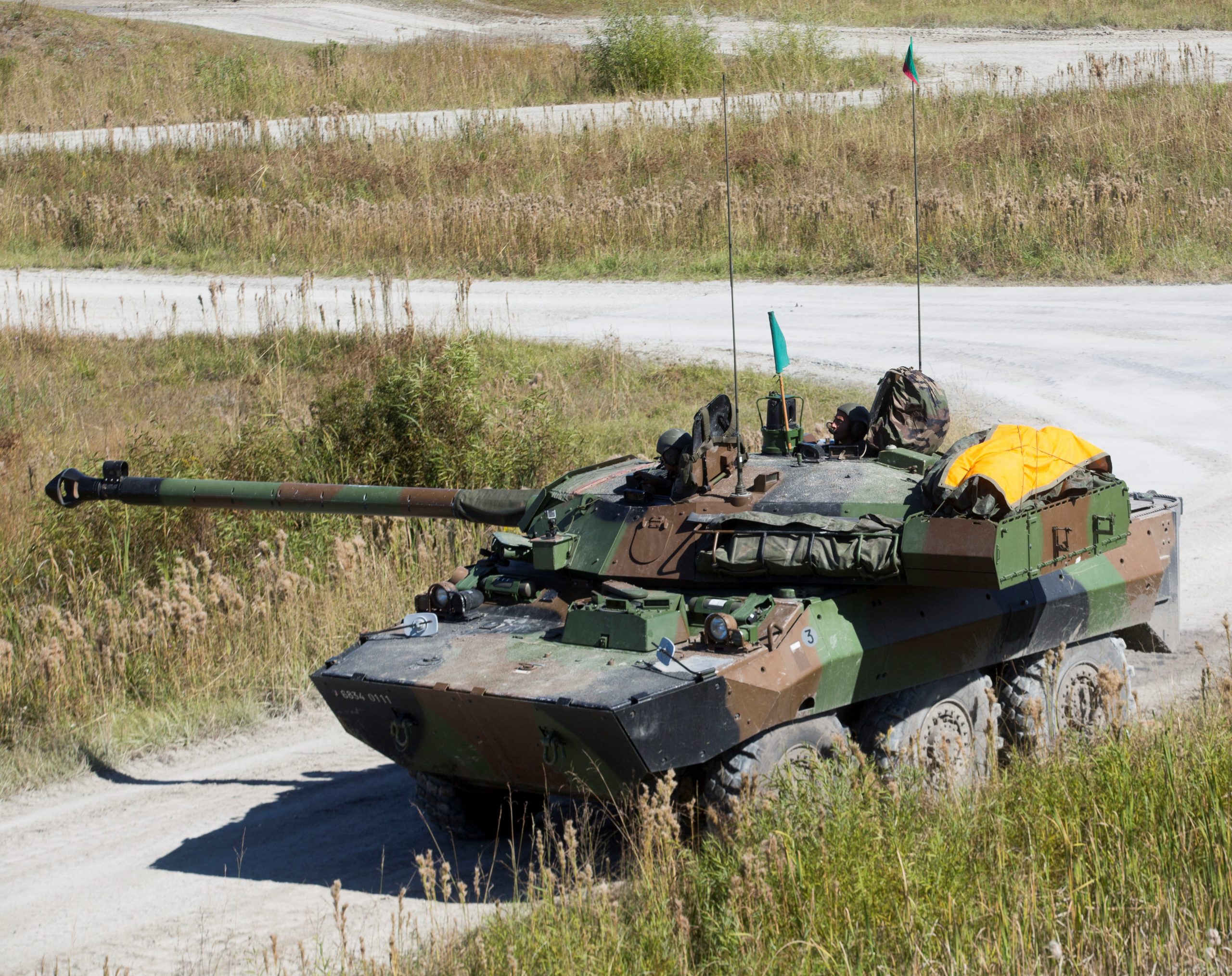
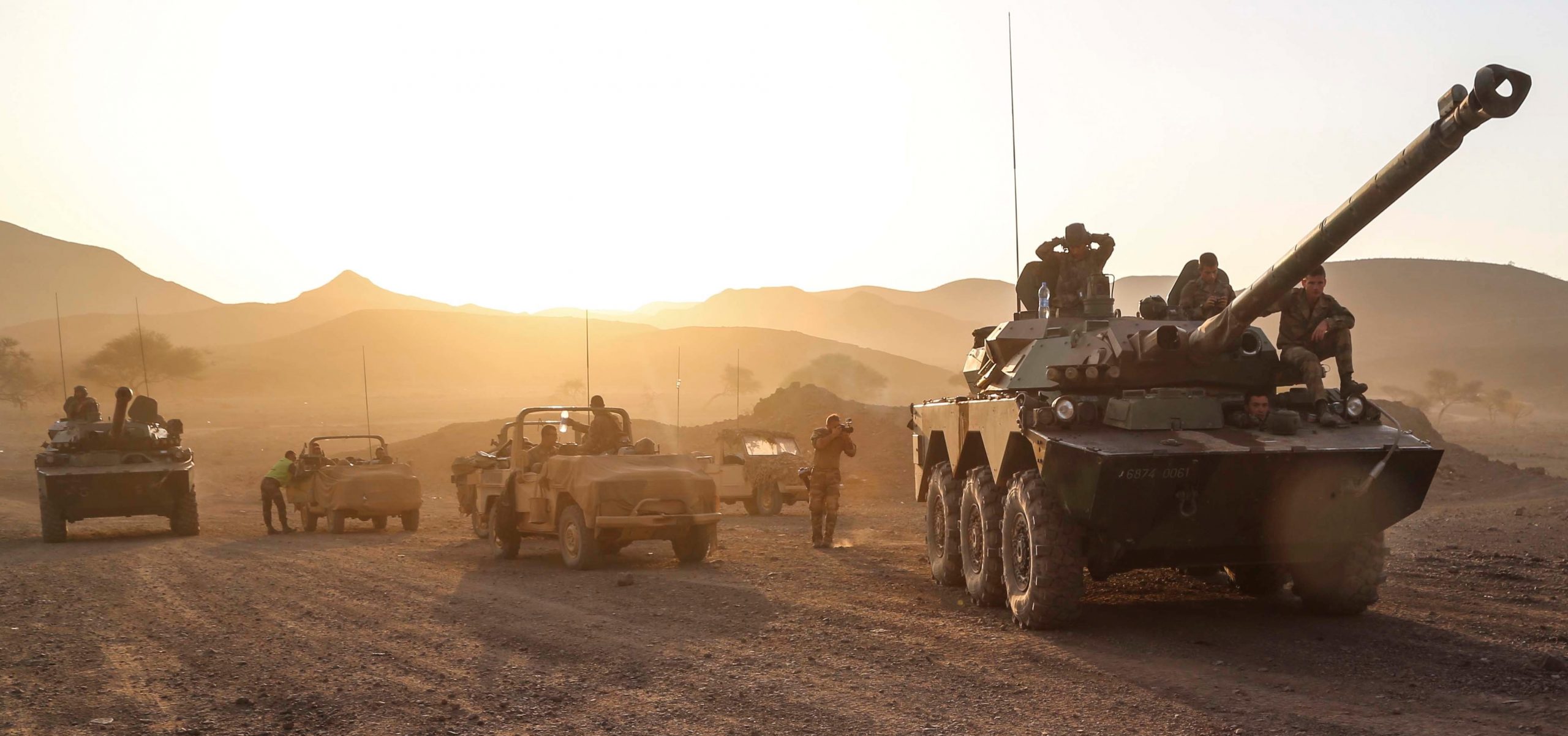
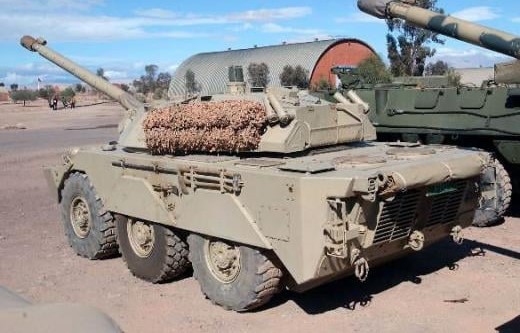
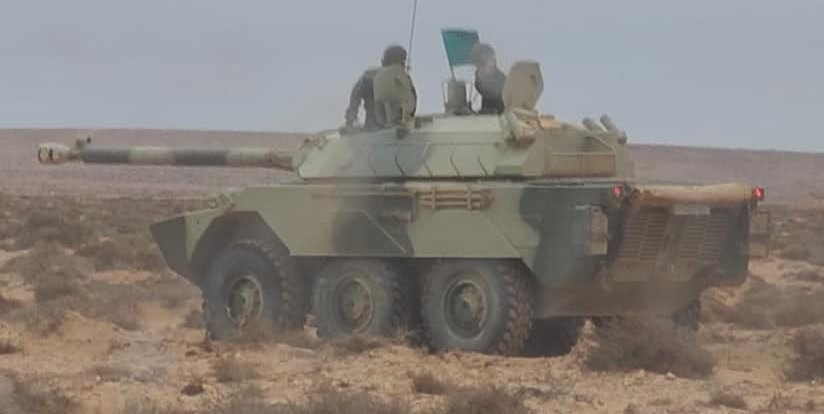
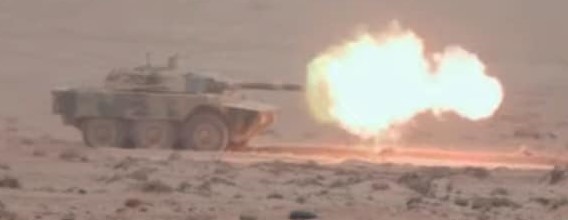
Depending on your source of information, France has been using the AMX-10RC since 1979 or 1981. One source says development began in 1970, with the first French unit getting its AMX-10RCs between 1981 and 1982.
From U.S. Army Graphic Training Aid, Armored Vehicle Recognition, 1987.
I think it is strange that information on this armored car is so conflicting, and it is strange that I cannot find any images of in-service AMX-10RCs prior to Operation Desert Storm.
The RC stands for Roues-Canon, in English it means Wheeled-Cannon. It was made by a company called GIAT Industries (now called Nexter Systems).
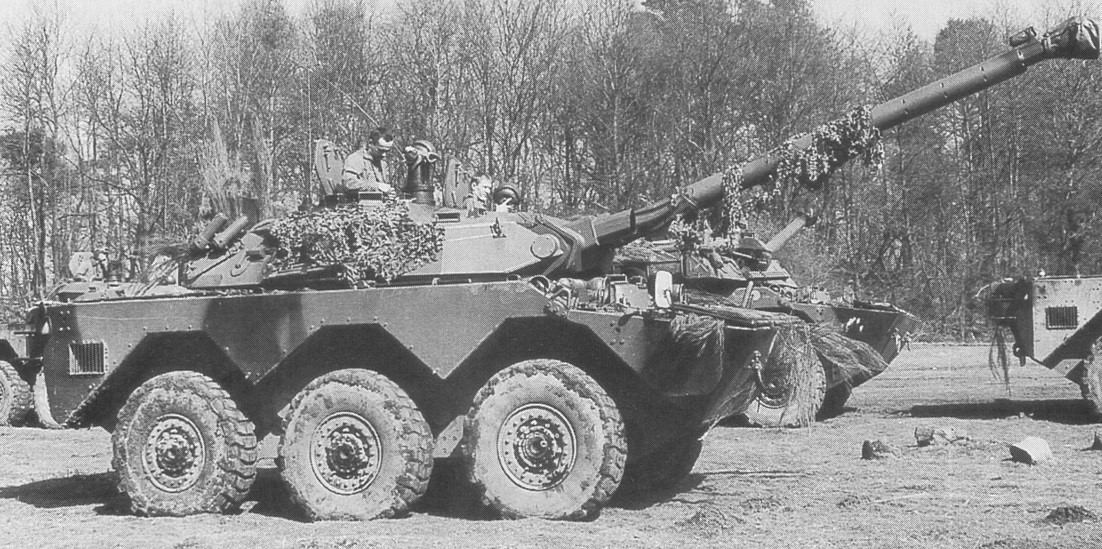
French invasion of Chad, I mean peacekeeping operations, 1984.
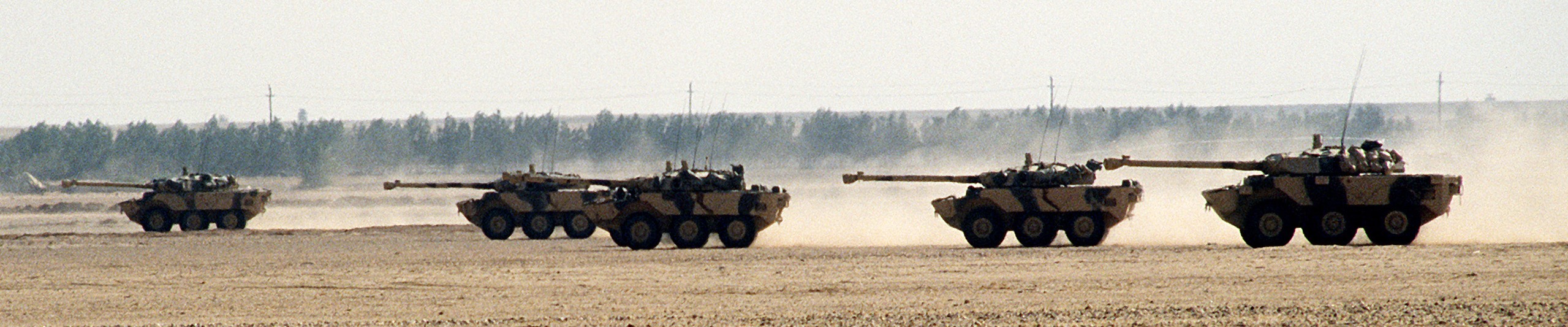
Somewhere in Saudi Arabia, French AMX-10RC reconnaissance vehicles during a parade of coalition armor after Desert Storm. U.S. Air Force photo by Technical Sergeant H. H. Deffner, 14MAY1992.
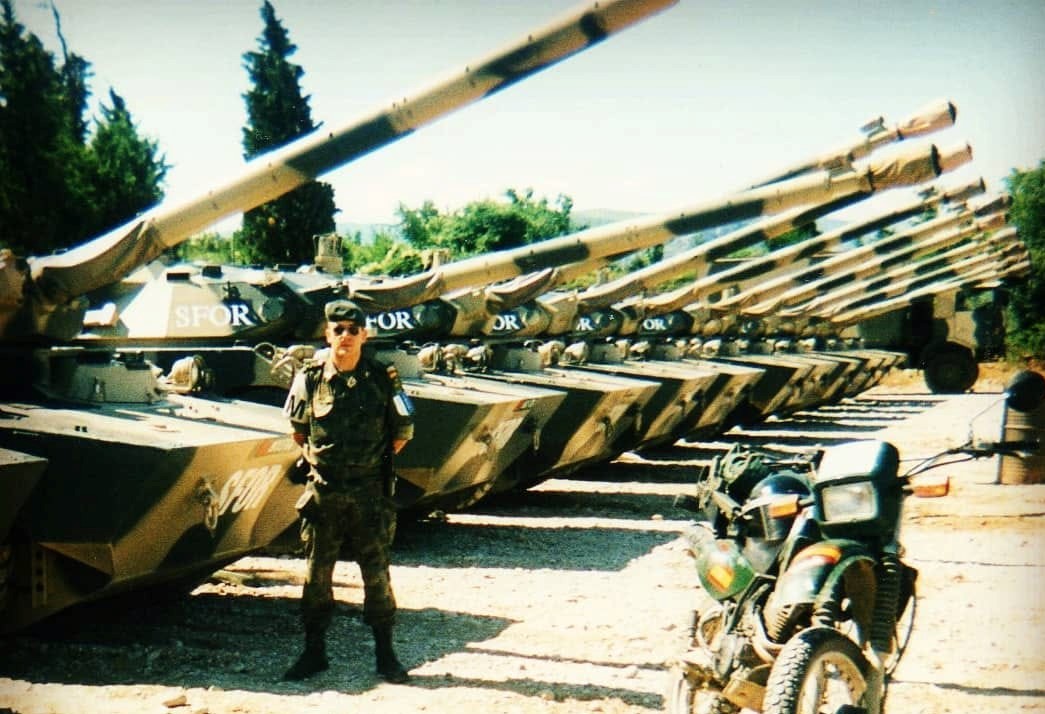
SFor (Stabilisation Force) AMX-10RC in Bosnia-Herzegovina, 1998.
Beginning in 2005, France began upgrading their AMX-10RCs, changing the name to AMX-10RCR, the extra R stands for Renove, meaning renovated in English.
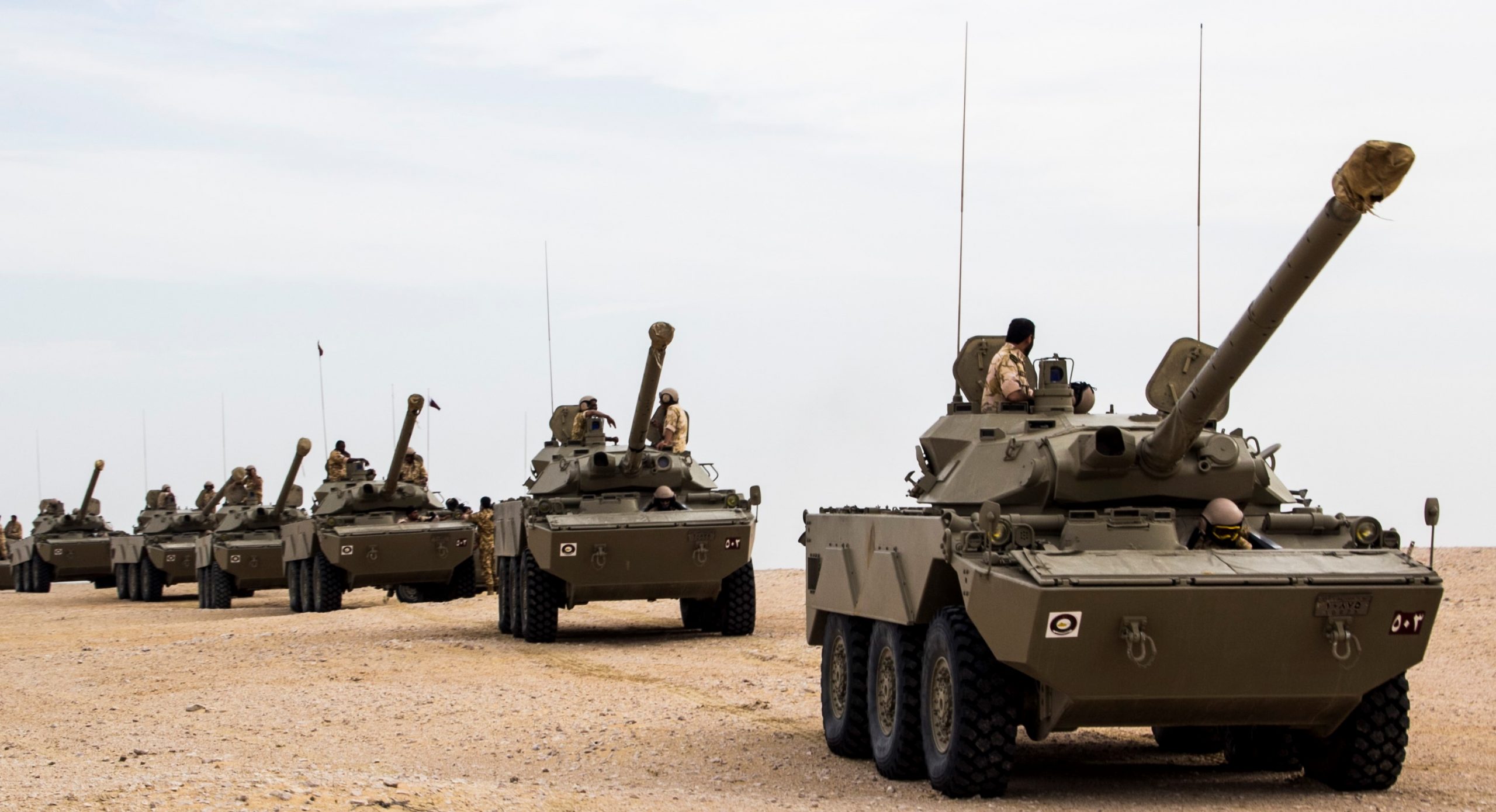
Qatari AMX-10RC, 28APR2013. U.S. Marine Corps photo by Lance Corporal Juanenrique Owings.
On Camp Lejeune, North Carolina, 27OCT2017. U.S. Marine Corps photo by Lance Corporal Damarko Bones.
On Camp Lejeune, North Carolina, 27OCT2017. U.S. Marine Corps photo by Lance Corporal Damarko Bones.
Ukraine Crisis: February 2014 (NATO backed coup) to present.
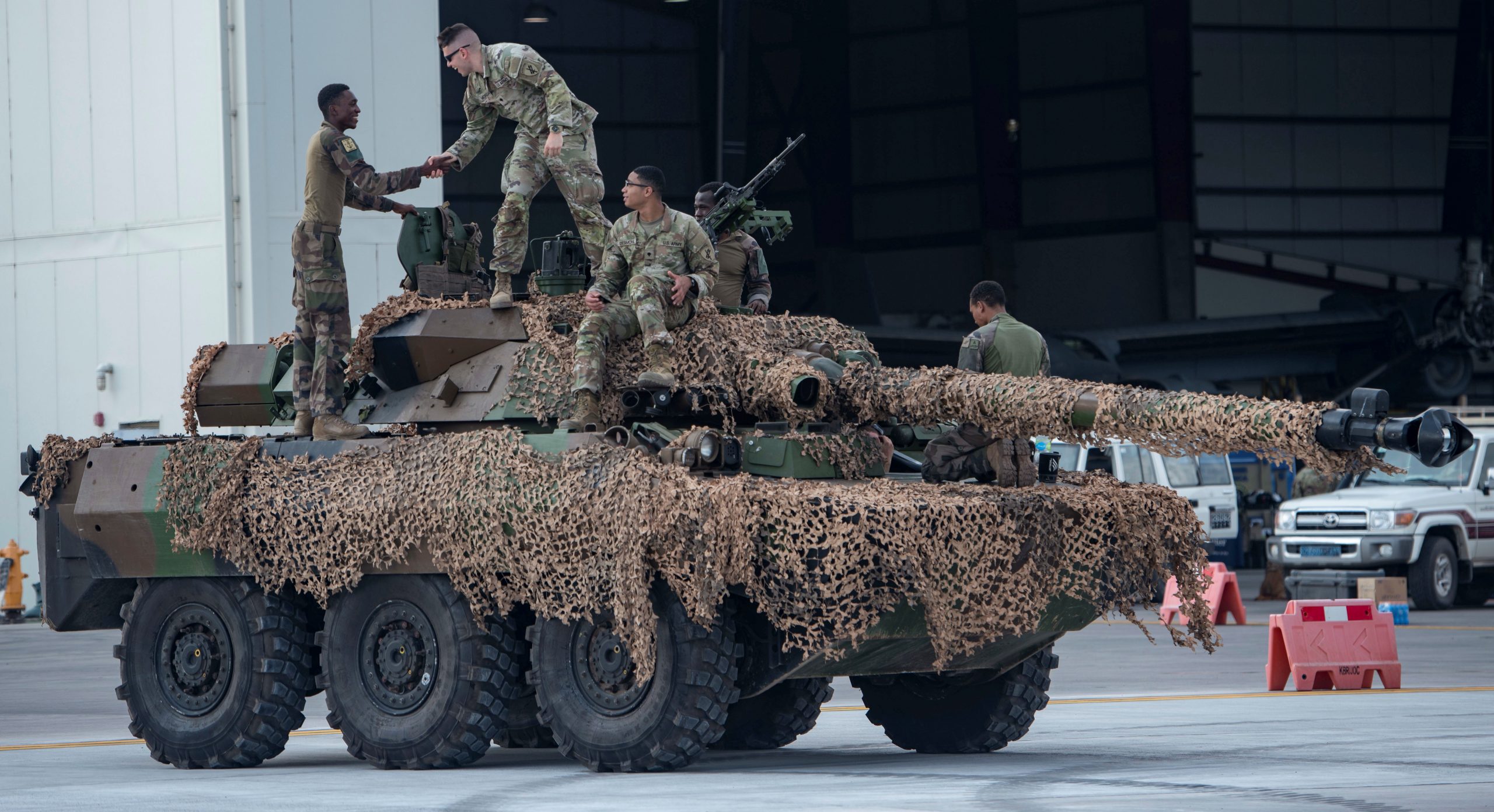
French recon unit, Arta Training Range, Djibouti. U.S. Marine Corps photo by Sergeant Steve H. Lopez, 06OCT2015.
Moroccan AMX-10RC, 2018.
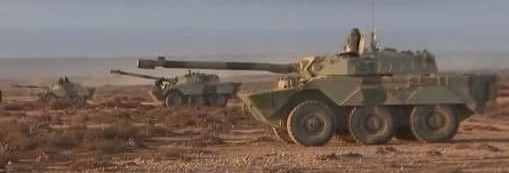
Moroccan AMX-10RC during U.S./NATO wargame African Lion, June 2021.
Moroccan AMX-10RC during U.S./NATO wargame African Lion, June 2021.
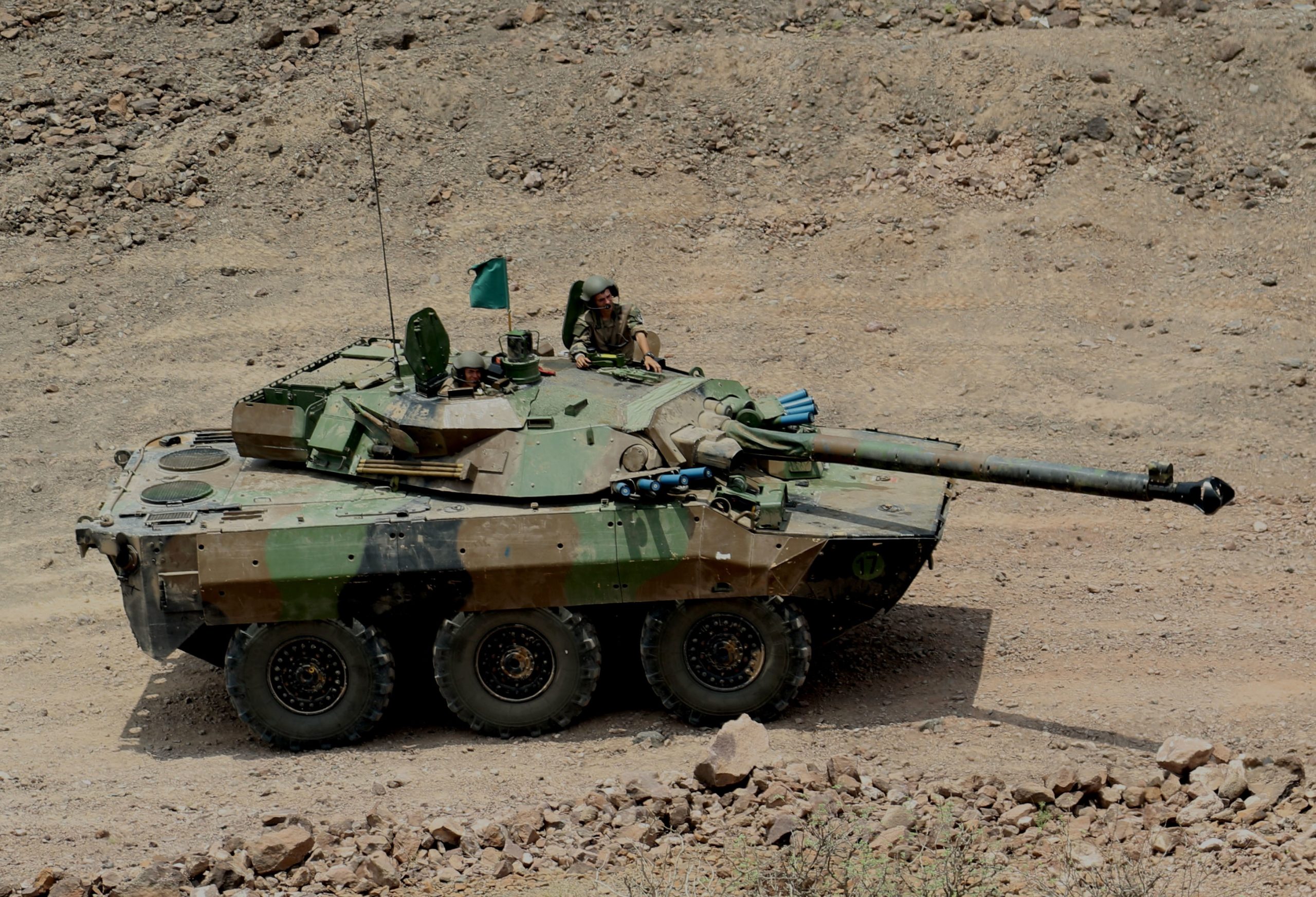
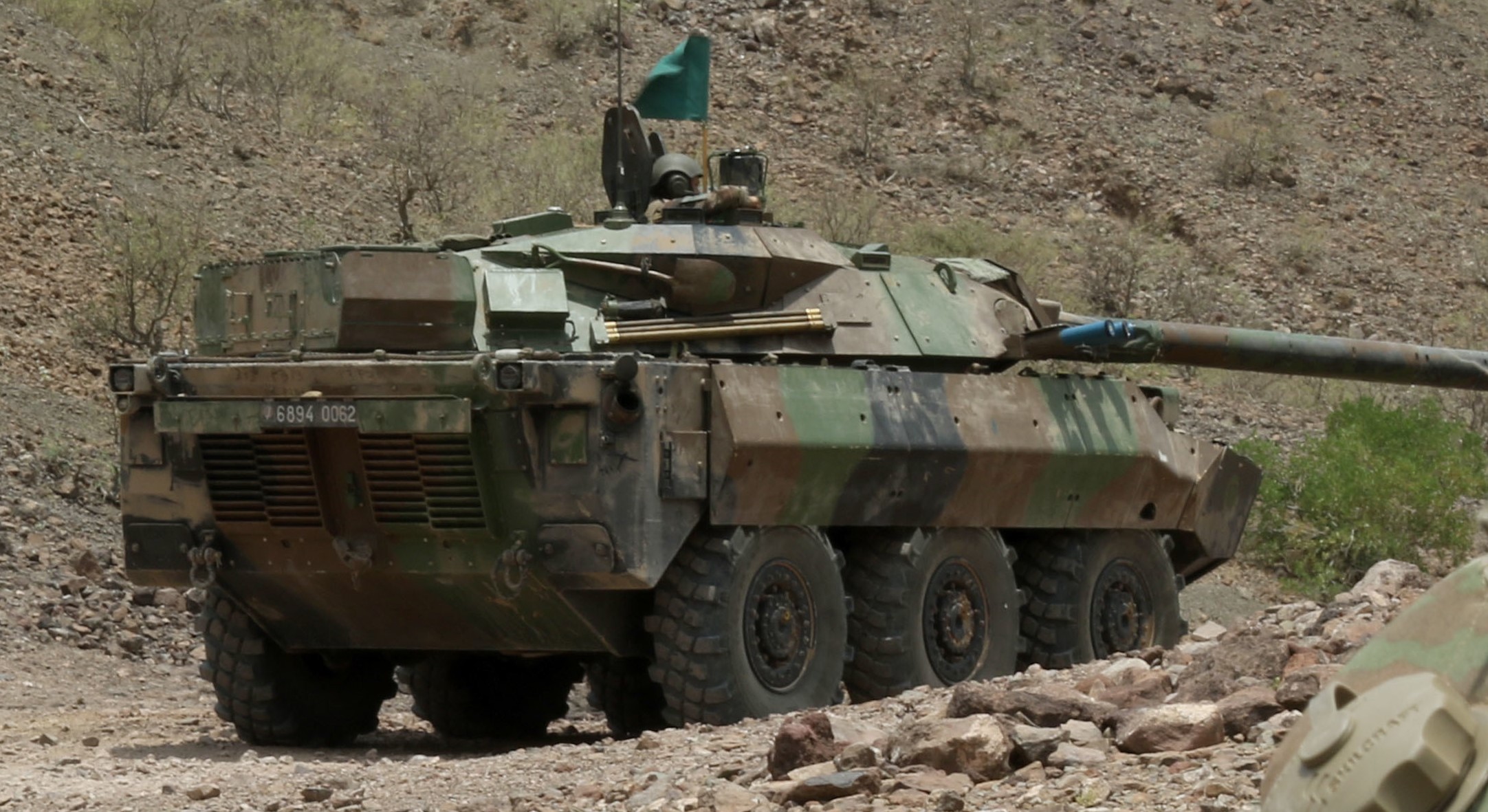
Djiboutian Range Complex, Djibouti, 11AUG2021. U.S. Army Photo by Staff Sergeant Amanda Stock.
Djiboutian Range Complex, Djibouti, 11AUG2021. U.S. Army Photo by Staff Sergeant Amanda Stock.
NATO video of Ukrainian An-124 delivering French AMX-10RCR to NATO-Romania, 03MAR2022:
Moroccan AMX-10RC during U.S./NATO wargame African Lion, June 2022.
Djibouti, Horn of Africa, 10NOV2022. U.S. Air Force photo by Senior Airman Destani K. Matheny.
On 04JAN2023, President of France Emmanuel Macron announced that French taxpayers will give some AMX-10RCRs to Ukraine.
08 January 2023 (23:21-UTC-07 Tango 06) 18 Dey 1401/15 Jumada t-Tania 1444/17 Xin-Chou 4720/08 январь 2023 года
“…melioidosis is considered a high-priority potential biological threat agent; its close relative Burkholderia mallei was used as a bioweapon during World War I. Research on this pathogen requires high-containment laboratories (biosafety level 3, or BSL-3). There is no vaccine, and treatment with antibiotics is lengthy and difficult because of the bacterium’s inherent antibiotic resistance—it is ‘impervious to all but a few antibiotics.'”–Melioidosis Modeling: Research to Support Countermeasures for a Tricky Pathogen, U.S. Food and Drug Administration
The bacteria is called Burkholderia Pseudomallei, it causes something called Melioidosis (aka Whitmore’s Disease) in both animals and humans. Up until now, it was mainly found in northern Australia and South East Asia.
The American Association for Laboratory Animal Science, along with the People for the Ethical Treatment of Animals (PETA), are claiming that six cases have popped-up in the United States as a result of monkeys being imported from the South East Asian country of Cambodia: “…animals infected with B. pseudomallei may appear healthy for months to years before showing signs of illness, during which time they can shed the organism into the environment. Melioidosis presents diagnostic challenges because it causes nonspecific clinical signs, serologic screening can produce unreliable results, and culture isolates are often misidentified on rapid commercial testing systems. Here, we present a case of melioidosis in a cynomolgus macaque (Macaca fascicularis) that developed a subcutaneous abscess after importation from Cambodia to the United States.”–Melioidosis in Cynomolgus Macaques ( Macaca Fascicularis ) Imported to the United States from Cambodia
Burkholderia Pseudomallei ( aka B-Pseudomallei, or Pseudomonas Pseudomallei) is a bacteria found in soil or water. Only in 2006 did scientist begin to understand the virulence of the Melioidosis disease it causes: “…and the study of host–pathogen interactions has shed some light on pathogenic mechanisms, but many key questions await investigation…”-Melioidosis: insights into the pathogenicity of Burkholderia pseudomallei
08 January 2023 (22:28-UTC-07 Tango 06) 18 Dey 1401/15 Jumada t-Tania 1444/17 Xin-Chou 4720/08 январь 2023 года
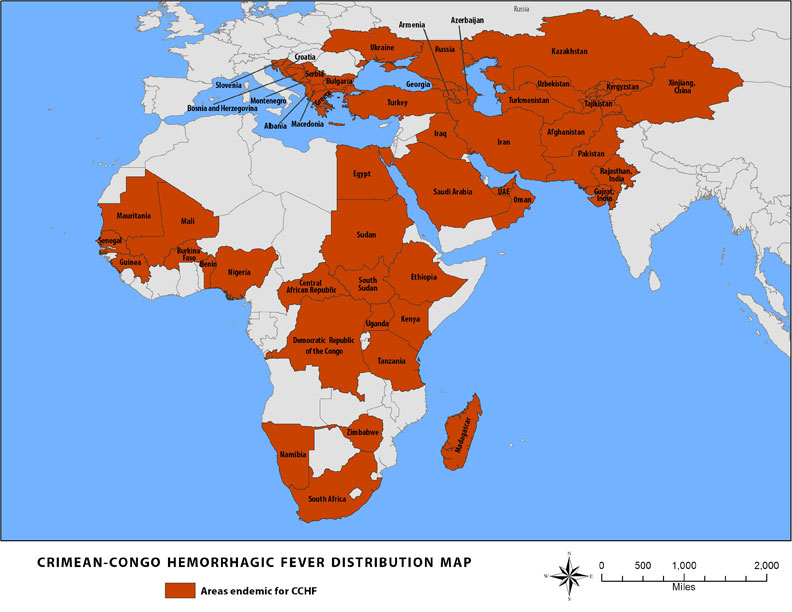
Scientists working in the African country of Uganda have discovered that a tick-borne hemorrhagic fever, that normally affects farm animals, has made the jump to humans! The study, published 07JAN2023, was spurred by the death of a cattle seller.
Basically, the scientists are warning that sporadic cases of fatal human hemorrhagic fever in Uganda are caused by what used to be a disease that was associated with livestock. They found antibodies to CCHF in both livestock and humans. They are asking government administrators to establish CCHF monitoring specifically around farms, and cattle/goat herding routes.
According to the U.S. Centers for Disease Control and Prevention (CDC), CCHF can be found on the African continent, The Middle East (South West Asia), and Central Asia.


 WHY IS A P-M OF A BRITISH EMPIRE MEMBER NATION INSPECTING A U.S. MILITARY BASE IN COLORADO?
 MILLIONS MORE IN TAX DOLLARS FOR WAR FIGHTING, NO NOT TO UKRAINE, TO SOMALIA, and spent on Russian weapons!
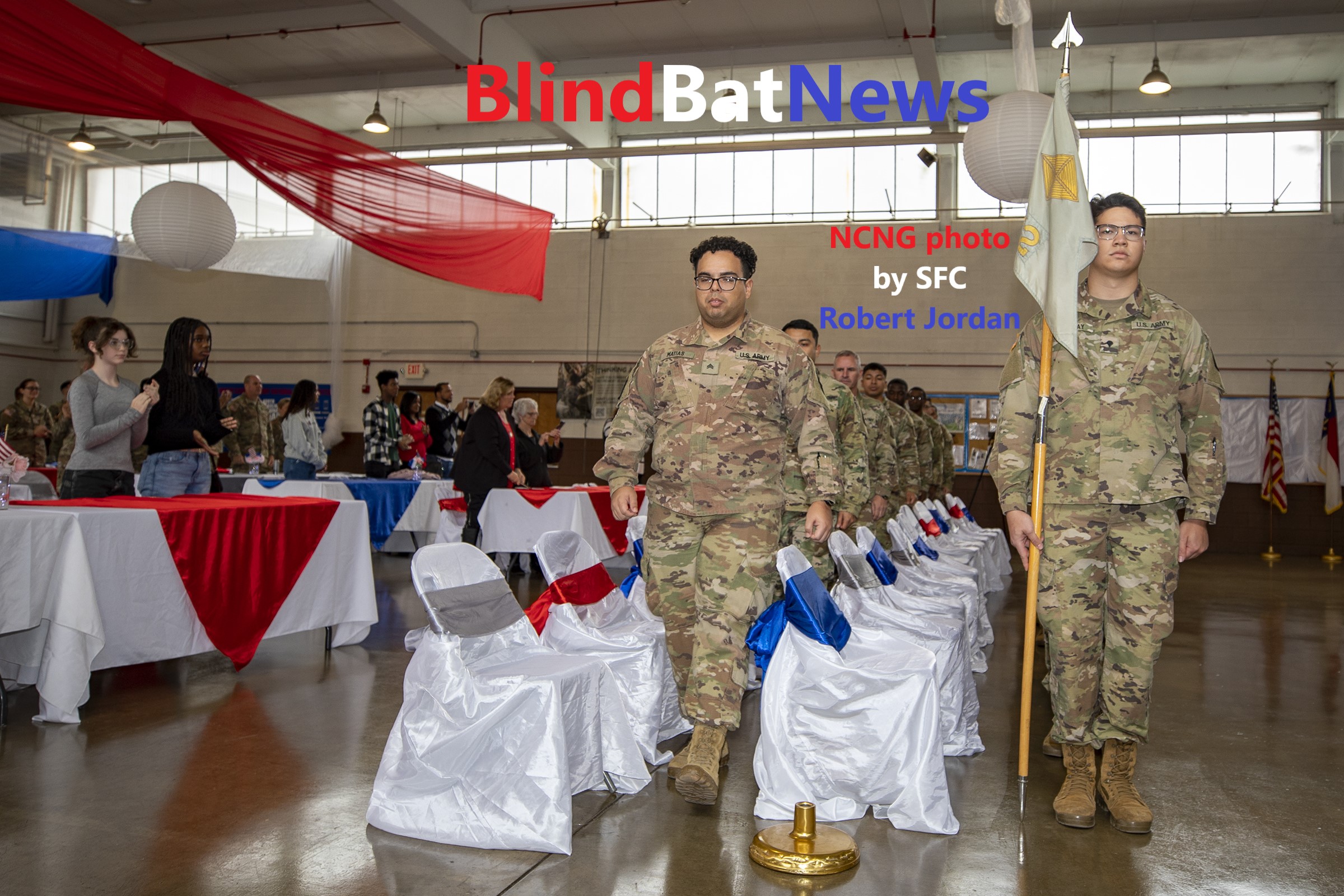 ANOTHER NORTH CAROLINA GUARD UNIT DEPLOYING TO AFRICA, AND ANOTHER TO THE O-I-R!