On 06SEP2012, NATO Secretary General Anders Fogh Rasmussen gave a speech at the Yerevan University, Armenia:
Part-1:
Part-2:
“Rector Simonyan,
Ladies and gentlemen,
Dear friends, thank you Rector Simonyan, for that kind introduction.
It is indeed a great to be in Armenia. I am also happy to see a lot of young people and students in the audience. I always enjoy talking to young people. And it is an honor to do so at Yerevan State University. This is a prestigious institution. Armenian presidents, poets, and philosophers studied in these halls. And I am certain that many of Armenia’s future leaders are sitting here in the audience this morning.
I studied economics. And I have always been enormously impressed by the incredible potential of this country and this region. We all know that centuries ago, this was one of the richest regions in the world. And I believe that it can achieve that distinction once again. This is particularly important for you, the young people of this country. You must live in the future that you inherit. But you can also help create the future that you desire.
My message to you today is that only cooperation, dialogue, and compromise can build the stability and security that prosperity requires.
The organization that I represent, NATO, is proof that this formula works. And through our partnership with Armenia, we want to contribute to building stability and security in this region too. In my remarks today, I want to cover three key points. First, I would like to tell you a bit about NATO. Second, I will explain how NATO and Armenia are working together today and describe some of the support NATO is providing your country. And third, I want to look at how Armenia, and this region, can reach their true potential. And I would also like to express my views on the Safarov issue. So, first, NATO. The North Atlantic Treaty Organization is unique, both an international political alliance and a military alliance. Two of our Allies – the United States and Canada – come from North America. The other 26 Allies come from Europe.
All Allies, on both sides of the Atlantic, have undertaken a solemn commitment. They have agreed that in the event of an attack on the territory or population of one Ally, then all the others will come to that country’s help, according to the principle ‘all for one, and one for all.’ It is a group of like-minded democracies who are willing, able and ready to defend each other come what may – which is all the more important during times of uncertainty.
But NATO is more than just a collective defense Alliance. It is also a political Alliance united by common beliefs and principles. All Allies share the same fundamental values of liberty, democracy, the rule of law, and respect for human rights. And the Allies are prepared to act to defend these values whenever necessary.
We see that commitment today in many places around the globe, where we have operations under the mandate of the United Nations. In Afghanistan, where we are working to make sure that the country can never again be a safe haven for terrorists. In Kosovo, where we continue to help provide a safe environment for all communities. In the Indian Ocean where we help to ensure free passage for ships facing the threat of piracy. And last year over Libya, where we prevented a massacre and helped protect civilians from attack.
In everything we do – politically and operationally – we have found that the keys to success are consensus and cooperation. Some Allies are large, like the United States. Others are smaller, like my own country, Denmark. But every decision in NATO is taken by consensus. This means that all Allies, regardless of their size, must agree. And it means all Allies have an equal voice.
From time to time, we do have disagreements. But we work through them like true friends. We talk – a lot. Eventually, we compromise. And we come to an agreement that all of us can live with. It’s not always easy. But we do it every day.
And it’s a virtuous circle. Cooperation requires dialogue. Dialogue brings compromise. Compromise permits cooperation. And cooperation enhances our security.
It is this approach that has made NATO the most successful Alliance in history. But of course, we do not live in history. We must face the threats of the future, not the past. Our times are changing. Our challenges are changing. And NATO is constantly changing to meet them.
Over the past two decades, we have come to understand that the simple physical defense of our populations and territories is not enough. Tanks massed on borders can no longer guarantee our security. New threats are too complex, too interconnected, and too unpredictable. They require a different approach.
Challenges like terrorism, cyber warfare, or the proliferation of weapons of mass destruction cannot be confronted by any one army, any one country, or even NATO acting alone. They require teamwork across borders, across regions, and even across cultures.
That’s why achieving security in the 21st century must be a truly cooperative endeavor. We need partners – here, in this region, and across the world – partners who share our values and our desire for security.
Your efforts to work towards improved democracy, fair elections and a free media are welcome. They are good for Armenia. And they lay the foundation for an even stronger partnership with NATO. And that leads me to the second point I want to make today – how NATO and Armenia are working together.
Armenia has been an important NATO partner for many years. Your country’s contributions to our operations in both Kosovo and Afghanistan are significant — and highly valued.
In Afghanistan, you are part of a NATO-led coalition of 50 nations, one quarter of the countries of the world. To ensure that
Afghanistan will never again provide a safe haven for terrorists who threaten our nations. I have visited Afghanistan many times, and I have seen the tremendous job that your service personnel are doing.
I know the challenges, and I have seen with my own eyes the significant progress we are making across the country. By the end of 2014, we will complete our current combat mission there. But our commitment to Afghanistan will continue. After 2014, we will start a new mission to train, advice and assist the Afghan security forces. And I very much hope that Armenia will be part of that support. Your country’s contributions to NATO-led operations mean that Armenian troops have received valuable training and peacekeeping experience. This is an important part of developing your country’s own peacekeeping capabilities, both at home and abroad. NATO is providing significant support to help you build-up these capabilities.
We are also assisting Armenia in other areas, such as border security, defense reform, and cyber security. This makes Armenia stronger, safer, and better able to contribute to security elsewhere. But our partnership also makes sense for Armenians here at home. One important priority in our partnership has been civil defence and disaster response. We all know that earthquakes are a recurrent danger here in this region; this country has suffered terribly. The quake in 1988 killed more than forty-five thousand people. So we are providing training to help Armenian rescuers strengthen their capabilities in search and rescue.
These are just some examples of what we do together. And we do it in full respect of Armenia’s balanced foreign and security policy. To put it more clearly, we see no contradiction between good NATO-Armenia relations, and good relations with Russia. It can work. It does work. And by the way, it works for NATO too – we have a deep, well developed relationship with Russia as well. Because we believe that, at this time in European history, we can have a virtuous circle. All countries can put the past to rest, and move forward. And that the whole continent would benefit as a result.
This leads me to my third and final point – how Armenia, and this region, can reach their full potential. A potential of open borders. Increased investment. Extra trade opportunities for your industrial and agricultural products. Better job opportunities. Strengthened regional political and economic cooperation. Enhanced stability and security. And greater prosperity.
We know what is holding back this potential. Unresolved conflicts. Closed borders. Minefields. Trenches. Closed airspace. This region has more barriers to cooperation between neighbors than almost anywhere in the world. We need to break down those old barriers of mistrust. And we must build up new bridges of regional reconciliation.
A crucial step has to be finding a solution to the Nagorno-Karabakh conflict.
Two things are clear. First, there is no military solution. And second, the only way forward is through dialogue, compromise, and cooperation.
NATO as an organization is not involved directly in finding a solution to this conflict. Nor do we take sides. But we will continue to support the Minsk process and efforts towards a peaceful settlement.
I am deeply concerned by the Azerbaijani decision to pardon the Azerbaijani army officer Safarov. The act he committed in 2004 was a terrible crime that should not be glorified. The pardon damages trust and does not contribute to the peace process. There must be no return to conflict between Armenia and Azerbaijan. Tensions in this region must be reduced, and concrete steps must be taken to promote regional cooperation and reconciliation.
Dear friends, the Caucasus region has great potential. Armenia has great potential. And our NATO-Armenia partnership has great potential, as well.
The countries of this region have been locked in conflict for too long. It is time to build peace. Let us seize this moment to create the stability, the security, and the prosperity that Armenia deserves, that this region deserves, and that you deserve.
Some people wish it will happen. Some people think it can happen. You can make it happen.
Thank you very much.”
February 2025: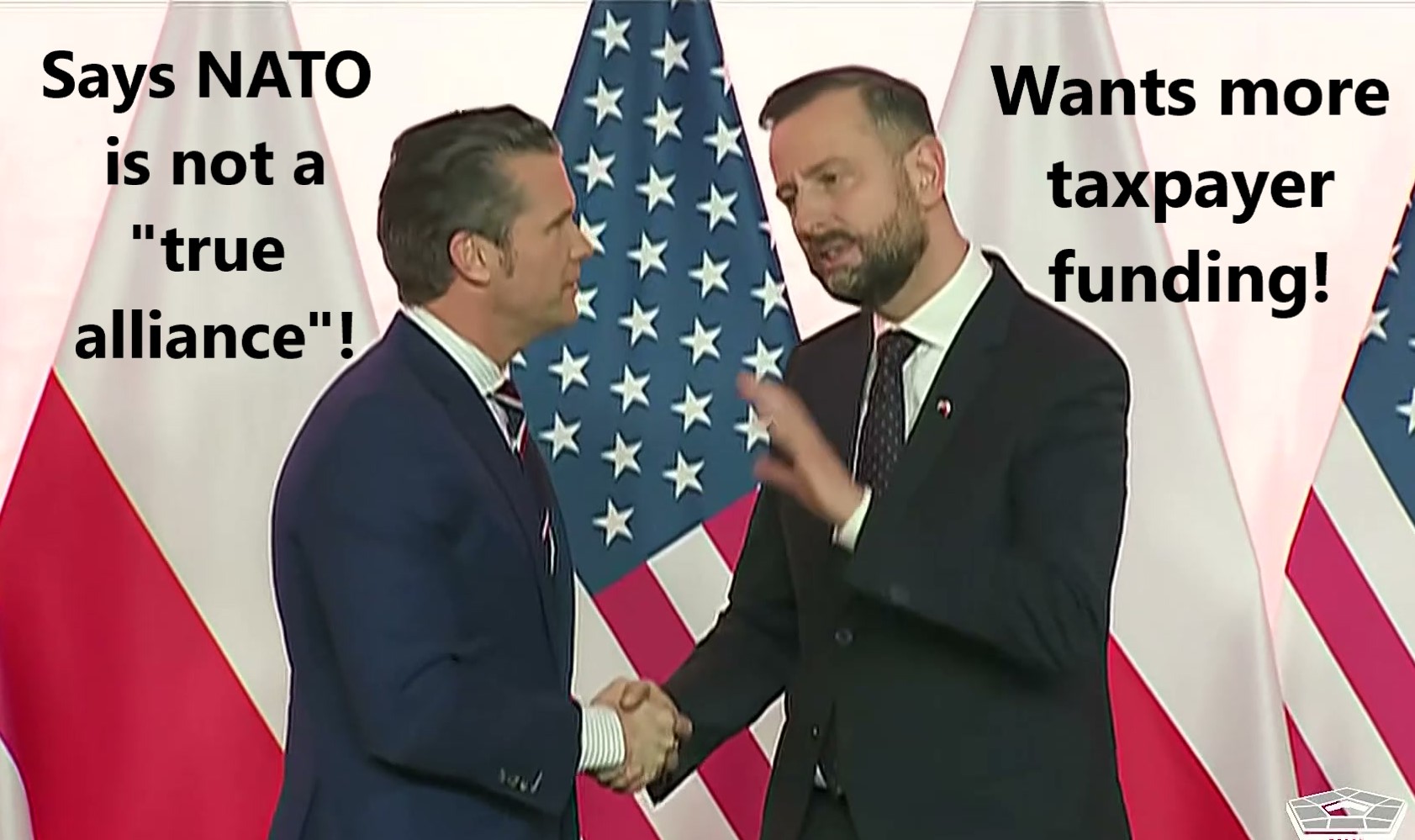 United States + NATO-Poland.
January 2025: Brutal overthrow & murder of Libyan leader was to hide illegal funding of NATO members!


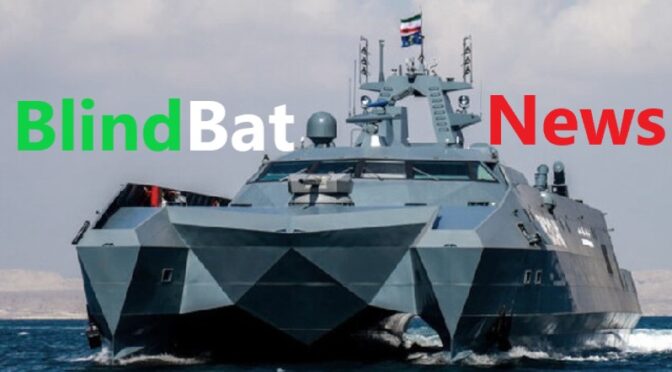
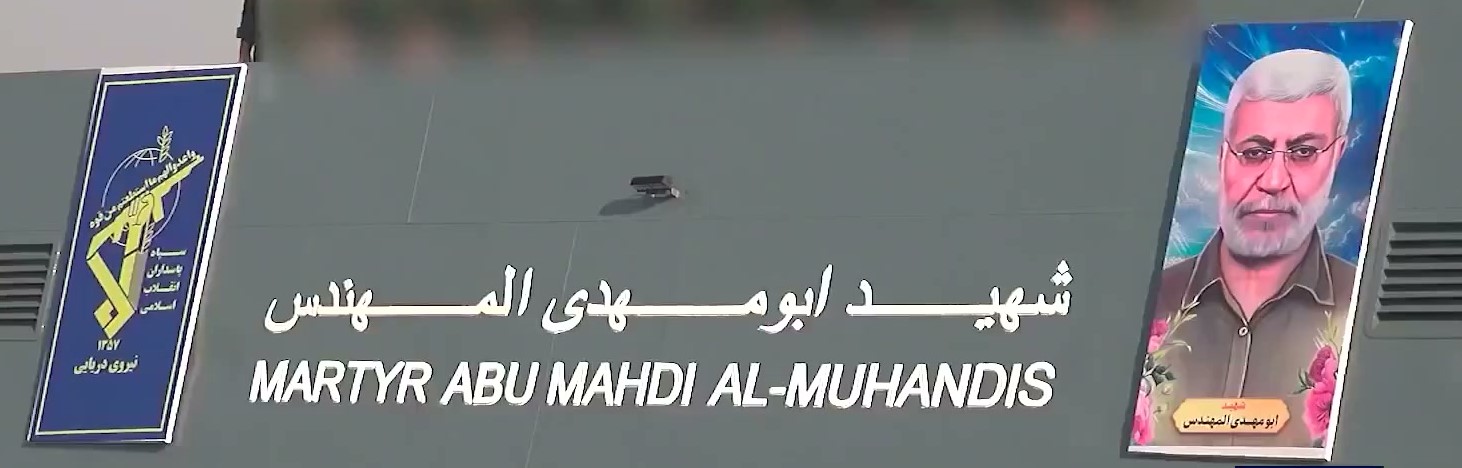 On 03JAN2026, Iranian news sources revealed details of a new naval weapon called the Abu Mahdi Al-Muhandis class of catamaran corvette. They claim it is a Fast Attack Vessel (FAV) designed for rapid response and survivability in confined waters, specifically in the Persian Gulf.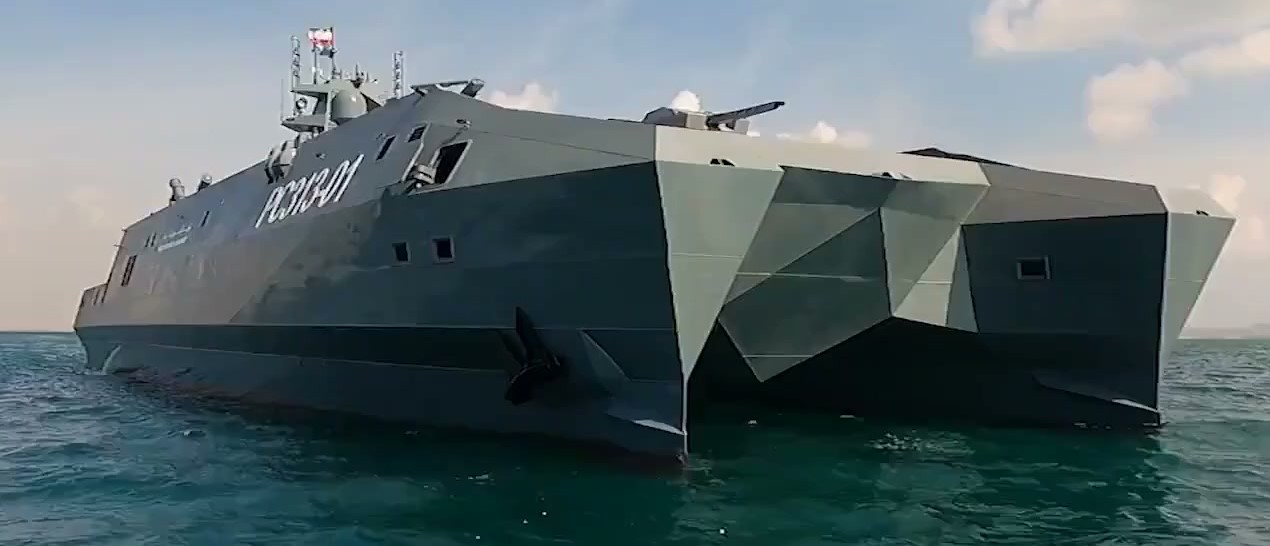
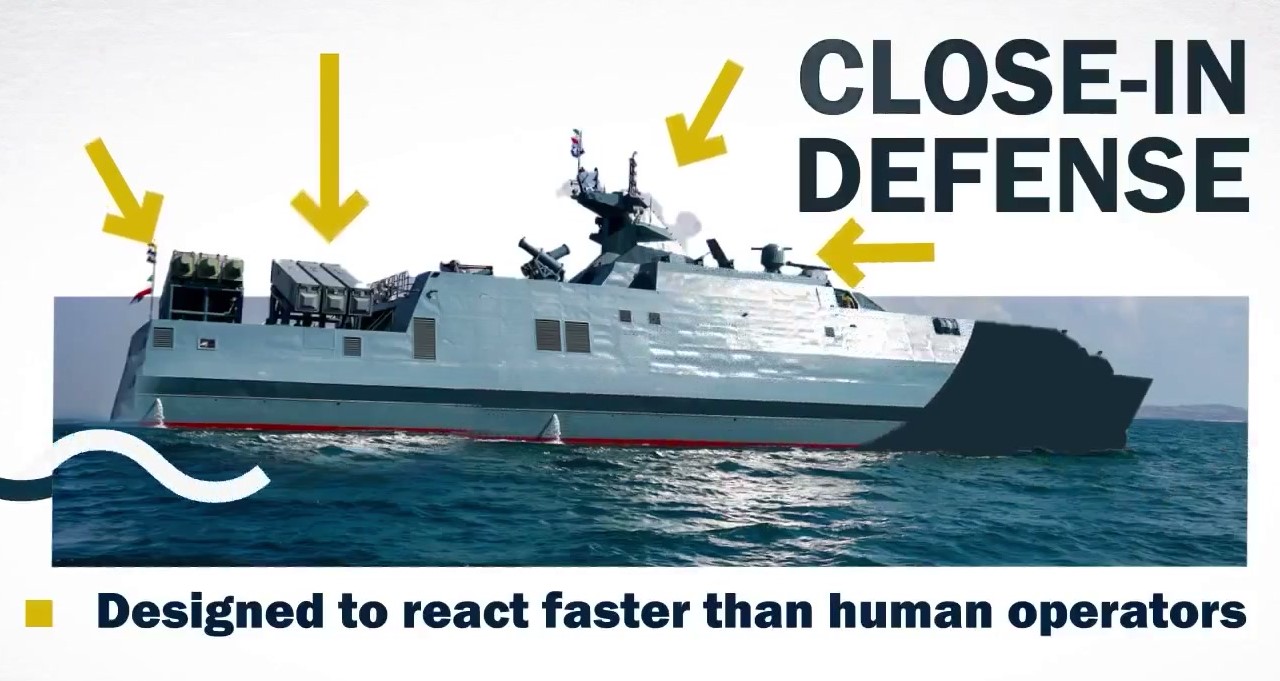
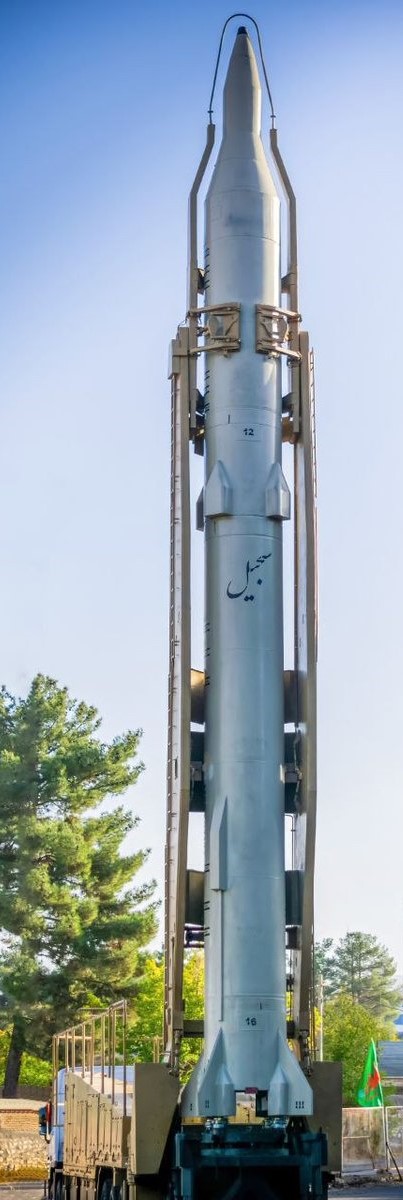
 What is Sejil?