Born in Deutschland 1965, hometown was Bütthart, parents were not U.S. government employees. However, when father was tricked into joining the U.S. Air Force Civil Service, in 1969, with the promise that we could remain in Germany, we were promptly shipped off to Iran. Due to one of my Iranian educators being disappeared, along with her husband, by the U.S. ally Shah of Iran's Israeli & U.S. created Savak (for the then official terrorist act of promoting the idea that women can vote), and due to my U.S. citizen mother being placed on Savak's Terrorist Arrest List (for supporting the idea that women should vote, at that time the U.S. ally Shah of Iran did not allow women to vote, now they can) we left Iran for the United States in 1973, literally in the middle of the night. At the U.S. Embassy airbase the CIA operated Gooney Bird (C-47) was so packed with other U.S. citizens fleeing our ally Iran (because the Shah gave the OK to arrest any U.S. citizen for such terrorist acts as promoting the concept of voting) that we were turned away by the Loadmaster and had to take a chance on a civilian flight out of Tehran's airport.
My father told me he and my mother had three culture shocks; first when they arrived in Germany as civilians, then after being shipped off to Iran as U.S. government employees, then again returning to the United States as unemployed civilians (because so much had changed in the U.S. while they were gone, their only news source was the U.S. Armed Forces Radio & Television Service which heavily censored information about the home front).
Since I graduated high school in 1982 I've worked for U.S. government contractors and state & local government agencies (in California), convenience store manager in California, retail/property management in Georgia, California and Idaho. Spent the 1990s in the TV news business producing number one rated local news programs in California, Arizona and Idaho. 14+ years with California and Idaho Army National Guard and the U.S. Air Force. Obtained a BA degree in International Studies from Idaho State University at the age of 42.
Unemployed since 2015, so don't tell me the economy has recovered.
The United Kingdom’s Army is upgrading their Challenger-2 battle tanks with new armor and a new gun, the same gun used on the M1A1/2 Abrams; the German designed 120 millimeter (mm) Rheinmetall smoothbore, which launches various types of combustible cased rounds (various projectiles on a combustible plastic case with a metal base/’af-cap’).
The gun on the current Challenger-2 is also 120mm, but the British designed tube (barrel) is rifled and the ammo consists of a projectile which is loaded separately from the combustible case/bagged propellent.
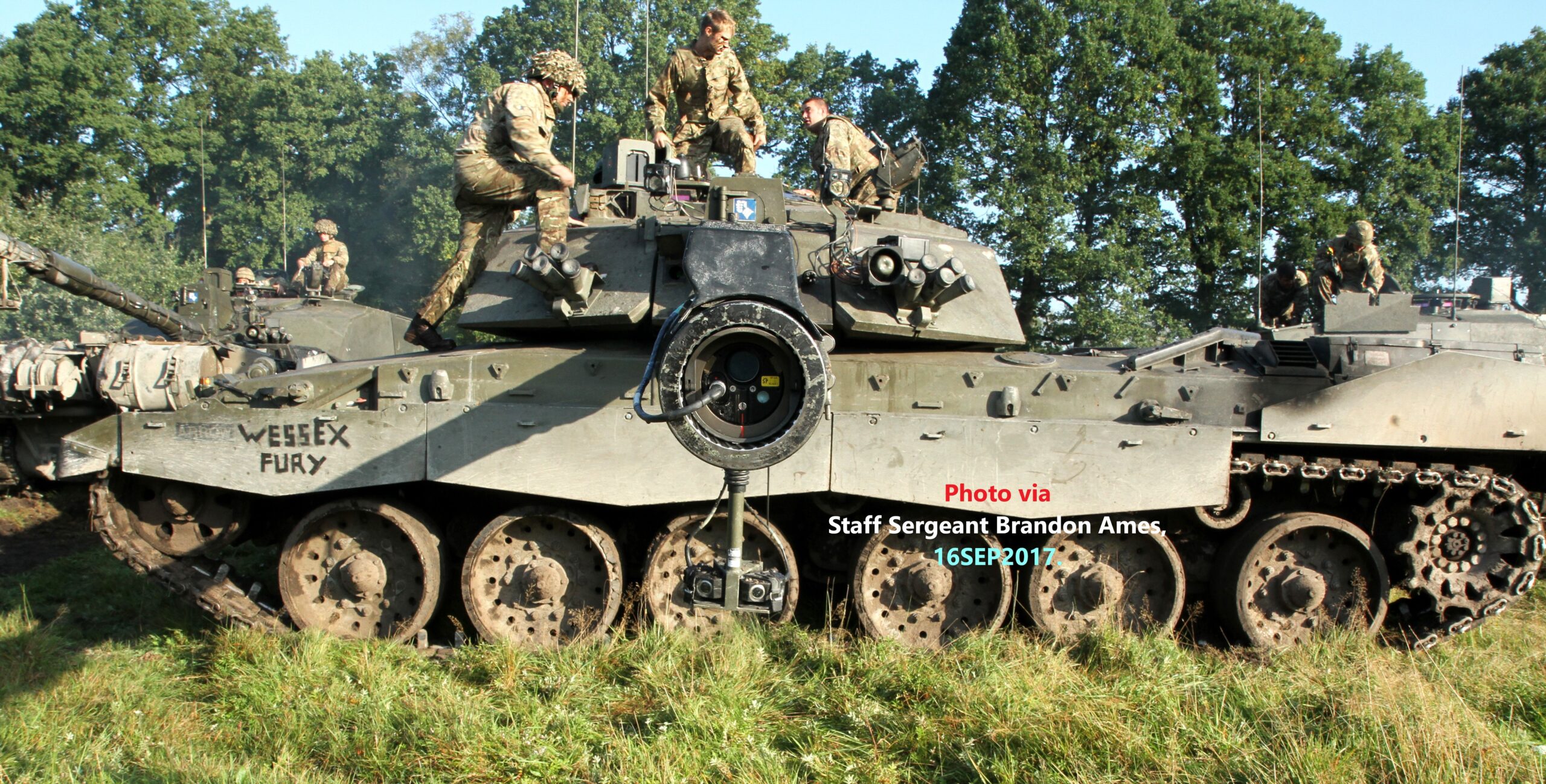
A Royal Wessex Yeomanry Challenger-2 on Sennelager Training Area, Germany.
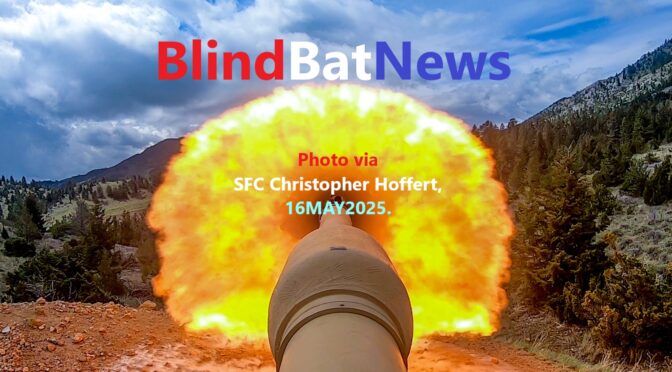
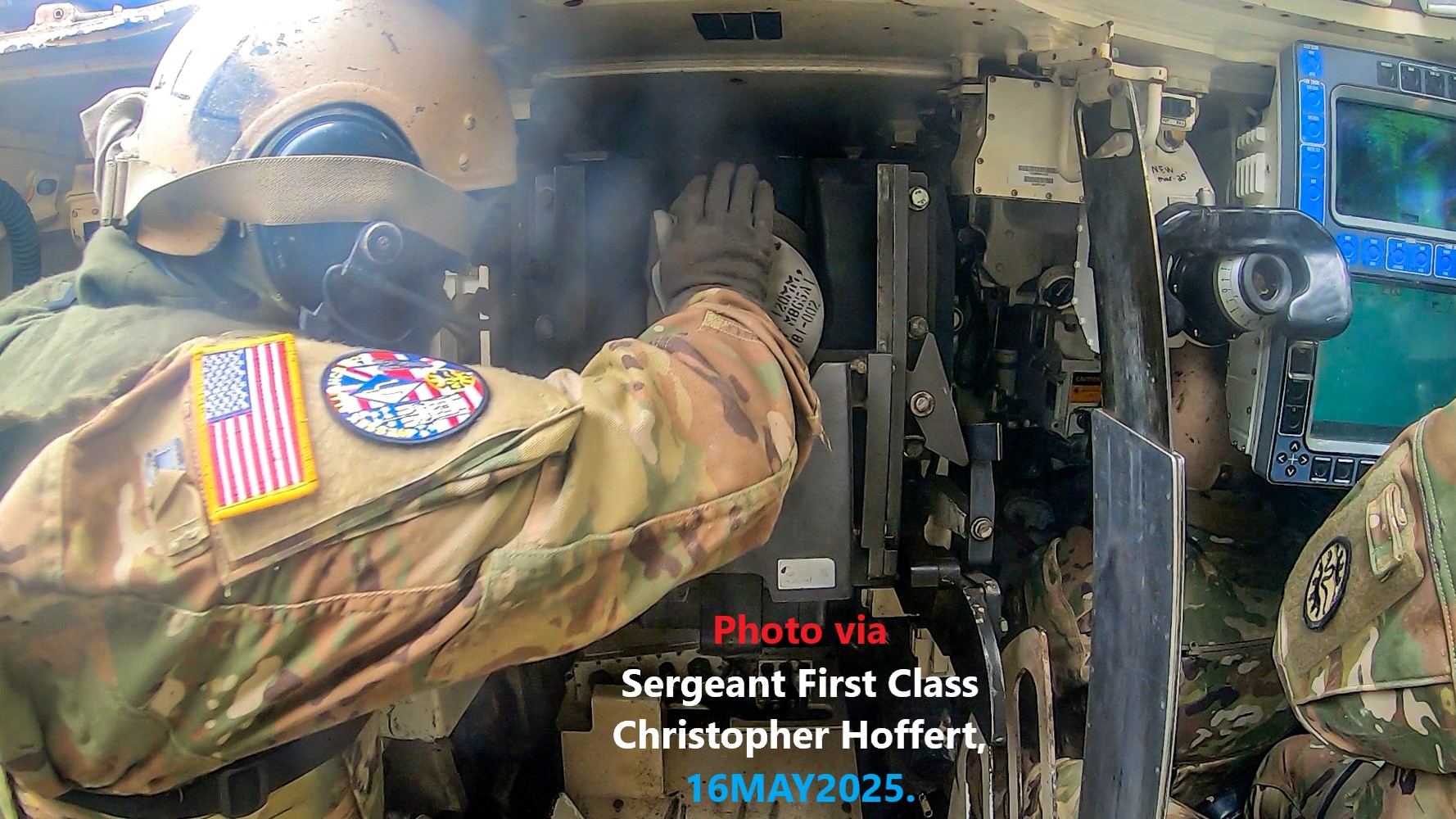
To prep the Royal Wessex Yeomanry on how to operate the Rheinmetall gun, Montana’s 1-163rd Combined Arms Battalion (part of the Idaho based 116th Cavalry Brigade Combat Team, aka Snake River Brigade) is training the Red Coat tankers by letting them shoot-up the Montana mountains.
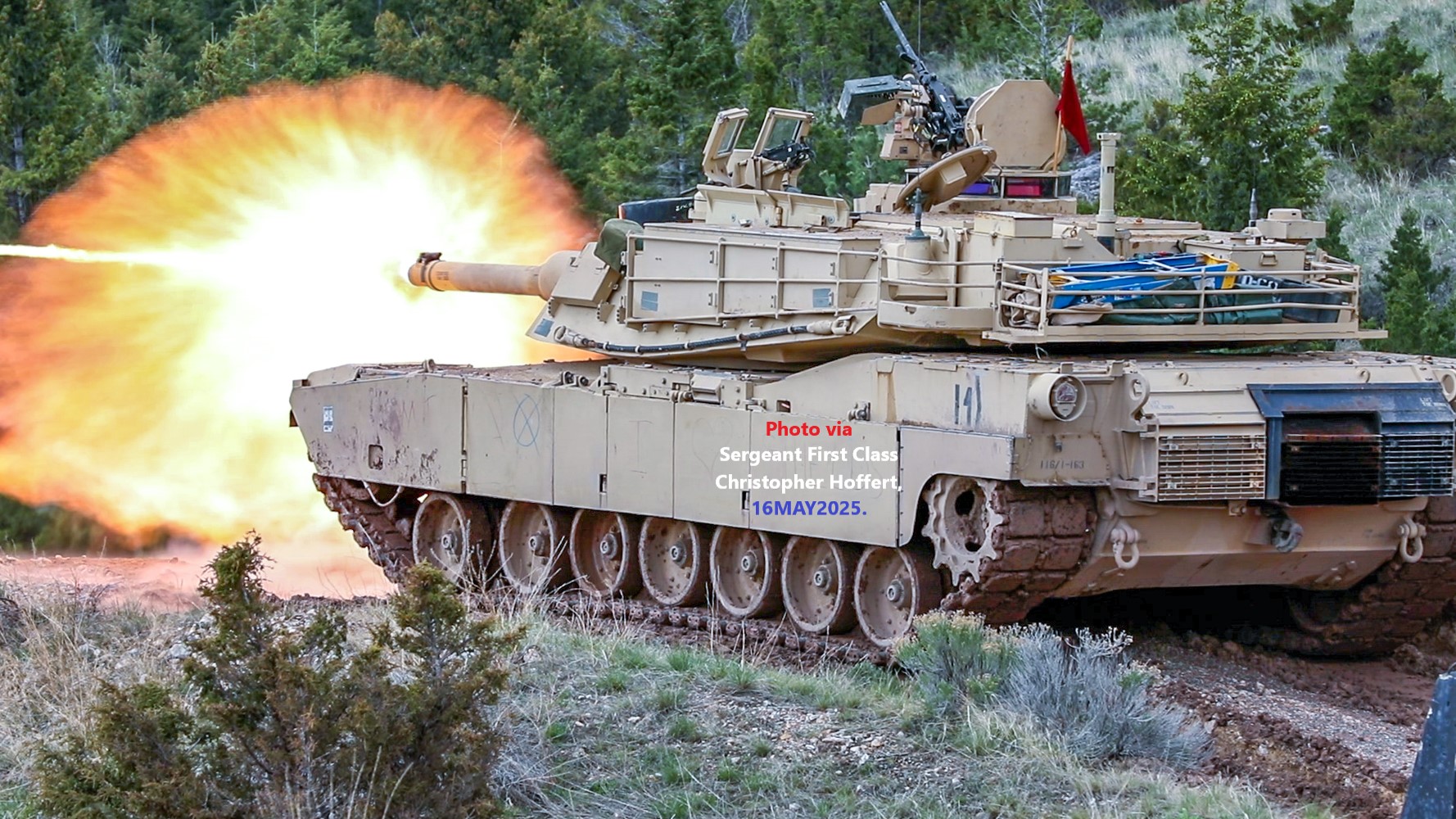
Montana Army National Guard’s video report (recorded 16MAY2025 on the Limestone Hills Training Facility, released 17MAY2025):
The new upgraded Challenger is called the Challenger-3.
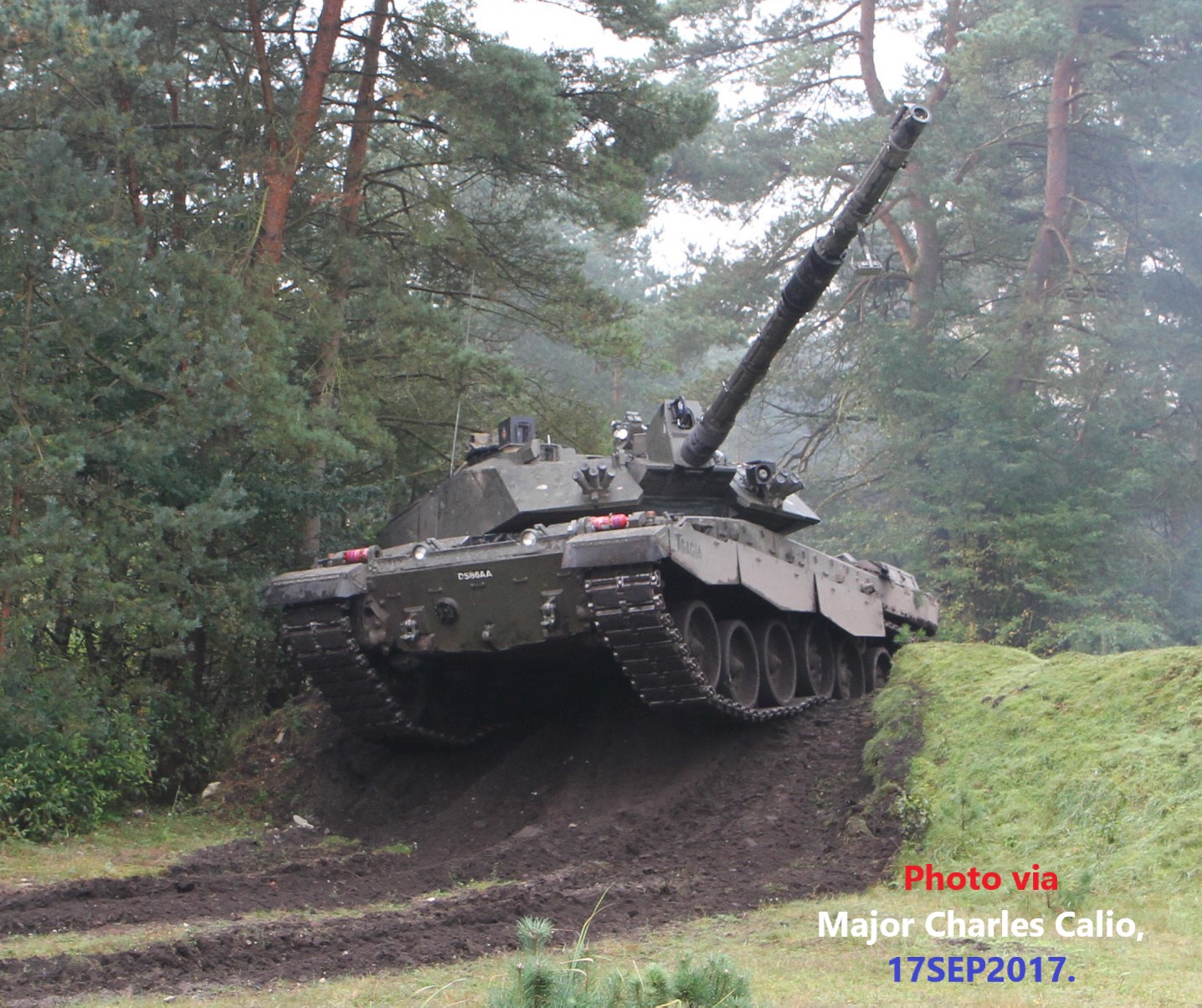
A Royal Wessex Yeomanry Challenger-2, on the Sennelager Training Area, Germany.
Yes, the Academy kit is the old HobbyCraft/Idea kit.
HobbyCraft kits were also sold under the Idea label, but the company that was actually producing most of the aircraft kits sold by HobbyCraft is a Korean company called Academy. There was some kind of legal dispute in the late 1990s/early 2000s and Academy won the rights to sell those kits under its own label.
The old Airfix kit (also issued by MPC), first manufactured in 1980, is of the F2H-2 version of the Banshee. The Academy-HobbyCraft kit (first released in 1987) is of the F2H-3/4 version. Academy-HobbyCraft’s kit has recessed panels lines (no rivets), parts fit is good. The dash-3/4 version is the larger, with much more room for internal fuel tanks, and a big radar in the nose.
The Airfix kit comes with an optional F2H-2P photo-recon nose. For some odd reason, my Airfix-MPC kit came with decals for only the fighter version, no markings for the P version! The kit has subtle raised panel lines (no rivets), the fit of the parts is good.
Short silent film of F2H-2P operations from USS Boxer (CVA-21) somewhere in the Sea of Japan (off the coast of Korea), 15JUN1953:
Airfix provides you with bombs and rockets, however, Airfix incorrectly has you mount the bombs on the outboard pylons. On the real aircraft the bombs, as well as rockets, were loaded onto inboard pylons, the outboard pylons were for rockets only. Airfix does not provide inboard pylons.
Academy-HobbyCraft provides only outboard pylons with rockets, no bombs in this kit.
The wings of both Banshees are close in span, but the dash-3/4 has a bigger wing area, which can be seen when comparing the kit parts.
You can see the differences in wing area and horizontal stabilizers. The dash-3 in this photo has not been updated with the ‘horsal’ extensions.
The Airfix horizontal stabilizers could be used on the dash-3/4, to replicate a non- ‘horsal’ updated version, you just have to mount them with a dihedral (upward angle).
The dash-3/4 horizontal stabilizers are mounted on the fuselage, the dash-2’s are mounted on the vertical stabilizer. The Academy-HobbyCraft kit comes with updated horizontal stabilizers, updated with what was supposedly called ‘horsal’ extensions. The dash-3/4 Banshees suffered from tail flutter which the extensions apparently solved. Notice the leading edge line which extends through the extension on the kit parts, this is not present on the real aircraft. I suspect that the lines allow the modeler to cut them off if they want to build a pre-horsal Banshee, however, there is no mention of such a possibility in the HobbyCraft instructions.
The so-called horsal extension update on the F2H-3/4, to stop tail flutter.
Interestingly, the landing gear on both kits look identical, it’s as if Academy-HobbyCraft copied the Airfix kit. The big problem with this is that the nose gear of the dash-3/4 is different than the dash-2, basically the Academy-HobbyCraft kit is wrong when it comes to the landing gear.
The tail-hook of the Airfix kit looks accurate, while the tail-hook of the Academy-HobbyCraft kit is insulting.
The artwork on the original 1987 issue HobbyCraft kit shows a Canadian Navy plane with a AIM-9 Sidewinder launch rail on an outboard pylon. The Canadian Navy did arm their Banshees with Sidewinders, but the HobbyCraft kit does not come with the anti-aircraft missiles or launch rails. The artwork also shows an accurate looking wingtip without the tip-tank, the kit parts (on both Airfix & HobbyCraft) fail to reflect the look of a tip-tankless Banshee.
Both kits are very basic by today’s standards. Apparently, Academy is the only producer of a 1/72nd F2H-3/4 Banshee. I’ve seen a few reviews of the Academy issue praising it for detail, but no folks, it is just the old HobbyCraft kit with much better decals. Recently, Czech manufacturer Sword produced a much better detailed 72nd scale F2H-2 Banshee (check on production status/availability), including the N (night fighter) and P (photo-recon) versions, with resin and photo-etched parts. They also have recessed panel lines and some divets, I mean recessed rivets. I don’t know if Sword made the nuclear capable F2H-2B.
Both the F2H-2B and F2H-3/4 could carry a single tactical nuke. To model one you’ll need to make a big pylon that goes under one of the air intakes, then probably modify a big fat external fuel tank to look like either a Mark-7 or Mark-8 nuclear bomb. In the above photo you can see that the air intake is not sharp edged, both Airfix and HobbyCraft made their kit’s intakes with sharp thin edges.
You can also add an In-Flight Refueling (IFR) probe to the upper port 20mm gun trough.
Both the Airfix and Academy-HobbyCraft kits are good as shelf-sitters or ceiling-hangers, and are good baselines for those who like to super-detail their models. On top of that, if you take the time to search you can usually find previously owned kits for cheap.
Watch my ‘blah blah blah’ video reviews from my ‘Model Kit Procrastinator’ YouTube channel:
Prototype XF2D-1 Banshee, possibly on its first flight on 11JAN1947.
Cold War: Approximately 1947 (due to U.S. President Harry Truman’s Truman Doctrine) to 1991 (Operation Desert Storm, collapse of Soviet Union).
This F2H-1 Banshee was ‘written-off’ after a crash landing on 12JUL1951.
Production Banshees were powered by two axial flow Westinghouse J34 turbines. The J34 was also known as the X24, its development was started in 1944.
Westinghouse 24C-8 (J34) with afterburner.
One aircraft was tested with afterburners, which burned the aft end of the test aircraft, hence why afterburners were not used on other Banshees.
In this photo of a -2N you can see that the 20mm guns were moved vertical of each other, to make room for a track/search radar.
The F2H-2N had a redesigned nose, longer with repositioned guns to accommodate a large radar for night fighter operations. The F2H-1/2 had a small gun aiming/ranging radar, the dialectic panel being visible on the upper tip of the nose with the 20-millimeter (mm) guns mounted horizontal to each other. The F2H-2 could also carry up to 2-thousand pounds of bombs.
Inboard bomb racks, inboard of the main landing gear wells.
The -2 Banshee had four weapons racks, outboard wing racks were for rockets only, the inboard racks were for bombs or rockets.
I edited this silent U.S. Marine Corps (USMC) film to show the use of the F2H-2 Banshee in Close Air Support (CAS) training, date and location not given:
I edited this silent film which shows USMC F2H-2 landing mishaps of VMF-122 & VMF-224 onboard the United States Ship (USS) Coral Sea (CV/CVA/CVB-43) during March 1951 (according to the info that came with the film). The first incident shows a Banshee approaching the carrier, the camera cuts out (Navy edited out?), then you see the tail of the plane sinking in the water, a helicopter rescues the pilot who ‘walks-it-off’ once on deck. The second incident shows a Banshee tangled in a barrier:
The USN says the first combat use of the Banshee was on 23AUG1951, when F2H-2s launched from USS Essex (CV/CVA/CVS-9) against Korea. The Banshee proved to have better high altitude performance than the Grumman F9F Panther, yet never had the chance to engage in dog-fights with North Korean fighters. Battle damage to Banshees was the result of ground launched anti-aircraft fire.
On 16SEP1951, a McDonnell F2H-2 Banshee crashed while attempting to land on the USS Essex (CV/CVA/CVS-9) while sailing the Sea of Japan (near Korea). It missed the arrestor barrier and plowed into four parked aircraft (two Banshees and two Grumman F9F Panthers). Seven people reported killed. This crash is blamed for the adoption of the angled flight deck on aircraft carriers. I edited this from a silent USN film, if you look close at the slo-mo scene, where the Banshee misses the cable and then hops over the barrier, you can see what appears to be battle damage to its port aileron:
Two U.S. Marine Corps photo-recon Banshees of VMJ-2. Date/location not given.
The F2H-2P photo-recon Banshee used various types of cameras, such as the Fairchild K17, K18 and K38, with various size lenses.
F2H-2P recon Banshee, date and location not given.
Sometimes called Operation Long Step, sometimes Exercise Long Step, North Atlantic Treaty Organization’s (NATO) wargame took place in The Mediterranean Sea, near Sardinia, in November 1952. I edited silent USN film to show the F2H-2 Banshee operations onboard USS Franklin Delano Roosevelt (FDR, CVA-42) during the wargame:
F2H-2 Banshee hauling tow target, Naval Air Weapons Station China Lake, California. USN photo, 07MAY1953.
F2H-3 (F-2C) Banshees began production in 1952.
The F2H-2B (B for bomber [nuclear]) and the F2H-3/4 (F-2C/D) were capable of carrying tactical nuclear bombs, the stronger wing allowed for a bomb load of more than 3-thousand pounds. Sometimes, when the -3 was equipped with nukes it was referred to as the -3B, but apparently that was never an official designation as the -3/4 was already nuclear bomber capable out-of-the-factory.
The so-called Thor Mark-7 (aka Mk7 Special Weapon) nuclear bomb is considered to be the first tactical nuke, but had to be delivered by ‘tossing’ it off the aircraft.
I edited a silent USN film (adding music) showing a bare-metal VX-3 F2H-3 Banshee carrying the Thor, onboard the USS Midway (CVA-41/CVB-41). The film came with no date/location, but I was able to date/locate the film according to the F2H-3 aircraft (VF-31 Tomcatters) onboard the USS Midway; CVA-41 carried -3 Banshees from January throughAugust 1954, while on a cruise of The Mediterranean Sea. View it on my Lithium Six-II channel on BitChute: https://www.bitchute.com/video/vNRrd3xOZITM
F2H-3 toss launches BOAR, sometime in 1955.
The Mark-7 was radically modified with a rocket motor (among other things) to assist with ‘tossing’. A non-armed rocket powered Thor was tested by an F2H-3, over China Lake, California, in 1955. The rocket powered ‘Thor’ was officially known as the Bureau of Ordnance Atomic Rocket, or BOAR (aka Bombardment Aircraft Rocket, BoAR).
F2H-3 Banshee with BOAR. USN photo, 04NOV1953.
When in-service the BOAR was known as ‘30.5 inch rocket Mark-1’.
VX-3 dash-3 Banshee refuels somewhere over New Jersey.
To bolt on the In Flight Refueling (IFR) probe the upper port-side 20mm gun was removed. The combined IFR capabilities and increased internal fuel capacity made the Banshee-3 the longest ranged USN jet aircraft for that time.
I edit this from silent USN film (dated 28NOV1955) which demonstrates the ‘bolt-on’ IFR probe on the F2H-3 (F-2C). The ‘K’ tail code indicates a Reserve Banshee based on Naval Air Station Olathe (now the New Century AirCenter), Kansas. The fuel was provided by the North American AJ-2 Savage of VC-5/VAH-5:
In 1955, the Royal Canadian Navy began using F2H-3s. They also armed them with the AIM-9 Sidewinder air-to-air missile, by modifying the outboard rocket pylons. According to a Canadian government website, the F2H-3 was their only Sidewinder armed naval aircraft until the advent of the CF-18 Hornet.
In 1956, the National Advisory Committee for Aeronautics (NACA) used the F2H-2B to test what it called hypersonic missiles.
NACA operated F2H-3.
In 1958, on MCAS Kāneʻohe Bay, Hawaii, a new emergency runway arrestor system was tested by a ‘Black Sheep’ F2H-3. The Banshee caught the cable at 60 knots (69 miles per hour).
Supposedly, there was no visual difference between the dash-3 and dash-4 Banshees. The F2H-4 (F-2D) had a better radar and more powerful turbines.
U.S. Navy photo claiming to depict a F2H-4 Banshee.
Dash-3/4 Banshees were updated with ‘horsal’ extensions on their leading edge of the horizontal stabilizers, to stop tail flutter.
On 20JAN2025, the President of the United States declared that drug cartels be designated as foreign terrorist organizations. As of 20FEB2025 eight gangs have been declared as terrorists, they are: Cartel del Golfo (aka CDG, Gulf Cartel, and Osiel cardenas-Guillen Organization),
Cartel del Noreste (aka CDN, Northeast Cartel, and Los Zetas),
Cartel de Jalisco Nueva Generacion (aka New Generation Cartel of Jalisco, CJNG, and Jalisco New Generation Cartel),
Cartel de Sinaloa (aka Sinaloa Cartel, Mexican Federation, and Guadalajara Cartel),
Carteles Unidos (aka United Cartels, Tepalcatepec Cartel, Cartel de Tepalcatepec, The Grandfather Cartel, Cartel del Abuelo, and Cartel de Los Reyes),
La Nueva Famila Michoacana (aka LNFM),
Mara Salvatrucha (aka MS-13),
Tren de Aragua (aka Aragua Train).
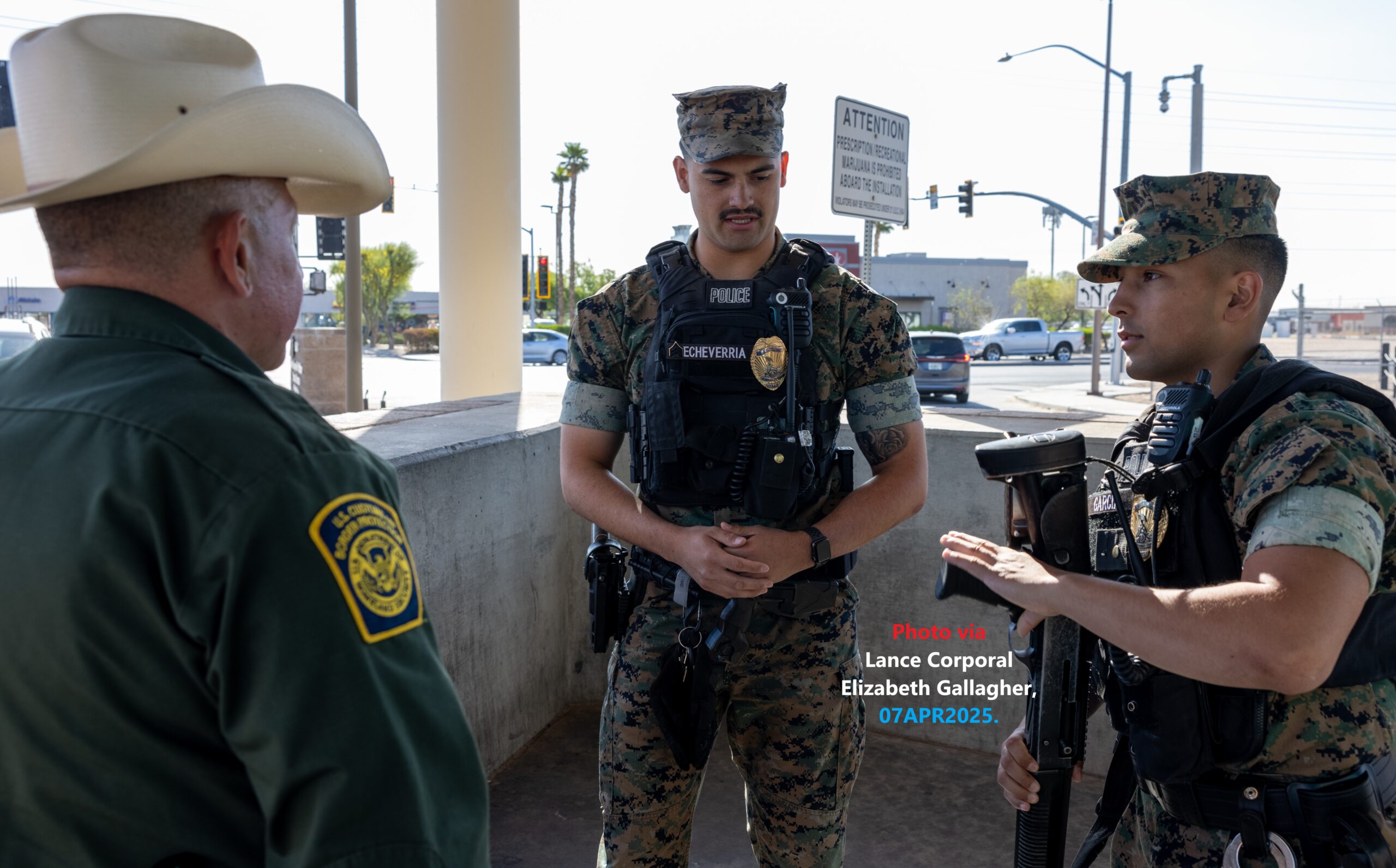
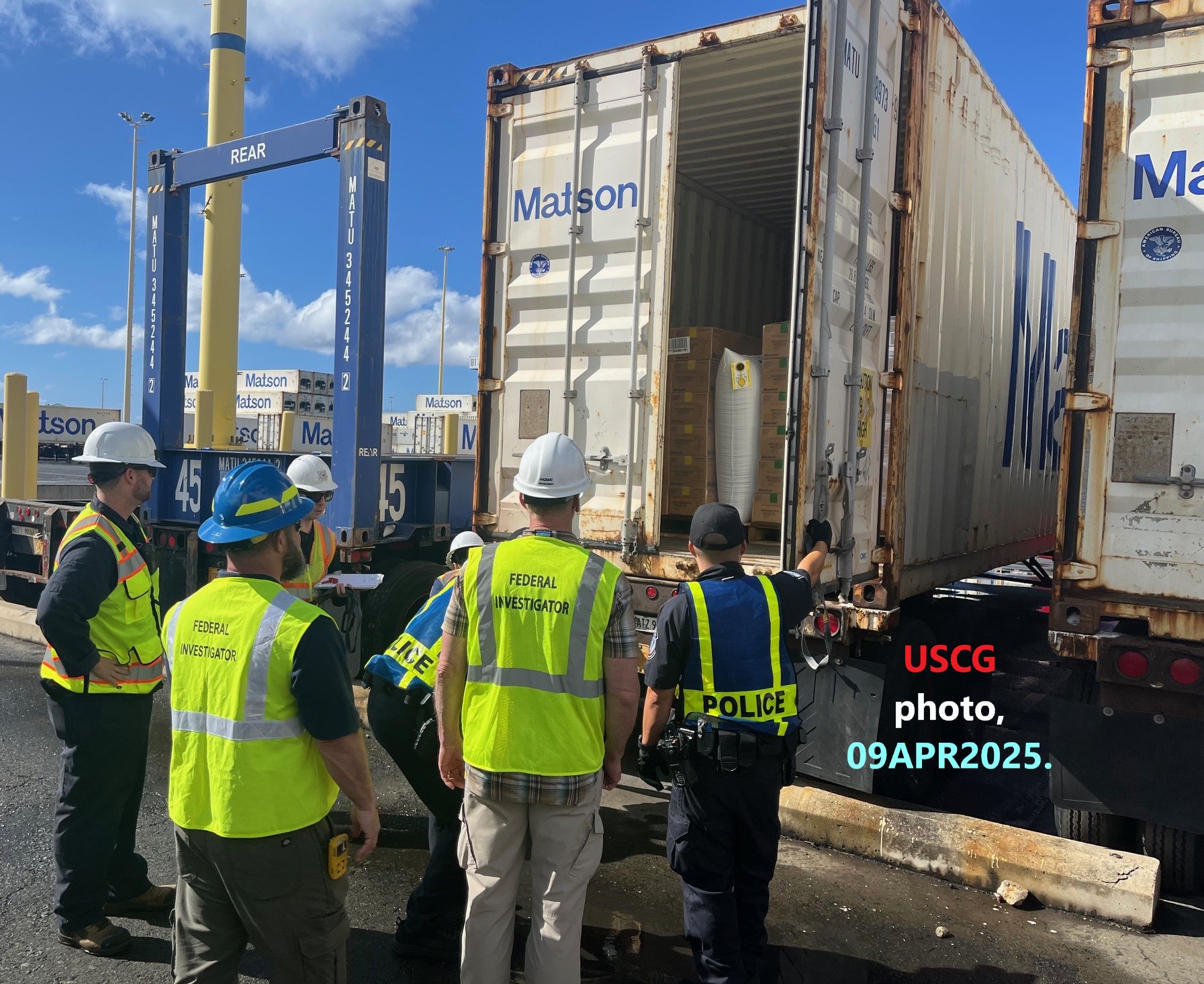
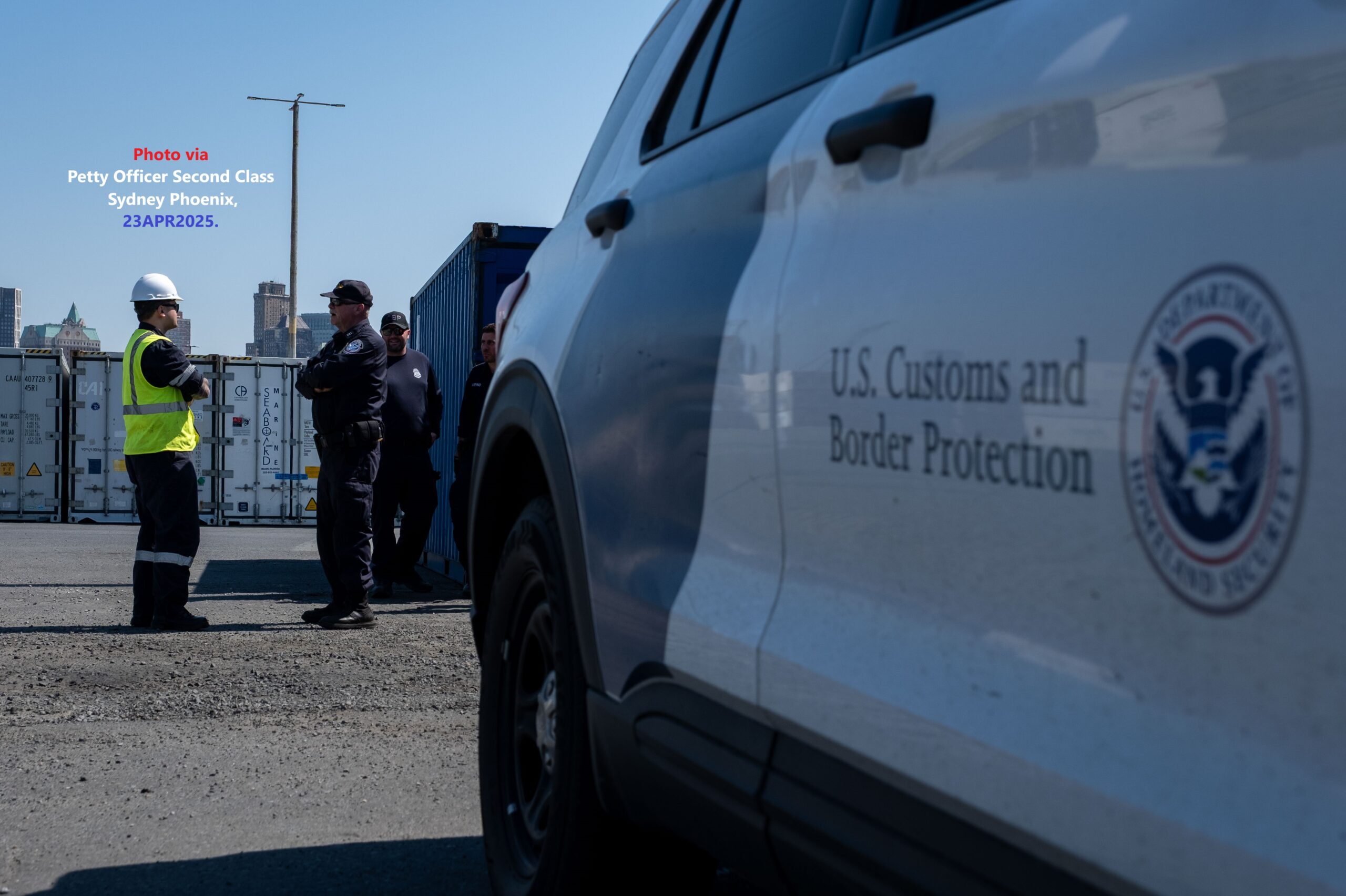
Here is a little bit of what the Department of Defense and the Customs and Border Protection were up to in March 2025:
Now called ‘expulsion flights’, a U.S. Customs and Border Protection DHC-8 is loaded with outbound illegals, Conroe, Texas.
Now called ‘expulsion flights’, a U.S. Coast Guard C-27J Spartan is loaded with outbound illegals, Conroe, Texas.
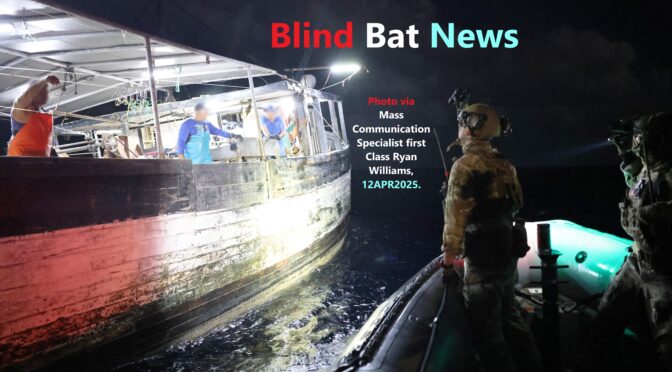
On 06MAR2025, the U.S. Coast Guard (USCG) released video of a drug boat intercept off the coast of the Dominican Republic. The intercept happened on 17FEB2025 and was recorded by a Customs and Border Protection (CBP) aircraft. The USCG says 1-thousand-280 pounds of cocaine and five smugglers were captured:
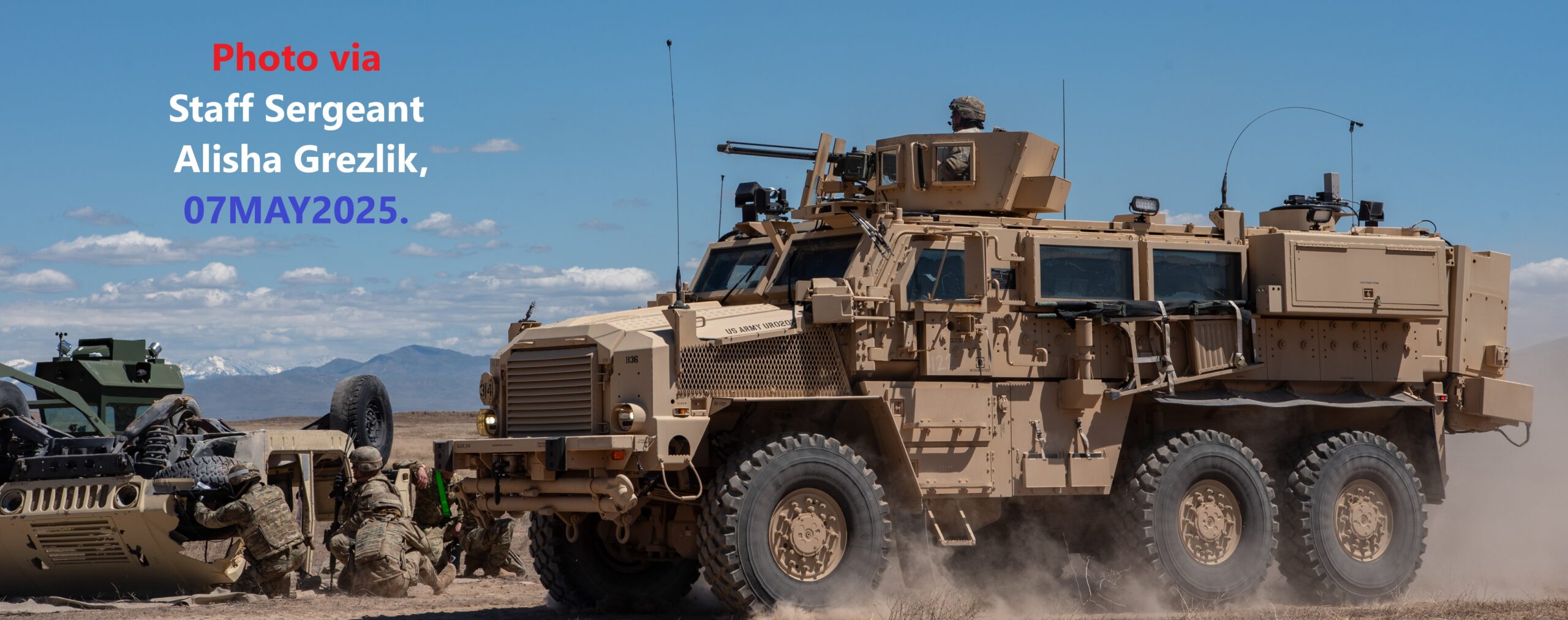
The U.S. Army’s 101st Division Sustainment Brigade-101st Airborne Division deploys from Fort Campbell, Kentucky, to Texas for border operations.
3rd Infantry Division UH-60 Black Hawk helicopters arrive on Fort Huachuca, Arizona, 08MAR2025.
U.S. Coast Guard (USCG) says this boat held nine illegals, captured near Point Loma, California.
On 11MAR2025, the U.S. Coast Guard captured 15 illegals off the coast of San Diego, California.
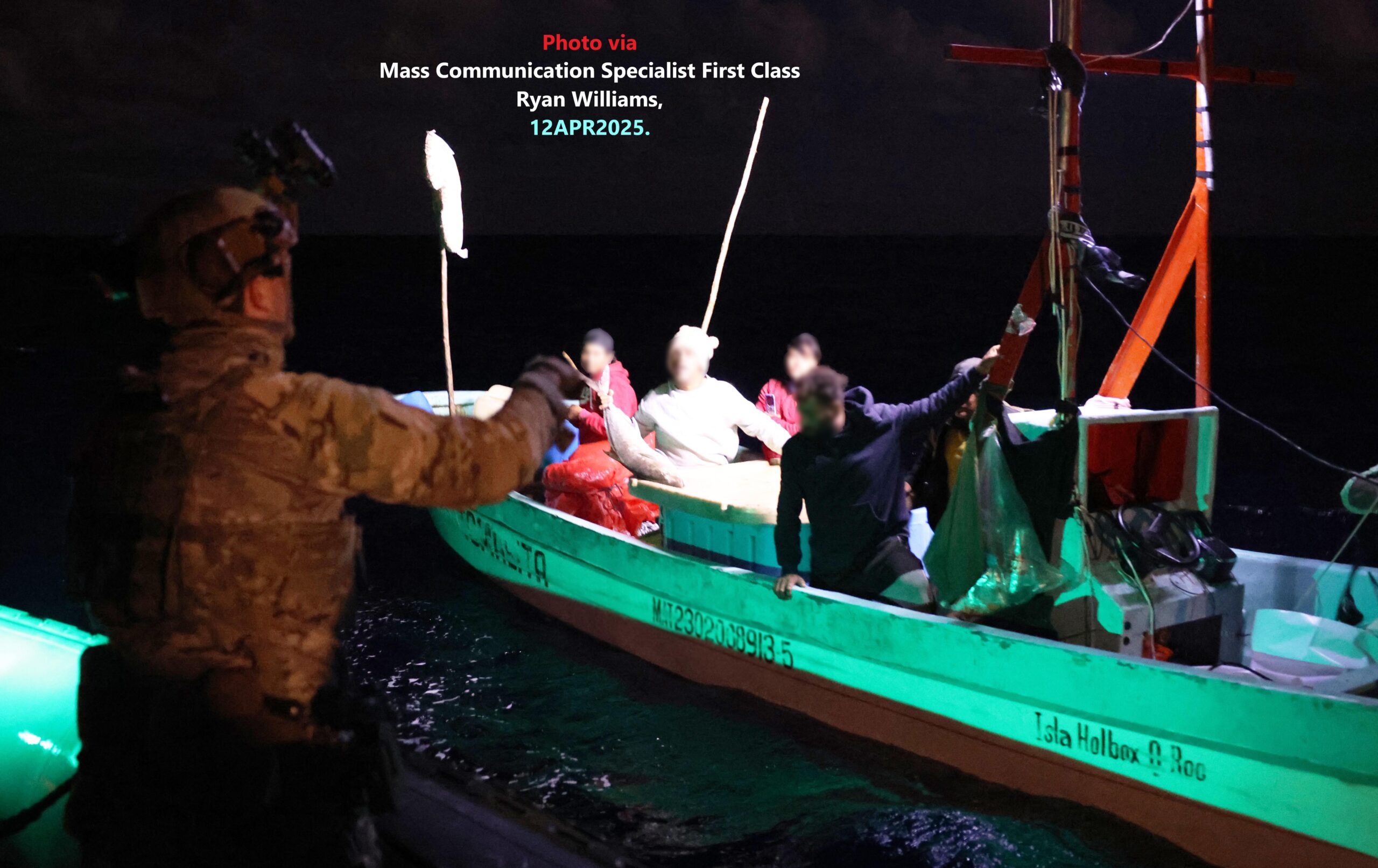
The USCG says this boat was one of four used to illegally fish off the Texas coast. Approximately 2,500 pounds of red snapper and 16 Mexicans were captured.
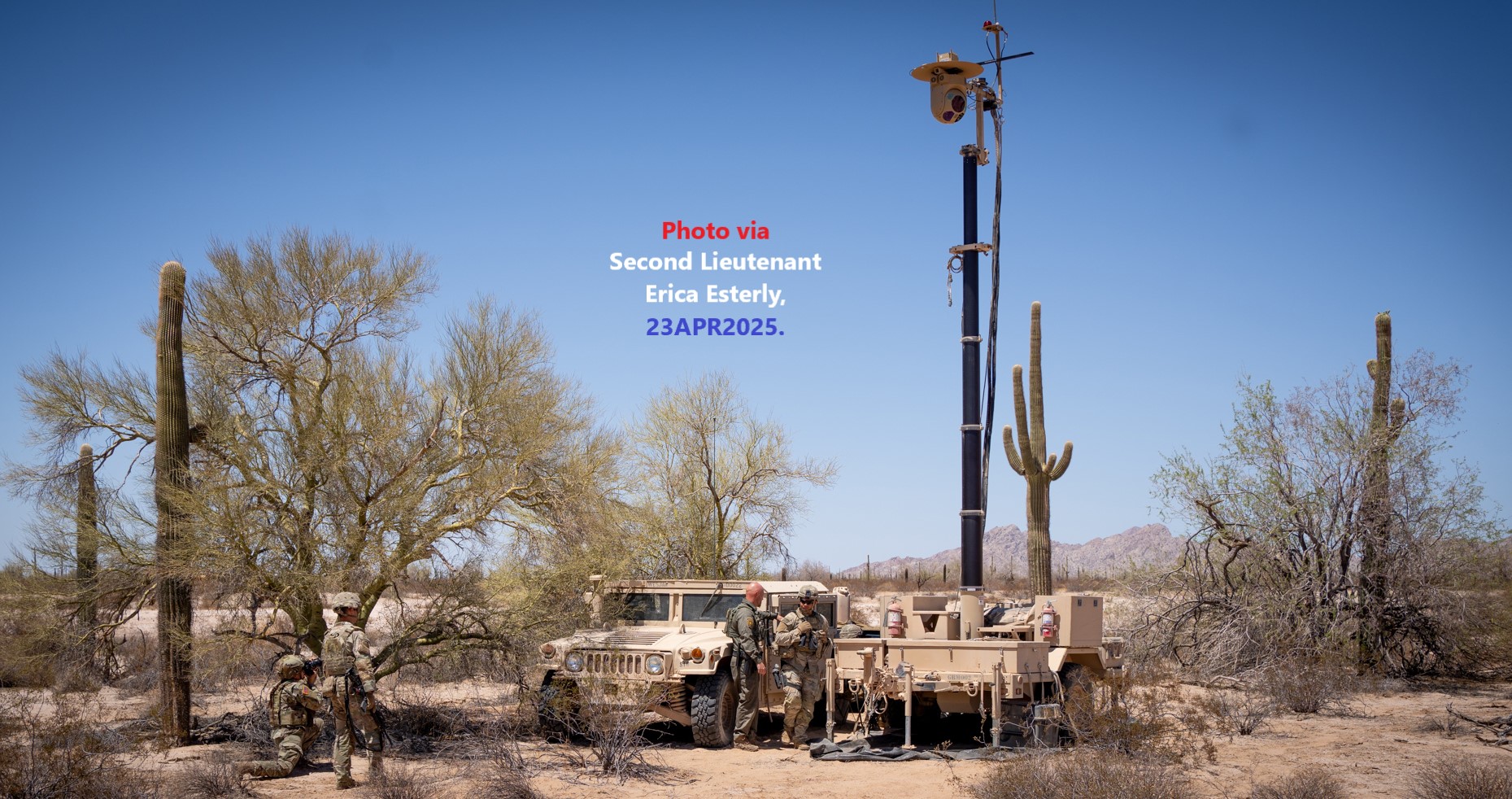
10th Mountain Division Soldiers, assigned to Joint Task Force-Southern Border, train on the AN/TPQ-53 radar system near Sierra Vista, Arizona.
Deconstruction of CBP temporary migrant housing near Tucson, Arizona, due to a massive reduction in the number of illegals attempting to cross the southern border.
Alpha Company, of the 189th Division Sustainment Support Battalion, departed Fort Bragg, North Carolina, to Fort Bliss, Texas.
USS Gravely (DDG 107) was assigned to assist the U.S. Coast Guard with interdiction operations.
On 18MAR2025, deploying Stryker units were issued Meals Ready to Eat (MRE) at Alpine, Texas.
On 19MAR2025, CBP released body-worn camera video of a shooting that happened near Laredo, Texas, back on 23SEP2024. Part-1:
Part-2:
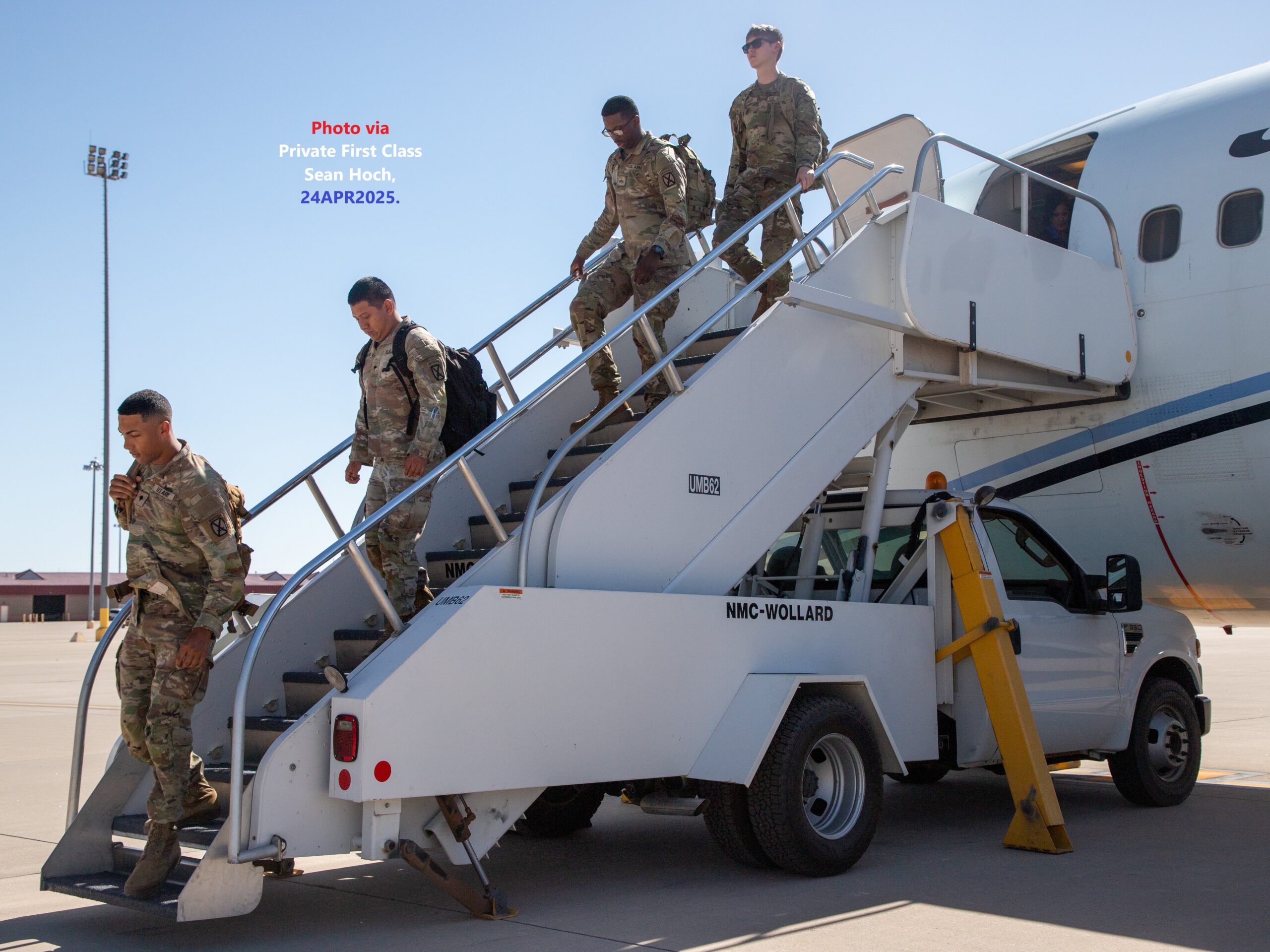
On 21MAR2025, Echo Troop of the 3rd Squadron-17th Cavalry Regiment-3rd Combat Aviation Brigade-3rd Infantry Division, based on Fort Stewart-Georgia, deployed as part of the new Joint Task Force-Southern Border.
President Donald John Trump answers questions about border security, migrant gangs and deportation, I mean expulsion flights, 21MAR2025:
On 22MAR2025, USS Spruance (DDG 111, home base San Diego) began its new assignment to augment CBP along the U.S. southern border.
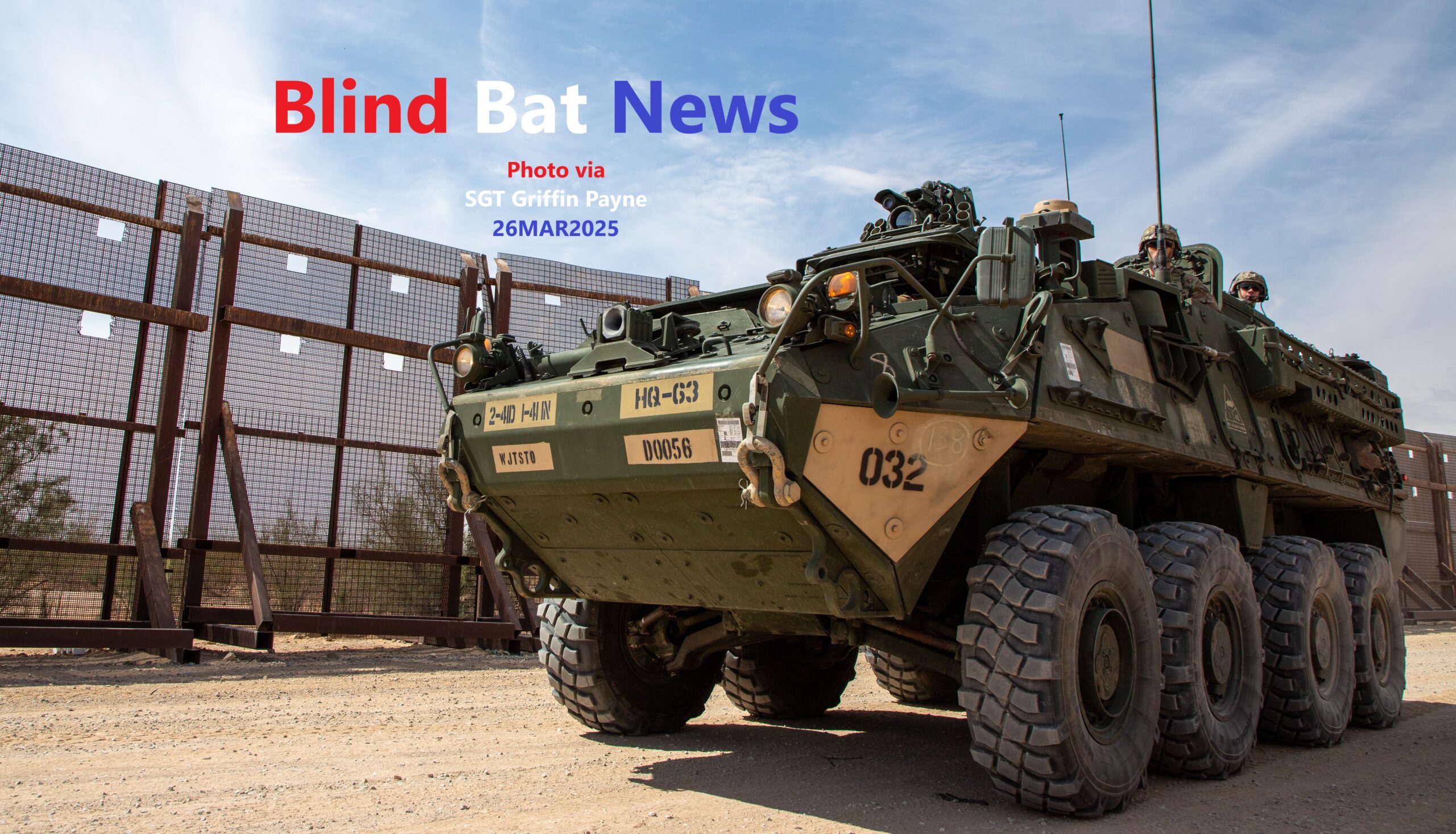
On 26MAR2025, a U.S. Army Stryker (from 1st Battalion-41st Infantry Regiment-2nd Stryker Brigade, Fort Bliss, Texas) patrolled the border wall near Santa Teresa, New Mexico, as part of the new Joint Task Force-Southern Border. Video via Private First Class Sean Hoch:
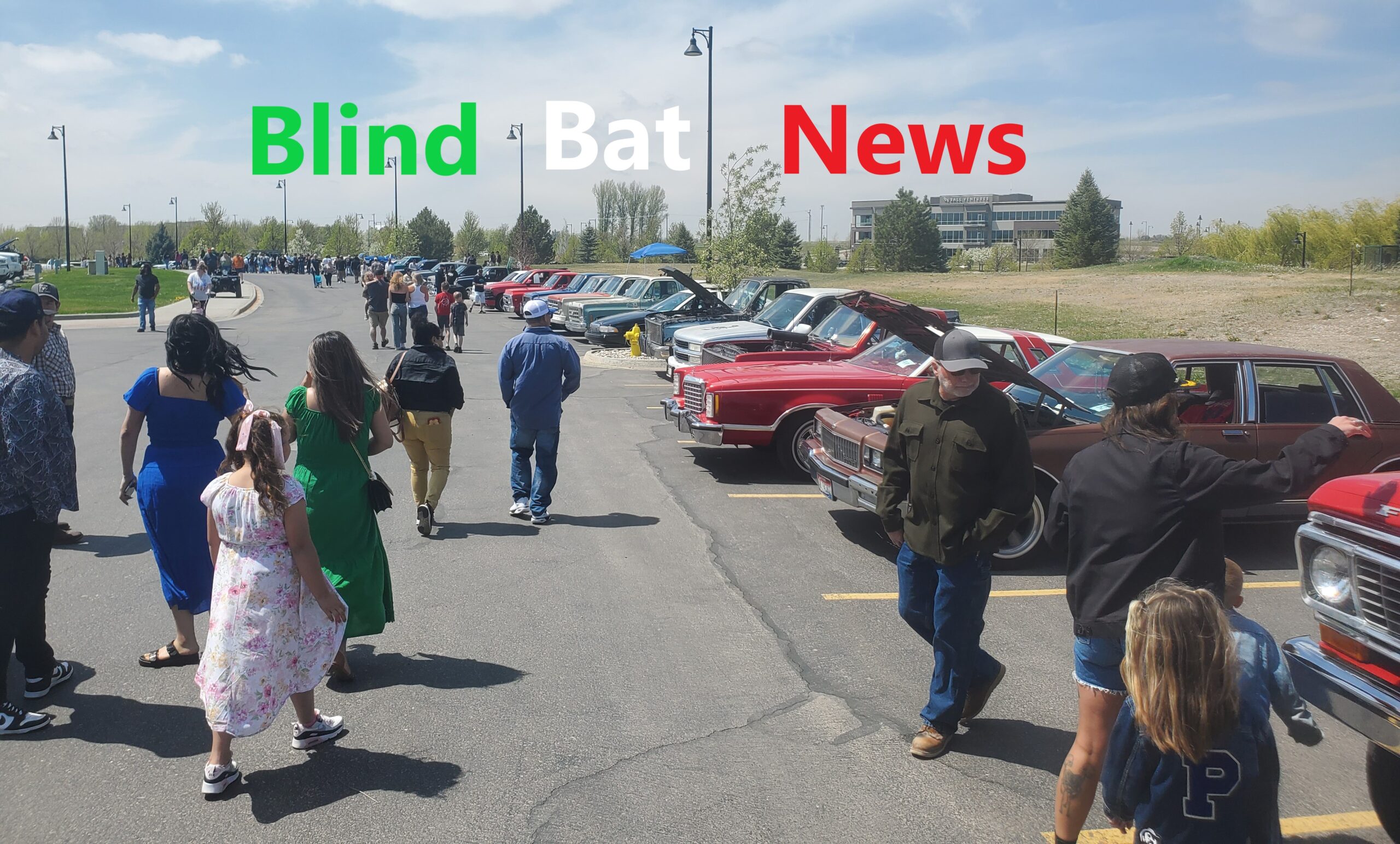
Calakas’ Cinco de Mayo festival at the Waterfront on the Snake River Landing, Idaho Falls, 04MAY2025.
Initially it doesn’t look like many people showed up, but three hours later it was wall-to-wall, packed with people and vehiculars!
Familia:
Carros:
Azteca:
By the end of the routine several dancers were trying to keep from losing their headdresses.
This is from the closing dance/ceremony:
I got to the event at noon, three hours later it was too crowded for my liking, even the parking situation was getting bad with newcomers blocking in parked cars (plus I forgot to wear a hat) so time for me to vamos.
Extra security guards were called in, and an Idaho Falls police guy paid a visit. Proof the fiesta was a success!
While the City of Pocatello, Idaho, spends tax dollars rebuilding a small park into an elaborate skate park, it rejects private efforts at creating a dedicated motorsports complex. Add to that the fact that the city is sitting on a federal land grant that has as one of its provisions that it could be used for sports, including motorsports (part of the Surplus Property Act involving Pocatello Airport, this is being administered by Bannock Development’s tax payer funded Project CREST)!
On top of this, the administrator for the Pocatello Car Club (advocating for a motorsports complex) says he is now being accused of fraud! Here is most (but not all) of the letter published by the Pocatello Car Club:
Blind Bat News was having technical difficulties (a never ending nightmare) and it was finally realized that finding a new Webhost was the solution.
Now it’s time to catch up on some of the vehicle related events that took place since April 12th.
The ‘member driven’ Pocatello Car Club Saturday evening cruises continue, despite contending with bad weather or other vehicle related events.
By the way, you don’t need to be an ‘official’ member of the club to take part in the cruise, but supporting the club will help towards getting a dedicated motorsports complex started.
On the 19th of April, PCC drivers decided to cruise the Old Town area of Pocatello:
The 26th of April Cruise sputtered out, people showed up, just not enough. Blame it on lot of other things going on (like at least four big car events happening in Las Vegas, Nevada, that weekend):
The 3rd of May, the drivers were back, and getting hungry: