Tag Archives: taxes
Iran bombed multiple times by Israel!
Israel bombs Tehran multiple times! Residential apartment skyscrapers targeted, speculating they are the residences of Iranian military leaders. Israel declares state of emergency, bans gatherings, travel and university activities, names bombing Operation Rising Lion.
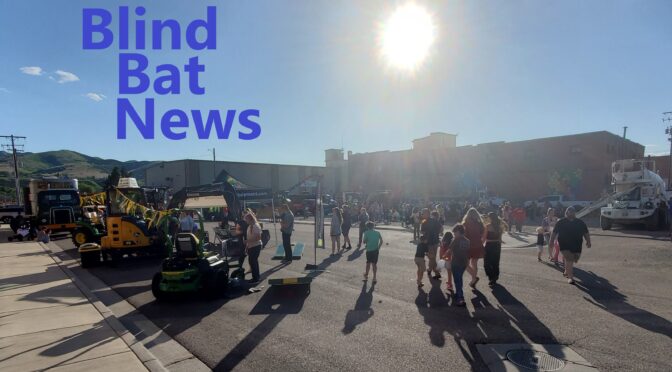
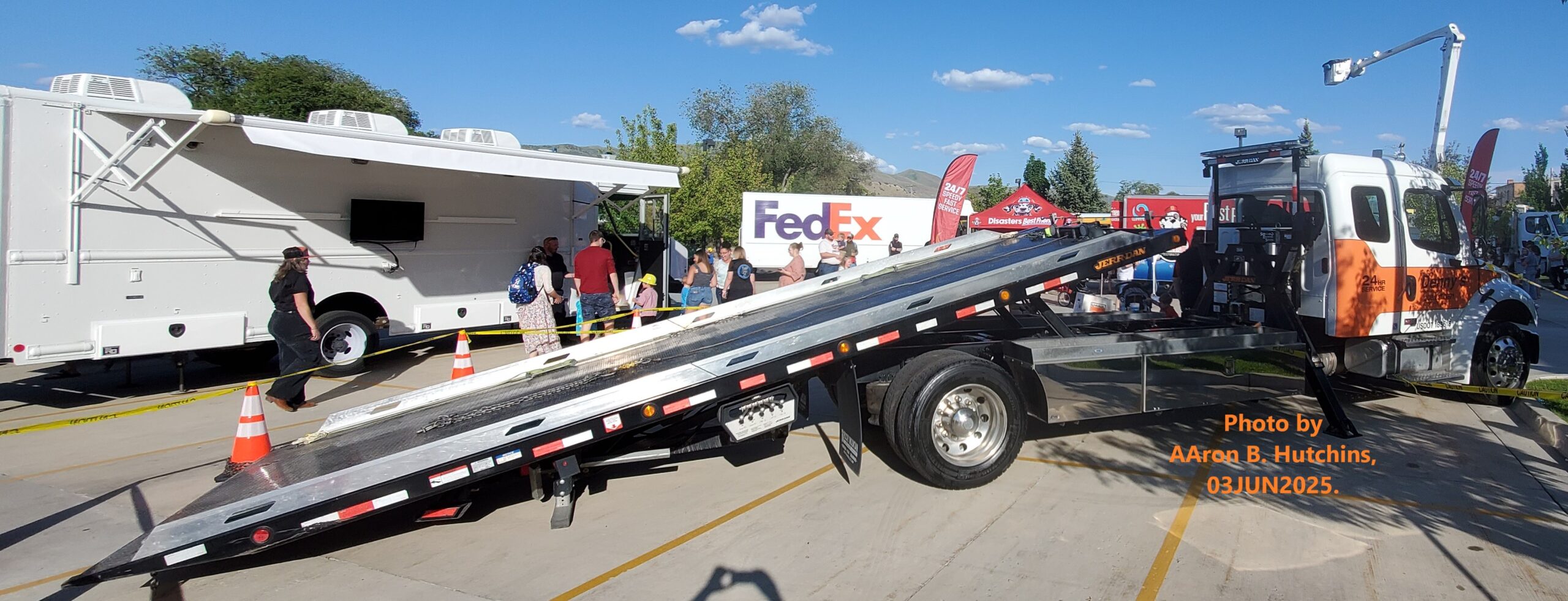
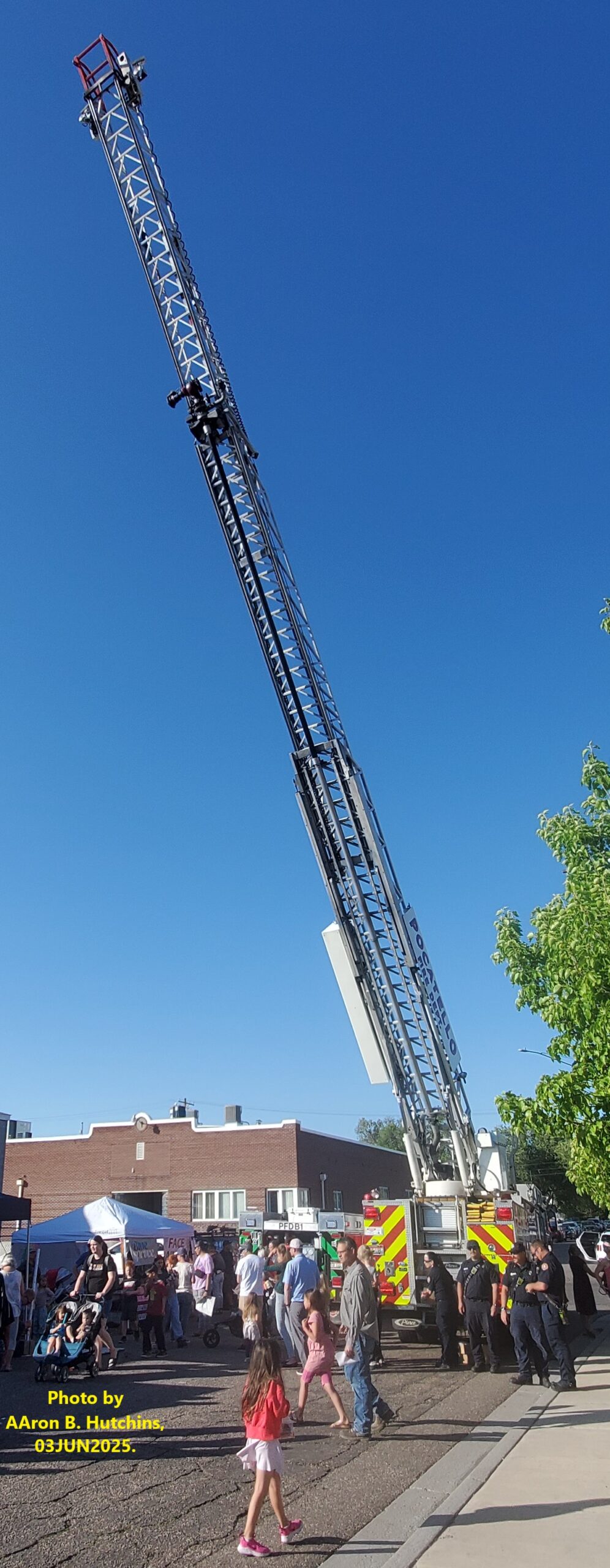
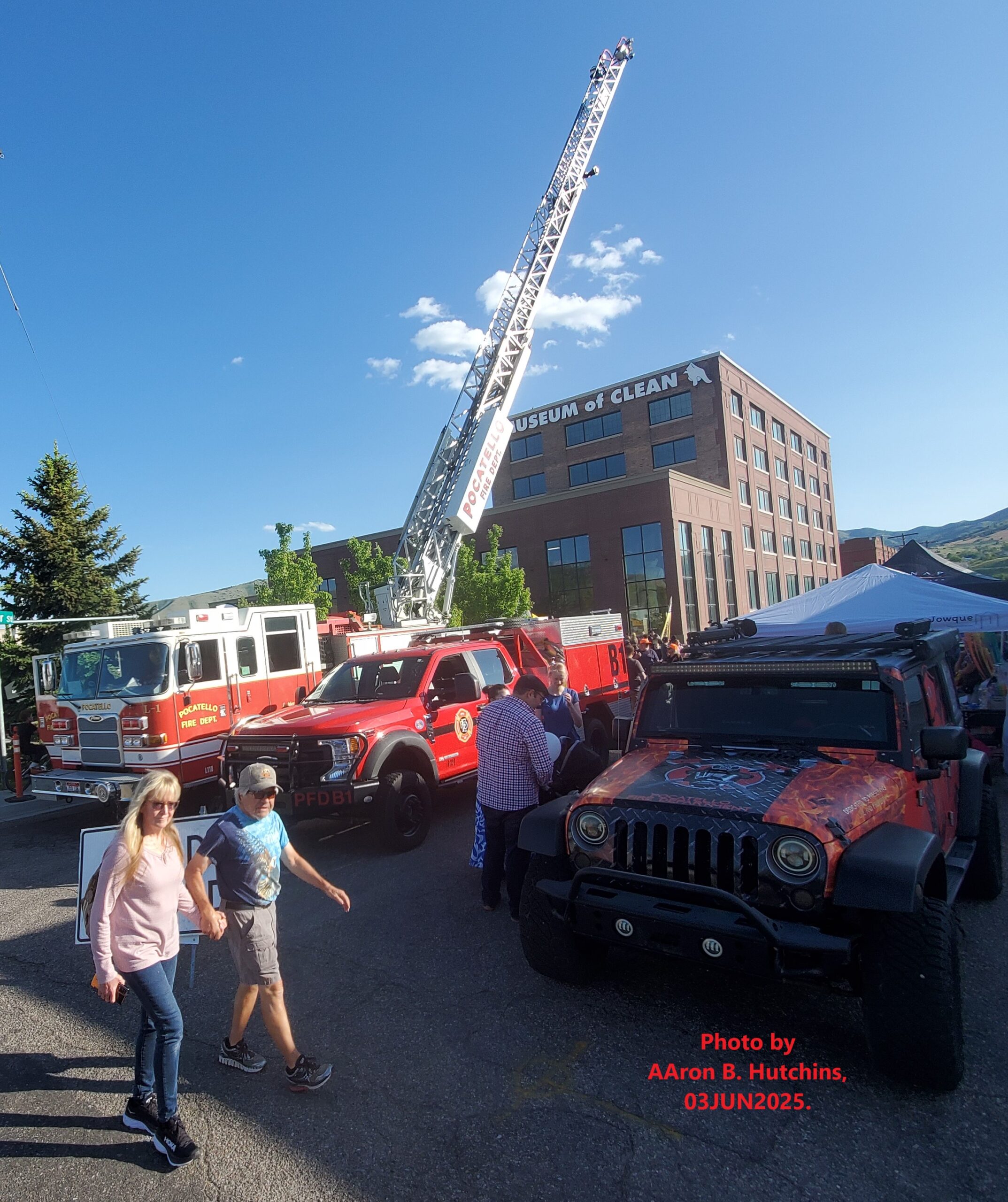
What happens when you ‘Touch-A-Truck’?
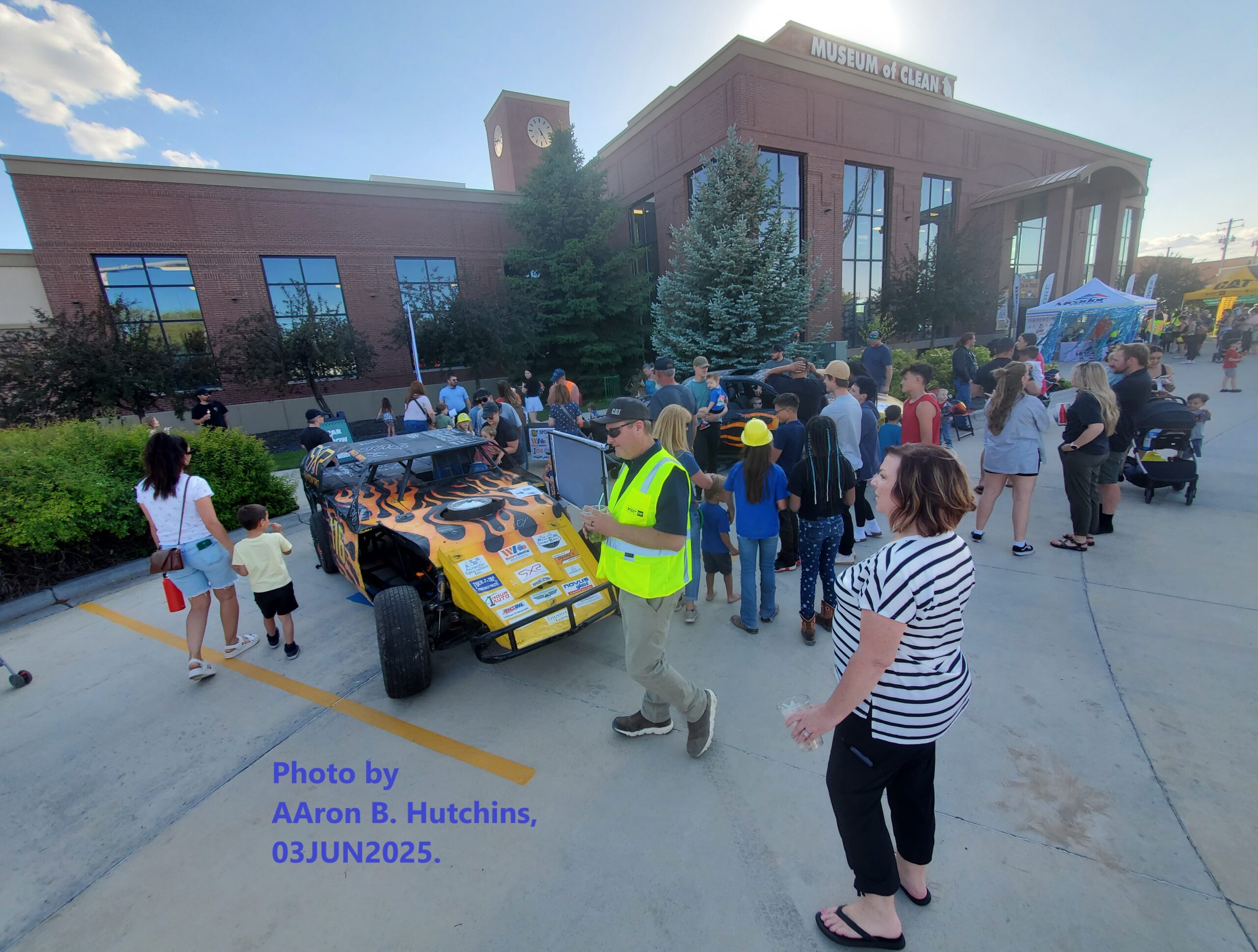
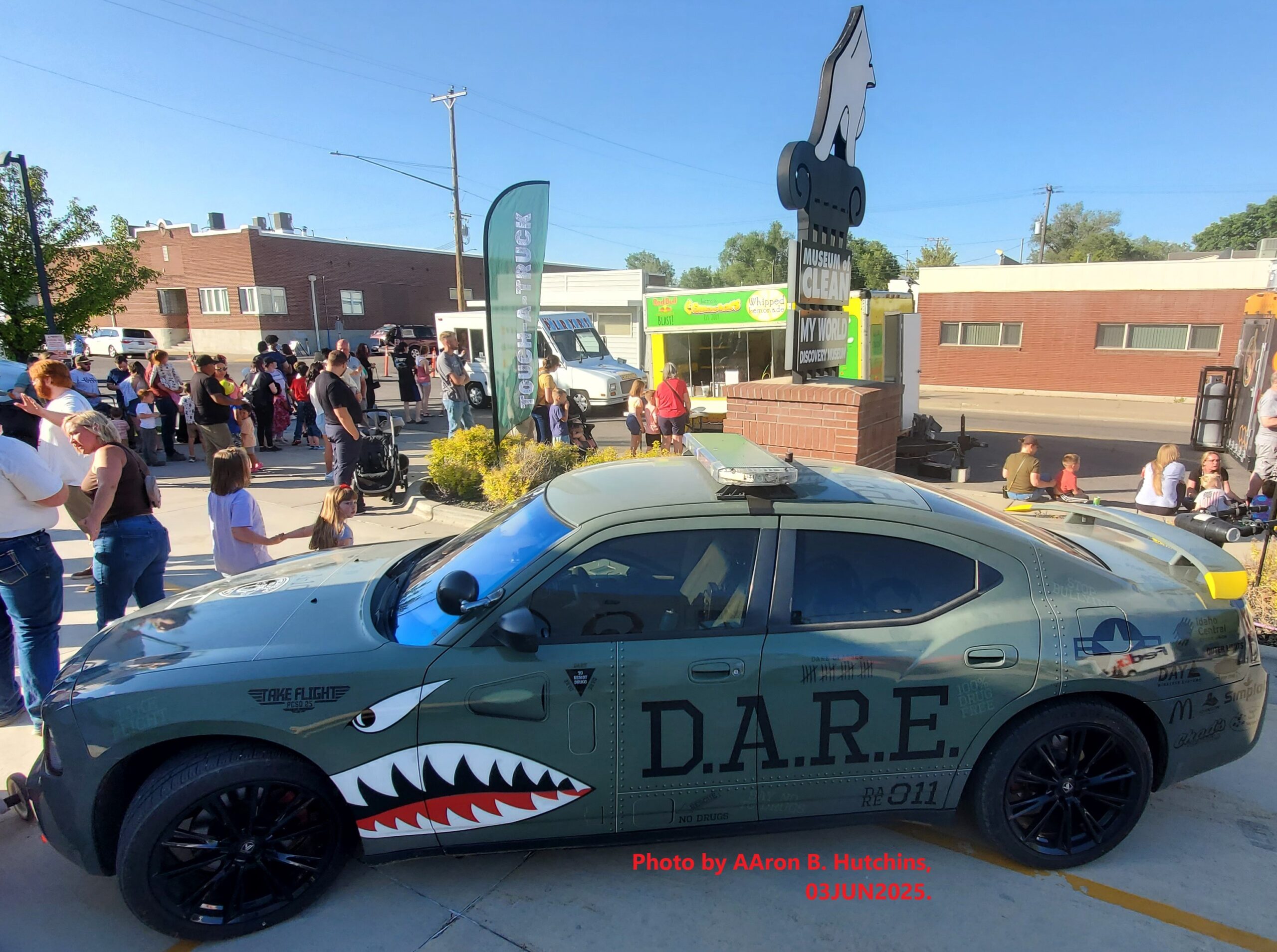
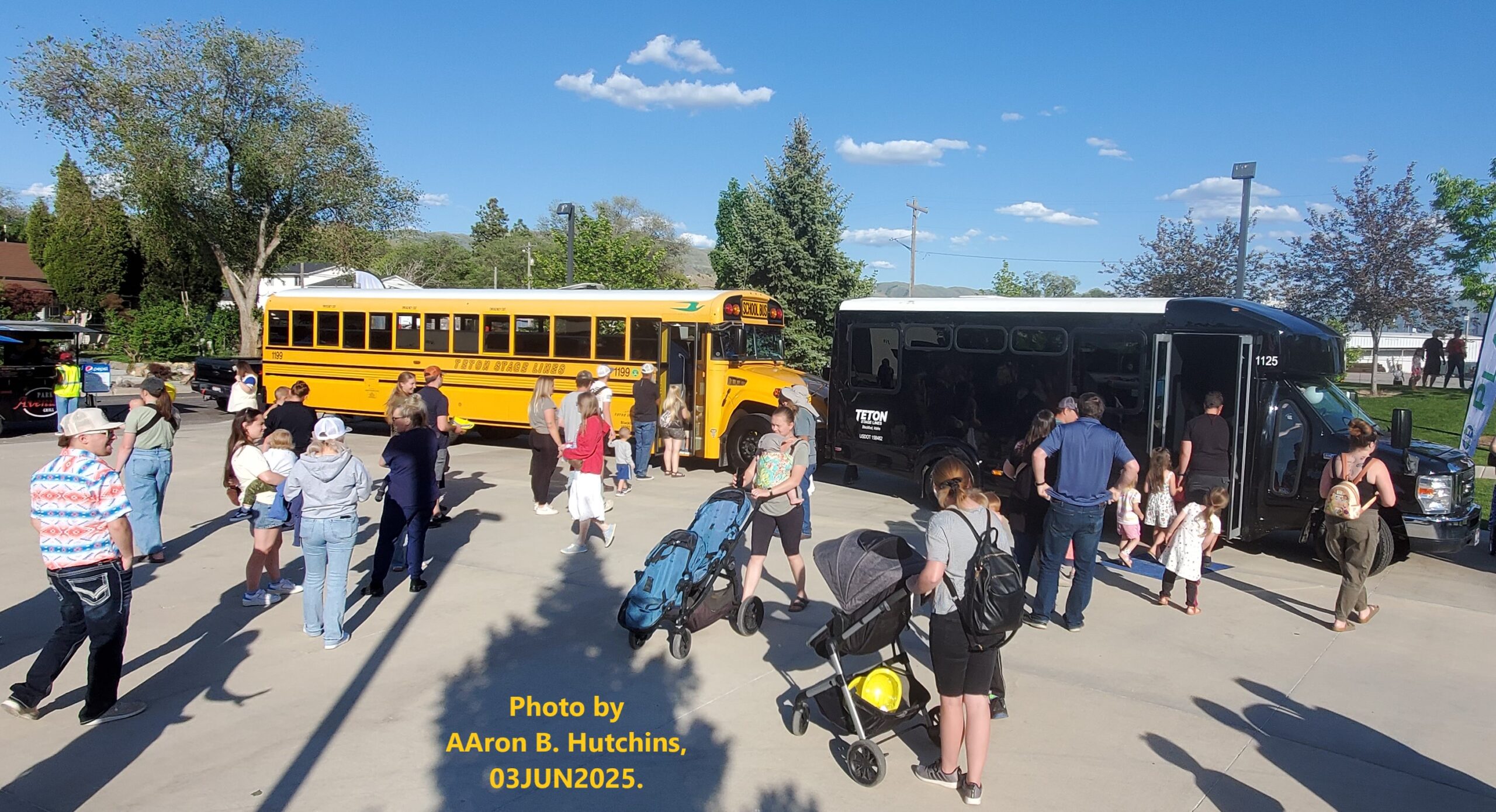
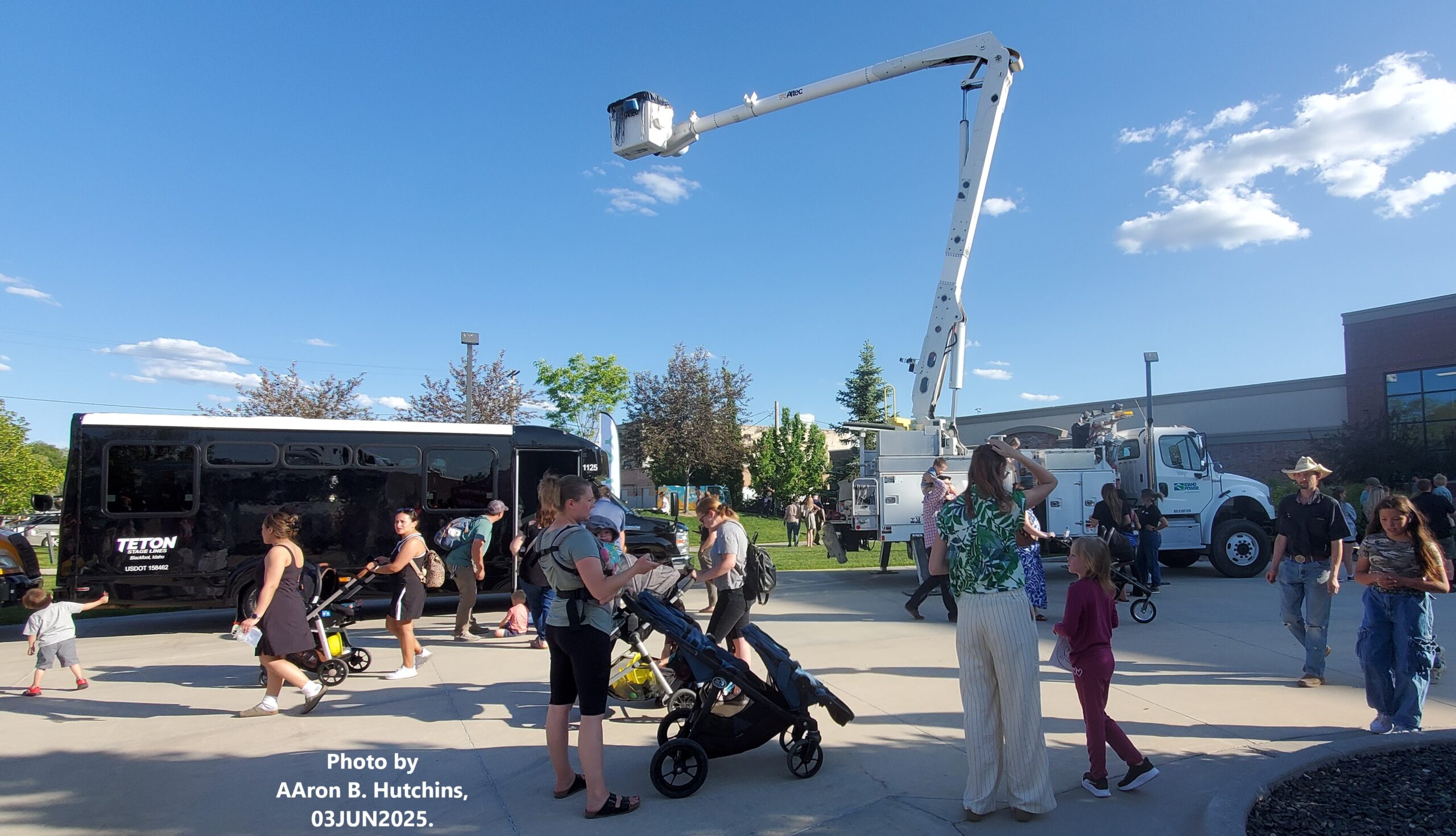
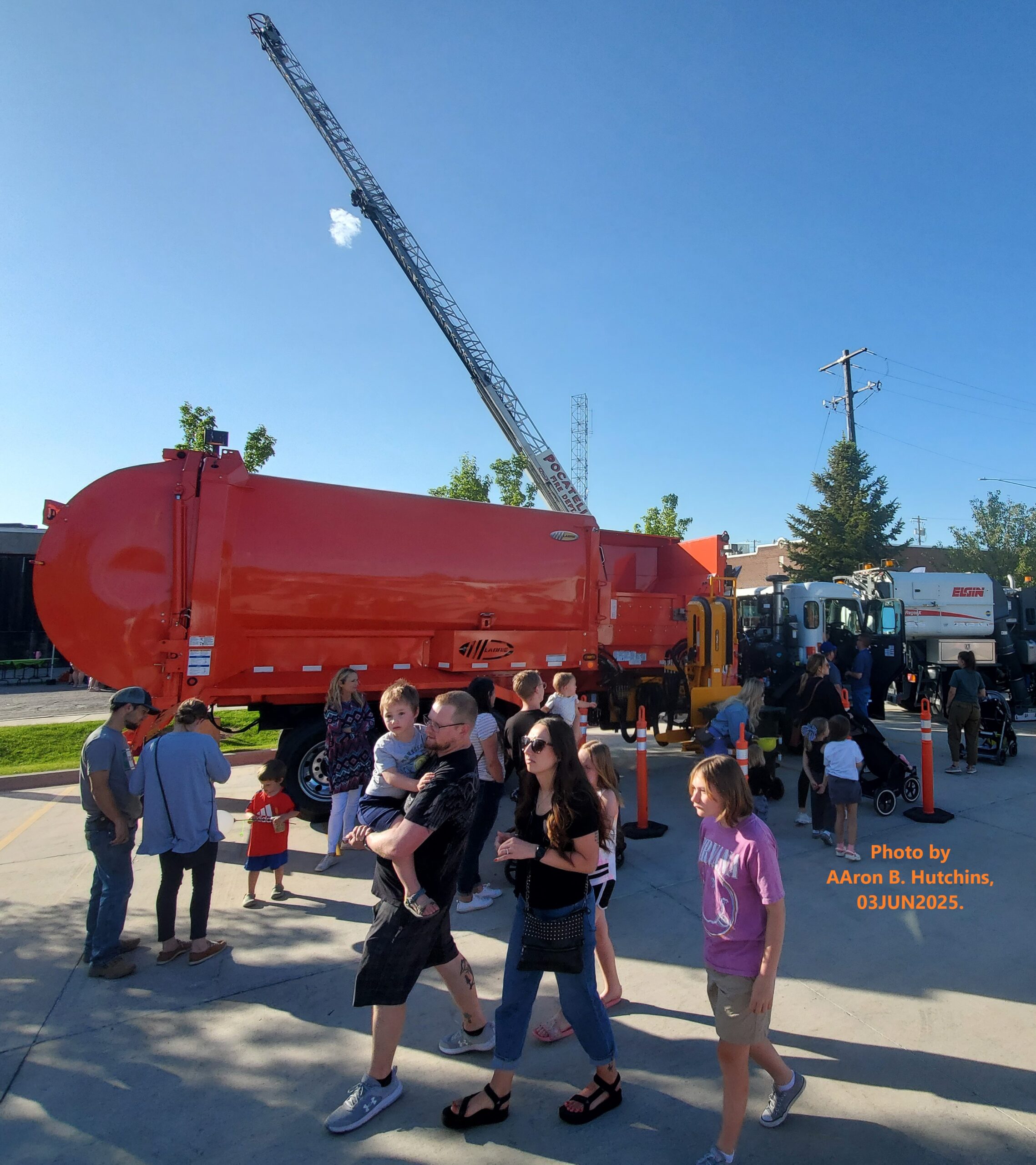
On 03JUN2025, a Touch-A-Truck event was conducted on the property of The Museum of Clean in Pocatello, Idaho.
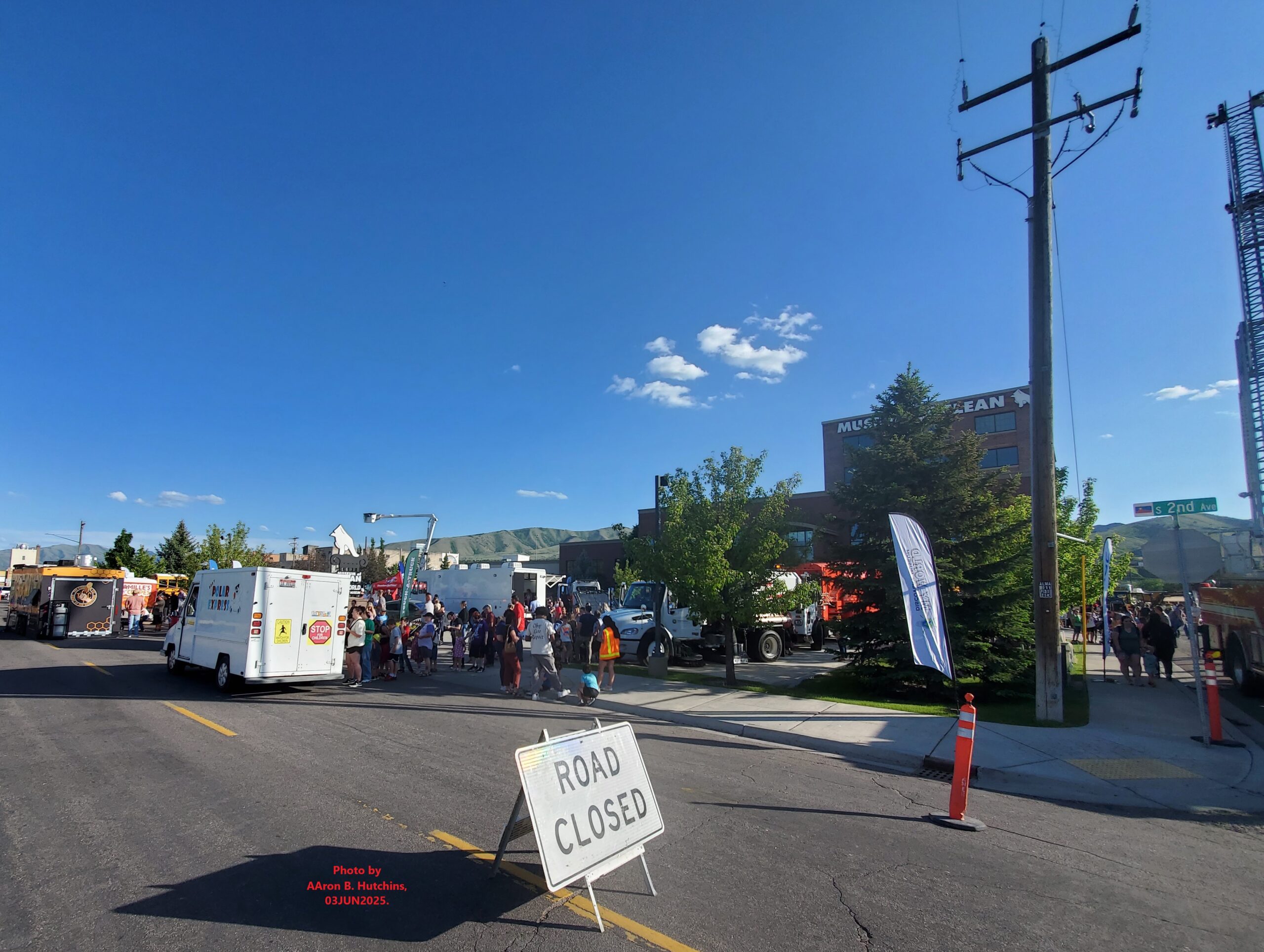
Streets were closed.
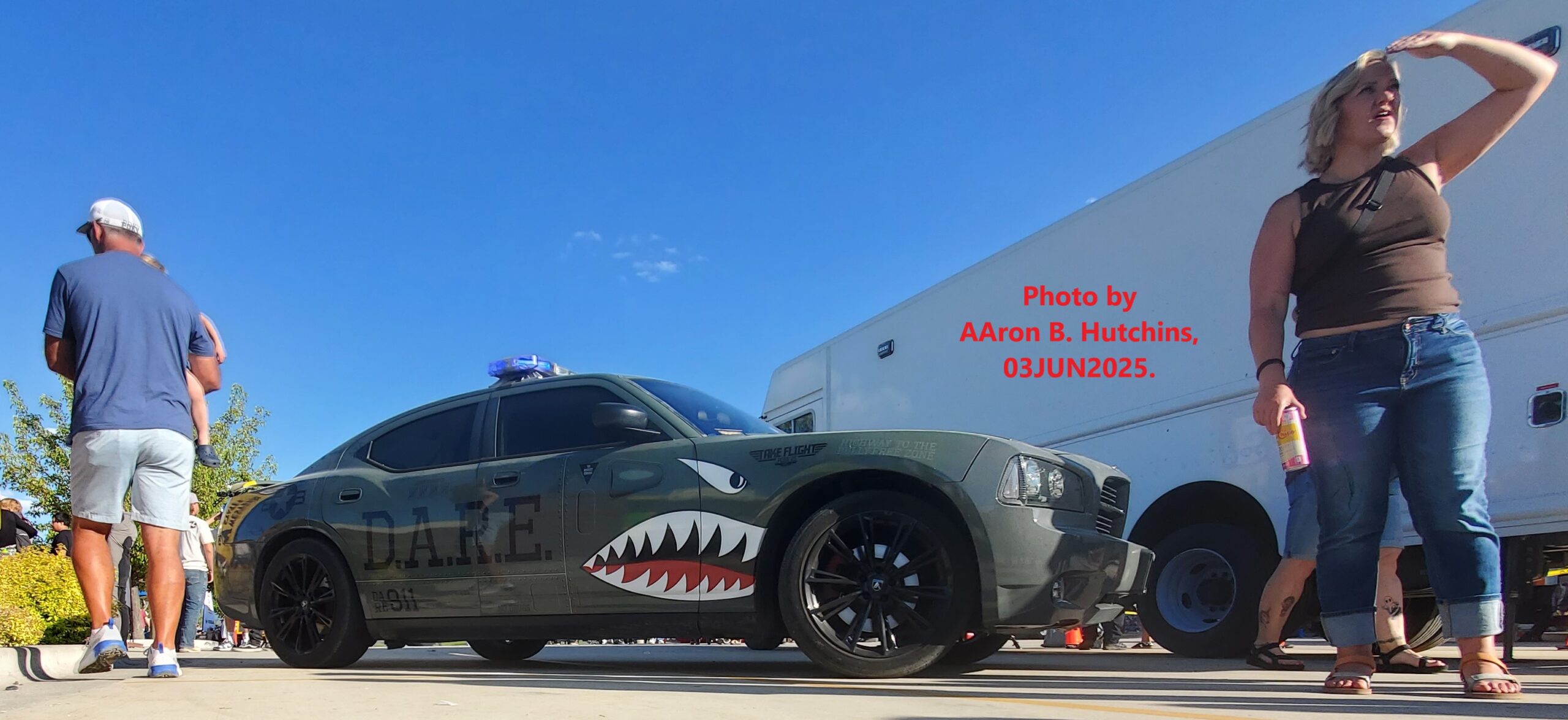
DARE (Drug Abuse Resistance Education) to watch out for your kid’s safety and health.
Cement mixer truck poured some fake-news concrete:
After pouring the fake concrete kids got hands-on:
Watch my ‘long-form’ video on YouTube: https://www.youtube.com/watch?v=V57jRzjJCP4
My ‘short-form’ videos: https://www.youtube.com/shorts/VDNf8vuQqok https://www.youtube.com/shorts/LjU5u4K0nVo https://www.youtube.com/shorts/4d9Oc1J3yzs
Pocatello Car Club: 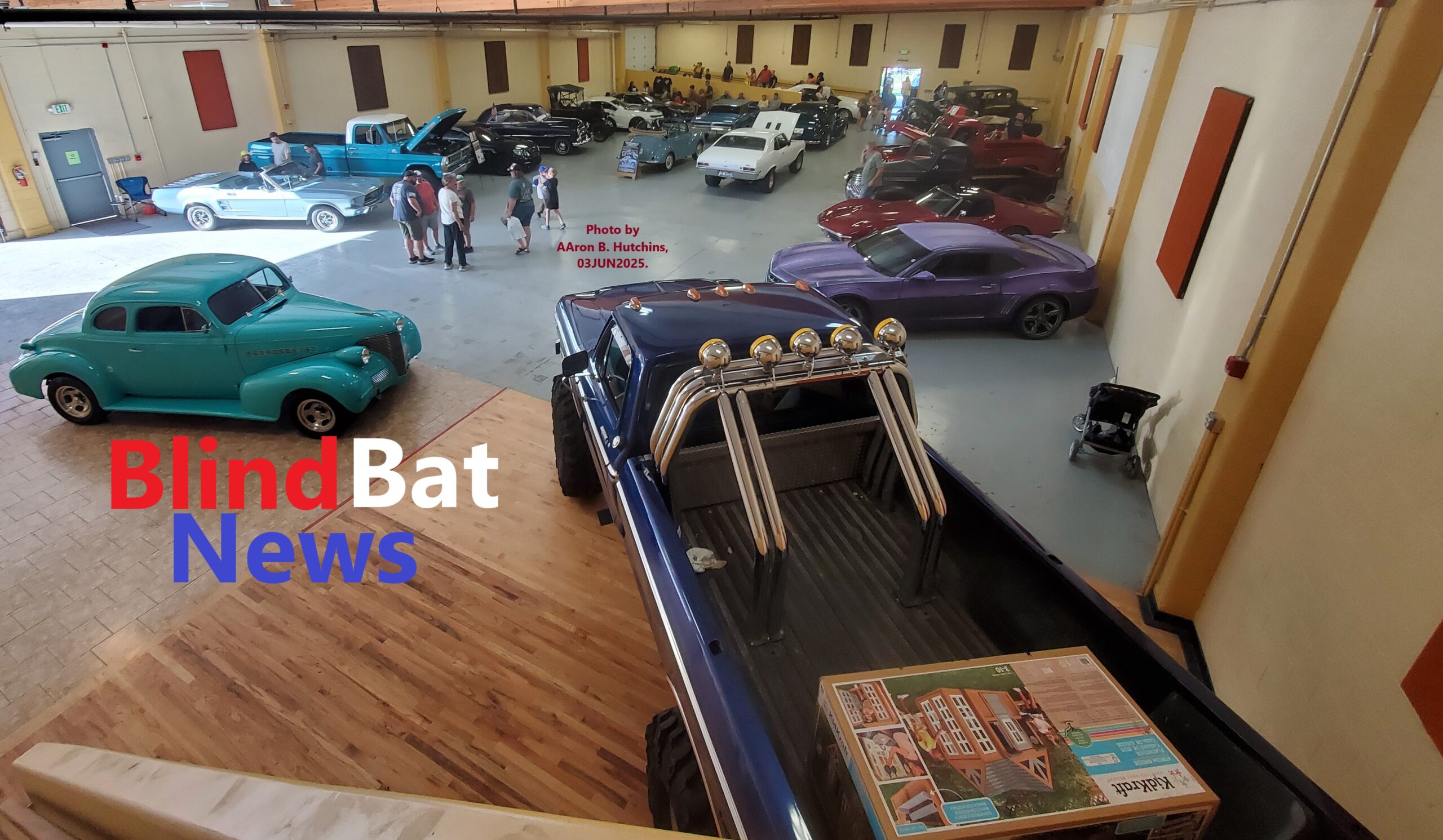 A mini-show & go!
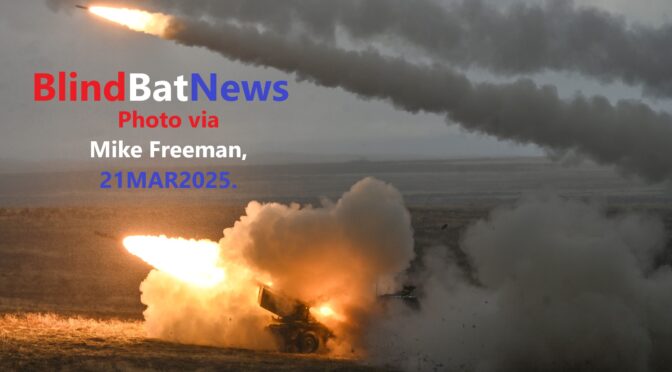
Bullets & Rockets, OCTC-Idaho!
 Back ‘in the day’ when I spent many Summers, and occasional weekends (as both a 13F and a 19K), on what is now known as Orchard Combat Training Area (OCTC) it was called Orchard Training Area (OTA), and it is not in Boise, it is at least 18 miles south of Boise. Since the name was changed (sometime between 2011 and 2012) to OCTC the area has been greatly expanded and is now part of the larger Orchard Training Complex (OTC).
In March 2025, the U.S. Army’s 17th Field Artillery Brigade (from Joint Base Lewis McChord, Washington) took part in wargame Rocky Mountain Thunder on Idaho’s Orchard Combat Training Center (OCTC, 18 miles south of Boise), which included live fire of their HiMARS (High Mobility Artillery Rocket System). Video interview via Sergeant Rebecca Watkins:
I edited together from videos via Sergeant Shadica T. Price (recorded between 22 & 24 March) of day & night live-fire:
Rocky Mountain Thunder also included base defense training. I edited together from video via Sergeant Shadica T. Price:
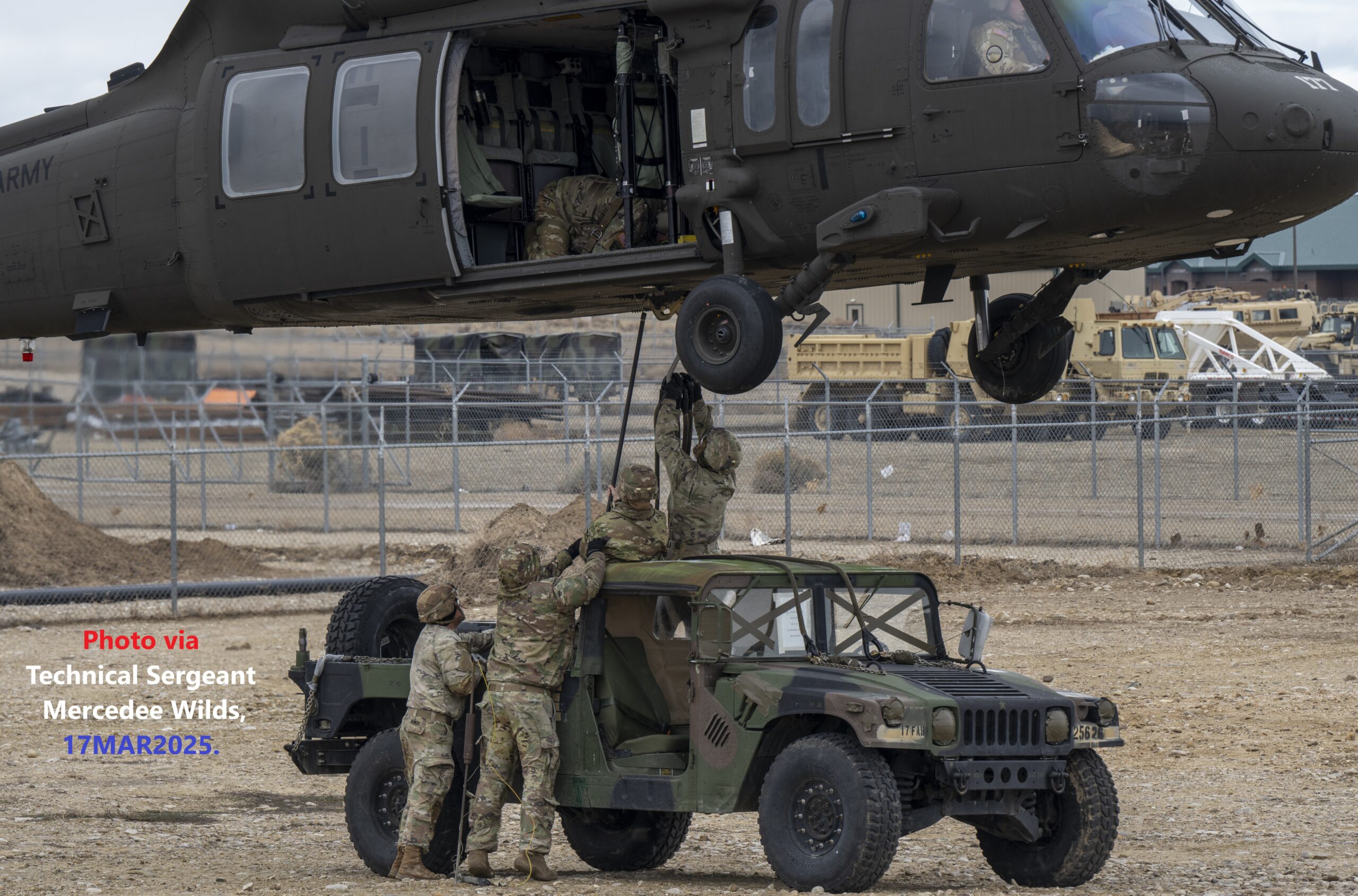
Also in March, the Idaho Army National Guard’s 1-183rd Assault Helicopter Battalion conducted joint sling-load training with the 17th Field Artillery Brigade (Joint Base Lewis-McChord).
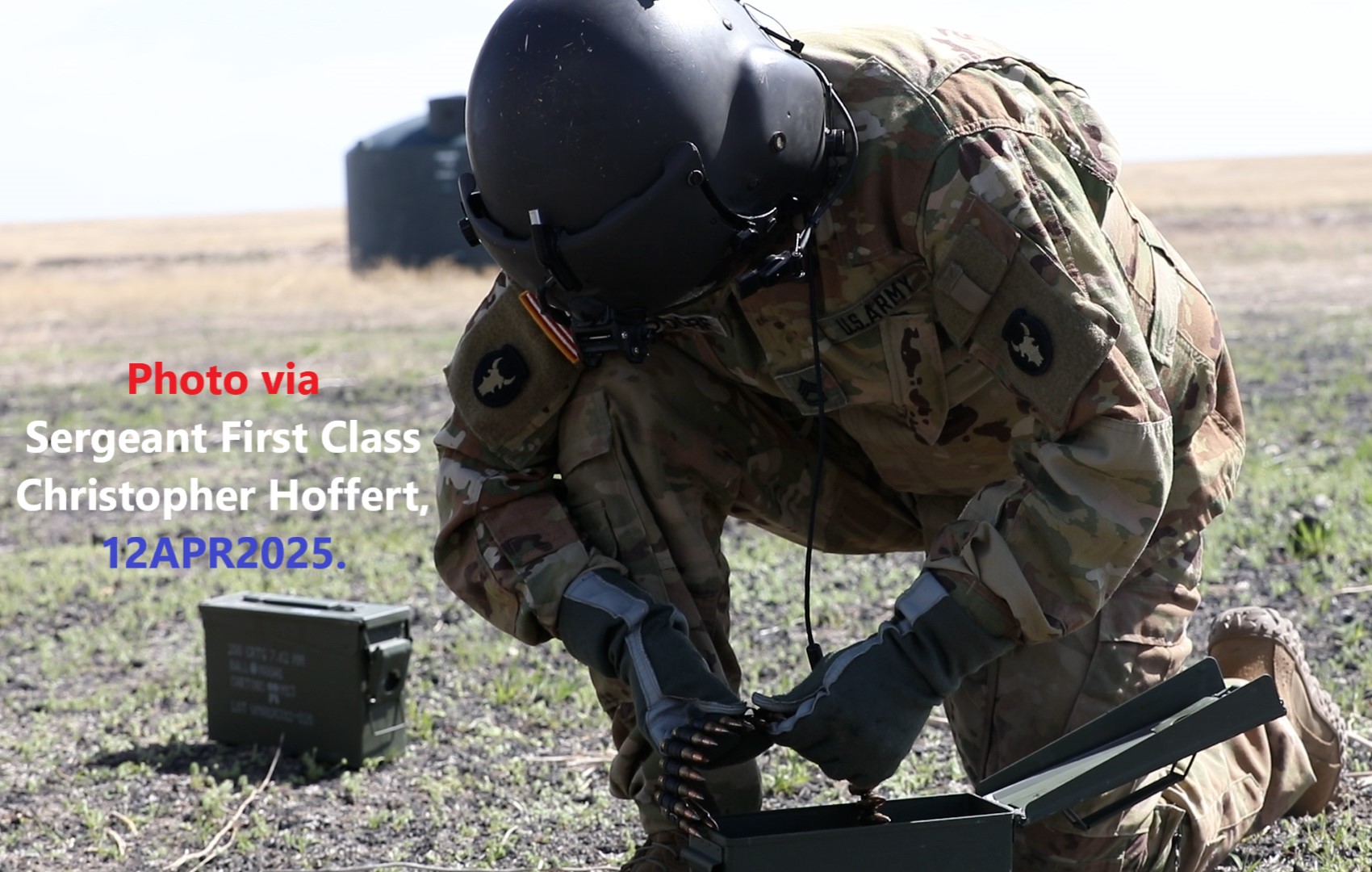
In April 2025, Montana Army National Guard’s 1-189th General Support Aviation Battalion conducted M240 machinegun qualifications/Helicopter Aerial Gunnery (HAG) on Idaho’s OCTC (Orchard Combat Training Center, 18 miles south of Boise).
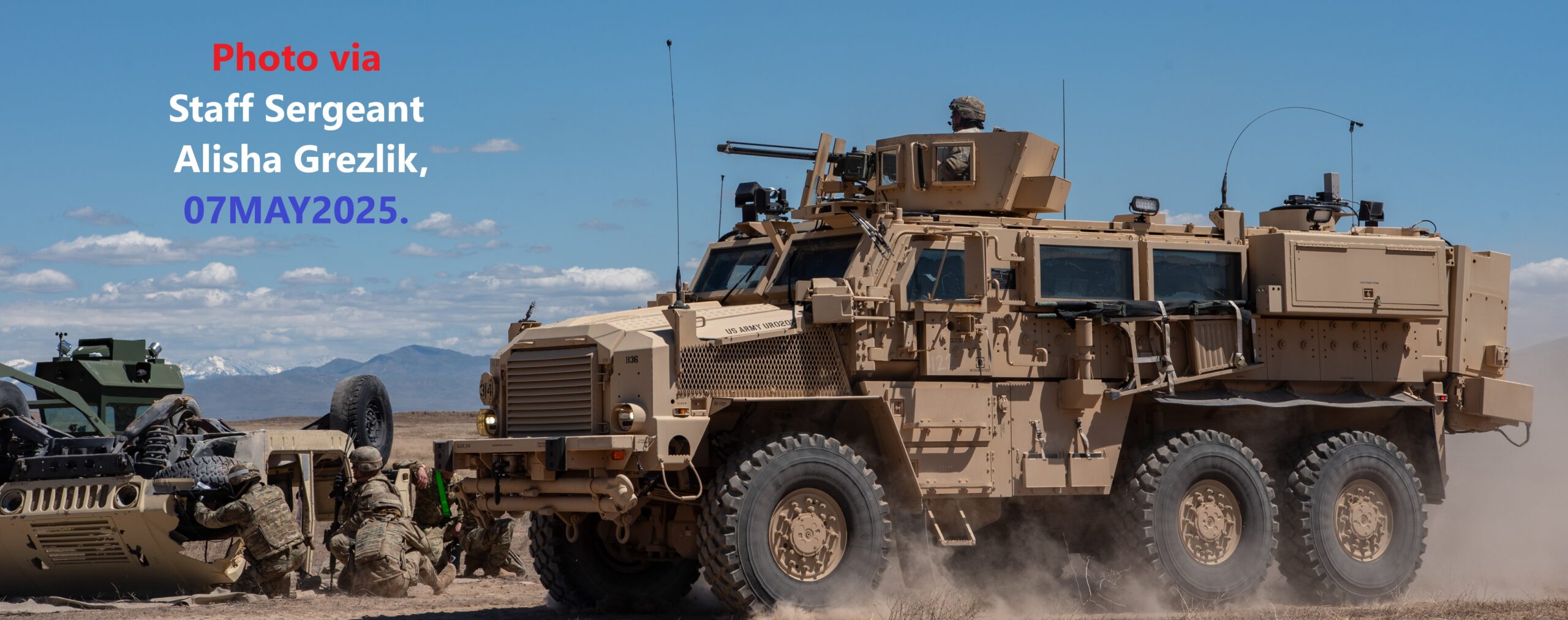
From 04-09 of May, Idaho’s OCTC hosted the Region-6 Best Warrior Competition.
February 2024: Oregon gets new weapons, shoots-up Idaho?
February 2023: Idaho’s Combat Training Area expanded! Millions spent on fire fighting!
October 2022: IDAHO’s upgraded OCTC INVADED BY APACHES FROM ARIZONA & SINGAPORE?
Idaho now premiere site for War-Fighter training! National Guard the new Quick Reaction Force!
June 2022: California, Iowa, North Carolina, Texas, Utah, Washington invade Rebel Idaho!?
March 2022: Idaho… First time use of Javelin missiles!
August 2021: SINGAPORE APACHES TEST IDAHO’S NEW OCTC D-A-G-I-R SYSTEM
April 2021: IDAHO’s OCTC HOME TO FIRST EVER NATIONAL GUARD D-A-G-I-R!
March 2021: Idaho shows you how to engine swap a M113 on the OCTC-MATES.
September 2018: United States invades Idaho!
2017: Idaho’s OCTC is part of prepping for “Near Peer Threats”, code for Russia & China and the coming 3rd World War!
September 2014: “This is where armor fights!” Idaho National Guard returns to Cold War era ‘Total Force’ warfare training!
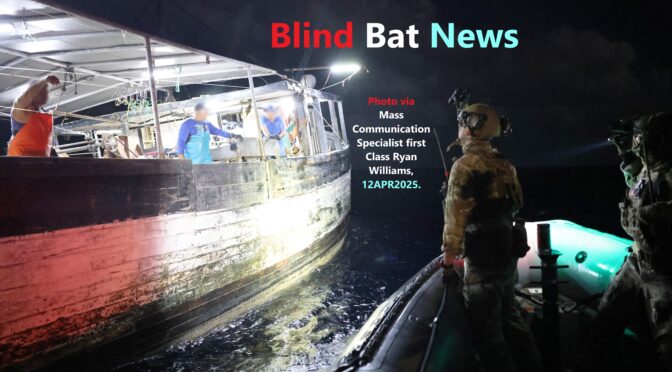
Wall War, April 2025: Historic lows credited to ‘Catch & Prosecute’ policy!
Here is a little bit of what the Department of Defense and the Customs and Border Protection were up to in April 2025.
The U.S. Coast Guard (USCG) explains their HC-144 Ocean Sentry aircraft, video report via Petty Officer Second Class Alejandro Rivera, 03APR2025:
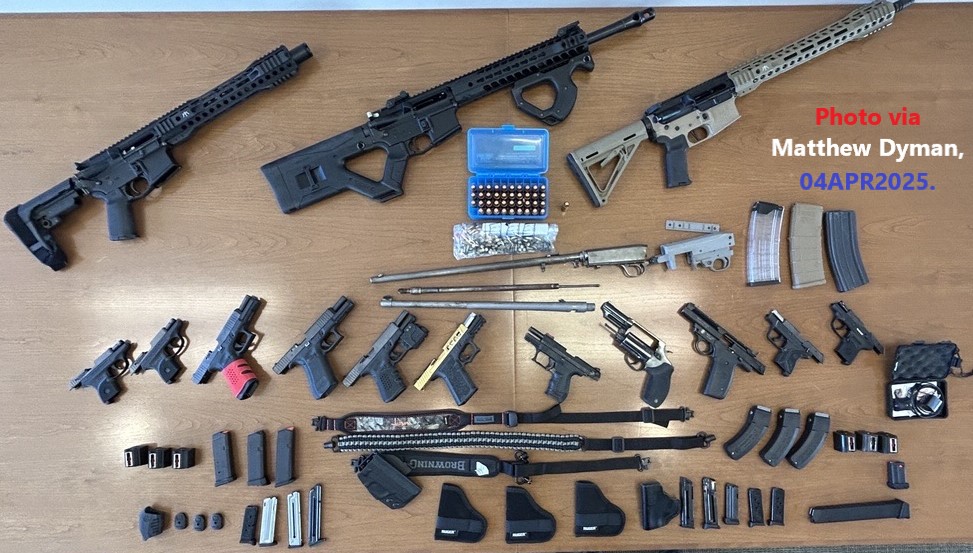
U.S. Customs and Border Protection (Border Patrol) report capturing weapons and hundreds of rounds of ammunition at the Port of Entry in Del Rio, Texas, 04APR2025.
On 05APR2025, additional M1126 Stryker armored vehicles arrived on Fort Bliss, Texas, for border patrol duty. Video via Sergeant Elijah Ingram, Specialist Michael Graf and Private First Class Sean Hoch:
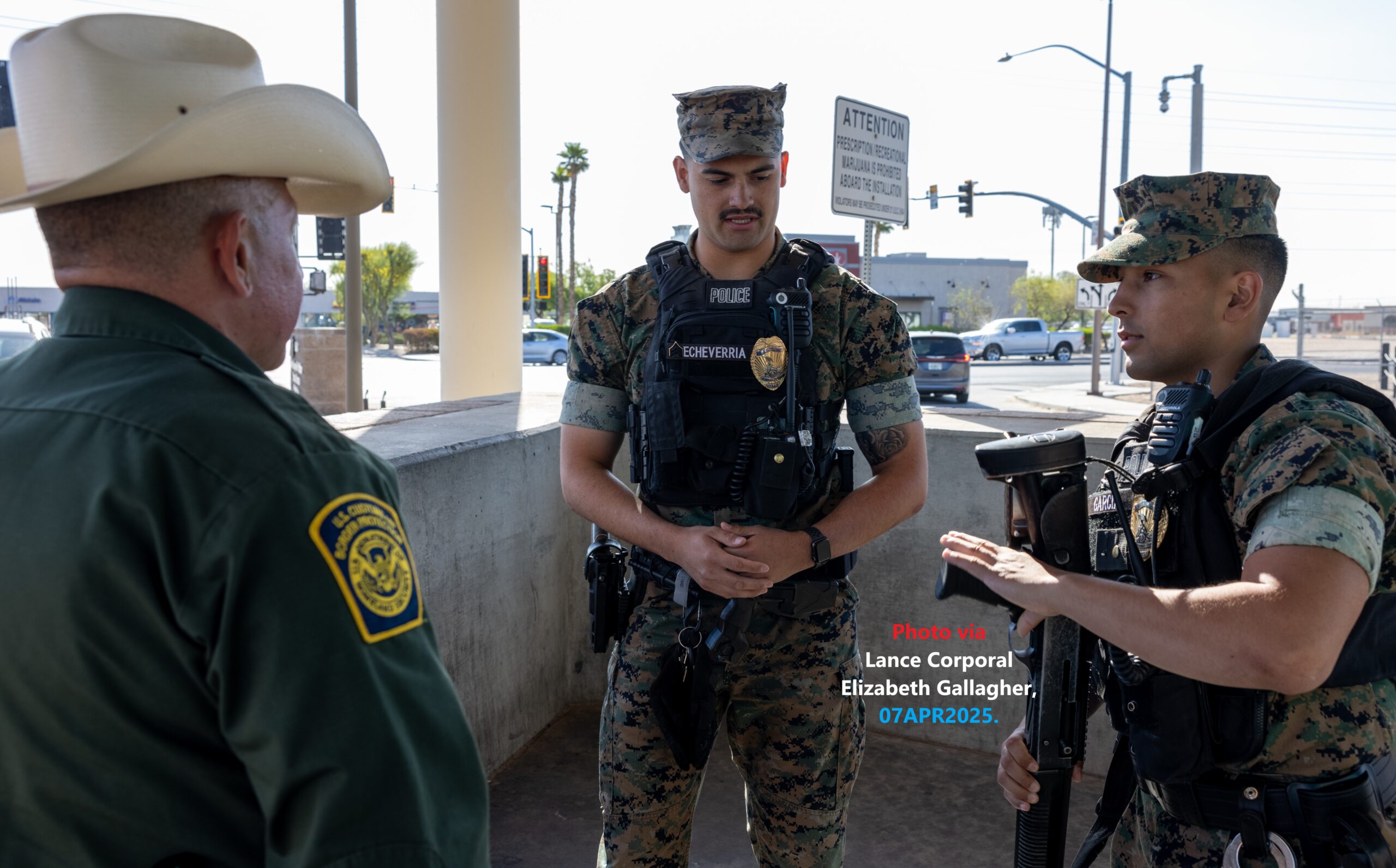
Marines from Marine Corps Air Station (MCAS) Yuma learn border patrol operations to better protect the air base, which is danger close to the southern border.
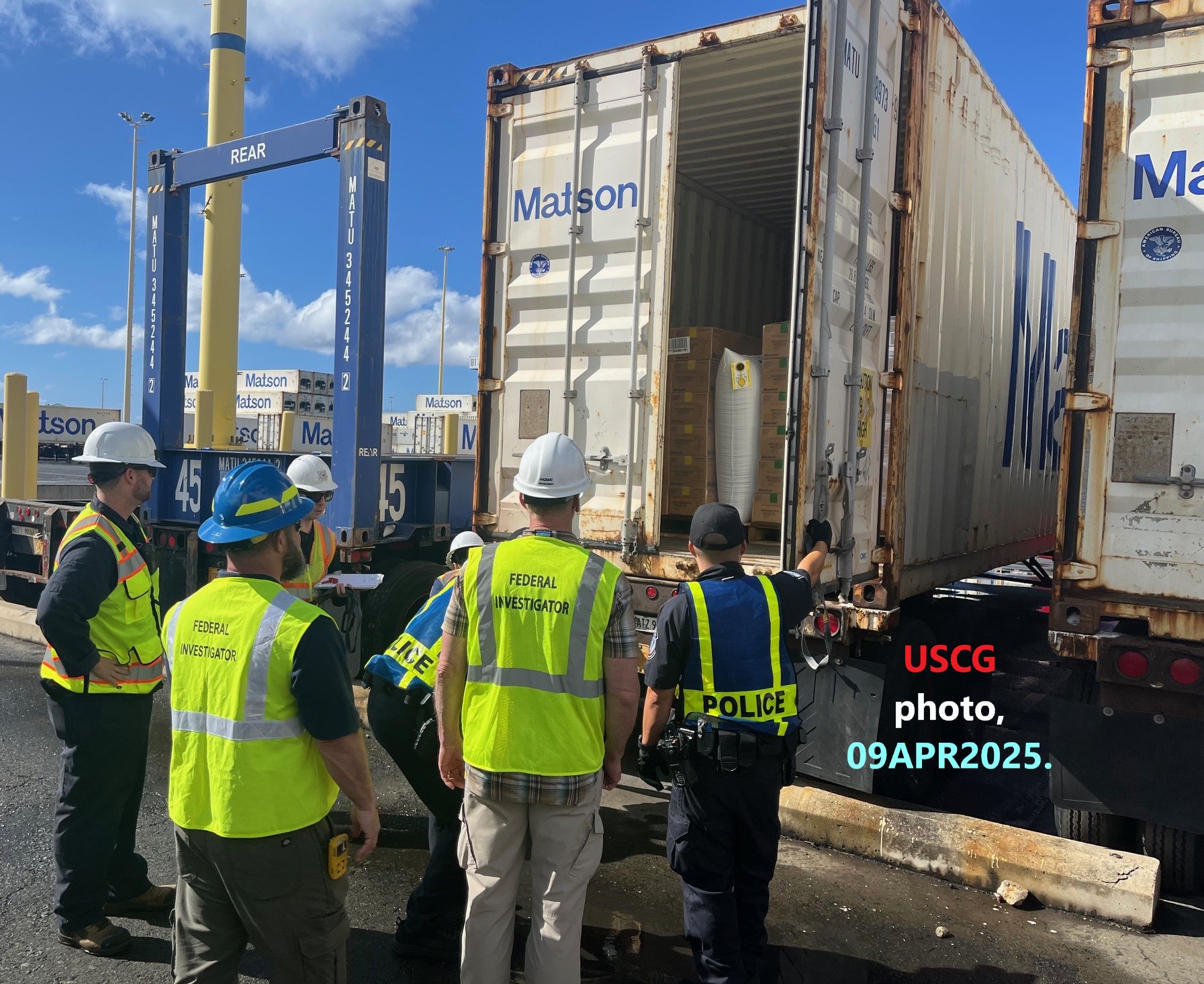
U.S. Coast Guard and Customs and Border Protection personnel inspect Conex containers on the Port of Honolulu, Hawaii.
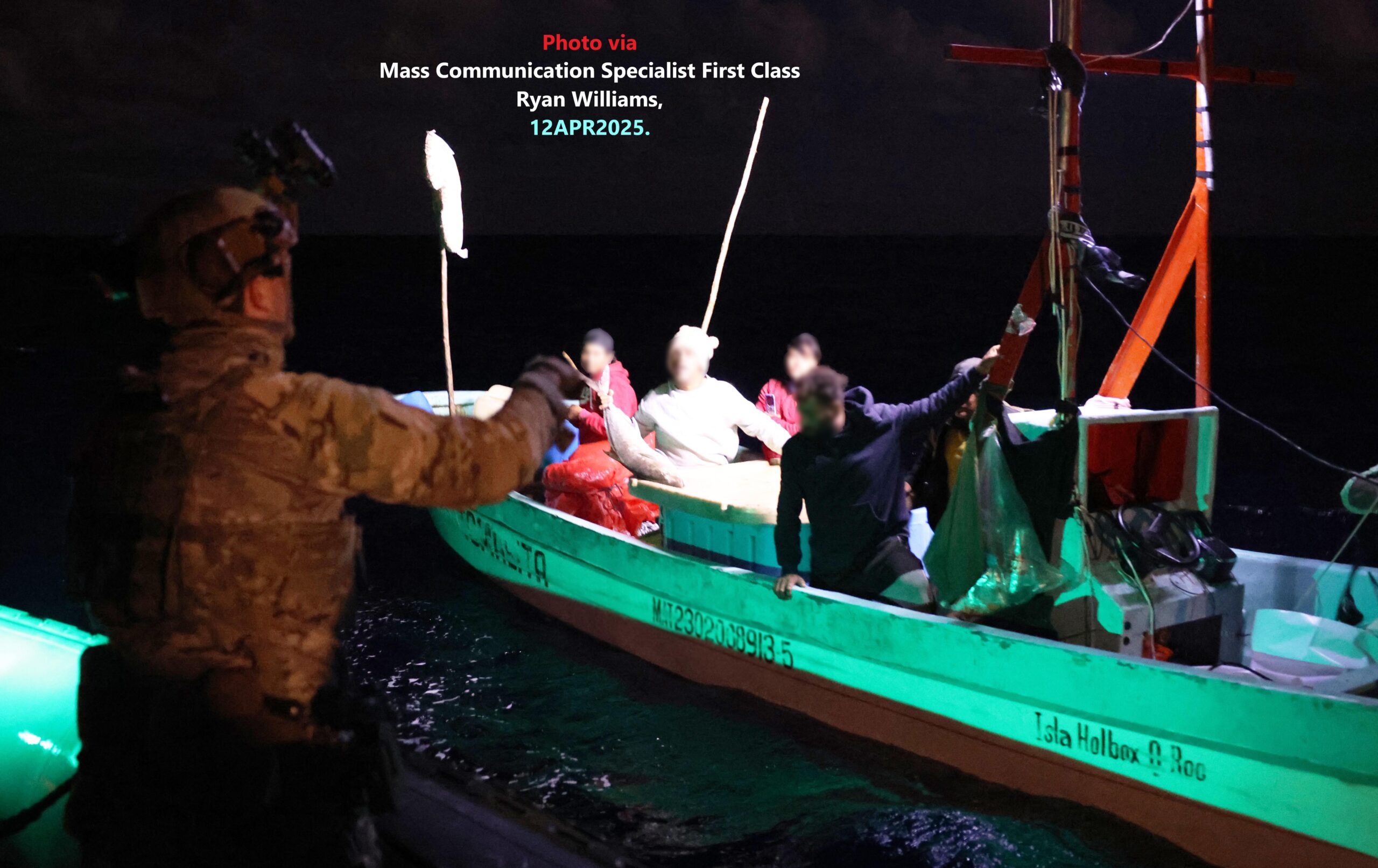
U.S. Coast Guard personnel confront a suspected smuggling boat somewhere in the Gulf of Mexico/America.
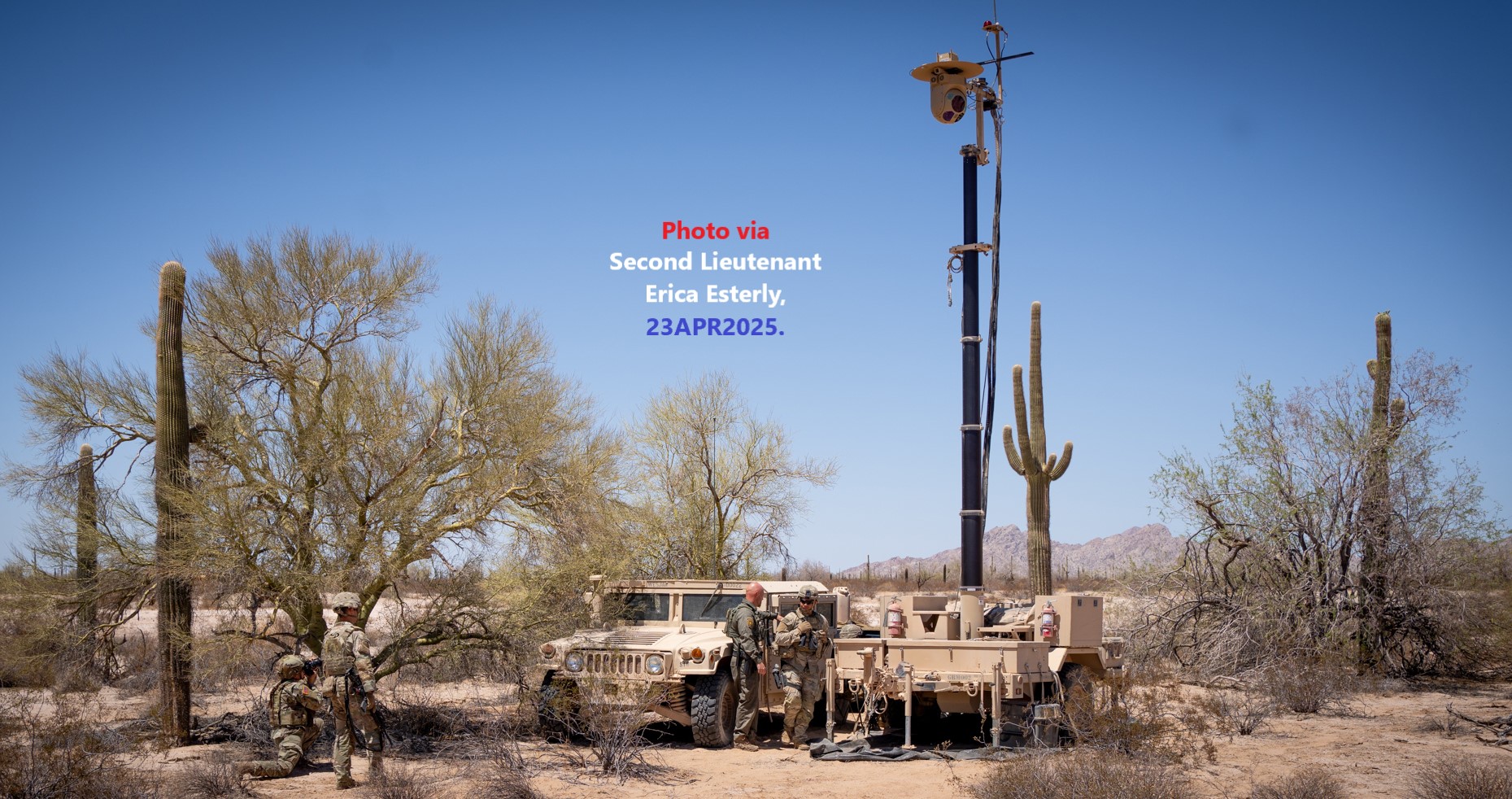
The U.S. Army’s (USA) 23rd Military Police Company-759th Military Police Battalion employ the Ground-Based Operational Surveillance System (GBOSS[E]), in Wellton, Arizona, 23APR2025.
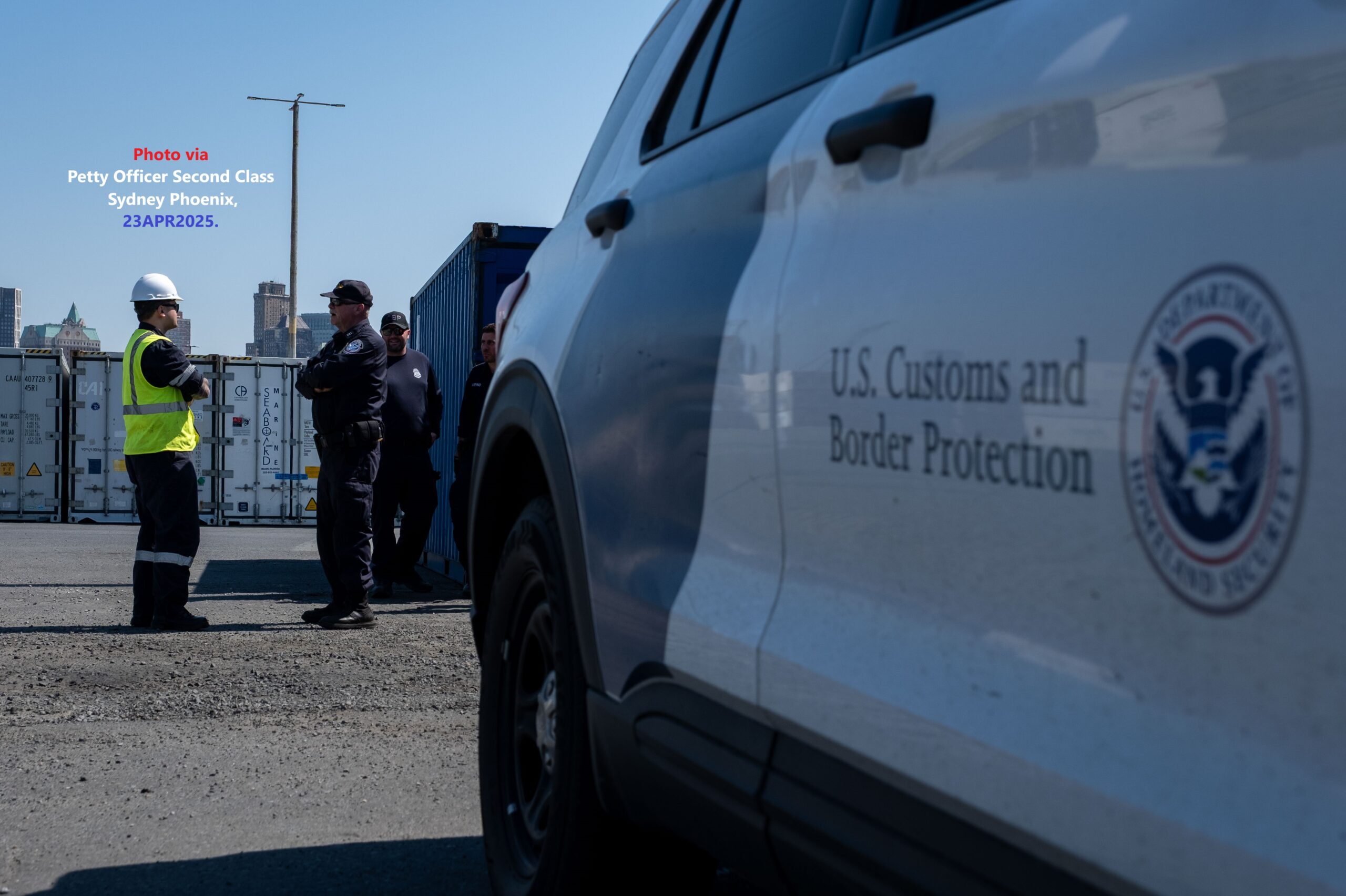
USCG and Border Patrol inspect Conex containers on the Red Hook Terminal in Brooklyn-NYC, New York, 23APR2025.
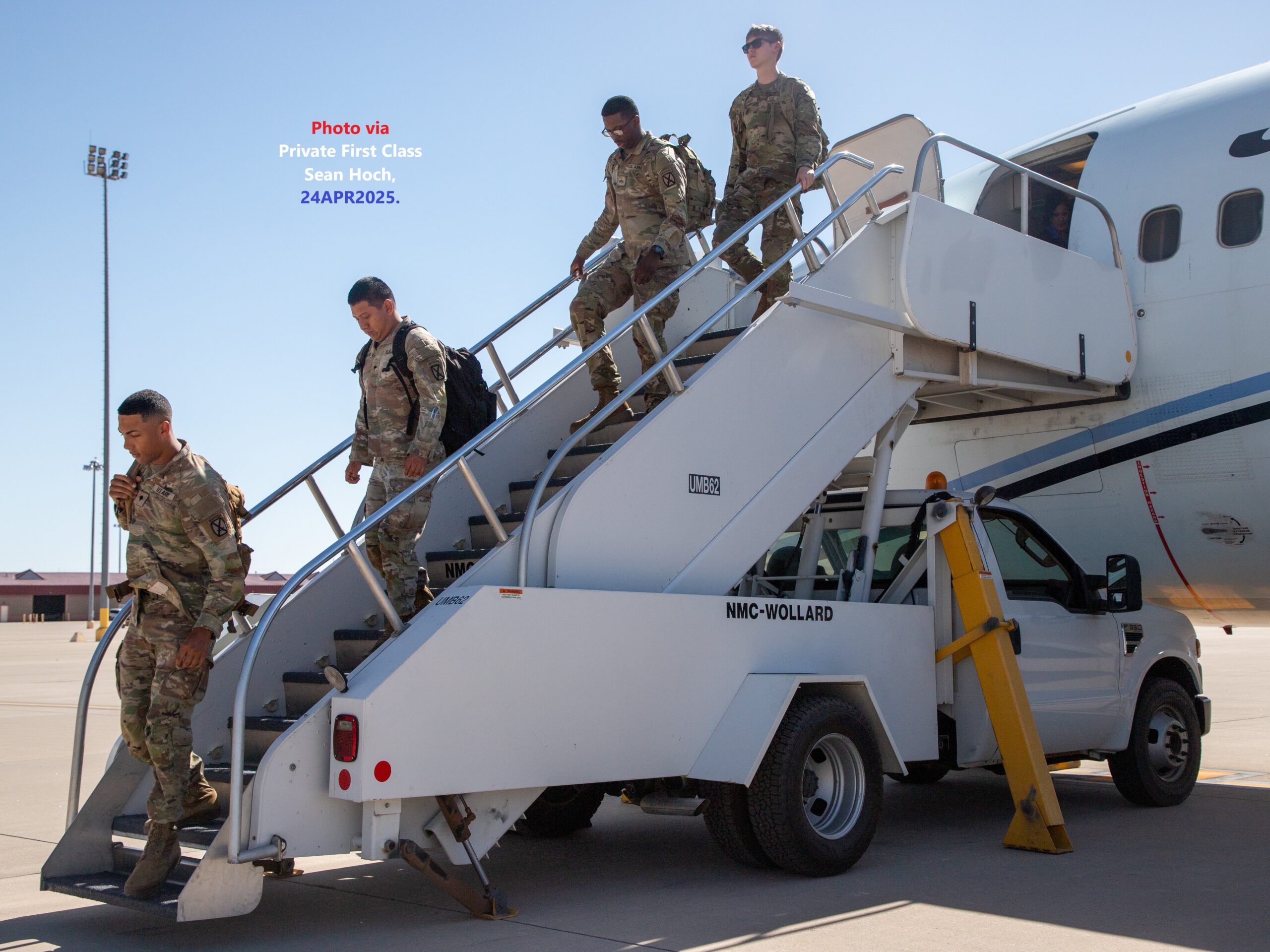
Additional Soldiers from the USA’s 10th Mountain Division deployed to Fort Bliss, Texas, 25APR2025, for border duty.
On 25APR2025, U.S. Customs and Border Protection (Border Patrol) released body-worn camera video of the 12FEB2025 shooting incident near Brownsville, Texas. Intro & overview:
Body cam video, no audio:
More body cam video, with audio:
Body cam video continued:
Also on 25APR2025 in Yuma, Arizona, Border Patrol held a press conference to report historic low border crossings in that area:
Blames U.S. employers for luring illegals:
Blames human smuggling gangs/terrorists:
Credits historic low border crossings to the new policy of ‘catch and prosecute’, explains why majority of asylum claims failed to meet qualifications:
Wall War, March 2025: 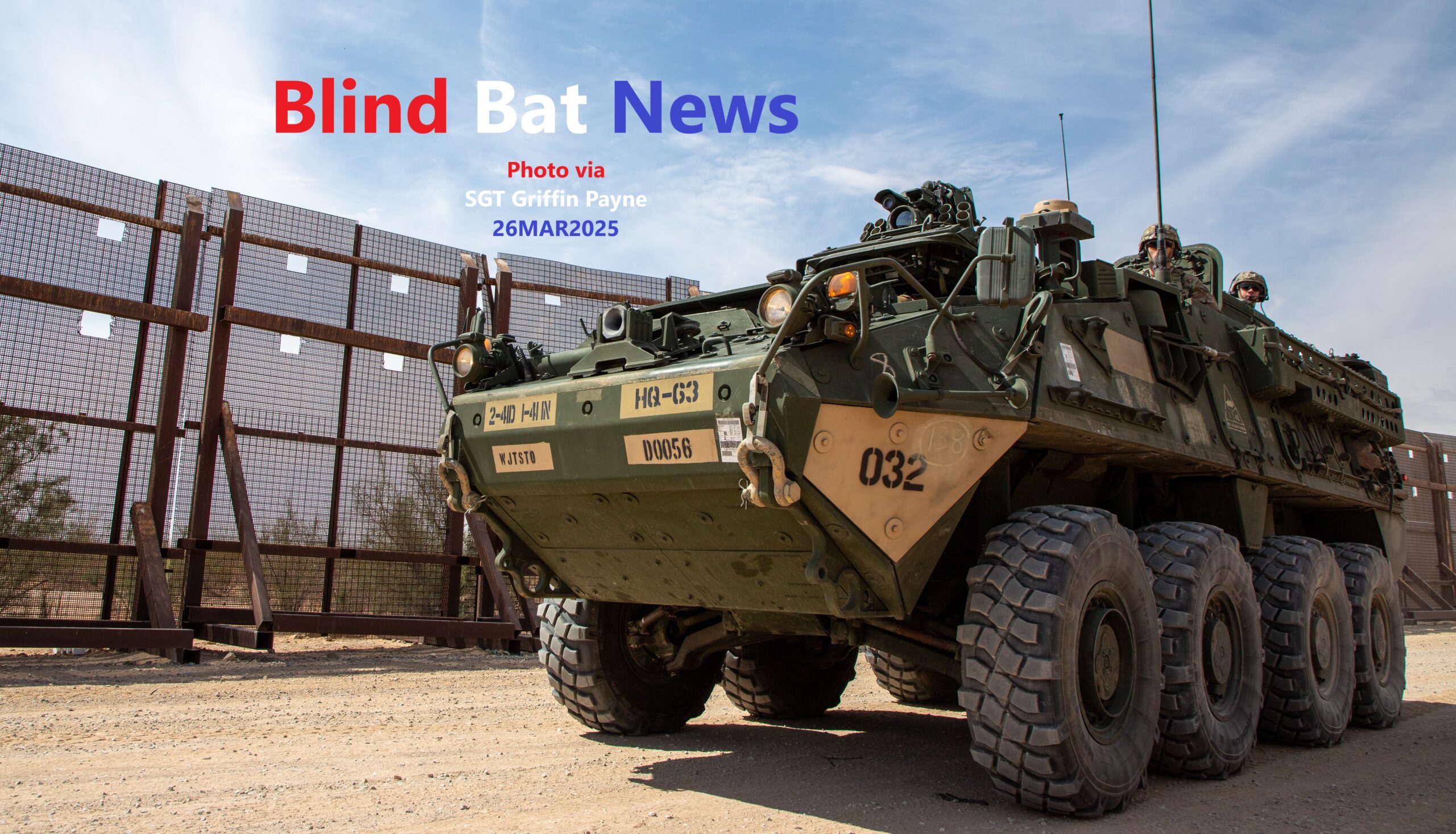 Military deployments ramp-up, new war on terror!
Check out my ‘Border War U.S.A.’ playlist on my YouTube channel: https://www.youtube.com/playlist?list=PLkZrLGwZbnj8cKlJz-MWvlTazK36w4b4O
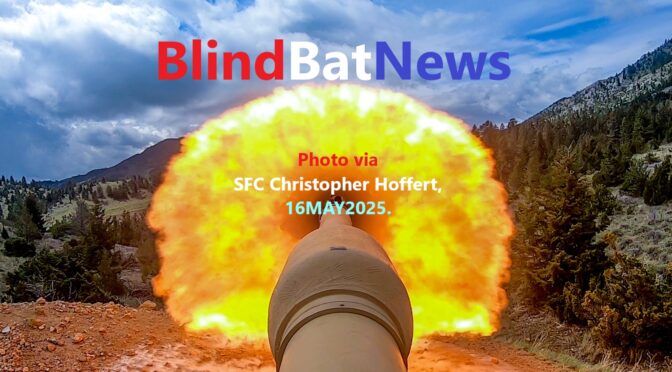
Red Coats invade Montana?
The United Kingdom’s Army is upgrading their Challenger-2 battle tanks with new armor and a new gun, the same gun used on the M1A1/2 Abrams; the German designed 120 millimeter (mm) Rheinmetall smoothbore, which launches various types of combustible cased rounds (various projectiles on a combustible plastic case with a metal base/’af-cap’).
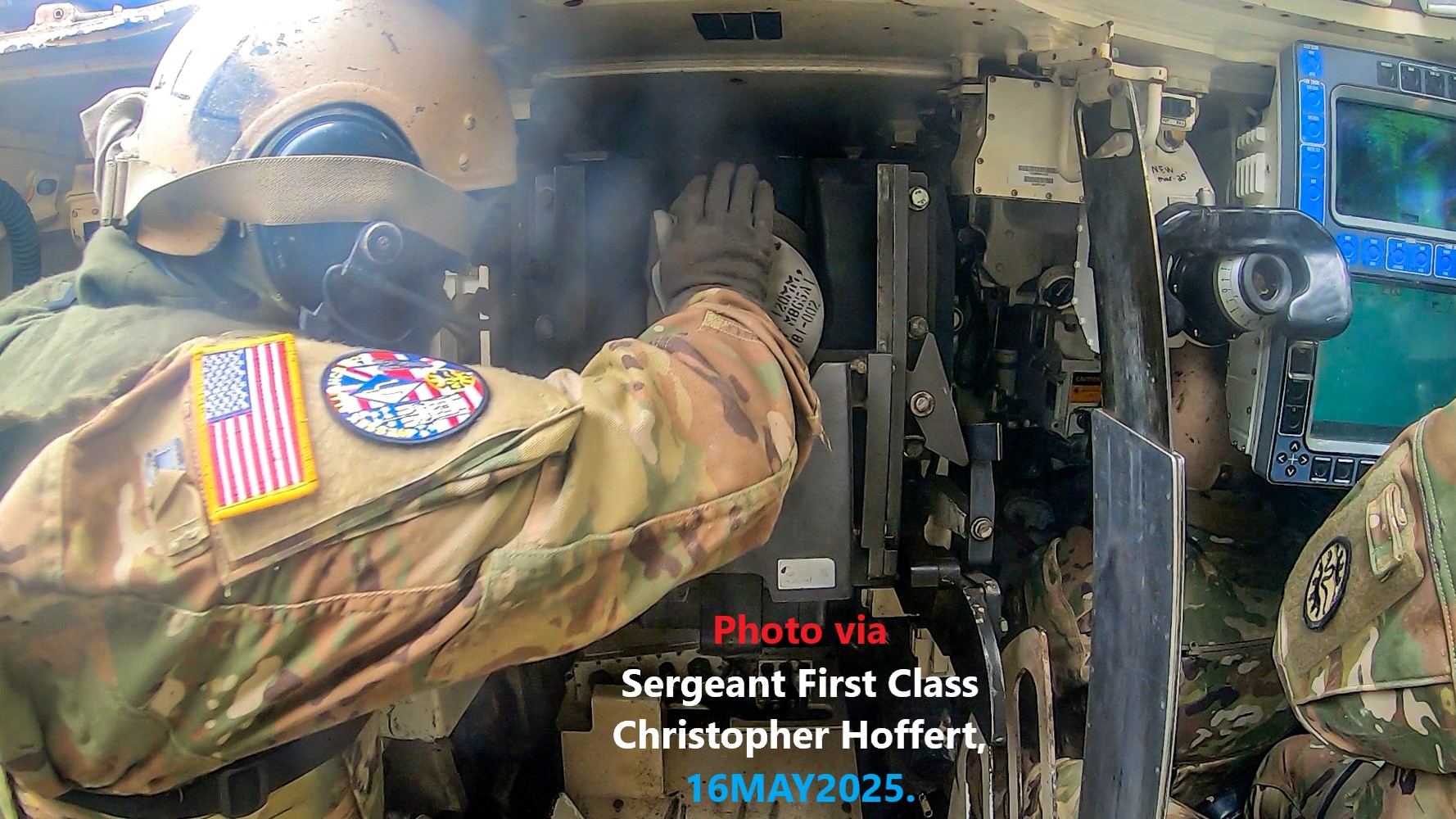
The gun on the current Challenger-2 is also 120mm, but the British designed tube (barrel) is rifled and the ammo consists of a projectile which is loaded separately from the combustible case/bagged propellent.
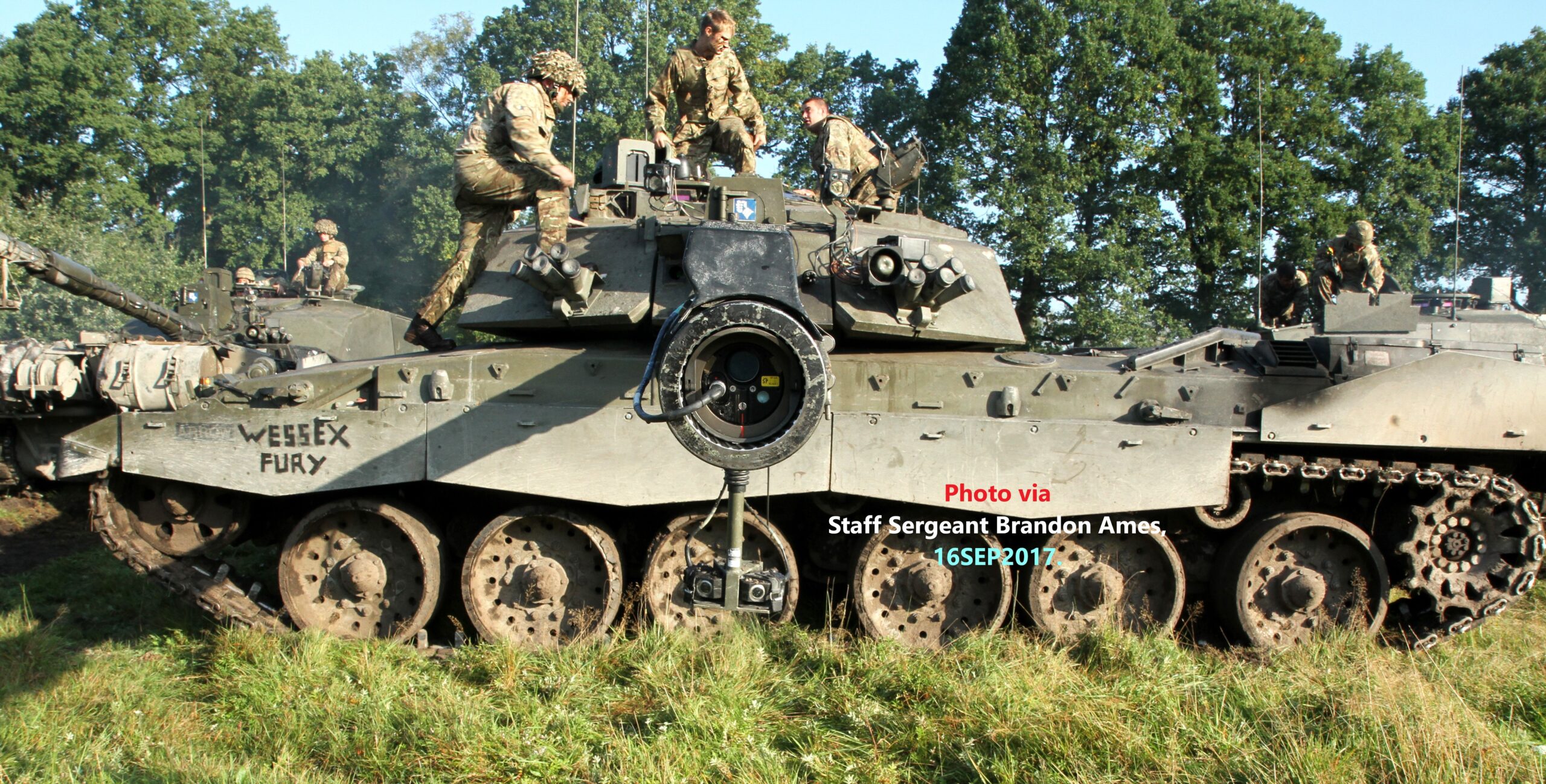
A Royal Wessex Yeomanry Challenger-2 on Sennelager Training Area, Germany.
To prep the Royal Wessex Yeomanry on how to operate the Rheinmetall gun, Montana’s 1-163rd Combined Arms Battalion (part of the Idaho based 116th Cavalry Brigade Combat Team, aka Snake River Brigade) is training the Red Coat tankers by letting them shoot-up the Montana mountains.
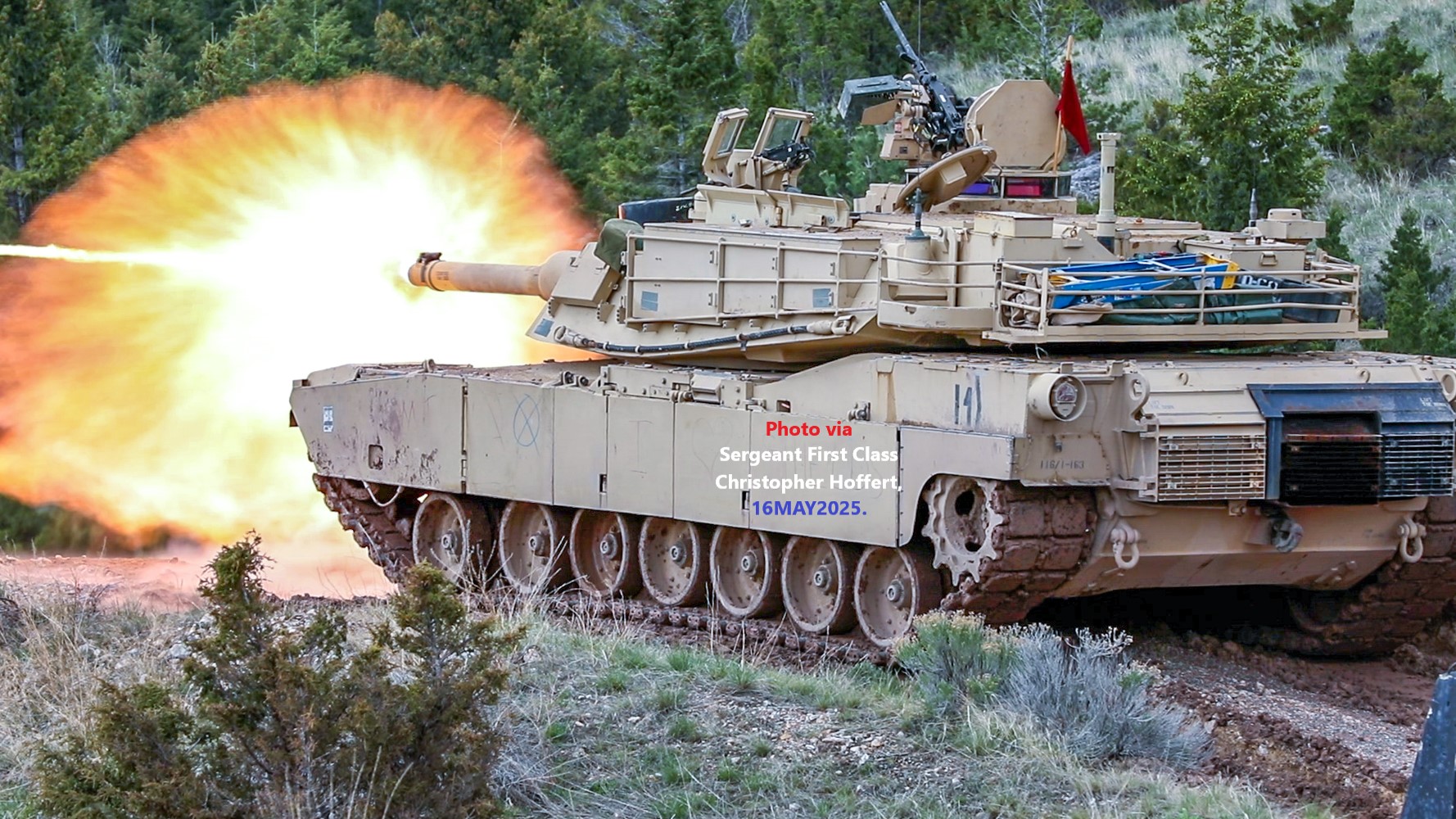
Montana Army National Guard’s video report (recorded 16MAY2025 on the Limestone Hills Training Facility, released 17MAY2025):
The new upgraded Challenger is called the Challenger-3.
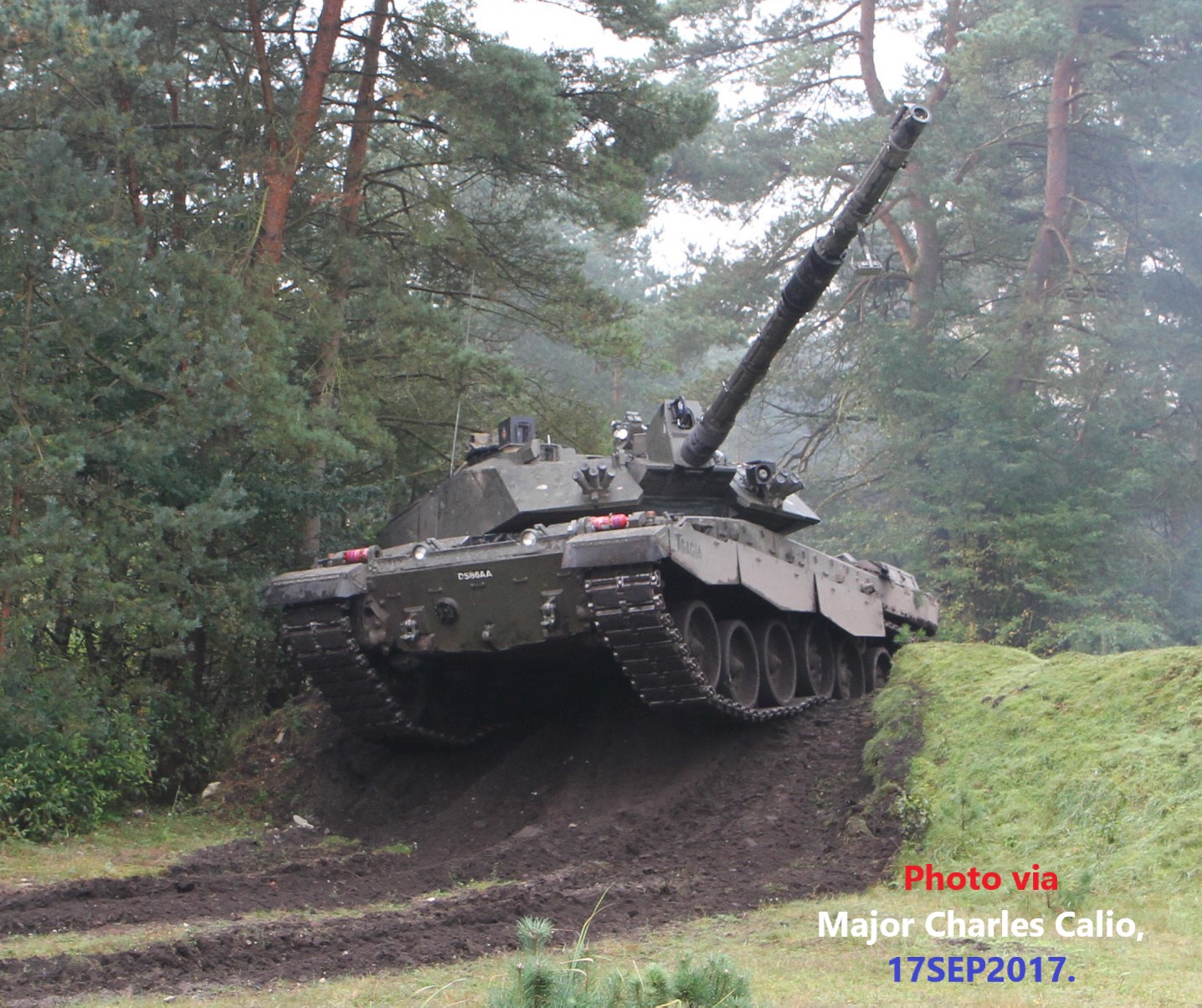
A Royal Wessex Yeomanry Challenger-2, on the Sennelager Training Area, Germany.
Cold War to Battle for Ukraine:  Challenger, a child of Serendipity? (from the Iranian Shir-2 to the Challenger-3)
Cold War: McDonnell F2H Banshee
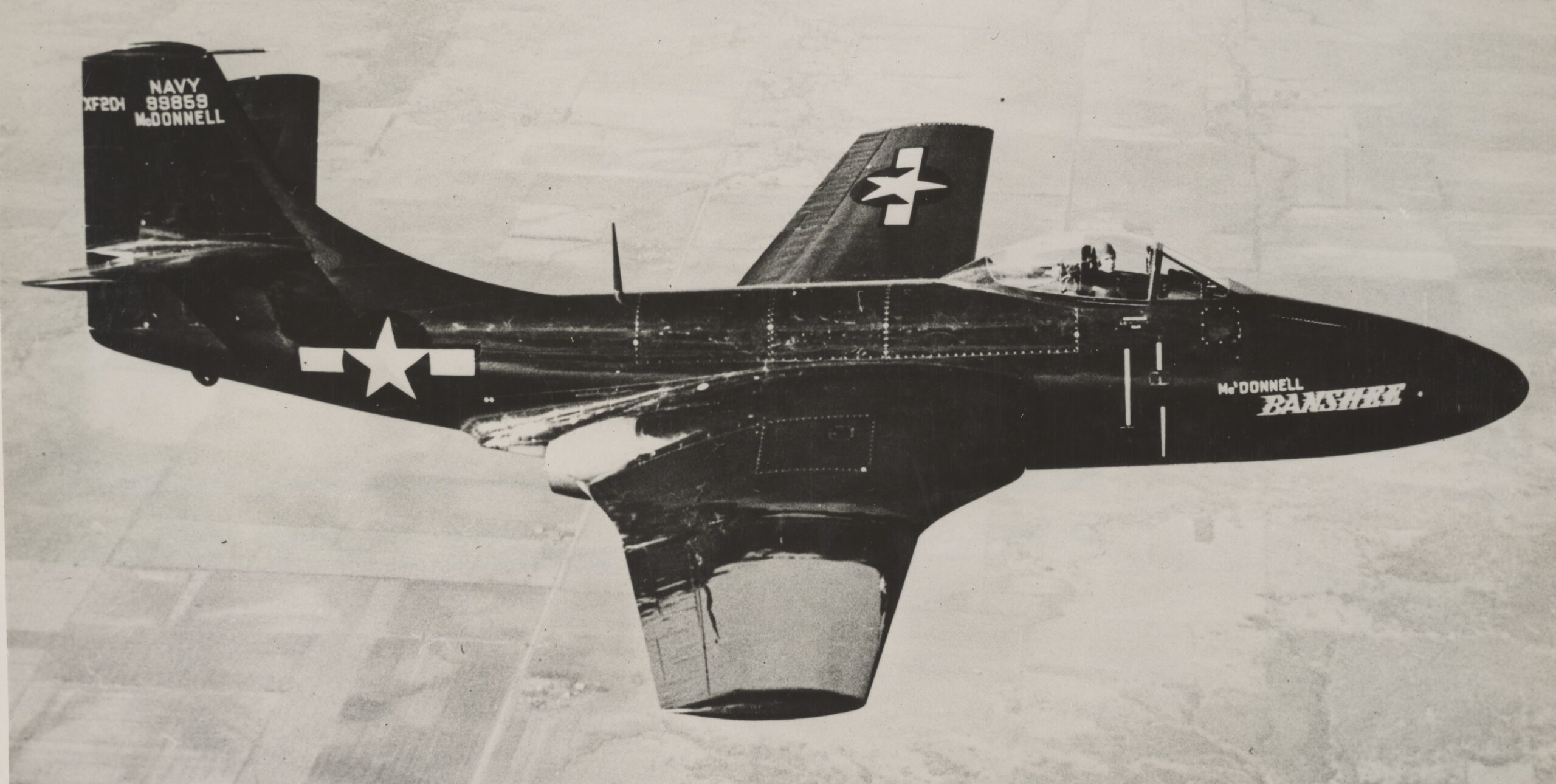
Prototype XF2D-1 Banshee, possibly on its first flight on 11JAN1947.
Cold War: Approximately 1947 (due to U.S. President Harry Truman’s Truman Doctrine) to 1991 (Operation Desert Storm, collapse of Soviet Union).
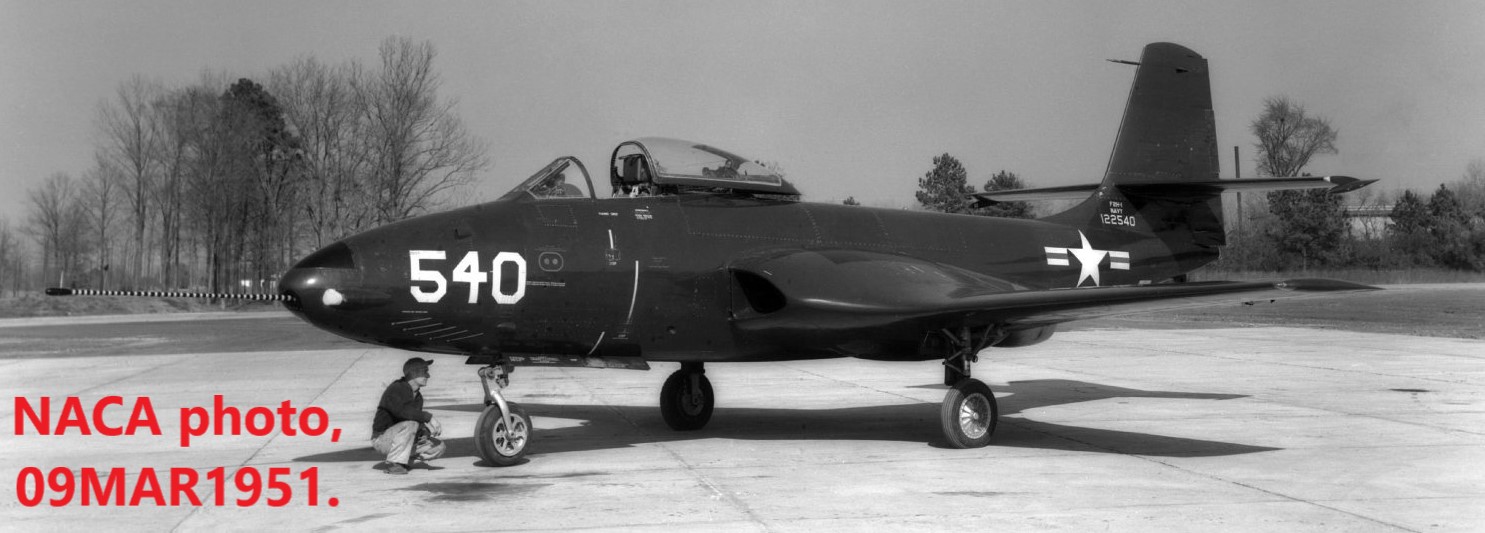
This F2H-1 Banshee was ‘written-off’ after a crash landing on 12JUL1951.
Production Banshees were powered by two axial flow Westinghouse J34 turbines. The J34 was also known as the X24, its development was started in 1944.
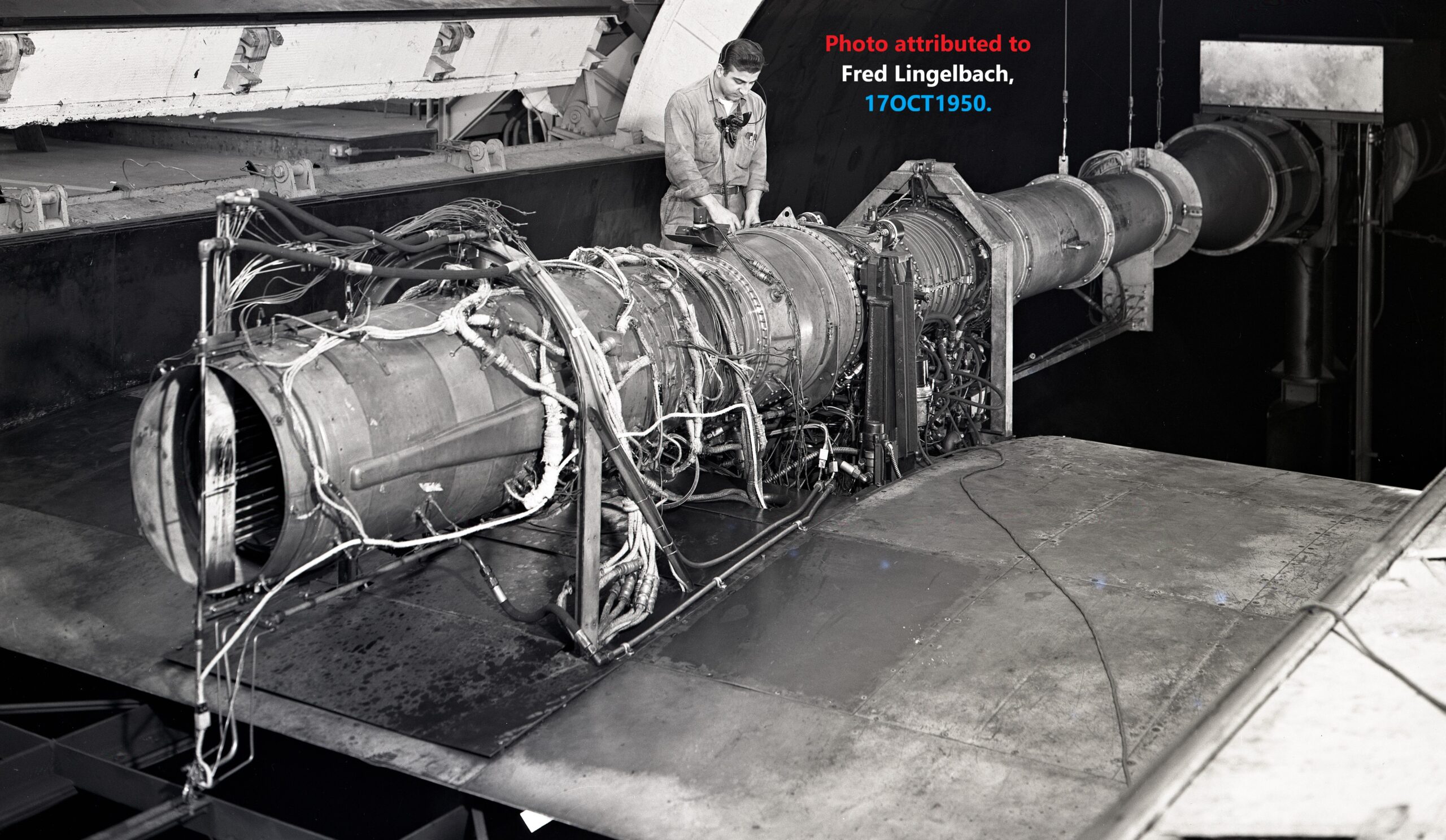
Westinghouse 24C-8 (J34) with afterburner.
One aircraft was tested with afterburners, which burned the aft end of the test aircraft, hence why afterburners were not used on other Banshees.
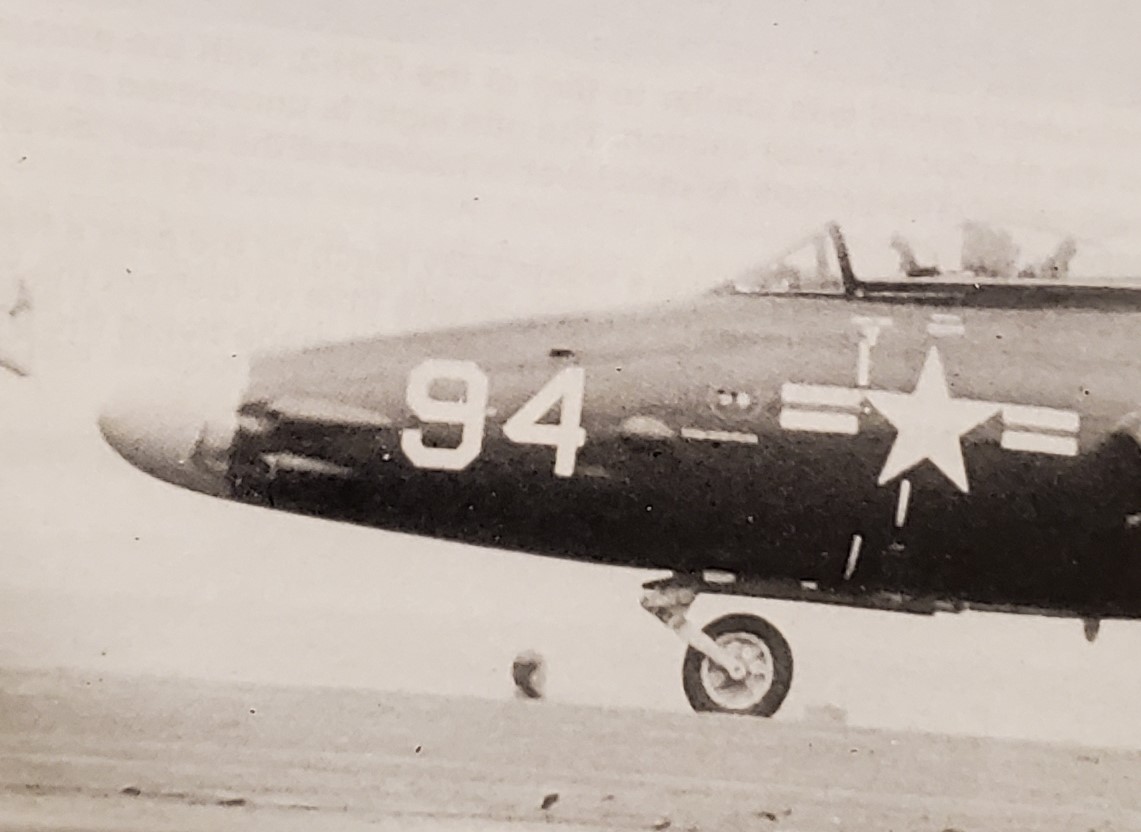
In this photo of a -2N you can see that the 20mm guns were moved vertical of each other, to make room for a track/search radar.
The F2H-2N had a redesigned nose, longer with repositioned guns to accommodate a large radar for night fighter operations. The F2H-1/2 had a small gun aiming/ranging radar, the dialectic panel being visible on the upper tip of the nose with the 20-millimeter (mm) guns mounted horizontal to each other. The F2H-2 could also carry up to 2-thousand pounds of bombs.
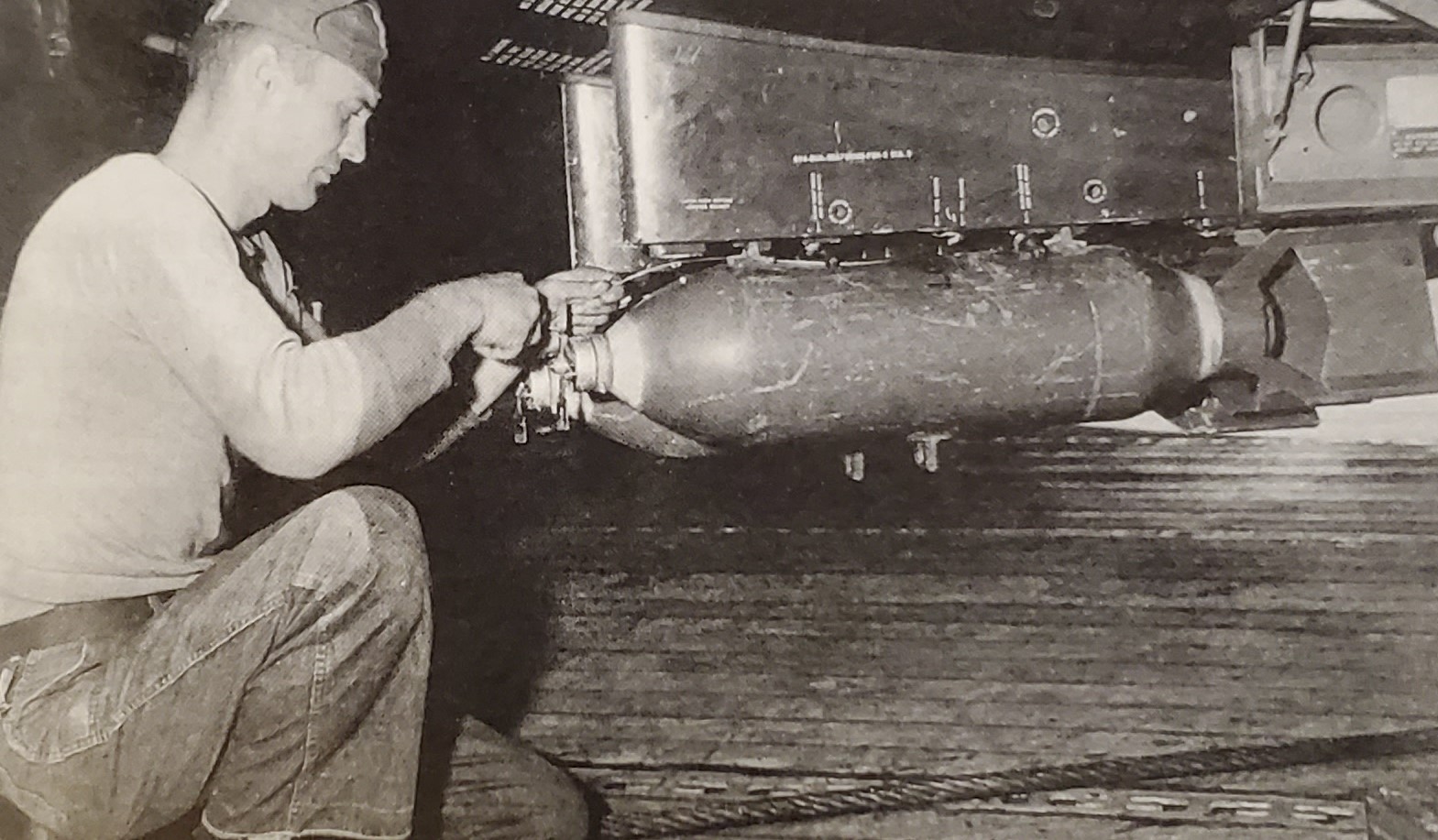
Inboard bomb racks, inboard of the main landing gear wells.
The -2 Banshee had four weapons racks, outboard wing racks were for rockets only, the inboard racks were for bombs or rockets.
I edited this silent U.S. Marine Corps (USMC) film to show the use of the F2H-2 Banshee in Close Air Support (CAS) training, date and location not given:
I edited this silent film which shows USMC F2H-2 landing mishaps of VMF-122 & VMF-224 onboard the United States Ship (USS) Coral Sea (CV/CVA/CVB-43) during March 1951 (according to the info that came with the film). The first incident shows a Banshee approaching the carrier, the camera cuts out (Navy edited out?), then you see the tail of the plane sinking in the water, a helicopter rescues the pilot who ‘walks-it-off’ once on deck. The second incident shows a Banshee tangled in a barrier:
The USN says the first combat use of the Banshee was on 23AUG1951, when F2H-2s launched from USS Essex (CV/CVA/CVS-9) against Korea. The Banshee proved to have better high altitude performance than the Grumman F9F Panther, yet never had the chance to engage in dog-fights with North Korean fighters. Battle damage to Banshees was the result of ground launched anti-aircraft fire.
On 16SEP1951, a McDonnell F2H-2 Banshee crashed while attempting to land on the USS Essex (CV/CVA/CVS-9) while sailing the Sea of Japan (near Korea). It missed the arrestor barrier and plowed into four parked aircraft (two Banshees and two Grumman F9F Panthers). Seven people reported killed. This crash is blamed for the adoption of the angled flight deck on aircraft carriers. I edited this from a silent USN film, if you look close at the slo-mo scene, where the Banshee misses the cable and then hops over the barrier, you can see what appears to be battle damage to its port aileron:
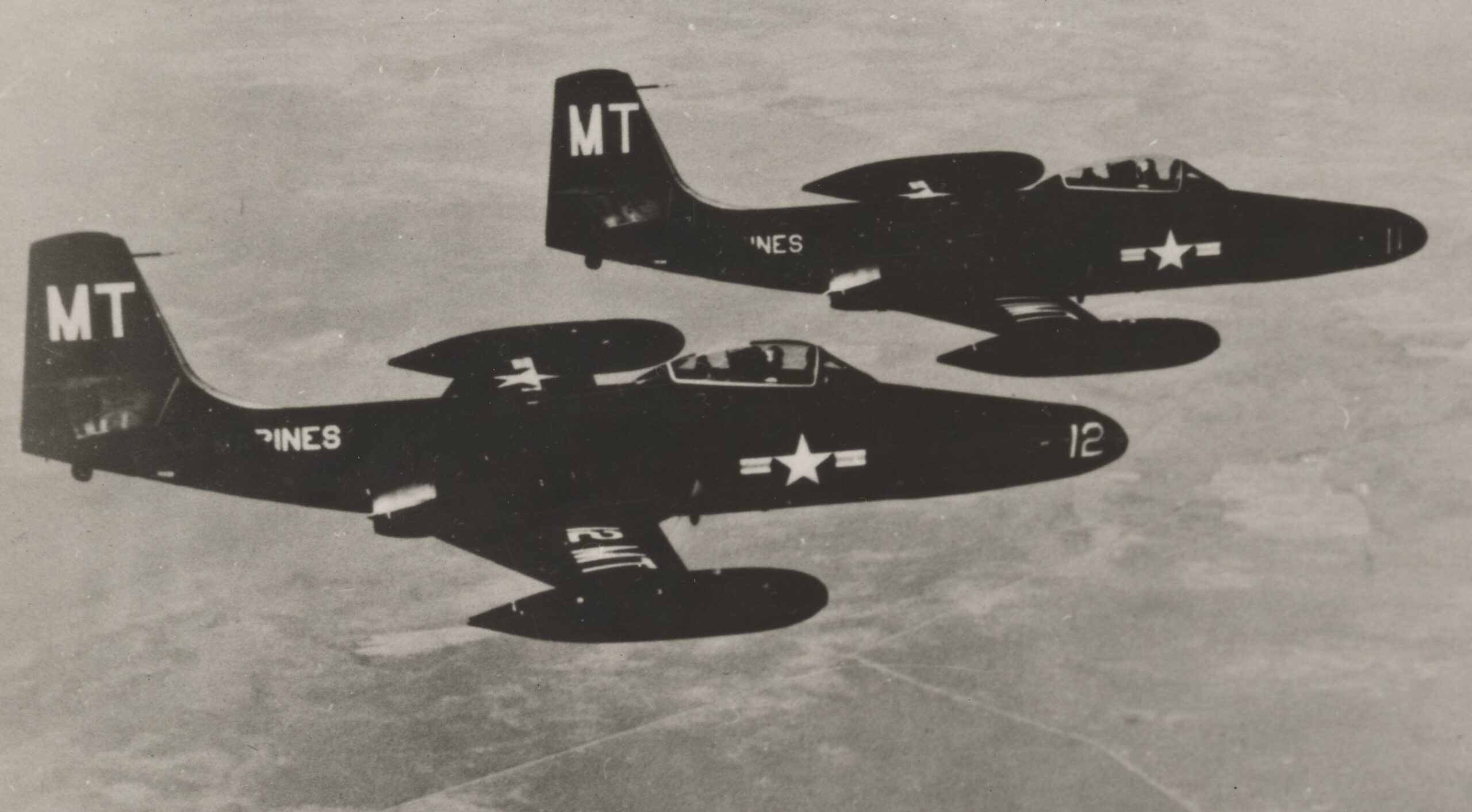
Two U.S. Marine Corps photo-recon Banshees of VMJ-2. Date/location not given.
The F2H-2P photo-recon Banshee used various types of cameras, such as the Fairchild K17, K18 and K38, with various size lenses.
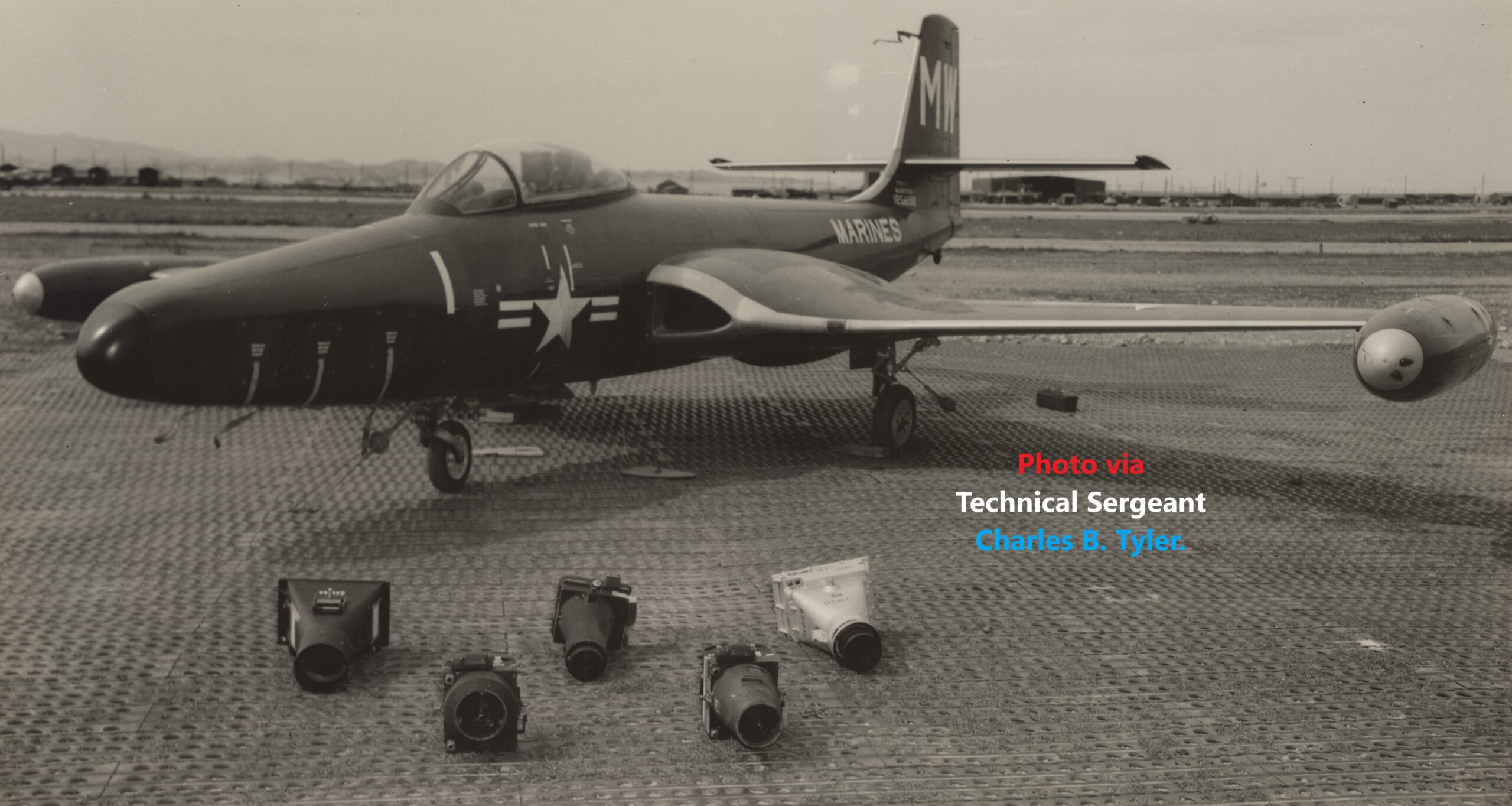
F2H-2P recon Banshee, date and location not given.
Sometimes called Operation Long Step, sometimes Exercise Long Step, North Atlantic Treaty Organization’s (NATO) wargame took place in The Mediterranean Sea, near Sardinia, in November 1952. I edited silent USN film to show the F2H-2 Banshee operations onboard USS Franklin Delano Roosevelt (FDR, CVA-42) during the wargame:
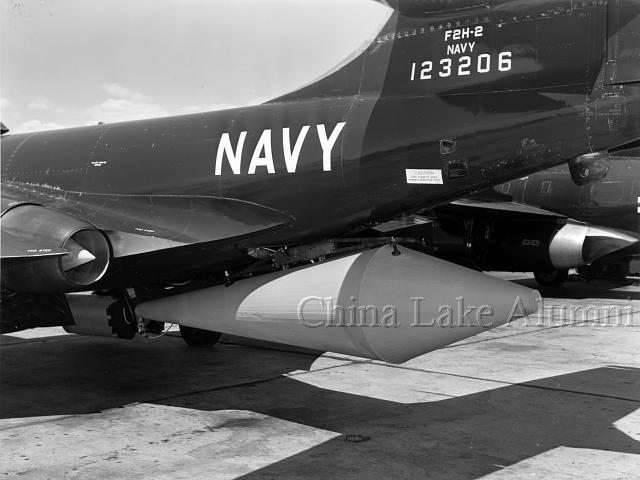
F2H-2 Banshee hauling tow target, Naval Air Weapons Station China Lake, California. USN photo, 07MAY1953.
F2H-3 (F-2C) Banshees began production in 1952.
The F2H-2B (B for bomber [nuclear]) and the F2H-3/4 (F-2C/D) were capable of carrying tactical nuclear bombs, the stronger wing allowed for a bomb load of more than 3-thousand pounds. Sometimes, when the -3 was equipped with nukes it was referred to as the -3B, but apparently that was never an official designation as the -3/4 was already nuclear bomber capable out-of-the-factory.
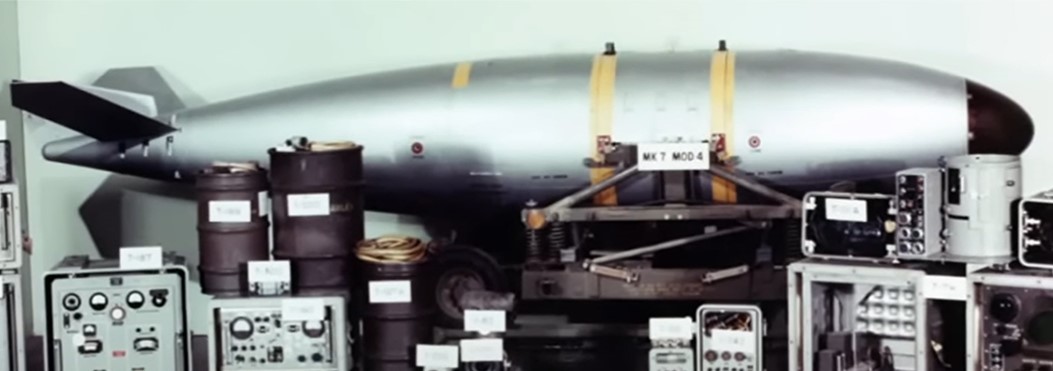
The so-called Thor Mark-7 (aka Mk7 Special Weapon) nuclear bomb is considered to be the first tactical nuke, but had to be delivered by ‘tossing’ it off the aircraft.
I edited a silent USN film (adding music) showing a bare-metal VX-3 F2H-3 Banshee carrying the Thor, onboard the USS Midway (CVA-41/CVB-41). The film came with no date/location, but I was able to date/locate the film according to the F2H-3 aircraft (VF-31 Tomcatters) onboard the USS Midway; CVA-41 carried -3 Banshees from January through August 1954, while on a cruise of The Mediterranean Sea. View it on my Lithium Six-II channel on BitChute: https://www.bitchute.com/video/vNRrd3xOZITM
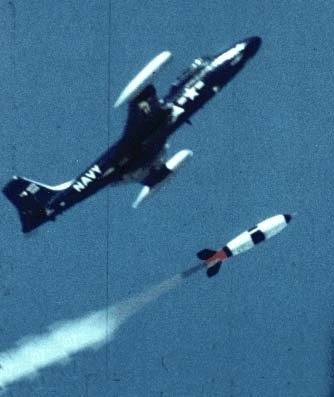
F2H-3 toss launches BOAR, sometime in 1955.
The Mark-7 was radically modified with a rocket motor (among other things) to assist with ‘tossing’. A non-armed rocket powered Thor was tested by an F2H-3, over China Lake, California, in 1955. The rocket powered ‘Thor’ was officially known as the Bureau of Ordnance Atomic Rocket, or BOAR (aka Bombardment Aircraft Rocket, BoAR).
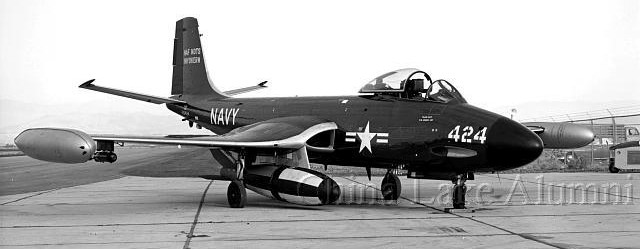
F2H-3 Banshee with BOAR. USN photo, 04NOV1953.
When in-service the BOAR was known as ‘30.5 inch rocket Mark-1’.
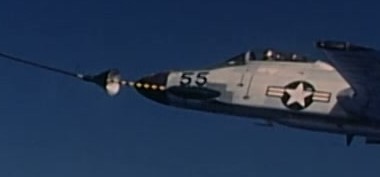
VX-3 dash-3 Banshee refuels somewhere over New Jersey.
To bolt on the In Flight Refueling (IFR) probe the upper port-side 20mm gun was removed. The combined IFR capabilities and increased internal fuel capacity made the Banshee-3 the longest ranged USN jet aircraft for that time.
I edit this from silent USN film (dated 28NOV1955) which demonstrates the ‘bolt-on’ IFR probe on the F2H-3 (F-2C). The ‘K’ tail code indicates a Reserve Banshee based on Naval Air Station Olathe (now the New Century AirCenter), Kansas. The fuel was provided by the North American AJ-2 Savage of VC-5/VAH-5:
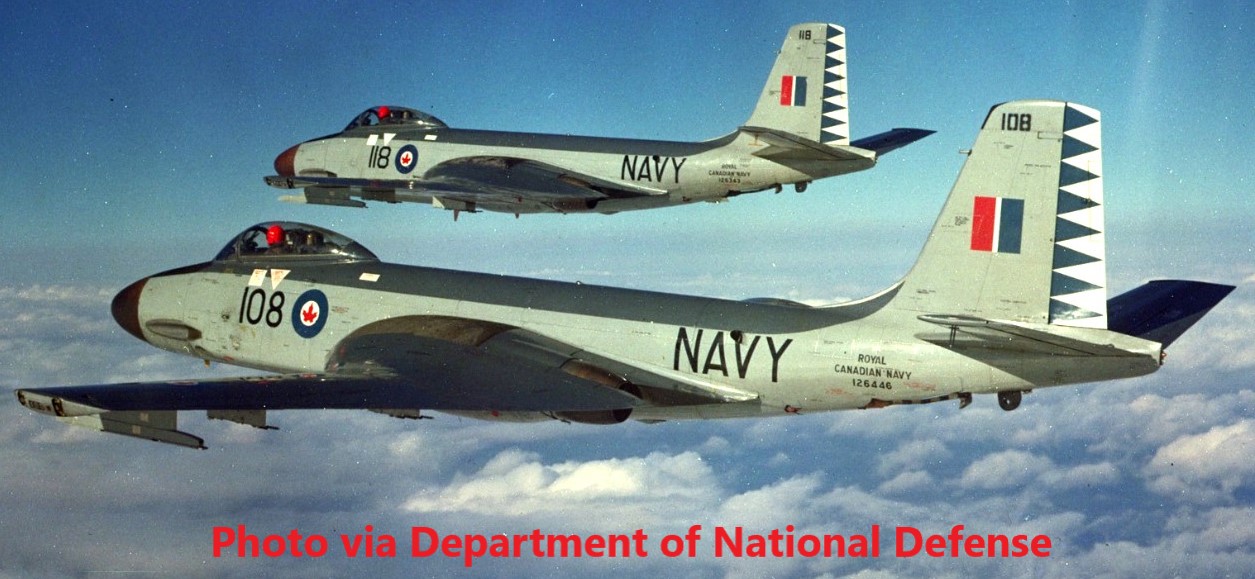
In 1955, the Royal Canadian Navy began using F2H-3s. They also armed them with the AIM-9 Sidewinder air-to-air missile, by modifying the outboard rocket pylons. According to a Canadian government website, the F2H-3 was their only Sidewinder armed naval aircraft until the advent of the CF-18 Hornet.

In 1956, the National Advisory Committee for Aeronautics (NACA) used the F2H-2B to test what it called hypersonic missiles.
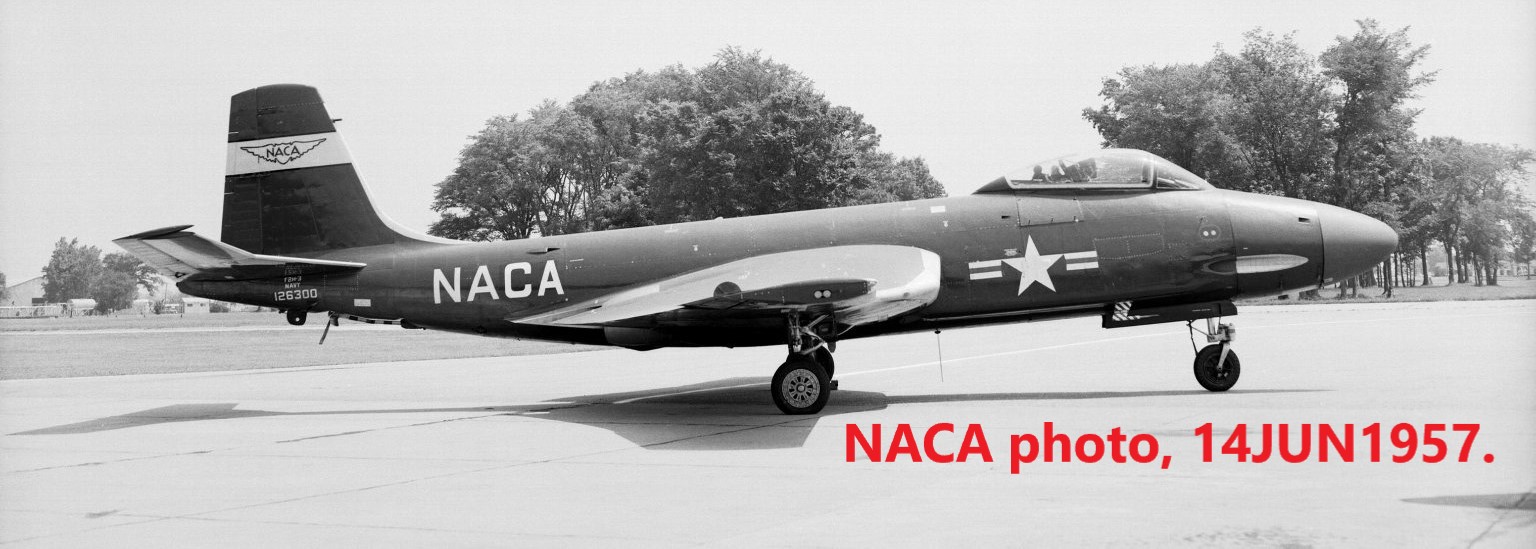
NACA operated F2H-3.
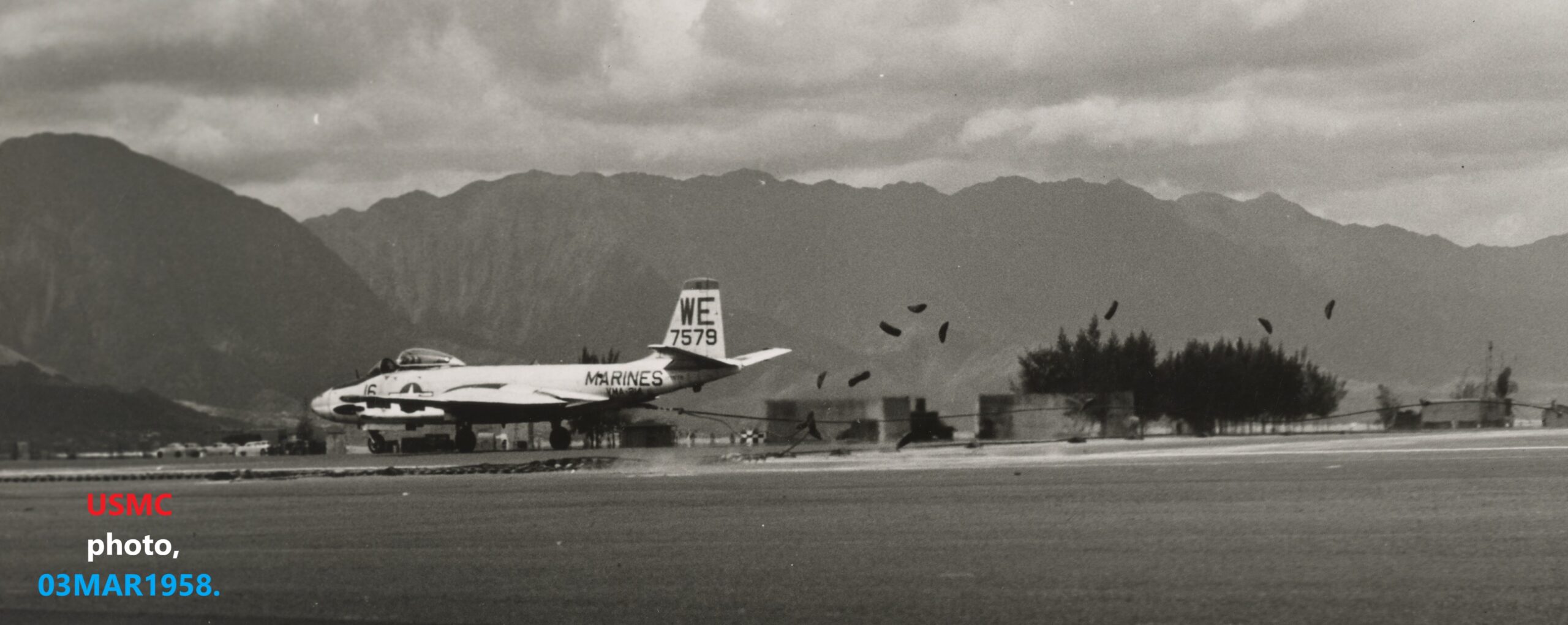
In 1958, on MCAS Kāneʻohe Bay, Hawaii, a new emergency runway arrestor system was tested by a ‘Black Sheep’ F2H-3. The Banshee caught the cable at 60 knots (69 miles per hour).
Supposedly, there was no visual difference between the dash-3 and dash-4 Banshees. The F2H-4 (F-2D) had a better radar and more powerful turbines.
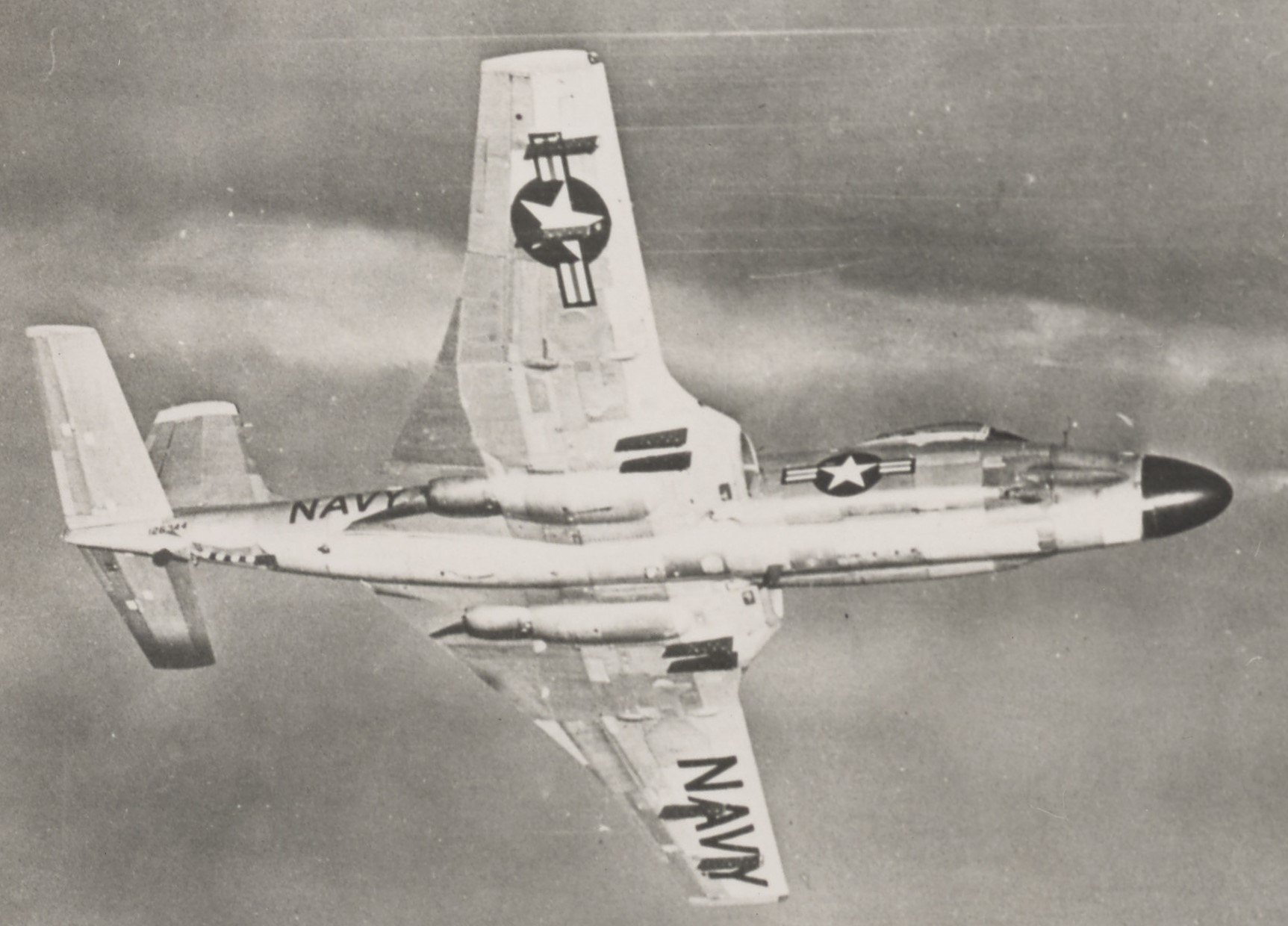
U.S. Navy photo claiming to depict a F2H-4 Banshee.
Dash-3/4 Banshees were updated with ‘horsal’ extensions on their leading edge of the horizontal stabilizers, to stop tail flutter.
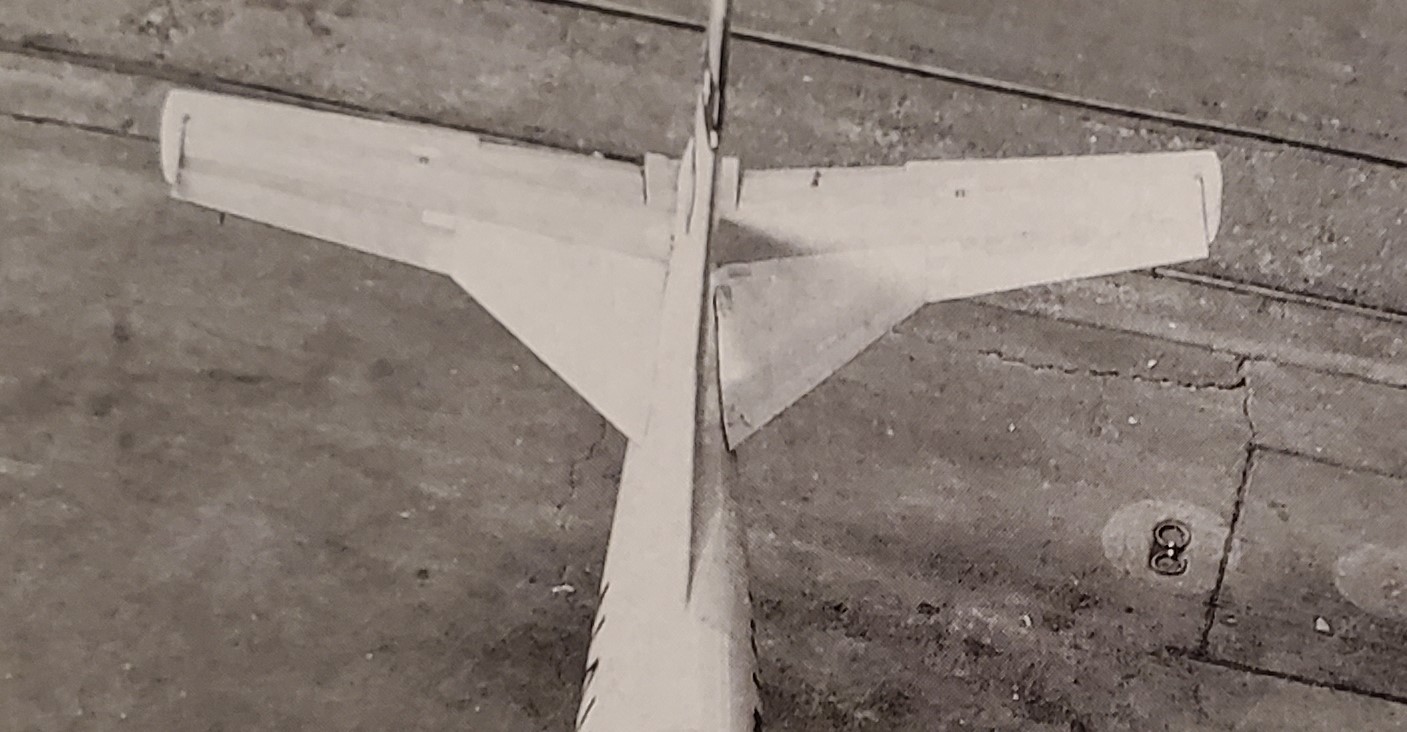
So-called horsal extension, to stop tail flutter.
According to a 1968 Naval Institute publication, pilots of the Banshee nicknamed the plane ‘Banjo’, but there is no explanation as to why (there is a lot of text missing from the original article).
My Model Kit Procrastinator u-Tube channel video review of the Hobby Systems 1/48 F2H-3 Banshee Vac-Form kit:
Cold War: 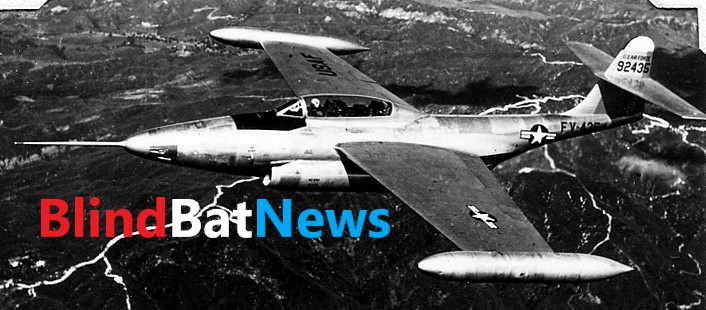 F-89 Scorpion, 1950s interceptor still in use?
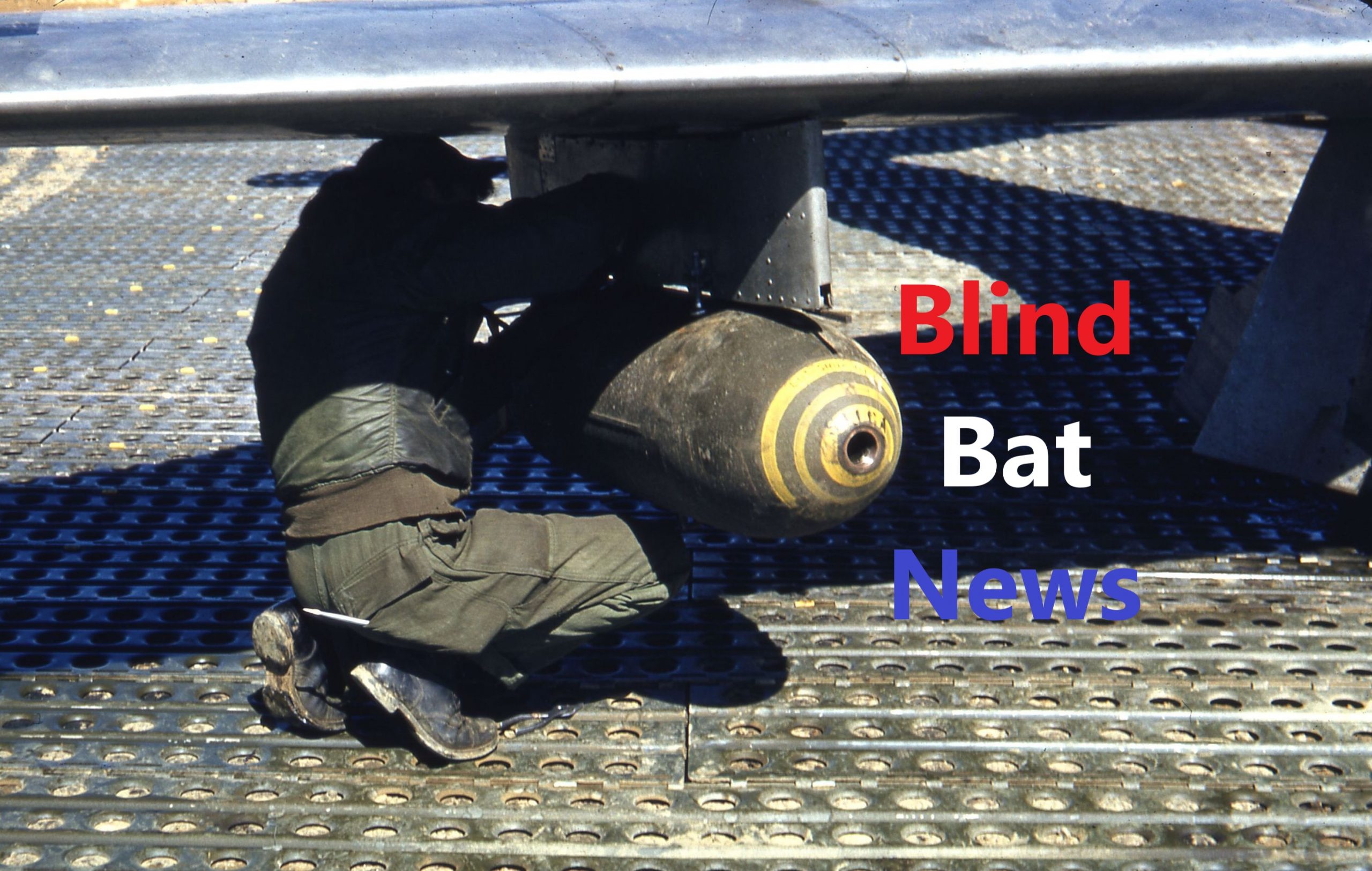 ‘Bombing-up’ your F-80 Shooting Star in Korea!
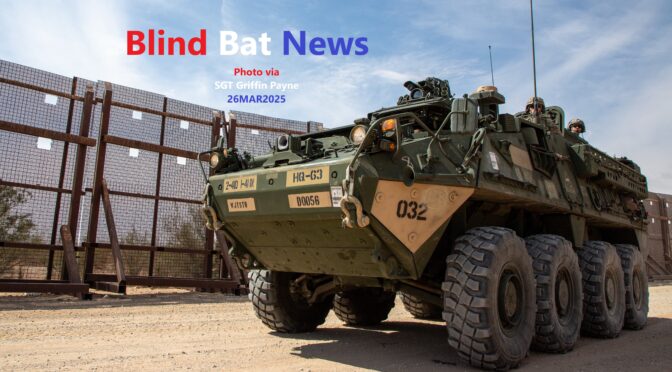
U.S. Wall War, March 2025: Military deployments ramp-up, new war on terror!
On 20JAN2025, the President of the United States declared that drug cartels be designated as foreign terrorist organizations. As of 20FEB2025 eight gangs have been declared as terrorists, they are: Cartel del Golfo (aka CDG, Gulf Cartel, and Osiel cardenas-Guillen Organization),
Cartel del Noreste (aka CDN, Northeast Cartel, and Los Zetas),
Cartel de Jalisco Nueva Generacion (aka New Generation Cartel of Jalisco, CJNG, and Jalisco New Generation Cartel),
Cartel de Sinaloa (aka Sinaloa Cartel, Mexican Federation, and Guadalajara Cartel),
Carteles Unidos (aka United Cartels, Tepalcatepec Cartel, Cartel de Tepalcatepec, The Grandfather Cartel, Cartel del Abuelo, and Cartel de Los Reyes),
La Nueva Famila Michoacana (aka LNFM),
Mara Salvatrucha (aka MS-13),
Tren de Aragua (aka Aragua Train).
Here is a little bit of what the Department of Defense and the Customs and Border Protection were up to in March 2025:
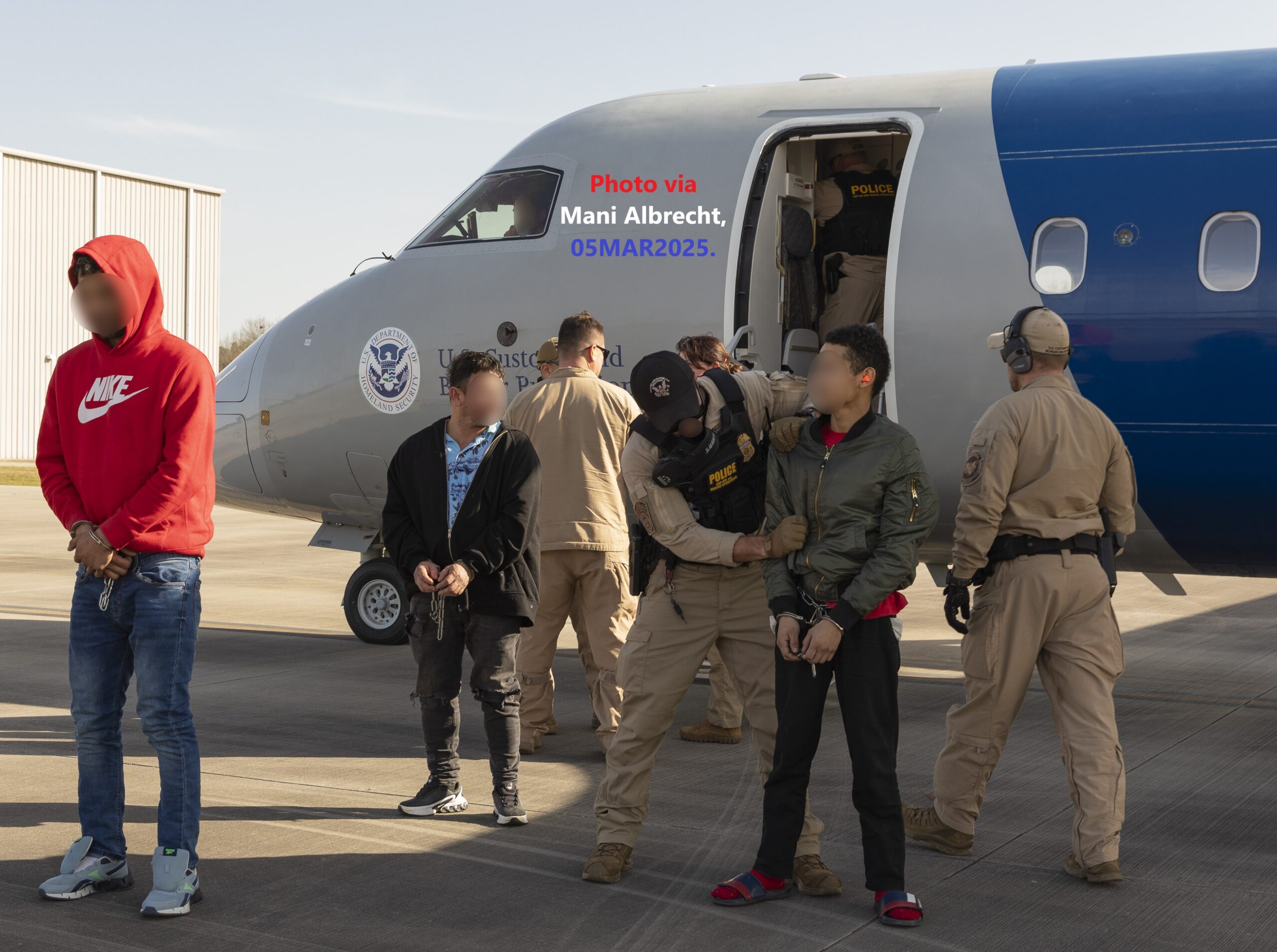
Now called ‘expulsion flights’, a U.S. Customs and Border Protection DHC-8 is loaded with outbound illegals, Conroe, Texas.
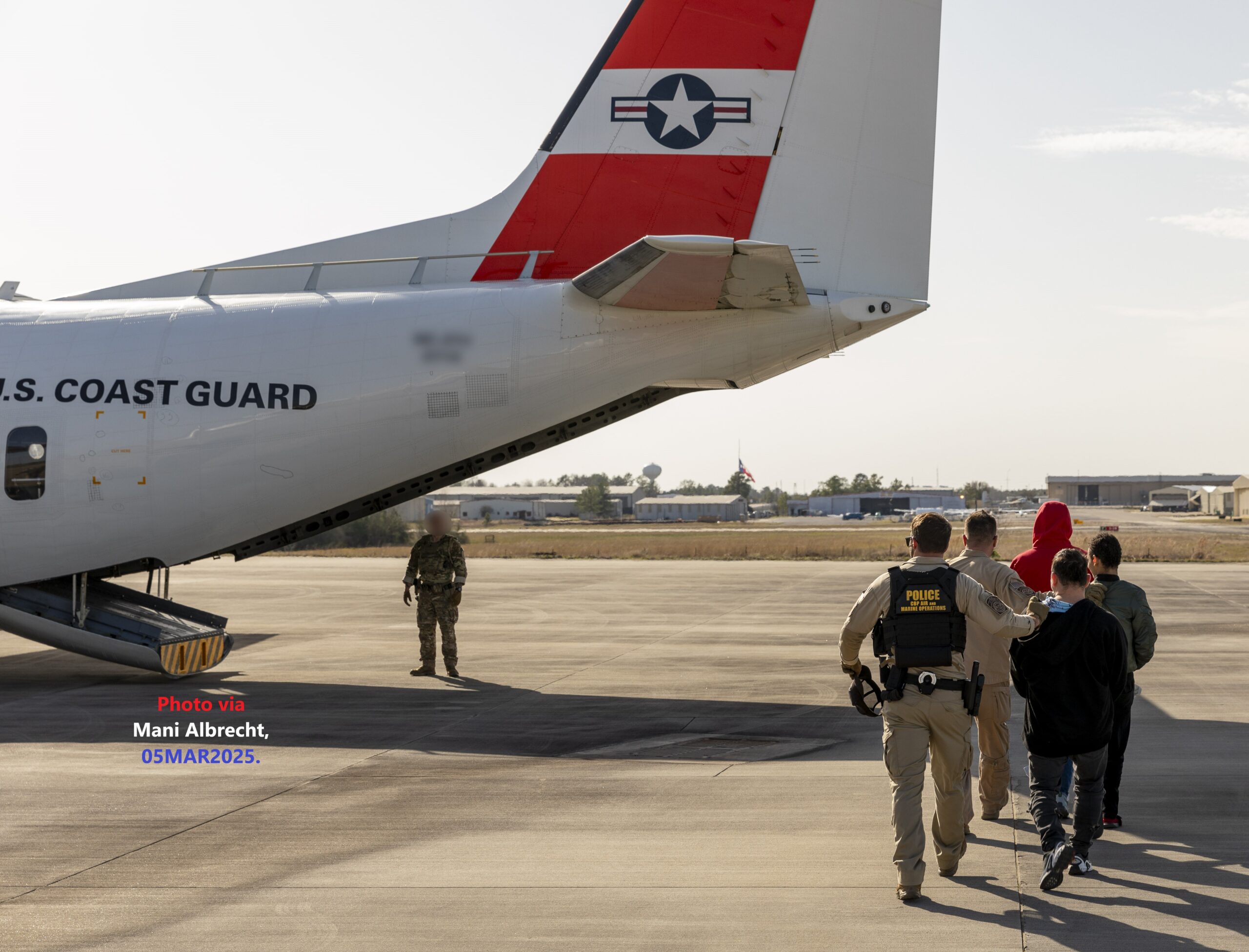
Now called ‘expulsion flights’, a U.S. Coast Guard C-27J Spartan is loaded with outbound illegals, Conroe, Texas.
On 06MAR2025, the U.S. Coast Guard (USCG) released video of a drug boat intercept off the coast of the Dominican Republic. The intercept happened on 17FEB2025 and was recorded by a Customs and Border Protection (CBP) aircraft. The USCG says 1-thousand-280 pounds of cocaine and five smugglers were captured:
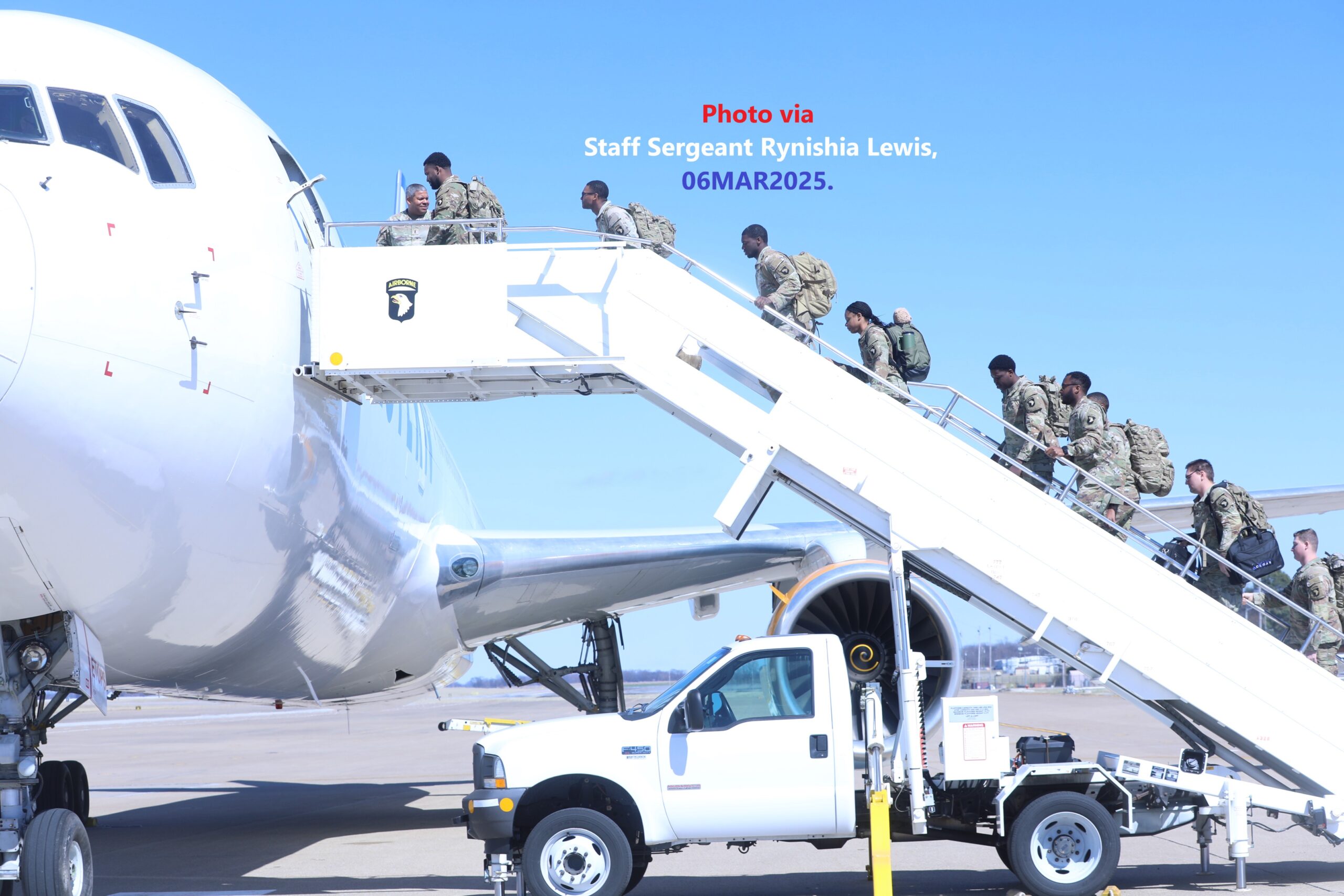
The U.S. Army’s 101st Division Sustainment Brigade-101st Airborne Division deploys from Fort Campbell, Kentucky, to Texas for border operations.
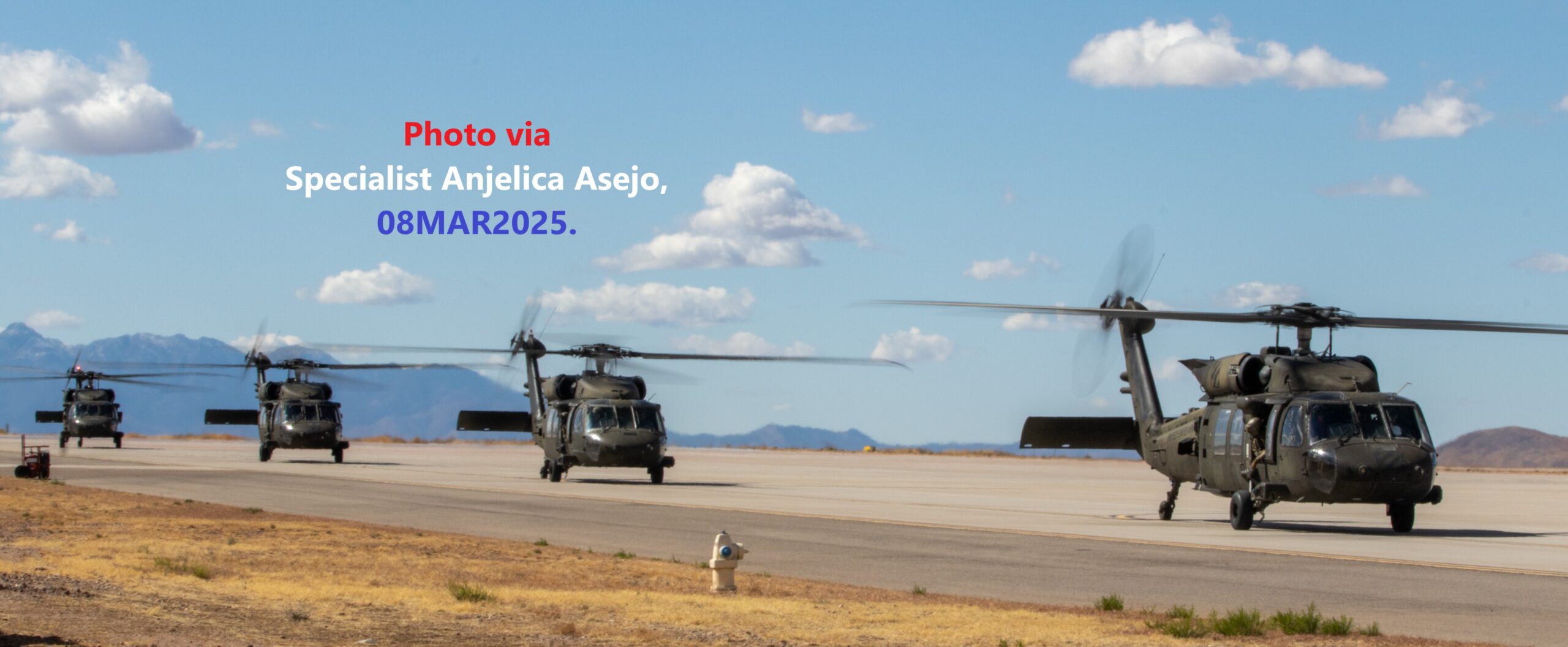
3rd Infantry Division UH-60 Black Hawk helicopters arrive on Fort Huachuca, Arizona, 08MAR2025.
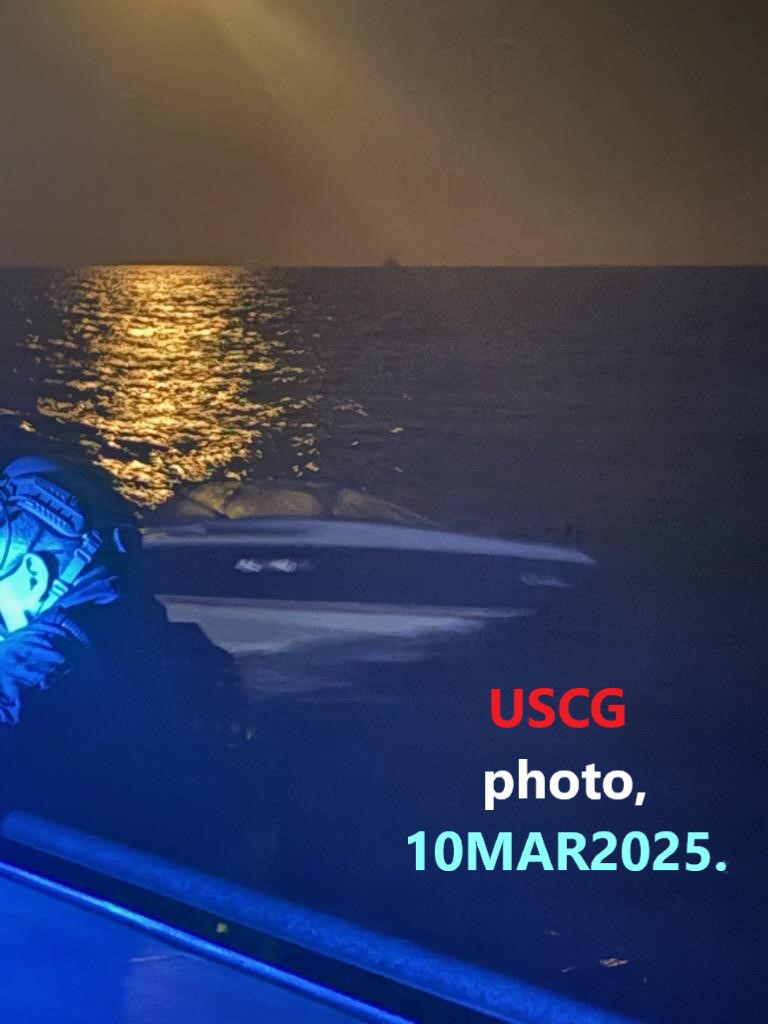
U.S. Coast Guard (USCG) says this boat held nine illegals, captured near Point Loma, California.

On 11MAR2025, the U.S. Coast Guard captured 15 illegals off the coast of San Diego, California.
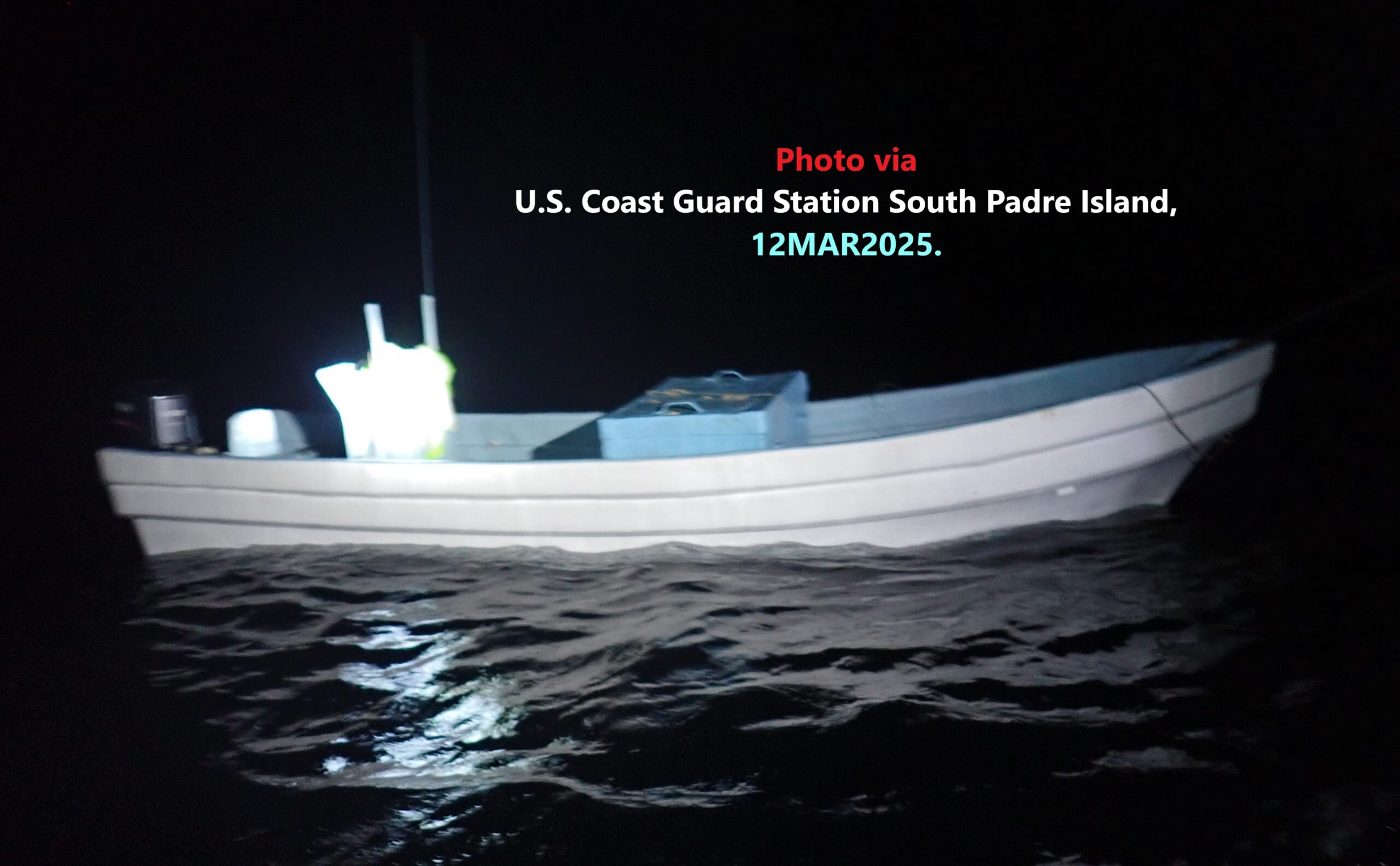
The USCG says this boat was one of four used to illegally fish off the Texas coast. Approximately 2,500 pounds of red snapper and 16 Mexicans were captured.
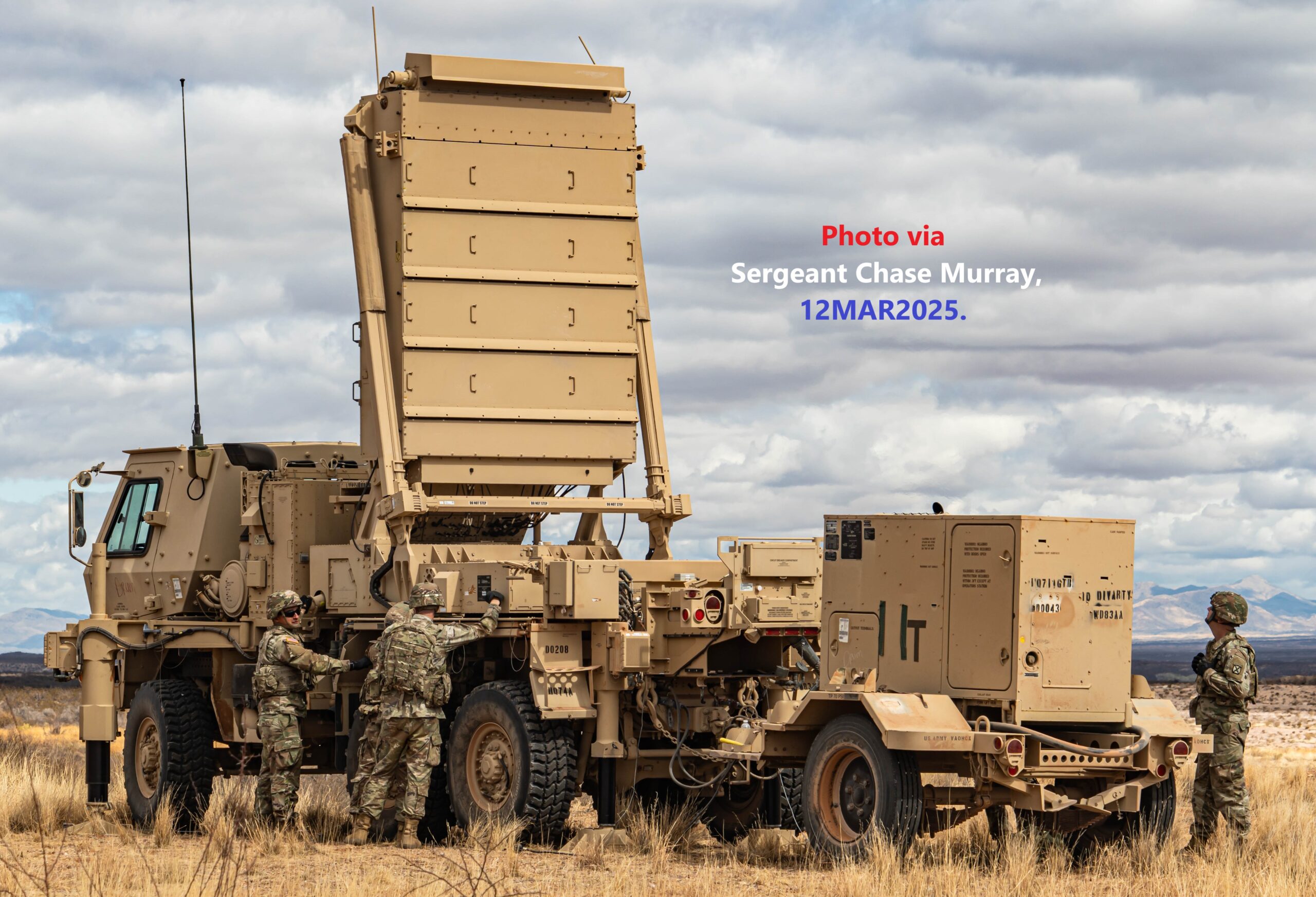
10th Mountain Division Soldiers, assigned to Joint Task Force-Southern Border, train on the AN/TPQ-53 radar system near Sierra Vista, Arizona.
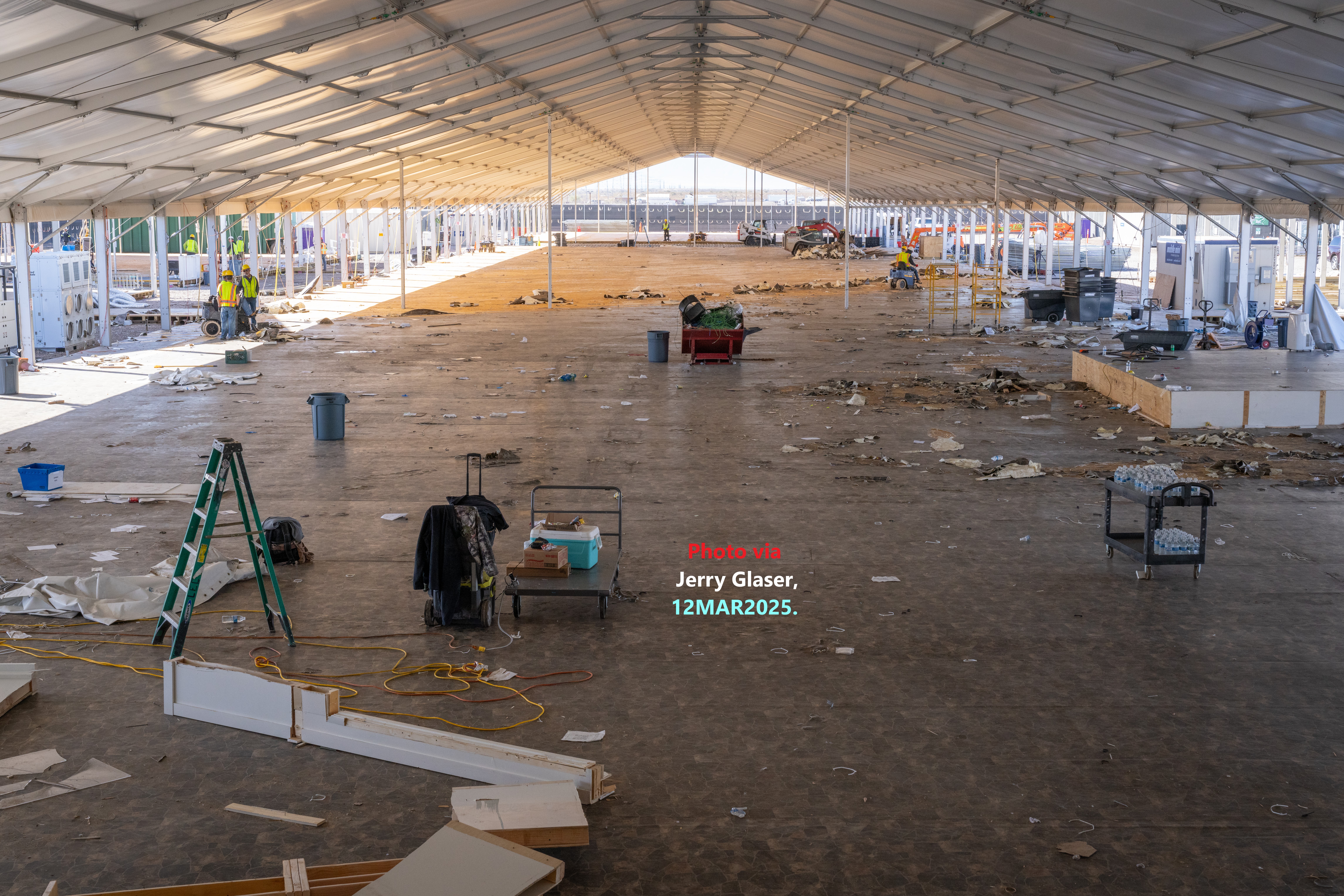
Deconstruction of CBP temporary migrant housing near Tucson, Arizona, due to a massive reduction in the number of illegals attempting to cross the southern border.
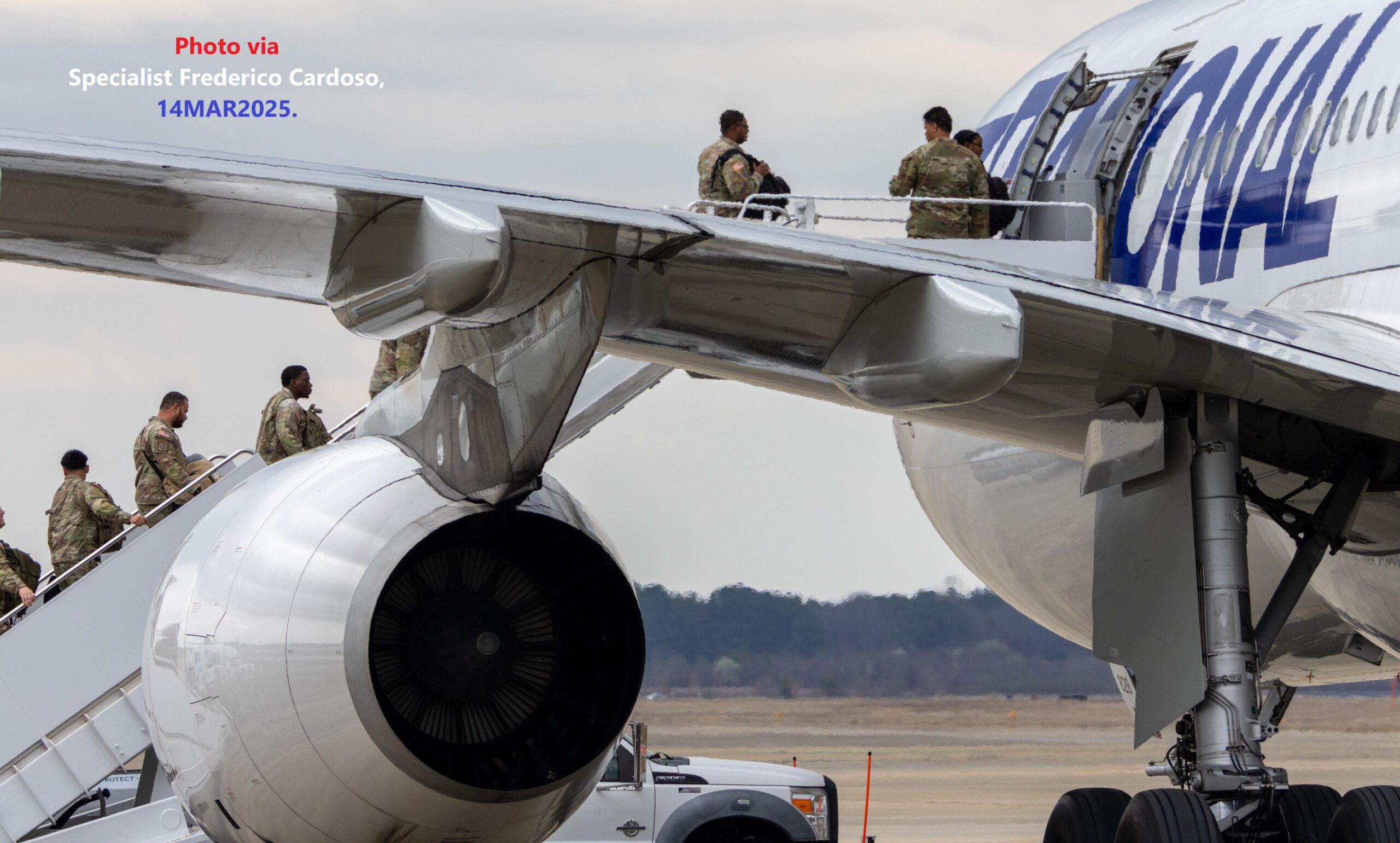
Alpha Company, of the 189th Division Sustainment Support Battalion, departed Fort Bragg, North Carolina, to Fort Bliss, Texas.
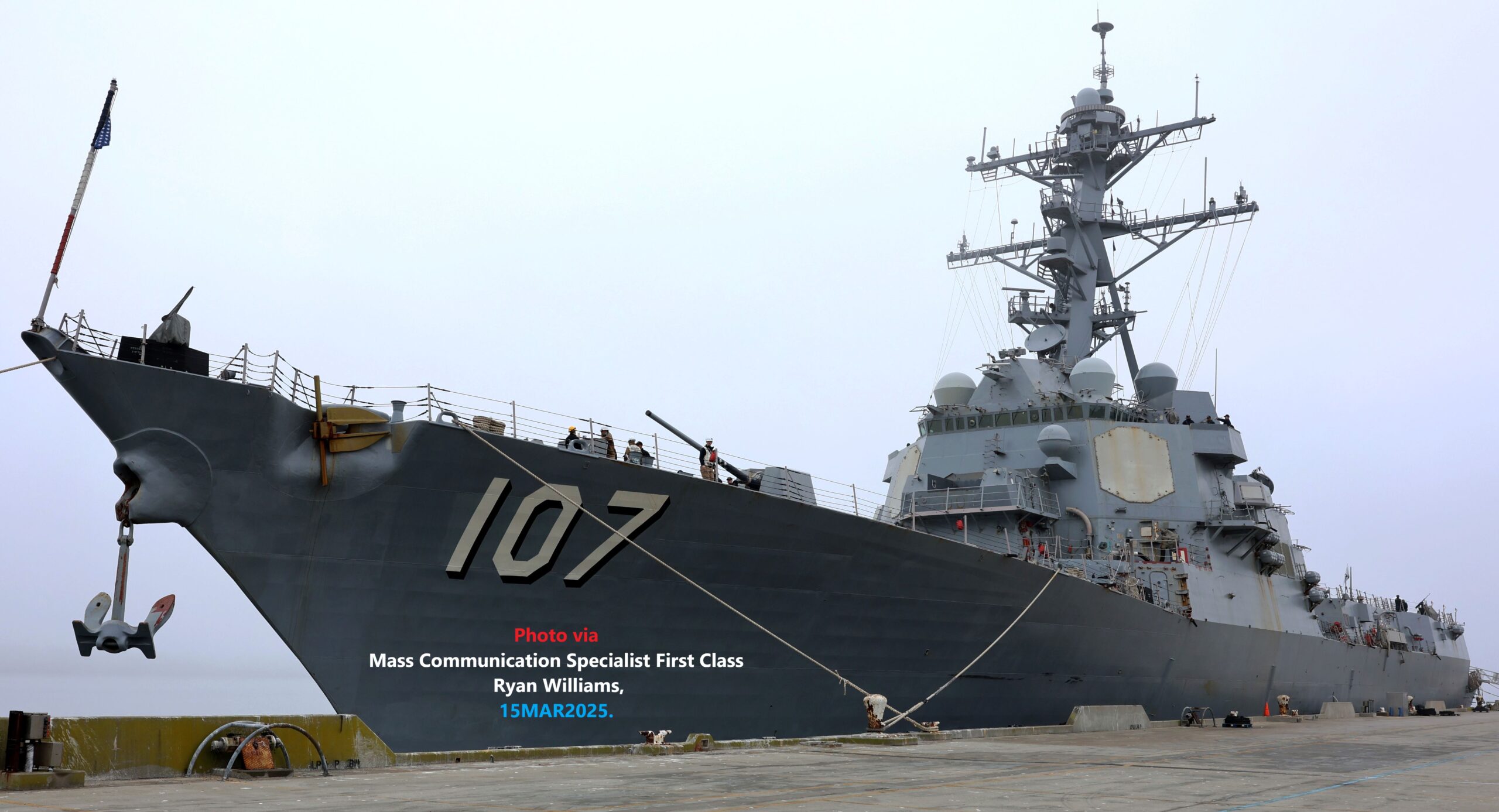
USS Gravely (DDG 107) was assigned to assist the U.S. Coast Guard with interdiction operations.
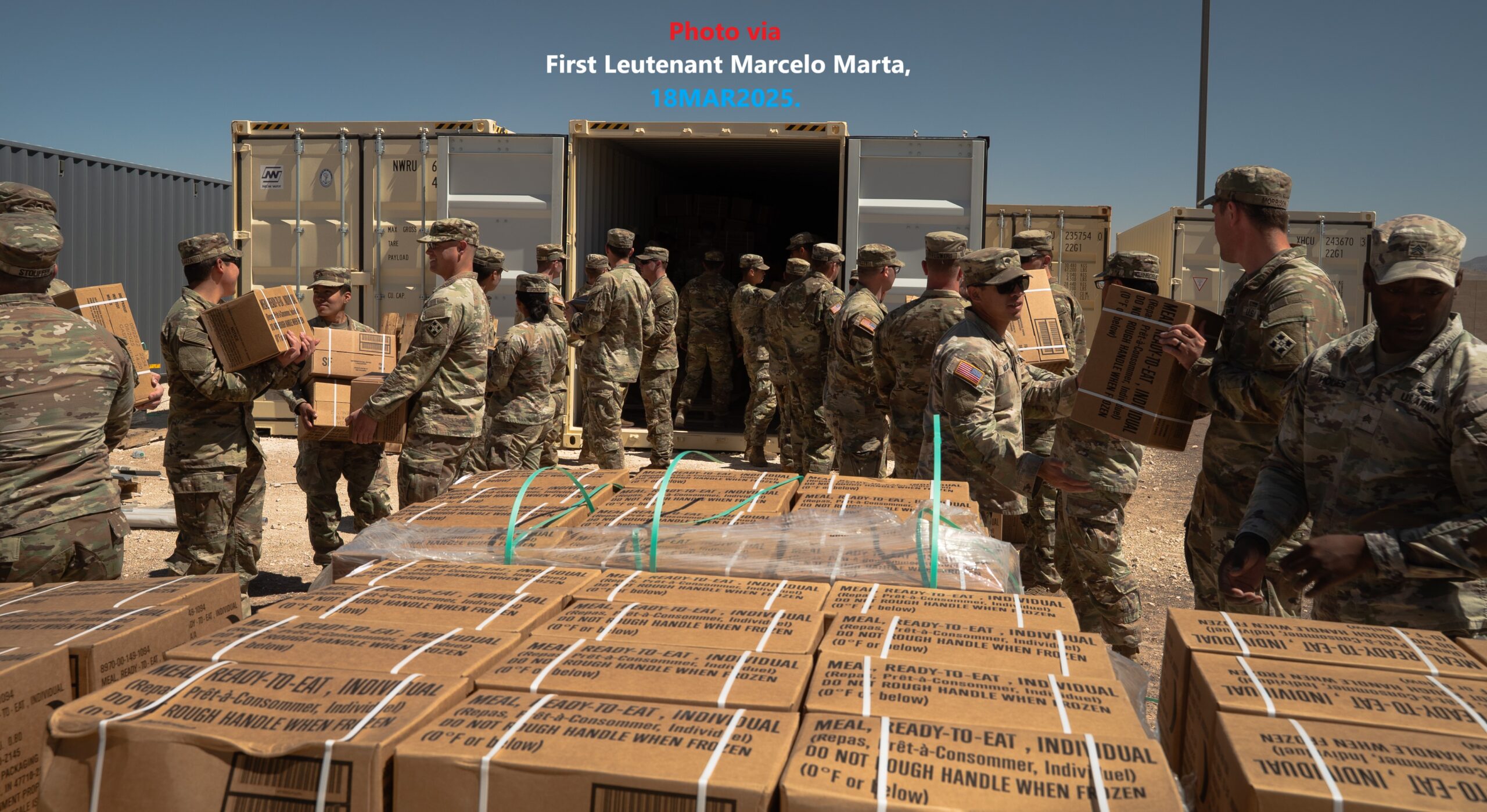
On 18MAR2025, deploying Stryker units were issued Meals Ready to Eat (MRE) at Alpine, Texas.
On 19MAR2025, CBP released body-worn camera video of a shooting that happened near Laredo, Texas, back on 23SEP2024. Part-1:
Part-2:
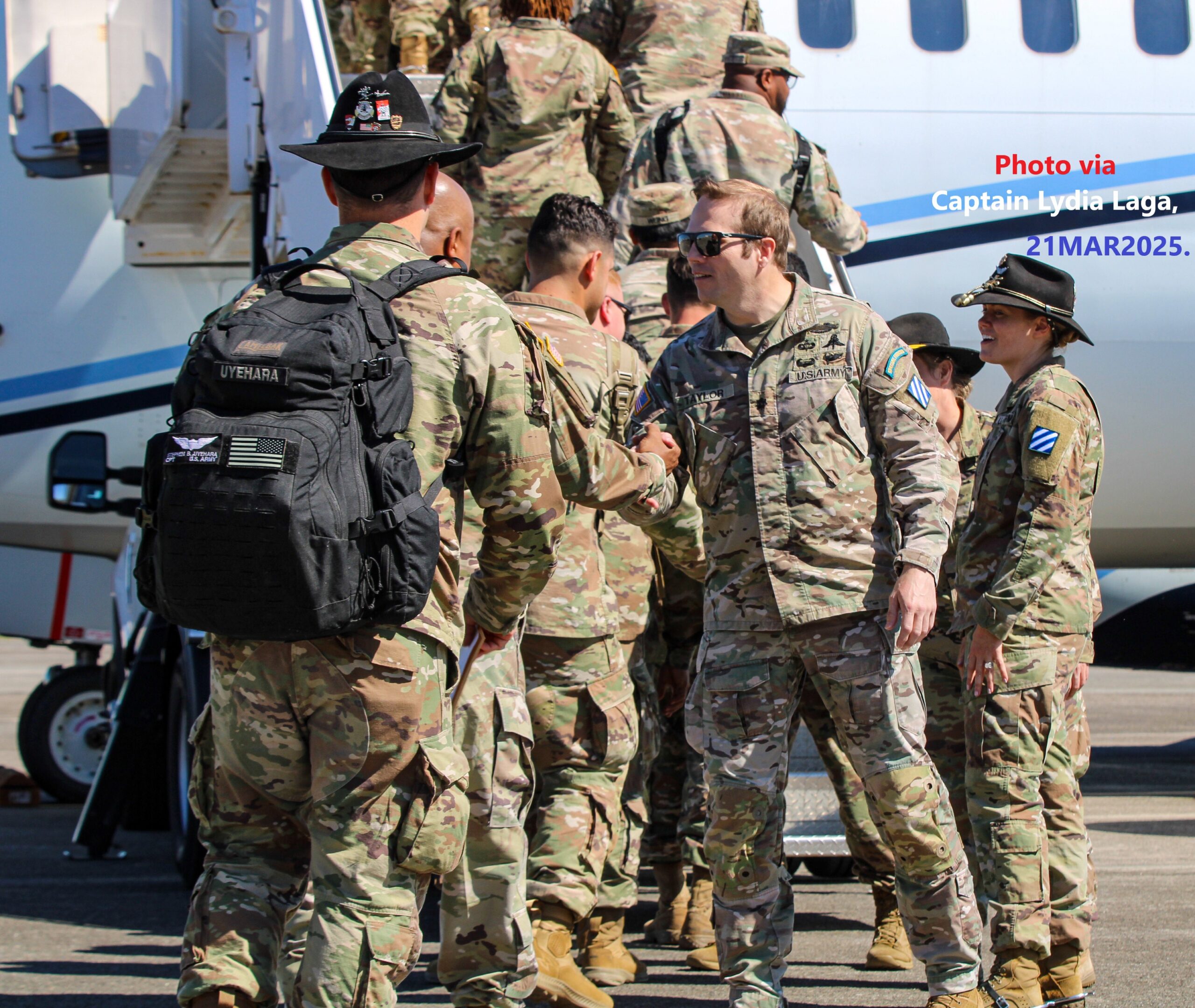
On 21MAR2025, Echo Troop of the 3rd Squadron-17th Cavalry Regiment-3rd Combat Aviation Brigade-3rd Infantry Division, based on Fort Stewart-Georgia, deployed as part of the new Joint Task Force-Southern Border.
President Donald John Trump answers questions about border security, migrant gangs and deportation, I mean expulsion flights, 21MAR2025:
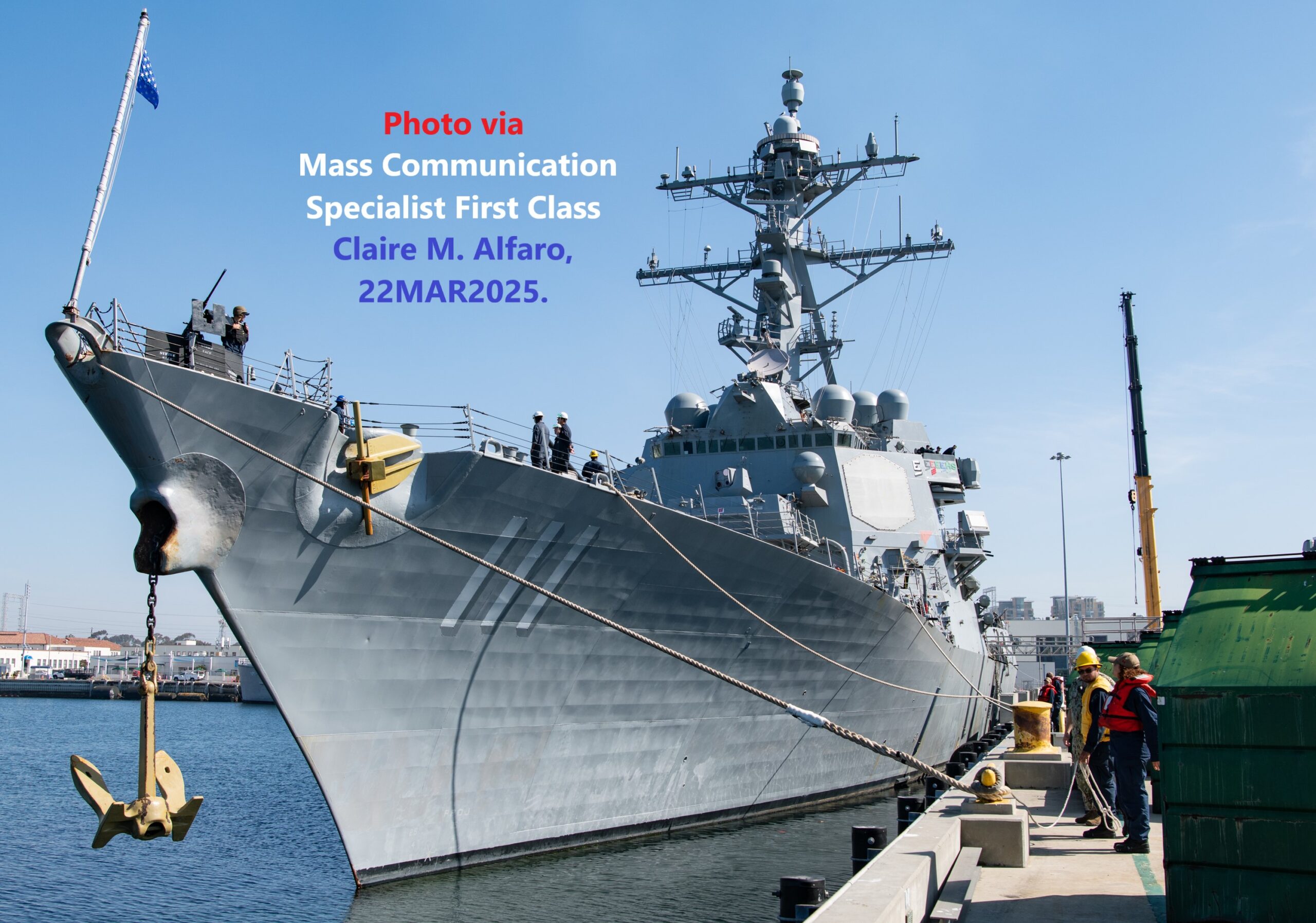
On 22MAR2025, USS Spruance (DDG 111, home base San Diego) began its new assignment to augment CBP along the U.S. southern border.
On 26MAR2025, a U.S. Army Stryker (from 1st Battalion-41st Infantry Regiment-2nd Stryker Brigade, Fort Bliss, Texas) patrolled the border wall near Santa Teresa, New Mexico, as part of the new Joint Task Force-Southern Border. Video via Private First Class Sean Hoch:
Check out my ‘Border War U.S.A.’ playlist on my YouTube channel: https://www.youtube.com/playlist?list=PLkZrLGwZbnj8cKlJz-MWvlTazK36w4b4O
Wall War: February 2025.

City of Pocatello officially rejects motor sports?
While the City of Pocatello, Idaho, spends tax dollars rebuilding a small park into an elaborate skate park, it rejects private efforts at creating a dedicated motorsports complex. Add to that the fact that the city is sitting on a federal land grant that has as one of its provisions that it could be used for sports, including motorsports (part of the Surplus Property Act involving Pocatello Airport, this is being administered by Bannock Development’s tax payer funded Project CREST)!
On top of this, the administrator for the Pocatello Car Club (advocating for a motorsports complex) says he is now being accused of fraud! Here is most (but not all) of the letter published by the Pocatello Car Club:
Here’s a few more Pocatello shenanigans,
2019: IDAHO’S BRIDGE TO NOWHERE?
2015: Poky Pavegate fallout: Taxpayers asked to clean up their own streets, while paying more taxes!
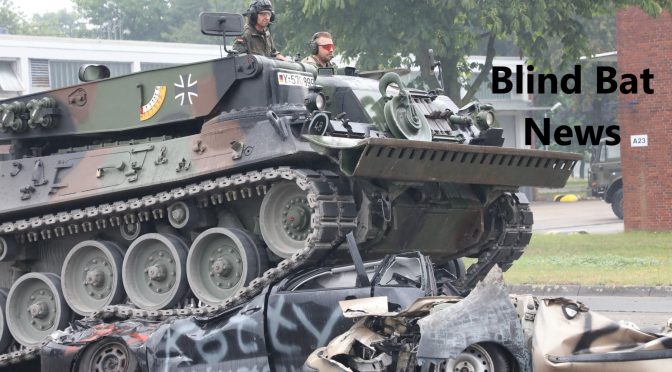
Car crushing tracked vehiculars!
 The pland-emic didn’t stop the U.S. Marine Corps from conducting ‘Gator Week’ on Camp Lejeune, North Carolina, 06APR2023. The event included crushing cars with an AAV7A1 (Amphibious Assault Vehicles-7A1).


U.S. Army M1A2 SEP wows the crowd on the Bemowo Piskie Training Area, in Poland.
Polish Leopard 2A5(?) and United Kingdom Challenger-2 battle-tanks do damage to puny little European cars, on Grafenwöhr Training Area, Germany. I edited together videos via Kevin S. Abel and Daniela Vestal (recorded between 04-06JUN2018):

Swedish Stridsvagn (Strv) 122 Leopard crushing cars during Strong Europe Tank Challenge-2018.
Austrian and German Leopard battle-tanks smash PT Cruiser, and more! I edited from videos (recorded from 05-07JUN2018) via Emily Houdershieldt & Markus Rauchenberger:

They created a pile of crushed European cars.
United States M1A2 Abrams crushing cars on Grafenwöhr Training Area, 06JUN2018. Video via Kevin S. Able:
Here is some more car crushing courtesy the M1A2 Abrams, video via Emily Houdershieldt:

Austrian Leopard 2A4(?) and German Leo 2A6(?) attempt to smash puny VW cars on Grafenwöhr Training Area, MAY 2017.

I edited this from videos via the U.S. 7th Army Training Command:

HERCULES stands for Heavy Equipment Recovery Combat Utility Lifting Extraction System, only ‘A2’ version is called HERCULES.

U.S. Marine Corps (USMC) video of their M88A2 crushing a car on Camp Lejeune, North Carolina, 24APR2014:
Check out more tank videos on my ‘Forever Wars’ Playlist on my YouTube channel: https://www.youtube.com/playlist?list=PLkZrLGwZbnj93-HZy9E6tQvyrXyMi_-x7
BBN Vehicle I-D: M88A2 HERCULES (another tool of the British empire?)
NORINCO’s drone carrying VT4A1 Battle Tank